Forensic Archaeology, Taphonomy & Trauma Laboratory Group
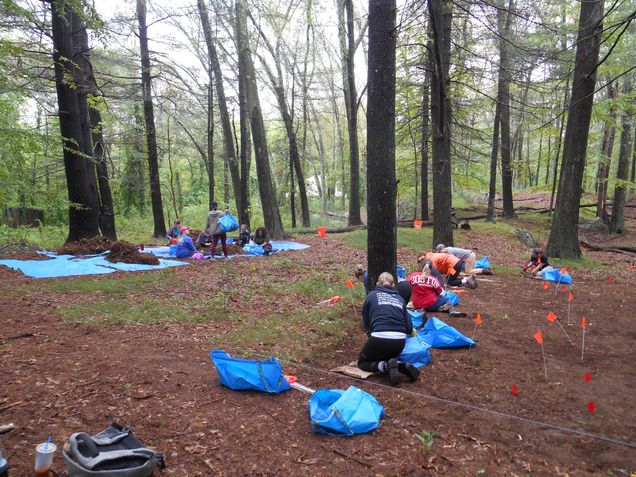
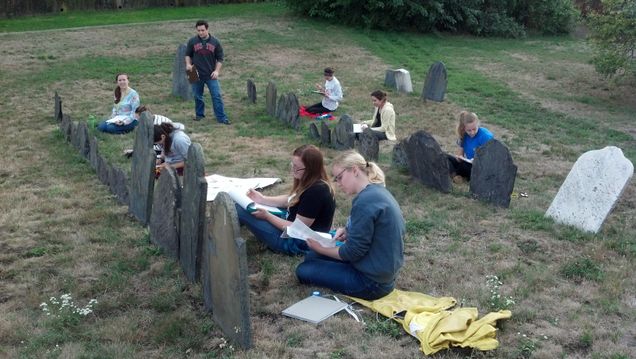
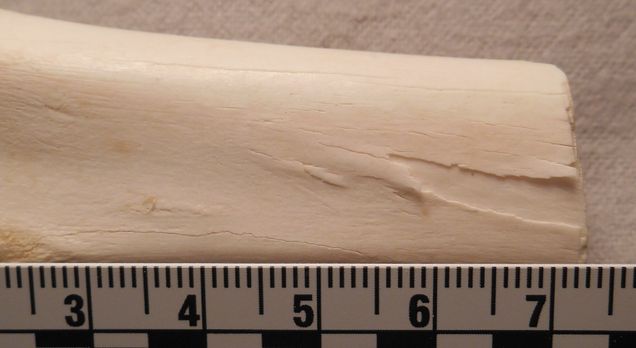
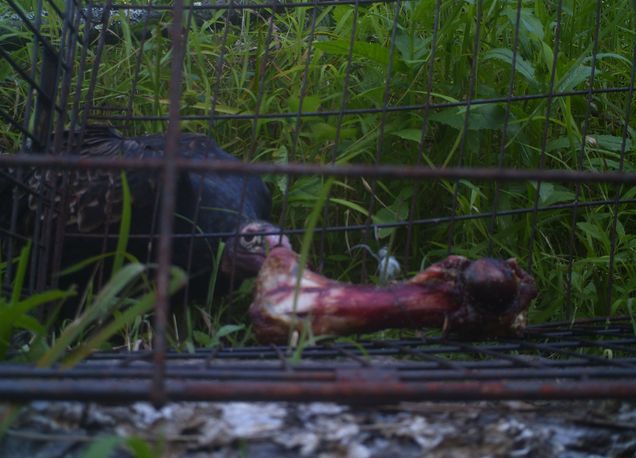
The Forensic Archaeology, Taphonomy, and Trauma Laboratory Group researches forensic anthropological field methods, postmortem changes to remains, and skeletal trauma. These topic areas all afford expanding frontiers in forensics that are highly suited for thesis projects, and incoming students are highly encouraged to pursue these fields. Forensic Archaeology covers all methods of field recovery, including burials and surface deposits, and pursues new applications of technology for mapping and recording sites and improvements to field methods. Forensic Taphonomy covers all changes during the postmortem period from death of the organism until the recovery of its remains. These changes include the processes of decomposition and what environmental factors affect its rate and form; scavenging by invertebrates and vertebrates; alteration of bones by vertebrates and the diagnosis of these alterations; dispersal of remains by human activities, other mammals, birds, and natural forces; subaerial weathering of bone and other natural forces to surface-exposed remains; alterations brought about by burial, including root penetration, soil staining, acidic dissolution, and coffin environments; and cultural practices to bone, including storage, handling, display, and ritual. Forensic Trauma covers alterations to bone by human agencies, including ballistic, blunt force, sharp force, and thermal vectors, and the diagnosis of these from each other and taphonomic alterations. This research includes the effects of dismemberment and subsequent thermal alteration upon the ability to diagnose bone trauma.
Faculty
James T. Pokines, Ph.D., D.-A.B.F.A.
- Associate Professor, Department of Anatomy & Neurobiology
- Forensic Anthropologist, Office of the Chief Medical Examiner, Commonwealth of Massachusetts
- Fellow, American Academy of Forensic Sciences (AAFS), Anthropology Section
- Former Vice President and current Diplomate (No. 68) of the American Board of Forensic Anthropology (http://theabfa.org/)
Email: jpokines@bu.edu
Education:
Ph.D., University of Chicago
M.A., University of Chicago
B.A., Cornell University
Biography: Dr. Pokines is an A.B.F.A. board-certified forensic anthropologist and also a zooarchaeologist, and his research has included Tiwanaku sites in Bolivia and Peru, Paleolithic sites in Spain and France, Classical site in Egypt, neotaphonomic sites in Kenya, and early hominin sites in South Africa. He is currently engaged in a multi-site research program in the Paleolithic of the Hashemite Kingdom of Jordan, including Wadi Zarqa Ma’in near the Dead Sea and the Azraq Oasis in the eastern desert. Dr. Pokines also brings twelve years of prior forensic anthropology experience from the Central Identification Laboratory in Hawaii, where he ran forensic excavations in locations including the U.S., Tibet, China, North Korea, South Korea, Vietnam, Cambodia, Myanmar, Papua New Guinea, Vanuatu, Iraq, and Greenland. He is also concurrently the Forensic Anthropologist at the Office of the Chief Medical Examiner, Commonwealth of Massachusetts, and provides all forensic anthropological analysis for the state.
Courses:
- FA 700 Professional Development (co-instructor)
- FA 703 Zooarchaeology and Comparative Vertebrate Osteology
- FA 800 Field Methods in Forensic Anthropology
- FA 802 Applied Forensic Anthropology
- FA 807 Taphonomy
- FA 808 Forensic Trauma Analysis
- FA 810 Mortuary Archaeology
Resources
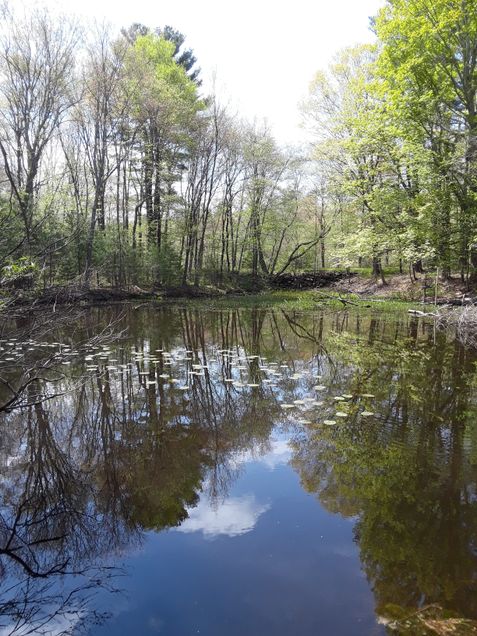
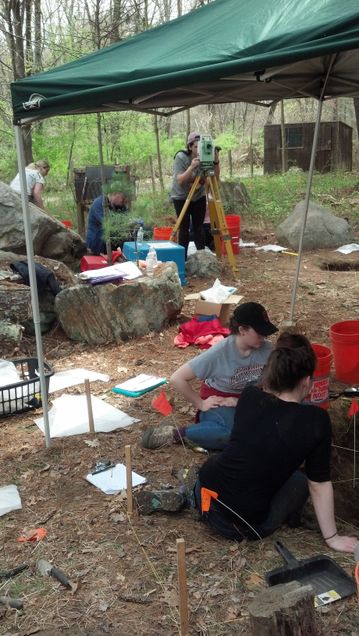
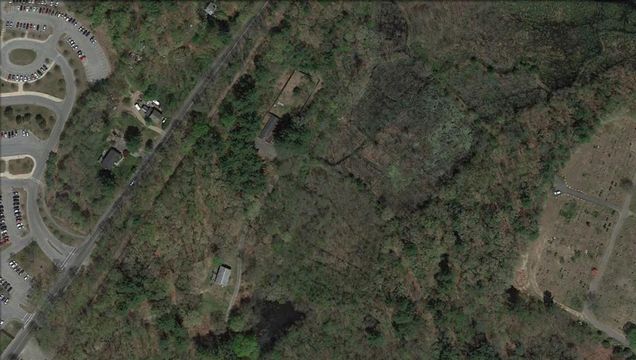
The Forensic Anthropology Program at the Boston University School of Medicine maintains a 32-acre Outdoor Research Facility (ORF) in Holliston, MA, less than 30 miles west of the campus. This facility includes a large research building for storing materials and performing research and a fully fenced decomposition field surrounded by unfenced land that allows natural scavenging species free access. The acreage is primarily mixed forest and is bisected by natural wetlands that have been used for taphonomic experiments. Large areas are available for all manner of outdoor taphonomic projects, including scavenging, decomposition, weathering, burial, dispersal, and field recovery. Trauma projects, including burning The program also trains the students in crime scene procedures and forensic archaeology and maintains a separate classroom building. Laboratory facilities are also available on campus and include dermestid beetle colonies and facilities for maceration, soil analysis, thermal alteration, histology, and inflicting blunt force. Total station training is also standard curriculum, and this equipment is available for field projects. Students have also performed joint projects with the faculty of the Biomedical Forensic Sciences Program (https://www.bumc.bu.edu/gms/bmfs/) at the Boston University School of Medicine that have included the effects of thermal alteration upon DNA recovery and burial and decomposition upon the recovery of traces of narcotics.
Other projects in taphonomy have used other Massachusetts resources in conjunction with other organizations, including the University of Massachusetts, Woods Hole Oceanographic Institution, and the Massachusetts State Police, which have loaned marine space for taphonomic experiments. The Holliston Fire Department, in their adjacent training facility, has supplied safety support and controlled burning all major thermal projects, including house and vehicle fires for trauma and field recovery theses.
Publications and Theses
This section is expanding rapidly due to the high levels of student interest, and new projects are begun frequently. Upon acceptance to the Forensic Anthropology Program, Dr. Pokines will discuss with you many possible thesis topics in this area help you shape any project’s focus, development, implementation, analysis, write-up, and publication.