BU Researchers Creating New Model to Study Down Syndrome
Photo by digitale.de on Unsplash.
Grant Award
BU Researchers Creating New Model to Study Down Syndrome
“Upon completion, this will be invaluable for rapidly advancing our understanding and preventing debilitating co-occurring conditions in DS.”
Boston University Chobanian & Avedisian School of Medicine researchers Tarik F. Haydar, PhD,the Waterhouse Chair and Professor of anatomy & neurobiology, along with Nobuyuki Ishibashi, MD, a professor in the same department, have recently been awarded a two-year, $449,625 grant from the National Institutes of Health for their project “A trisomic porcine model of studying down syndrome in the gyrencephalic brain.”
Down syndrome (DS) is the most common autosomal trisomy, a genetic condition where there is an extra copy of chromosome 21, affecting approximately one in 700 live births. Over the past decades, mortality in infants with DS has been dramatically reduced and lifespan has more than doubled. Despite these medical advances, individuals with DS and their families continue to face significant challenges from a wide range of co-occurring conditions including intellectual disability and early cognitive decline.
 Tarik Haydar, PhD
“While current experimental models of DS have been generated and studied for several decades, significant differences in brain development and anatomy impair translational advances and likely underlie the failure of recent clinical trials on therapies developed using this data,” explains Haydar, a leading cellular and molecular expert in forebrain development in DS.
In this project, the researchers propose the development of a novel translational model to study prenatal and postnatal mechanisms underlying DS in the complex brain. Due to its similar anatomy and physiology to humans, this experimental model is well-recognized and widely used in the pharmaceutical industry for drug testing. Beyond anatomical and physiological similarities, it also possesses a high degree of genomic similarity to humans.
Specifically, they will engineer cells that have an extra copy of the genes represented on the human chromosome 21 triplicated in DS. They will then work with a specialized national repository to use those engineered cells to develop this new model.
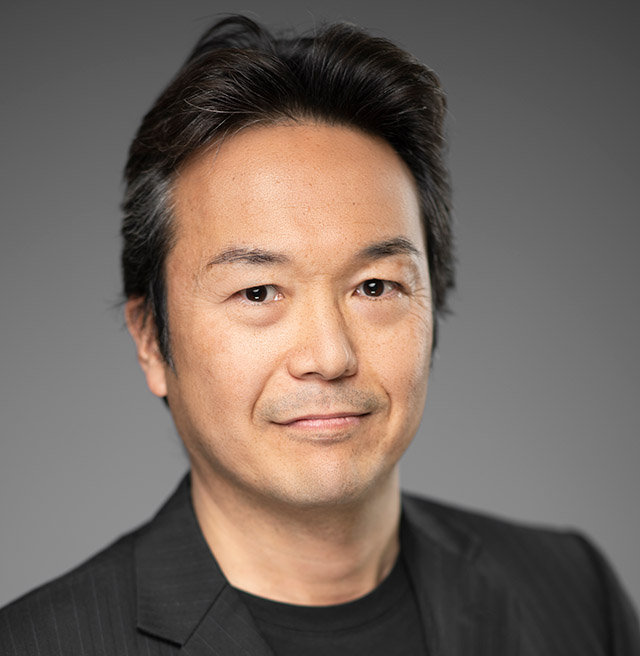 Nobuyuki Ishibashi, MD
“We hypothesize that this development will accelerate our understanding of the fundamental biological mechanisms underlying DS and enable a clinically relevant platform to study prenatal and postnatal development in humans with DS,” adds Ishibashi, a trained surgeon with more than 15 years of experience using similar models for congenital heart defect research.
According to the researchers, they believe this model will serve as a platform to test therapeutic approaches developed in the field with other preclinical models, allowing them to evaluate the safety, efficacy, pharmacokinetics and maternal-fetal interactions essential for developing prenatal interventions and translating new treatments to a clinical trial for DS.