2026 Dahod Pilot Grant Program Fund Recipients Announced
Please congratulate the 2026 recipients of the Dahod Pilot Grant Program Fund. In August 2008, Shamim Dahod (CGS’76, CAS’78, CAMED’87) and her husband Ashraf gave $10.5M to the school to establish the Shamim and Ashraf Dahod Breast Cancer Research Center, as well as this program and endowments.
Mollie Barnard, ScD, and Ruben Dries, PhD, both assistant professors of medicine/hematology & medical oncology, will test whether tumor samples from the Black Women’s Health Study can support high‑resolution mapping of immune cells in breast cancer. They will assess data quality and identify the most effective tissue‑sampling approaches for creating accurate and representative views of each tumor’s immune environment.
Thomas Clarke, PhD, assistant professor of pathology & laboratory medicine, and collaborators have discovered a previously uncharacterized zinc-finger protein that helps repair damage to DNA. In triple-negative breast cancer (TNBC), this protein is often reduced, and low levels are linked to poorer outcomes in advanced disease. Dr. Clarke and clinical partners at Boston Medical Center will define how this protein repairs DNA damage and identify weaknesses in TNBC tumors, aiming to reveal new targets for more effective, personalized therapies.
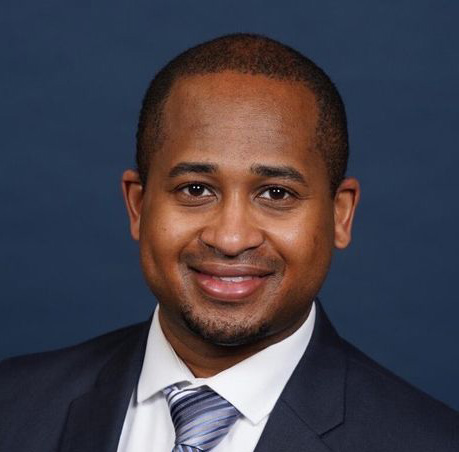
Dennis Jones, PhD, associate professor of pathology & laboratory medicine, and his team will examine how mesenchymal stem cells (MSCs) in breast tumors give rise to cancer associated fibroblasts that drive resistance to conventional therapies and immunotherapies. Using spatial transcriptomics on human and murine tissue, they will map where MSCs reside, characterize the surrounding cellular microenvironment, and identify tumor derived signals that preserve MSC stemness and drive CAF differentiation for targeted intervention.
Ignaty Leshchiner, PhD, assistant professor of medicine/computational biomedicine, and his team previously identified that metastatic ER-positive breast cancers frequently develop resistance to targeted inhibitors and endocrine therapy through diverse, coexisting mechanisms, including convergent loss-of-function alterations in the chromatin modifier genes across independent resistant subclones, driving reduced ER signaling and multidrug resistance. This project will investigate how chromatin dysregulation promotes therapy-resistant progression and potential therapeutic vulnerabilities.
Valentina Perissi, PhD, associate professor of biochemistry & cell biology, will investigate the molecular basis of endogenous regulatory mechanisms of PARP1 activity and assess their impact on the response to PARP inhibitors in breast cancer cells. The work aims at identifying biomarkers that predict responsiveness and guide the development of novel inhibitor strategies to improve therapeutic outcomes.
Bob Varelas, PhD, professor of biochemistry & cell biology, will study how common environmental chemicals, including “forever chemicals” and hormone-disrupting compounds like BPA, may combine with normal aging changes in breast tissue to increase cancer risk. Using cell and animal models, the project will explore how these exposures trigger early biological changes that can lead to breast cancer.