Skip to Main Content
Boston University Chobanian & Avedisian School of Medicine
Search

  • Admissions
  • Education
  • Research
  • Giving
  • Emergency
Search
  • Current Students
  • Faculty
  • Staff
  • Alumni
  • Parents
  • Donors
  • About
    • Frontline Medicine
    • By The Numbers
    • Organizational Chart
    • BUMC HR Resources
    • History
    • Clinical Affiliations
    • Basic & Clinical Sciences
    • Faculty Directory
    • Alumni Medical Library
  • Education
    • PhD Education
    • MD Education
    • Master’s Degree Education
    • Dual Degree Programs & Certificates
    • Center for Continuing Education
  • Admissions
    • Why Chobanian & Avedisian School of Medicine?
    • Apply for MD Program
    • Apply for PhD Program
    • Apply for Master’s Program
  • Student Affairs
    • MD Student Affairs
    • GMS Student Affairs Resources
  • Giving
    • Why Give?
    • Who Gives?
    • What Can I Give?
    • Where Can I Give?
    • What Can I Attend?
    • How Can I Give?
    • Contact the Advancement Office
    • Parents Community
    • Donor Resources
  • Research
    • Cores, Facilities & Services
    • Find Funding
    • Centers & Institutes
    • Human Subject Research
    • Resources
    • Research Job Openings
  • Offices & Services
    • Office of the Dean
    • Faculty Affairs Office
    • MD Program Offices
    • Master’s & PhD Program Offices
    • Alumni Office
    • Advancement Office
    • Louis W. Sullivan Center
    • Communications Office
    • Events Office
  • News & Events
    • News Archive
    • Calendar

Frontline Medicine & Science

  • Grant AwardDiana Anderson, MD, M.Arch, Receives Bioethics Grant for Improving Long-Term Care Facility Design
  • ResearchNew Research Traces the Evolution of Wastewater and Environmental Surveillance in Carceral Settings and Analyzes the Ethical, Medical, Legal Challenges
  • ResearchResearchers Identify Risk Factors for Dementia Among American Indians
View News & Events

Magazine

Cover of the Summer/Fall 2026 issue of Boston University medicineSummer/Fall 2026Boston University Medicine

Study Finds HIV-1 Proviruses May Drive Chronic Systemic Inflammation

A group of red and black cells on a blue background-

Photo by National Institute of Allergy and Infectious Diseases on Unsplash.

Research

Study Finds HIV-1 Proviruses May Drive Chronic Systemic Inflammation

Understanding mechanisms that drive chronic inflammation in people living with or without HIV may guide upcoming treatments.

August 10, 2026
Twitter Facebook

HIV (human immunodeficiency virus) is a virus that attacks the body’s immune system,” and remains a major global health challenge due to persistent viral reservoirs, despite effective treatments. Key factors include around 40 million people living with HIV, a million new infections each year and permanent viral DNA integration into host cells. Some HIV proviruses hide quietly in cells and escape both medicines and the immune system, creating a permanent viral reservoir that stops patients from being cured.

People living with HIV are at higher risk of developing inflammatory diseases of many tissues, including the brain, heart, intestine and immune tissues, even when receiving antiviral treatments that control HIV expression and spread. A new study from researchers at Boston University Chobanian & Avedisian School of Medicine suggests that persistent hidden HIV contributes to this inflammation.
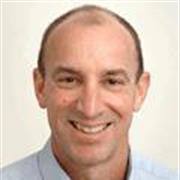
Man with short dark hair, light colored shirt, smiling broadly
Andrew Henderson, PhD

“People with HIV-1 are at higher risk of developing age-associated comorbidities and immune exhaustion even when receiving antiviral treatments and having no detectable virus present in the blood. Our results highlight the importance of the persistent defective HIV-1 proviruses and understanding their impact on driving chronic inflammation to inform future strategies to assure people with HIV-1 healthy living and aging,” explains corresponding author Andrew Henderson, PhD, professor of medicine and virology, immunology & microbiology.

For this study, the researchers infected cells and generated cells that had defective viruses using the editing tool CRISPR (clustered regularly interspaced short palindromic repeats) or molecular scissors, so they would not normally express HIV. They then compared those cells with HIV and defective HIV and measured markers of inflammation. An increase in inflammation markers was observed in the cells with the modified viruses.

According to the researchers, these findings could have implications for the persistent inflammation observed in people with HIV, especially with this population living longer. “It may also provide some general mechanisms that contribute to persistent inflammation associated with autoimmunity or aging.”

The researchers believe the study also provides additional insights into how HIV leads to general immune dysfunction and has potential implications about HIV cure strategies and targeting the persistent HIV reservoir.

These findings appear online in the Journal of Virology. 

Explore Related Topics:

  • HIV
  • research
  • Share this story

Share

Study Finds HIV-1 Proviruses May Drive Chronic Systemic Inflammation

72 East Concord St.
Boston, MA 02118
Contact & Directions
Boston University Chobanian & Avedisian School of Medicine
  • Instagram
  • LinkedIn
  • Facebook
  • X

We are Frontline Medicine & Science.

Every day, we learn, conduct research, care, teach, discover, and pioneer in places not everyone goes: the classrooms at the frontline of medicine & science.

  • Medical Campus
  • Search
  • Directory
  • Contact
Boston University
  • © 2026 Trustees of Boston University
  • Privacy Statement
  • Accessibility
  • DMCA
© 2026 Boston University. All rights reserved. www.bu.edu
Boston University Masterplate