Researchers Establish Stem Cell Repository Focused on Centenarians
Photo by Drew Hays on Unsplash
Research
Researchers Establish Stem Cell Repository Focused on Centenarians
Individuals who display exceptional longevity provide evidence that humans can live longer, healthier lives. Centenarians (greater than 100 years of age) provide a unique lens through which to study longevity and healthy aging as they have the capacity to delay or escape aging-related diseases such as cancer, cardiovascular disease and Alzheimer’s disease, while markedly avoiding disability. Problematically, models of human aging and resilience to disease that allow for the testing of potential interventions are virtually non-existent.
In an effort to solve this issue, researchers from Boston University Chobanian & Avedisian School of Medicine and Boston Medical Center (BMC) have created the largest library of induced pluripotent stem cells (iPSCs) from centenarians and their offspring in the world. iPSCs can be grown indefinitely, differentiated into any cell or tissue type in the body, and faithfully capture the genetic background of the person from whom they are created.
 Todd Dowrey
“By creating centenarian stem cells, we hope to decipher how these individuals delay or avoid age-related diseases and develop and/or validate therapeutics in this same capacity. This research provides a unique resource that can be used to better understand the mechanisms behind centenarian resilience and help others maximize their healthy years of life,” said first author Todd Dowrey, a PhD candidate in the molecular & translational medicine department at the school.
The researchers obtained and characterized more than 100 centenarian and offspring peripheral blood samples including those with data about their resistance to disability and cognitive impairment. The team analyzed how gene expression is regulated in molecular aging clocks to compare and contrast differences between biological and chronological age in these specialized subjects. Isolated peripheral blood mononuclear cells were then successfully reprogrammed into high-quality iPSC lines which were functionally characterized for pluripotency, genomic stability, and the ability to develop and differentiate into multiple cell types.
Additionally, the researchers discovered that centenarians and their offspring displayed significantly younger biological ages. Some individuals demonstrated up to two decades difference in biological versus chronological age.
 George Murphy
According to the researchers, this work highlights the significant, growing connection between regenerative medicine and aging biology. “By harnessing our ability to study centenarian resilience ‘in a dish’, we hope to unlock a detailed roadmap to healthful living, disease resistance and longevity,” explained corresponding author George J. Murphy, PhD, associate professor of medicine at the school and co-founder of the BU and BMC Center for Regenerative Medicine (CReM).
CReM brings together nine principal investigators who address various aspects of developmental biology, stem cells, regeneration and injury, cell lineage specification and disease modeling with a major focus on iPSCs. Learn more about the CReM here.
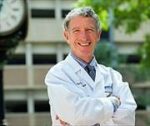 Thomas Perls
“Our participants are always incredibly generous and without them we would not be able to perform these unique studies. In turn, we hope to solidify their legacy as the stem cell lines we create from them last forever and will be used by investigators all over the world,” added study co-author Thomas T. Perls, MD, professor of medicine and founding director of the school’s New England Centenarian Study.
The study appears online in the journal Aging Cell.