Lee M. Wetzler, M.D.
Professor of Medicine and Virology, Immunology & Microbiology
650 Albany Street
Office: X638; 617-414-4394
Lab: X630; 617-414-5224
lwetzler@bu.edu
B.S. SUNY/Binghamton
M.D. SUNY/Upstate Medical Center, Syracuse
See BU Profile for additional information and publications.
Our laboratory investigates innate and adaptive immunity and microbial pathogenesis, especially in regards to vaccine development. One major aspect of this work centers on the pathogenic Neisseria, Neisseria gonorrhoeae and Neisseria meningitidis. We have found that the major outer membrane protein of these organisms, the Neisserial porin PorB, can work as an immune adjuvant due to it recognition by the pattern recognition receptor TOLL-like receptor (TLR) 2. We have found that antigen presenting cells, including B cells, dendritic cells and macrophages, are activated by PorB in a TLR2, TLR1 and MyD88 dependent manner, inducting upregulation of class II MHC, costimulatory molecule CD86 and other markers of activation. Moreover, MAPK signaling events are required for the upregulation of the expression of these markers, as well as production of pro-inflammatory cytokines.
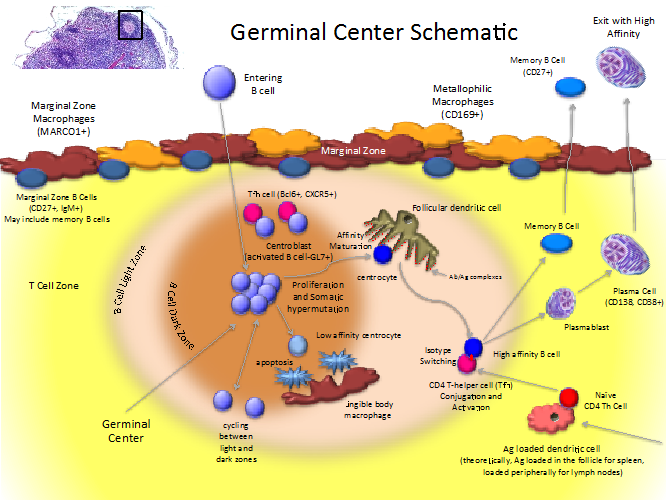
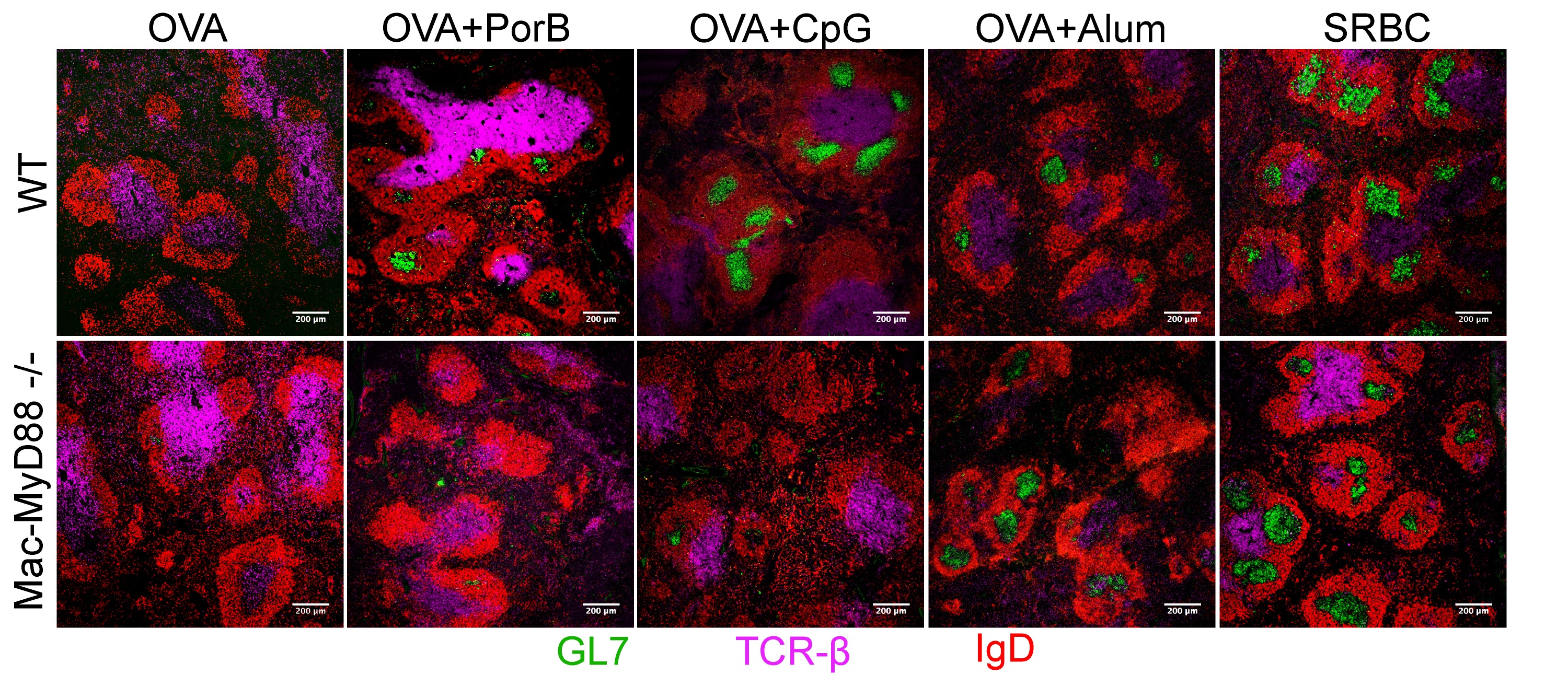
We are investigating the use of this TLR2 ligand, PorB, as a vaccine adjuvant using classic antigens i.e. OVA, and more relevant antigens, i.e. bacterial capsular polysaccharide. We are also comparing the PorB adjuvant activity to other classical and investigative adjuvants including Alum, MF59, CpG DNA and MPL. We have shown that PorB adjuvant activity is absolutely MyD88 dependent and also largely dependent on the presence of TLR2 (even though there is still some adjuvant activity in TLR2 KO mice). Utilizing conditional KO mice (using the Cre-Lox system) we have discerned that MyD88 signaling in B cells, Dendritic Cells (DC) and Macrophages are essential for the PorB adjuvant activity. Surprisingly, the presence of MyD88 in macrophages seems to be the most essential component needed for this adjuvant activity. Investigations are ongoing in this area. Moreover, we have shown that PorB can enhance both antigen uptake and antigen presenting cell trafficking (especially DCs and macrophages) and these effects are mainly TLR2 dependent. We have recently begun investigating the effect of PorB on germinal center formation and have found that this molecule is extremely potent in inducting germinal centers and proliferating B cells. Interestingly, if MyD88 is conditionally KO’d in macrophages, these germinal center findings are abrogated. Using these same mice we have found that PorB induces both Th1 and Th2 type responses as determined by cytokine profiles and IgG isotypes. PorB induced a greater breadth of response in this regard as compared to Alum, MF59 and MPL. We are currently investigating the mechanisms behind these findings.
We have also begun a systems immunologic analysis of the adjuvant activity of PorB. We have found that PorB induces a genetic program consisting of genes and gene sets needed for immunoglobulin synthesis and cellular proliferation after only one or two immunizations as opposed to a greater number of immunizations of antigen alone to induce a similar response. We are still investigating the genes induced and shall compare these results to results obtained with other adjuvants (both TLR dependent and independent) to determine if these results can be used to correlate with different responses induced by various adjuvants (i.e. Th types, IgG isotypes etc., as mentioned above). This also revealed that PorB can induce certain profiles of micro RNAs that may also be associated with its immune stimulating properties and we are in the midst of studies to further address these interesting findings.
A significant new set of studies currently being performed win collaboration with Dr. Scott Gray-Owen at the University of Toronto is the examination of a new murine model for gonococcal infections and the use of this model to examine potential anti-gonococcal vaccine candidates. Dr. Gray-Owen has developed transgenic mice that express human gonococcal adhesins and other molecules that enhance gonococcal pathogenesis, that are normally lacking in mice. These include CEACAMs, complement binding proteins and iron binding proteins. These mice mimic human infection to a much greater extent as compared to wild type mice, leading to a superior model to both study gonococcal pathogenesis and immunity. We have been able to demonstrate that at early time points more inflammation and cytokine induction occurs in these transgenic mice as opposed to other commonly used models, demonstrating that these previously used models my not be the best approach to study gonococcal infections. These studies are currently on going.