



A Day in the Life of a PGY-1 Resident – Dr. Arden

Peter Arden, MS, MPH, MD
Class of 2029
I came to Boston for the good weather and great food. While that reasoning was misguided, my choice has been validated because the residents in my cohort are enthusiastic, welcoming, and interesting people. The folks here are quite supportive of each other, and there is not an air of competitiveness, which I was worried about in residency. It’s also worth noting the program offers an abundance of exposure to TMS, ECT, and ketamine treatment, which is of great interest to me.
So far, I’ve spent most of this first half of the year working on off-service rotations. Three of those months were spent rotating on internal medicine rotations (Jamaica Plain VA urgent care, Bedford VA inpatient medicine, BMC internal medicine), as well as one month on BMC neurology. While I have gained invaluable experience, the two months I have spent on core psychiatry experiences have served as a nice reminder I’ve picked the right field.
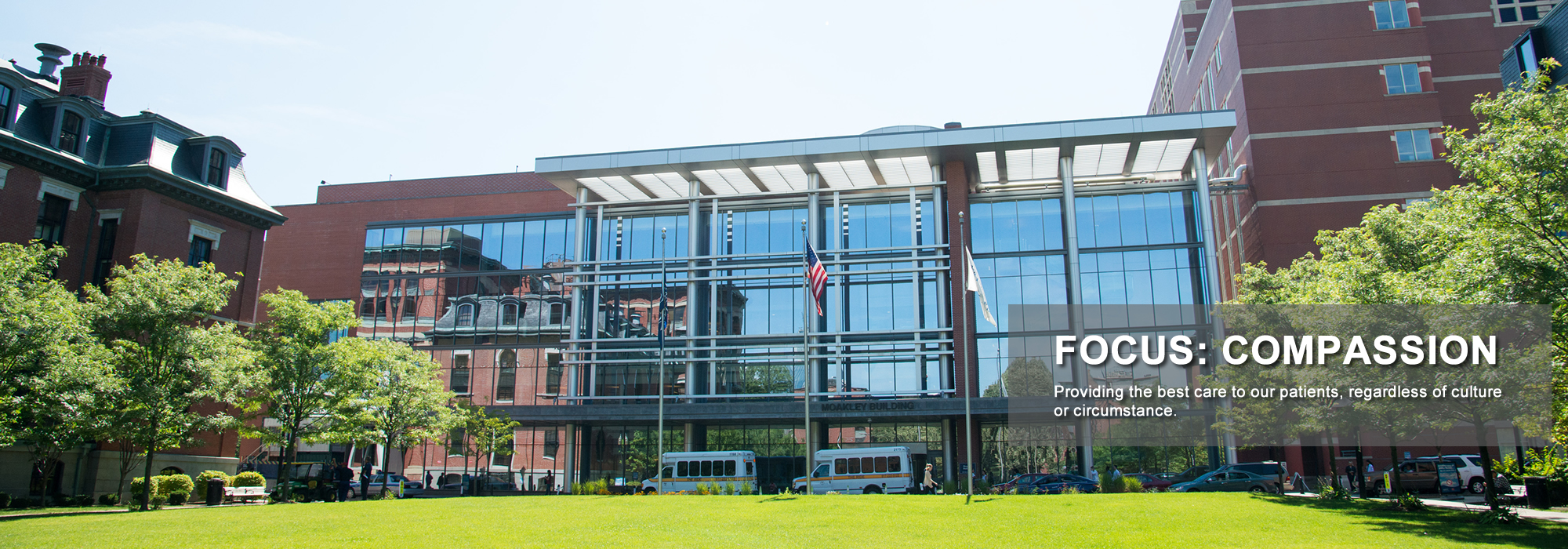
I think it is important to note the unique qualities that make BMC stand out. The patients we evaluate can have very complicated presentations, both medically and socially. We have the privilege of treating folks with late-stage pathologies , which I feel is very rare in residency training. On our internal medicine rotations, you will be exposed to a high rate of psychiatric comorbidities, which will allow you to help manage psychiatric medications in medically complex patients. The attending physicians I have worked with have been very understanding of our significant workload and have been helpful in improving my efficiency. Thankfully, my journey has been made easier by the fact that our diverse care teams, from nurses to social workers and physicians, care about making a difference in people’s lives and believe in our mission.
It can be tiring at times, but the truth is I have had more time to myself as a resident than I did as a medical student. Most days I have been working from 8-10 hours, with some additional step 3 studying. As a first-year resident, we only have ten weeks in the year with a six-day work week; the rest of the time we have golden weekends with no formal call shifts. Two of those weeks consist of night shifts, where we are accompanied by a senior resident in our psychiatric ED. Our union protects our four weeks of yearly vacation, as well as 15 sick days. Given my previous fears of the residency workload, the schedule has proven to be significantly do-able. Despite that, our training seems to be robust, as evidenced by our previous alumni reporting that they felt markedly prepared to work as attending psychiatrists. It is very heartening to train at an institution that aligns with its mission to provide exceptional care without exception.
Written by Dr. Arden in December 2025