Mentor Spotlight: Naomi M. Hamburg, MD, MS
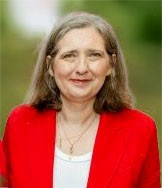
Joseph A. Vita, Professor of Cardiovascular Medicine
Her research has been continuously funded by the National Institutes of Health (NIH) and various foundations since 2006. Alongside her scientific work, Dr. Hamburg is deeply committed to advancing vascular health through education and improved patient care.
Her dedication to mentorship is exemplified by her work with medical student Erika Minetti through the LEADS Research Track program. Erika’s research project, titled “Inflammatory Determinants of Endothelial Cell Insulin Resistance in Human Type 2 Diabetes Mellitus,” provided her with hands-on experience in clinical research methodology, endothelial function and hemodynamics. Under Dr. Hamburg’s guidance, Erika also served as first author on the paper “Cardiovascular Health Effects and Synthetic Cooling Agents in E-Cigarettes Labeled as ‘Clear’ Marketed in Massachusetts After the Tobacco Product Flavoring Ban,” published in the Journal of the American Heart Association, and presented her work at the American Heart Association Scientific Sessions.
Dr. Hamburg on mentorship:
Mentoring students is one of the most joyful parts of being a physician-scientist. Mentees bring their knowledge, curiosity and commitment. My goal is to guide each person to develop their own strengths and passions that they will carry with them as an investigator. Along the way they build the specific scientific and communication skills that come from working as part of a team. Research can be frustrating and I hope to help mentees reframe what might feel like a failure as a moment to refine questions. Overcoming barriers often produces new science and moves a field forward. Erika’s work is a good example. She has been working with me during her master’s program and the LEADS program has given her time to grow as a leader of her own projects. On her project on “clear” e-cigarettes, she presented at scientific meetings, coordinated with the research team at BU and outside collaborators and most impressively, talked with public health officials and lawmakers about the implications of our findings. Seeing a mentee carry the findings from the lab to the larger community to prevent disease sustains my belief in the power of science.
Dr. Hamburg’s enthusiasm for teaching and cultivating the next generation of researchers makes her an exceptional mentor and a vital contributor to the development of future physician-scientists.