Mentor Spotlight: Vipul Chitalia, MD/PhD
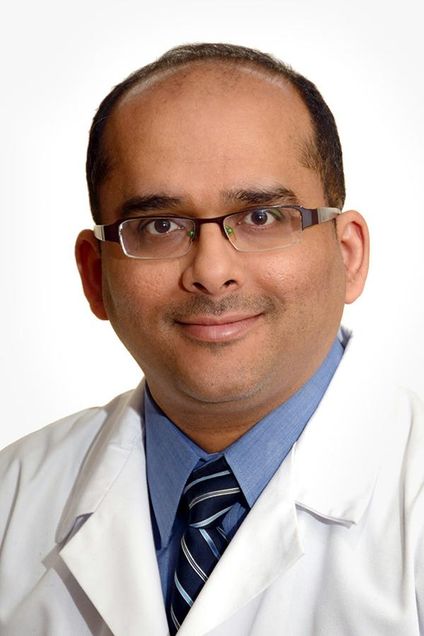 Dr. Vipul Chitalia (MD PhD) is a physician-scientist and Professor in the Department of Medicine and an affiliate at the Institute of Medical Engineering and Science at MIT. He completed his internal medicine residency in a program with Columbia University, a renal fellowship at Boston University and a postdoc fellowship at Massachusetts Institute of Technology (MIT). His research is focused on the intersection of cardiovascular complications in different diseases. His reverse translational model has contributed to the fundamental understanding of cardiovascular diseases in patients with kidney failure and cancer.
As an MD-PhD, Dr. Chitalia’s primary goal is to help patients, particularly those he encounters through his clinical work at Boston Medical Center—a unique and diverse patient population. He applies a “bedside to bench” approach, bringing clinical challenges back to the lab for investigation. His postdoctoral experience at MIT, working with Nobel laureate Philip Sharp, Bob Langer, and Elazer Edelman reinforced his commitment to bridging patient care and research.
Since establishing his lab around 2011-2012, Dr. Chitalia has aimed to translate patient problems into research questions that can lead to meaningful therapies. He is passionate about nurturing the physician-scientist mindset, emphasizing that physicians—who intimately understand patient suffering and disease processes—are uniquely positioned to innovate new treatments. Without this perspective, he believes crucial insights into patient care might be missed.
Dr. Chitalia on mentorship:
For Dr. Chitalia, mentorship is a role that naturally emerges through the act of mentoring itself and is deeply rooted in his passion for giving back what he has gained. Reflecting on his own training, he was inspired by mentors during his residency and fellowship who encouraged him to think deeply about patients and to translate clinical problems into research questions that ultimately benefit patient care. He strives to pass on this “art of science” to his students.
His mentoring approach centers on making the scientific journey an enjoyable and meaningful experience. Dr. Chitalia spends time with his students everyday discussing hypotheses and emphasizes the importance of understanding the “why” behind their work, as this fosters greater enthusiasm and insight. To connect research with real-world impact, he also takes students on clinical rounds to witness firsthand how their scientific inquiries relate to patient care, reinforcing that even small contributions can have significant future impact. He views mentoring as an art that can only be learned by doing, and this hands-on, patient-centered approach defines his guidance to mentees.