Faculty

Section Faculty
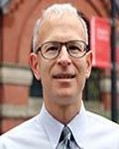
Robert W. Simms, MD
Professor of Medicine
Section Chief and Rheumatology Fellowship Program Director

Research interests: Dr. Simms’ research interests currently focus on clinical trials and translational studies in scleroderma. This includes studies of the efficacy of stem cell transplantation in severe diffuse scleroderma, the role of immunosuppressive therapy in a variety of outcomes in scleroderma, as well as the refinement and development of improved outcome measures in the disease.

Honors & Awards: Dr. Simms was recognized as one of Boston Magazine’s Top Doctors, as well as multiple listings nationally among Top Doctors. Recently, he has lectured widely nationally and internationally to patient and physician groups on scleroderma.


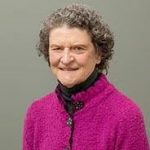
David Felson, MD, MPH
Professor of Medicine
Chief, Multidisciplinary Clinical Research Center Grant and NIH-funded Clinical Research Training Grant (Boston University CREST Program)

Research Areas: His research interests include: understanding how to prevent osteoarthritis and osteoporosis. In osteoarthritis, Dr. Felson’s interests include studying whether dietary factors, activities and structural abnormalities in the joint affect the occurrence of disease or its trajectory. His research also evaluates how to determine whether treatments for rheumatic diseases are effective and particularly in osteoarthritis, identifying biomechanical risk factors for disease and testing biomechanical treatments and characterizing MRI features of normal knees and knees with pain.


David Hunter, MD
Assistant Professor of Medicine

Clinical Interests: Musculoskeletal medicine in particular osteoarthritis

Current Research Interests:
1. Epidemiology of osteoarthritis. More specifically: Genetic epidemiology of osteoarthritis, Epidemiology and risk factors for patellofemoral and tibiofemoral osteoarthritis, Mechanics of knee osteoarthritis, Outcome measurement for osteoarthritis especially MRI and biomarkers
2. Osteoarthritis clinical trials
3. Epidemiology of back pain


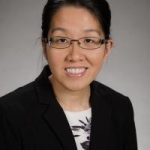
Tuhina Neogi, MD
Assistant Professor of Medicine

Major Clinical & Research interests: The epidemiology and management of osteoarthritis, risk factors and management of gout, and outcome measures and management of vasculitis. Clinical practice is primarily in vasculitis.

Research activities: Dr. Neogi’s osteoarthritis-related interest has included an evaluation of the association of vitamin K with osteoarthritis and is currently involved in a randomized clinical trial of vitamin K supplementation for osteoarthritis. She will be involved in further studies of the role of bone in osteoarthritis. She has studied the fluctuation of pain in osteoarthritis, the effects of bisphosphonates in osteoarthritis, and has demonstrated that chondrocalcinosis, which is associated with pseudogout (a type of crystal arthropathy) does not worsen the progression of osteoarthritis. Dr. Neogi is also involved with an internet-based study of gout, evaluating risk factors that trigger gout attacks. Through this study, she has investigated the frequency of inappropriate management of gout attacks, and is investigating the effects of alcohol and weather on gout attacks. Additionally, she is evaluating the relationship between uric acid, which is usually elevated in persons with gout, and cardiovascular disease. She has also been involved in evaluating outcome measures for Wegener’s granulomatosis, a type of vasculitis, and for rheumatoid arthritis using data from clinical trials.

Accomplishments/Honors/Awards (2003-2006): ACR REF ASP Junior Career Development Award in Geriatric Medicine (2007-2009); Arthritis Foundation Arthritis INvestigator Award (2007-2009); NIH(NIAMS) K23 Mentored Patient-Oriented Research Career Development Award (2007-2012)

2006-09 ACR REF ASP Junior Career Development Award in Geriatric Medicine
2004-07 Abbott Scholar Award in Rheumatology Research
2004 Boston University Department of Medicine Evans Research Day First Prize
2003-06 The Arthritis Foundation Postdoctoral Fellowship Award
2003 ACR Rheumatology Fellow Award

Dr. Neogi is a rheumatologist and conducts clinical epidemiologic research. She is presently completing a doctoral degree in epidemiology at Boston University School of Public Health. In addition to research, Dr. Neogi is also involved in teaching, particularly of epidemiologic concepts through evidence-based medicine journal clubs. She also has a clinical practice focused on vasculitis.


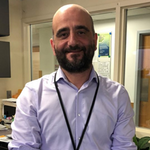
Eugene Kissin, MD
Assistant Professor of Medicine & Clinical Director

Major Clinical & Research interests: Musculoskeletal ultrasound and ultrasound guided injections; Systemic Sclerosis; Seronegative Arthritis; Rheumatoid Arthritis

1) Research of outcomes measurements in systemic sclerosis
2) Clinical trial of rituximab vs. cyclophosphamide for Wegener’s granulomatosis
3) Development of an injection clinic for soft tissue rheumatic conditions

Dr. Kissin spends the majority of his time in clinical practice, with an emphasis on injection therapies and ultrasound assessment of rheumatic conditions.


dr-lafyatis1Robert Lafyatis, MD
Professor of Medicine
Laboratory Director

Major clinical interests: Systemic sclerosis, systemic lupus erythematosus

Major research interest: Fibrosis and autoimmunity in systemic sclerosis.

Dr. Lafyatis carries out patient oriented research into the cause and treatment of systemic sclerosis. This includes early phase clinical trials into new therapeutic agents in patients with systemic sclerosis. He has been particularly investigating the mechanisms of actions and markers of response for novel therapeutics. In additional part of this effort is to lead a study of biomarkers in systemic sclerosis. The goals of these studies are to find molecular markers for disease activity and progression that improve treatment and permit smaller, faster clinical trials. Ongoing biomarker studies include investigation into molecular markers of pulmonary hypertension in systemic sclerosis.

Dr. Lafyatis also carries out basic research into the cause of fibrosis and vasculopathy in systemic sclerosis using patient samples and murine disease models. His studies have provided key insight into one widely used model of systemic sclerosis, the tight skin mouse. He is currently focused on better understanding how autoimmunity and the innate immune system lead to fibrosis and vascular damage. This has recently led to the discovery of increased interferon-regulated gene expression in white blood cells of patients with systemic sclerosis. Ongoing research is aimed at better understand the cause of altered gene expression by monocytes and other cells in the innate immune system.

Recent accomplishments/Honors/Awards:
Member, Scientific Advisory Committee, Arthritis Foundation
Member, Peer Review committee, Scleroderma Foundation
Co-chair, International workshop on Scleroderma Research

Dr. Lafyatis leads the BUMC rheumatology section research group studying systemic sclerosis, and works closely with the sectional clinical and clinical trial program in systemic sclerosis. He also collaborates closely with investigators outside the section and institution to coordinate research activities with biomarker and clinical trial research. He mentors fellows and junior research faculty in studies ranging from vascular disease to autoimmunity in systemic sclerosis.


monach Paul Monach M.D., PhD
Assistant Professor; Associate Fellowship Program Director

Research interest: Biomarker development, genetics, and clinical Trials in vasculitits.


drmerkelPeter A. Merkel, MD, MPH
Professor of Medicine
Director, Boston University Vasculitis Center & Principal Investigator and Director of the Vasculitis Clinical Research Consortium

Research interest: Dr. Merkel’s research interests include clinical epidemiology of vasculitis and scleroderma; outcome measure development in vasculitis and scleroderma; translational studies of new soluble and genetic biomarkers for vasculitis and scleroderma; and, design and implementaiton of clinical trials of novel therapeutic agents for vasculitis and scleroderma


Burton Sack, MD
Clinical Professor of Medicine

Dr. Sack is integral to the rheumatology fellowship program. He specializes in teaching radiology, clinical care and literature evaluation.


Martha Skinner, MD
Professor of Medicine
Director, Amyloid Treatment and Research Program

Major interests: Research and treatment on the systemic amyloid diseases.

Dr. Skinner’s research is on the local tissue environment that permits deposition of amyloid fibrils composed of clonal light chains in AL amyloidosis. Studies include: protein sequence studies of amyloidogenic light chains with determination of structural modifications; simultaneous measurements of circular dichroism (CD) and light scattering on the amyloidogenic light chains to analyze the linkage between protein unfolding, misfolding, and aggregation; determination of the role of GAGs, and other tissue-specific accessory molecules that have been identified by proteomic studies in her laboratory by other investigators; examine how light chains alter the ability of endothelial cell-myocyte paracrine signals to regulate cardiac myocyte structure and function; and screen a library of GAG mimetics as potential therapeutic agents to prevent LC aggregation, toxicity, and formation of amyloid fibril deposits.

Recent accomplishments/Honors/Awards: Hosted the XIth International Symposium on Amyloidosis at Woods Hole MA November 5-9, 2006. 275 scientists from around the world were in attendance, 180 presentations were made.


mike-york-photo Michael R. York, MD
Assistant Professor

Dr. York’s research and clinical interests are in scleroderma, particularly the role the immune system plays in the pathogenesis of Raynaud’s Phenomenon, digital ulcers and pulmonary hypertension. His prior work identified increased interferon-regulated gene expression in the blood cells of scleroderma patients and demonstrated how this could be caused by activation of toll-like receptors. His current focus is on understanding how the autoantibodies in scleroderma may stimulate production of interferon seen in patients with the disease.

Research Areas: Dr. York is currently investigating: 1. Immunology of Scleroderma 2. Endothelial cell dysfunction in scleroderma

Awards: Mark Flapan Award from the Scleroderma Foundation 2007 American College of Rheumatology Physician Scientist Development Award 2007.


dr-vladSteven Vlad, MD
Instructor

Dr. Vlad graduated from the University of Iowa College of Medicine in 2001 and completed his residency at the University of Iowa Hospitals and Clinics in 2004. After completing his rheumatology fellowship at Boston University Medical Center in 2008, he was appointed to the faculties of Rheumatology and Clinical Epidemiology. Dr. Vlad’s research interests lie in using health care databases to study unexpected effects and side effects of drugs used to treat rheumatologic diseases. He also holds an appointment at the Center for Health Quality Outcomes and Economic Research (CHQOER) at the Edith Nourse Memorial Veterans Hospital in Bedford, ME and sees patients in the Boston VA Healthcare System. Dr. Vlad plays principal trombone with the New England Philharmonic Orchestra.

Primary teaching affiliate
of BU School of Medicine