Student Updates
Genetic Counseling Program Joins Initiative to Increase Diversity in the Field, Offers New Dual Degree with BUSPH
 On this year’s Genetic Counselor Awareness Day, Boston University School of Medicine’s MS Genetic Counseling Program (BUGCP) is announcing two exciting new initiatives to continue enhancing the training and expertise within the field of genetic counseling.
For the 2021-2022 admissions cycle, BUGCP will offer enrollment in a dual degree MS MPH program with the School of Public Health, and will join the Alliance to Increase Diversity in Genetic Counseling – a scholarship and fellowship program for underrepresented students in the field.
The Alliance to Increase Diversity in Genetic Counseling
A lack of diversity in multiple dimensions is a major issue in most fields of medicine, including the field of genetic counseling. Ninety-four percent of genetic counselors are female, and 90 percent are white, according to the National Society of Genetic Counselors
To combat this issue and educate a genetic counseling workforce that improves support for patients from underrepresented backgrounds, BUGCP has joined the Alliance to Increase Diversity in Genetic Counseling, an initiative made possible due to a generous grant from the Warren Alpert Foundation (WAF).
BUGCP is partnering with four accredited genetic counseling programs: the University of Pennsylvania Perelman School of Medicine, Rutgers University, Sarah Lawrence College and the University of Maryland School of Medicine.
The $9.5 million grant from WAF will cover full tuition and living expenses for 10 students annually across the five participating genetic counseling programs, and provide funding to hire faculty to further support this experience.
The aim of this innovative alliance is to recruit and retain qualified trainees from diverse backgrounds, including racial and ethnic minorities, individuals with disabilities, first-generation college graduates and individuals from low-income backgrounds.

“There has never been funding of this magnitude to support trainee scholarships in this field,” said BUGCP Director Kathleen Berentsen Swenson, MS, MPH, CGC. “This support will allow the field to expand perspectives, and provide additional support for trainees receiving this award.”
Interested students should check the BUGCP admissions page for updated information on how to apply for the award.
MS/MPH Dual Degree Program
BUGCP and the BUSPH recently joined forces to create a dual degree program, allowing students to earn a Master of Science in Genetic Counseling and a Master of Public Health degree in two-and-a-half total years of study.
This newly created program is a result of a needs assessment and candidates’ interest in obtaining both a genetic counseling and public health degree. Program leaders at BU interviewed candidates to gauge their interest, and most applicants said they were either personally interested in the dual degree option or found it important.
“Understanding the intersectionality between genetic counseling and public health, as well as a desire to provide students with additional training in research, evaluation, program development and other ways to contribute more broadly to the genetic counseling field also were key factors in establishing this program,” said Swenson, who also is an assistant professor of medical sciences & education.
Many genetic counselors working today are in patient-facing capacities, and therefore need to be able to navigate the complex health care system.
“They have to be mindful of health literacy, access of care, statistics, epidemiology, research skills and more,” Swenson said. “I think the public health degree gives people a more in-depth experience in that regard and can be beneficial not only for providing care to patients but broadening genetic counselors’ scope in the field.”
Swenson said that her public health education has given her more comfort and awareness in the two overlapping fields, especially in terms of advocacy. Phil Connors, a member of the program leadership team, recently completed his MPH degree at Boston University. “The training provided by the BU School of Public Health has allowed me a new set of skills to support patient care at Boston Medical Center,” said Connors.
“We are one of only a few genetic counseling programs to offer this formal dual degree in public heath,” Swenson noted.
As the program operates on a national match system, applicants must first obtain admission to the Genetic Counseling program, and admission to the School of Public health will be coordinated afterward.
Visit MS/MPH Dual Degree Program for more information.
GMS Students Receive Funding for Medical Device Designs

MInT, or the Medical Innovation and Technology entrepreneurship program, launched in spring 2021 thanks to innovation-minded graduate students from Graduate Medical Sciences at BUSM, College of Engineering, School of Public Health and Questrom School of Business. The goal of MInT is to empower early-career scientists with hands-on medical innovation design experience.
Four teams of BU students pitched designs that won funding awards totaling approximately $12,000 from sponsors of MInT, including Innovate@BU/The BUild Lab and the Technology Development Office.
The MInT founding team was led by Graduate Medical School PhD student Elissa Everton (Molecular & Translational Medicine) and MD/PhD student Shen Ning (Graduate Program for Neuroscience), as well as Charles River Campus students Bibek Thapa (GRS, Molecular Biology, Cell Biology and Biology), Robbie Sabatelle (ENG, Biomedical Engineering), Emma Bortz (ENG, Biomedcal Engineering), Ziyi Xu (GRS, Chemistry), Rebecca Thomas (GST, Health Sector Management), Leslie Leung (ENG, Mechanical Engineering) and Belle Ye (ENG, Biomedical Engineering).
The founding team worked to create a cross-campus collaboration that bridges the gap in student-driven, bench-to-bedside medical biotechnology innovation and provides education and funding for the winning teams' start-up companies.
Shen Ning and her team’s project, INIA Biosciences, is a bioelectronics start-up aimed at preventing and treating patients with chronic or acute kidney rejection. Their device is a closed-loop system that integrates biomarker monitoring with ultrasound to dampen the immune system.
PhD student Guillermo Arroyo (PiBS, Pathology) and his graduate student team developed IleoPak, a pouchless, waferless and leakproof appliance for the stoma, or surgical opening, designed to improve the quality of life of ileostomy patients.
Over the summer, MInT integrated into the national entrepreneurship non-profit, Nucleate, to which BU students are invited to apply and get involved.
Read more at BU’s The Brink!
GMS Launches Community Catalyst Center to Enrich Graduate Education
 Graduate Medical Sciences believes that graduate education is enriched by diversity and a strong sense of community among peers. This philosophy sparked the idea for the Graduate Medical Sciences Community Catalyst Center (C3), which launched in August 2021. The Center’s goal is to foster holistic success for the diverse GMS student community by providing helpful resources, events, workshops and community chats.
“We are excited to offer this additional support to our students,” said Deborah Stearns-Kurosawa, PhD, ad interim Associate Provost and Dean of GMS.
Students of all backgrounds are encouraged to participate in C3 programming. The center’s five affinity groups are gSOC (students of color), gFIRST (first-generation students) gMAV (military-affiliated and veteran students), gPLUS (LGBTQIA+ students) and gGLOBAL (international students).
“We are so proud of the diverse perspectives of our community and are eager to make sure that all students are comfortable and confident during graduate school, so they feel like an integral part of the GMS community,” said Theresa A. Davies, PhD, director of Oral Health Sciences and assistant dean of GMS Master’s Programs.
Past events sponsored by the center include walking tours of popular Boston neighborhoods, workshops on acclimating to GMS and Boston and “community chat” social events for each of the affinity groups.
Email c3center@bu.edu for more details about C3 mentorship and any questions about the Center’s programming and resources.
2021 Thanksgiving Week, Intersession BUMC COVID-19 Testing Site (R-107) Hours
Monday, Nov. 22-Tuesday, Nov. 23 | 7 a.m.-8 p.m.
Wednesday, Nov. 24 | 7 a.m.-noon
Friday, Nov. 26-Thursday, Dec. 23 | 7 a.m.-8 p.m.
Friday, Dec. 24 | 7 a.m.-noon
Thursday, Dec. 30 | 7 a.m.-2 p.m.
Regular testing hours will resume Monday, Jan. 3, 2023.
Reservable Study Rooms Now Available
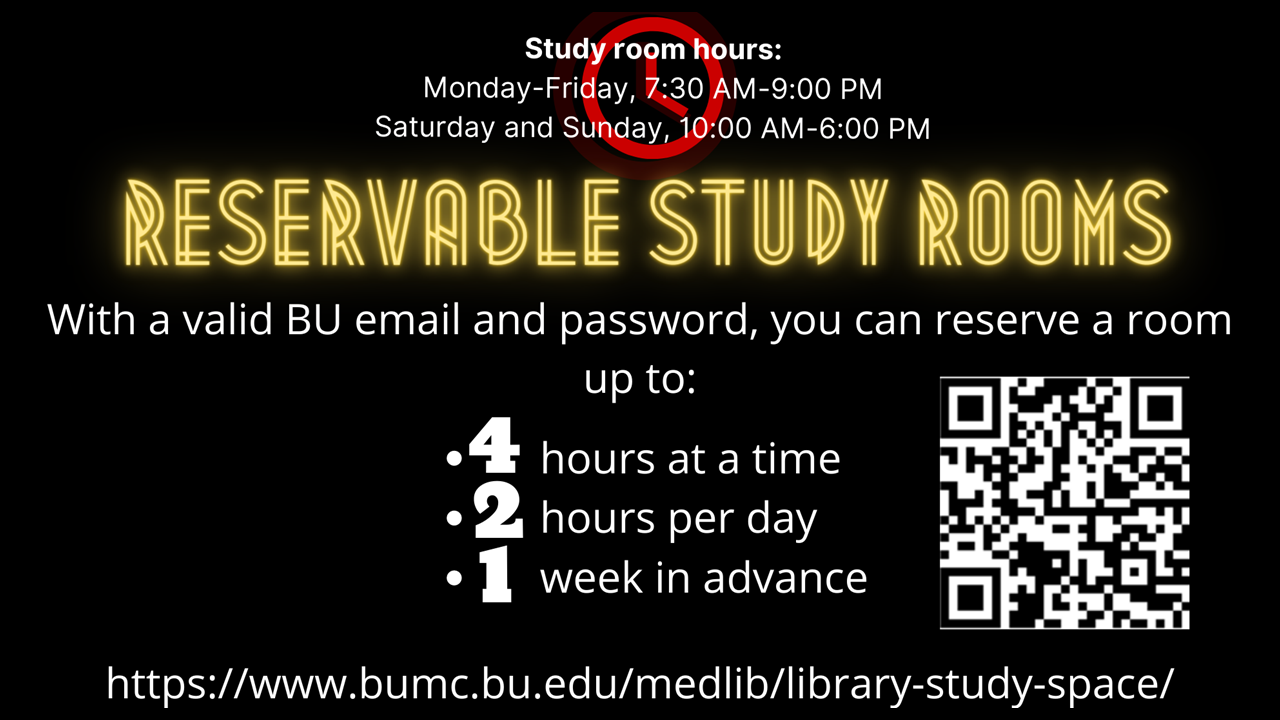 The Alumni Medical Library now has reservable study rooms. You can reserve a study room for 2 hours at a time and up to 4 hours a day. You can also reserve these rooms up to a week in advance! The hours for the study rooms are the same as those for the library.
More information and study room reservations are available here.
June & July Faculty Promotions Announced
Congratulations to the following faculty on their recent promotions.
Professor
 Katherine Hsu, BUSM, Pediatrics, has a broad background in pediatric infectious diseases and public health, with specific training and expertise in STD surveillance and prevention. Her research includes work on vaccine-preventable diseases, surveillance for STDs, and evaluating clinician training initiatives focused on STD clinical care and HIV prevention. In 2007 she became the Medical Director for the Division of STD Prevention and HIV/AIDS Surveillance within the Bureau of Infectious Diseases at the Massachusetts Department of Public Health. As Co-PI on several CDC-funded grants, she has led initiatives to expand electronic surveillance for STDs in Massachusetts, and laid groundwork for improving clinician adaptation of STD and HIV prevention clinical guidelines in New England. In 2020 she became the lead pandemic response epidemiologist for early childcare re-opening and reporting of multisystem inflammatory syndrome in children in Massachusetts. She teaches and mentors BUSM medical students and other trainees in the Adolescent Primary Care Clinic and on the Pediatric Infectious Diseases consult service.
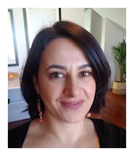 Valentina Sabino, BUSM, Pharmacology & Experimental Therapeutics, is a neuropsychopharmacologist with a strong research program which has been continually funded by the NIH. Dr. Sabino’s pioneering research is shedding light on the mechanisms underlying psychiatric disorders, offering new opportunities for the discovery of novel therapeutics. She is particularly well-known for her work on stress peptides (e.g., CRF, PACAP) and their role in alcohol addiction and other stress-related disorders. Dr. Sabino has been serving in several NIH study sections as well as on the NIMH Board of Scientific Counselors. Dr. Sabino has an excellent record as a teacher as well as a mentor of graduate and undergraduate students, postdoctoral fellows, and medical students.
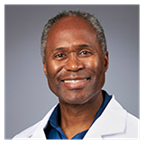 Vincent C. Smith, BUSM, Pediatrics, has seamlessly developed the Division of Newborn Services, which now combines the previously separate Divisions of Neonatology and the Newborn Nursery. As Chief, he provides clinical, research and administrative oversight to both sections, which now include 12 physicians and three nurse practitioners. An expert Fetal Alcohol Syndrome Disorder as well as the growing and nationally important area of Alcohol Substance Use Disorder, he has developed criteria for neonatal discharge, which has impacted pediatricians nationally. During his 20-year tenure as a member of the American Academy of Pediatrics (AAP), he has served on its Committee on Substance Abuse, during which time he played an integral role in creating a number of policy statements distributed to the nation’s pediatricians, as well as the AAP Fetal Alcohol Spectrum Disorder Expert Panel. He is medical director of the AAP Fetal Alcohol Spectrum Disorder Program and a member of the Society for Pediatric Research, the National Perinatal Association, and serves in a number of leadership positions in the Massachusetts Medical Society.
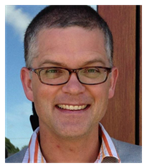 Alexander Walley, BUSM, Medicine/General Internal Medicine, is a clinician investigator, primary care physician and public health expert who has led multiple studies on opioid overdose and the integration of addiction and general medical care. He is principal investigator on a series of studies on post-overdose outreach programs and he is the Massachusetts Care Continuum Core Director for the National Institute of Health-funded HEALing Communities Study. He directs the Grayken Addiction Medicine Fellowship at Boston Medical Center program, which trains addiction physician specialists, and the NIDA-funded Fellow Immersion Training program in Addiction Medicine, which trains subspecialty fellows each year to integrate addiction science into their subspecialty research. He provides integrated primary and addiction care in the HIV clinic. Since 2007, he has served as medical director of the Massachusetts Opioid Overdose Prevention Program that has trained and equipped over 100,000 people with naloxone rescue kits and documented more than 30,000 overdose rescues.
Associate Professor
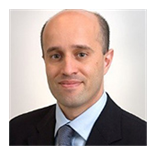 Asim Mian, BUSM, Radiology, is a clinical neuroradiologist with expertise in functional MRI. His research interests span neurodegenerative diseases and dementia, and trauma imaging of the brain and spine. He is co-Investigator on a NIH- funded study evaluating the role of MRI in Alzheimer's disease. His sentinel contributions to this field include characterization of the radiological imaging features of the basal ganglia that may predict need for hemicraniectomy in large territory middle cerebral artery infarct, evaluation of spine MRIs in athletes participating in the Rio de Janeiro 2016 Summer Olympic Games and the evaluation of functional brain networks involved in decision making in dementia. Dr. Mian became an Associate Editor of the Journal of Neuroradiology in 2016. In addition, he has collaborated with other program directors at the University of Massachusetts, Northwell-Staten Island, and Mount Sinai to create a national curriculum on healthcare disparities that will be disseminated to residency programs in the United States in early 2021.
Clinical Associate Professor
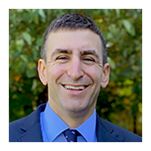 Christopher Conley, BUSM, Anesthesiology, is Director of Pediatric Anesthesia at BMC, who oversees inpatient and outpatient pediatric anesthesia, including in the Operating Room, Diagnostic Imaging, lnterventional Radiology and Endoscopy. Over the past decade, Dr. Conley has had a profound impact on the care of neonates and children, streamlining the pre-operative care of high-risk and medical complicated children through the development of a perioperative program for children who require anesthesia for procedures or diagnostic imaging. He also has developed educational sessions for various disciplines, including pediatric surgery, dentistry and gastroenterology, on topics ranging from pediatric airway management to perioperative risk assessment in children. He also serves as the associate program director for Boston University's residency program in anesthesiology. In addition, he worked closely with BMC’s Pediatric and Surgical leadership to develop the guidelines for safe reopening of pediatric surgical, endoscopy and imaging services in response to the COVID-19 Pandemic.
 Aparna Repaka, BUSM, Medicine/Gastroenterology, is Director of Interventional Endoscopy at VA Boston Healthcare. A clinician, she is frequently sought out to manage care for patients requiring complex oncological and biliopancreatic procedures. As an educator, Dr. Repaka is involved in training BUSM Gastroenterology fellows at the VA. She lectures medical residents rotating through the VA and has been a clinic preceptor for BUSM fourth-year medical students during their ambulatory medicine rotation at the VA. She is actively engaged in several national GI societies, including ASGE, ACG, WIE, etc. She is a Fellow of the American Society for Gastrointestinal Endoscopy, and has served on several of its committees, most recently the ASGE’s Training committee.
710 Albany Street Parking Garage Update, Construction Through Oct. 22
Construction will continue at the 710 Albany Street Parking Garage through Friday, Oct. 22. The work continues to be focused on the 6th and 7th floors of garage and these levels will remain closed to all vehicles and will impact garage capacity.
Employees in the Off-Shift parking program should proceed directly to the 610 Albany Street Garage on weekdays when they arrive on campus. Limited valet parking is available to patients and parking staff will direct patients from 710 Albany Street Garage to the closest available options.
We apologize for the inconvenience and thank you for your cooperation while this critical work is completed. If you have any questions or need assistance, please email the Parking Office.
Medical Campus Electrical Shutdown | Saturdays or Sundays, Oct. 30-Dec. 19
Beginning Saturday, Oct. 30, through Sunday, Dec. 19, Facilities will be testing the main breakers and transformer connections to BUMC buildings. This means that power will be out in the buildings during the testing. The testing will impact each building for one Saturday or Sunday.
On the Thursday/Friday before each scheduled shutdown Facilities will coordinate with any offices requiring extension cords to enable sensitive equipment to run on auxiliary power. To request an extension cord or if you have questions, please contact Greg Walker (gawalker@bu.edu).
Departments should safeguard their equipment by powering off PCs, copiers, lab equipment, etc.
Buildings impacted will be:
- K Building | 71 E. Concord St. | Oct. 30
- Talbot | 715 Albany St. | Nov. 6
- Garages | 610 and 710 Albany St. | Nov. 13
- J Building | 609 Albany St. | Nov. 20
- R Building | 72 E. Concord St. | Dec. 4
- X Building | 650 Albany St. | Dec. 11
- W Building | 700 Albany St. | Dec. 12
- Evans Building | 75 E. Newton St. | Dec. 18
- L Building | 72 E. Concord St. | Dec. 19
Additional Places to Eat on the Medical Campus
As the weather turns colder, please remember that eating and drinking is permitted only in designated areas, but not in public spaces such as the Instructional (L) Building Lobby, the library or classrooms.
Designated areas (New areas are in blue text):
- Eating outdoors remains the safest option.
- An individual office is also safe; please shut your door and eat alone.
- Chequers Café in L basement.
- Hiebert Lounge on L14.
- Department or administration unit conference rooms and kitchens. Please shut the door and eat alone.
- W Building lobby: Do not move tables and chairs.
- The Bridges between the Instructional (L) and Evans (E) buildings on floors 2-4.
- The L11 Testing Center when exams are not scheduled.
- Crosstown Building: Third floor reception area.
Please remember: You must wear a face covering and maintain as much physical distancing as possible when not eating or drinking. Be sure to wipe down surfaces before and after each use.
710 Parking Garage Construction 9/29-10/8
There will be construction at the 710 Albany Street Parking Garage roof and 6th floor starting Sept. 29, which is anticipated to continue through to Friday, Oct. 8. The scope of this project requires that 6th and 7th floors of garage be closed to all vehicles, and will affect garage capacity. Please be advised that this may cause delays and closures while we complete this necessary work, especially during peak hours.
For alternative parking solutions, please contact the Parking Office at 617-638-4915.