Student Updates
BU CTSI Supports Transition from Early Career toward Independent Investigator Career Stage
Since 2008, the BU Clinical and Translational Science Institute (BU CTSI) has been supporting BU investigators with their translational research through a variety of services, resources and funding opportunities. To support an internal mechanism for pilot awards, the BU CTSI partners with the department of Medicine, BMC Claude D. Pepper Older Americans Independence Center, Center for Nanotechnology and Nanobiotechnology, School of Public Health, and Office of Technology Development to create an integrated pilot program for BU investigators. “Alignment and timing of these integrated pilot grant opportunities is intended to catalyze research efforts of our investigators across the university and also increase their opportunities for attracting external funding,” states David Center, MD, Associate Provost for Translational Research and Director of the BU CTSI.
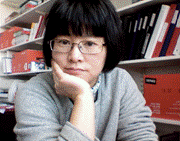
Xuemei Zhong, PhD, an assistant professor in the department of Medicine, is an early career investigator whose research was further advanced with an award from the BU CTSI Pilot Program. In 2009, following previous foundation awards, she received a pilot award co-funded by the BU CTSI and department of Medicine for her study, "The Effects of Thymic Infiltration of B Cells on Central Immune Tolerance in a Murine Lupus Model."
“This study is an example of the pilot program’s commitment to supporting early career investigators, including fellows and trainees, who often have fewer resources available to them in establishing externally funded research careers. We are working to address this need identified by our investigators,” explains George O’Conner, MD, Director of the BU CTSI Pilot Program.
Zhong, who completed her PhD and a postdoctoral fellowship in Immunology/Pathology at Boston University, has been successful studying B cell immunology for nearly a decade. She finds that the immune system has a very sophisticated self-regulating and self-correcting network that has not yet been fully appreciated by modern medicine. “As an immunologist, my quest is to understand how the immune system re-organizes itself in response to crisis as well as how it cleans up and heals after the crisis,” Zhong explains. “If a crisis cannot be resolved within a short period of time, we need to look into our own body to see what is hampering the immune system doing its job or if our immune system is over-burdened.”
Since her BU CTSI pilot award in 2009, Zhong’s research has progressed with interdisciplinary collaborations with Drs. Ian Rifkin, associate professor of Medicine (Nephrology), and Susan Fried, professor of Medicine (Endocrinology, Diabetes, and Nutrition), along with their respective labs. The findings from her pilot project, coupled with her previous work, have catalyzed subsequent internal and external grant awards. Zhong received a R03 Small Grant Award in 2010 and most recently a R21 Exploratory/Developmental Grant Award in 2012 from the NIH, as well as a follow-up pilot grant from the Department of Medicine in 2011. The additional funding has supported the evolution of Zhong’s research from studying B cell activity and effects in a murine lupus model that has led to a better understanding of the role of B cells in autoimmune disorders, to examining the role of B cells in abdominal obesity and diet-accelerated atherosclerosis in systemic lupus erythematosus. Her research could lead to more effective therapeutic interventions for lupus, including restoration of atheroprotective natural antibodies, and diet-induced obesity concerns in general.
For more information about Dr. Zhong, including her publications, see her researcher profile. Visit the BU CTSI website for information about the integrated pilot program and other translational research resources.
New Chair/Chief of Family Medicine Appointed at BUSM and BMC

Brian W. Jack, MD, has been appointed Chief of Family Medicine at Boston Medical Center (BMC) and Chair of the Department of Family Medicine at Boston University School of Medicine (BUSM). Jack was hired in 1997 as physician and Vice Chair in Family Medicine at BMC and associate professor at BUSM. In 2011, he was promoted to professor at BUSM.
Jack is the principal investigator of Project RED (Re-engineered discharge), which standardizes the hospital discharge process and improves the communication between provider and patient both during the hospital stay and post-discharge. Project RED is considered a blueprint for hospitals that are trying to reduce 30-day readmission rates and is currently being used at more than 300 hospitals nationally and internationally. Through his work, he and his team have been able to reduce hospital utilization—which includes both 30-day readmissions and emergency department visits—by about 30 percent.
Jack received his medical degree from the University of Massachusetts and completed his family medicine residency at Brown University, serving as chief resident, in 1984. He completed a fellowship in high risk obstetrics at Sacred Heart Medical Center, an affiliate of the University of Washington. In 1986, he joined the Family Medicine department at Brown, where he founded the maternal and child health fellowship program, the first academic fellowship program based in a community health center. In 1997, he joined the Department of Family Medicine at Boston University as the founding Vice Chair for Academic Affairs.
Jack has authored more than 100 peer-reviewed papers and book chapters; served on grant review panels for the National Institute of Child Health and Human Development, the Health Resources and Services Administration, Robert Wood Johnson Foundation and the Centers for Disease Control and Prevention; and reviewed papers for many leading medical journals. He has been Principal Investigator of grants from the Agency for Healthcare Research and Quality, the National Heart, Lung and Blood Institute, the Centers for Disease Control and Prevention, the Health Resources and Services Administration, and the Patient-Centered Outcomes Research Institute, among others.
Jack has received numerous awards and other recognition. For his work relating to improving patient safety at hospital discharge (Project RED), he received the Excellence in Patient Education Innovation award and was named Patient Safety Investigator of the Month by the Agency for Healthcare Research and Quality. He was also one of 20 nationally to be included on HealthLeaders magazine’s "People Who Make Healthcare Better" list. His article describing Project RED was the Society of Teachers of Family Medicine’s Paper of the Year and is included in the book, “50 Studies Every Doctor Should Know.” He received the Partner in Public Health Improvement award from the CDC.
Jack is clinical director of a Kellogg Foundation funded program in Lesotho focused on improving the quality of district health services, via a new family medicine training program he initiated. He has served as a consultant to USAID, the World Bank, the US Department of State, the China Medical Board and others on the development of primary care in Lesotho, Hungary, Albania, Jordan, Romania and Vietnam.
“Dr. Jack’s commitment to improving the health care experience will be of great benefit to our patients,” said BMC President & CEO Kate Walsh. “We look forward to the leadership he will provide to the department of Family Medicine and to the hospital.”
APEX Presentations Reflect High Quality Research at GSDM
On August 10, students and faculty filled a classroom to standing room only to listen to nine DMD 15 students and one DMD 14 student as they presented research conducted during their Applied Professional Experience (APEX) rotations.

The APEX first-year research rotation is based on a five-day week. Students may either dedicate two days for research training and three days for the APEX clinical assignment or three days (30 hours) for research training and two days for the APEX clinical assignment. The latter enrolls students in the Intensive Research Elective Course and is possible if they have participated in research during the second semester of their dental education on a voluntary basis or if they have prior research experience.
From explorations of the strength of different bonding materials to investigations to isolate the genetic source of a hereditary tooth development disorder, the students addressed a wide breadth of topics in their research. Following their presentations, the students fielded questions about their research from their colleagues and mentors.
The DMD 15 presenters were Benjamin Cooperman, Suyong Jeong, Matthew Green, Sara Saremi, Christopher Connell, Sonal Chhnabhai, Isha Suri, Shan Lo, and Erin Breen. Eric Harriman DMD 14 also presented.
Regarding the presentations, Associate Dean for Research Dr. Maria A. Kukuruzinska said, “Our pre-doctoral students did an outstanding job in presenting their research projects. The presentations spanned a variety of topics and reflected high quality work and commitment on the part of the mentors. Given the short duration of the research rotation, the students showed good understanding of their projects as well as excitement and pride about their accomplishments.”
Dr. Kukuruzinska continued to say that “the high number of faculty and students attending the presentations reflects the increasing recognition of research in the educational program of the school.”
BMC Physician Named Chief and Chair of Thoracic Surgery

Hiran Fernando, MBBS, FRCS, FACS has been named the new chief and chair of thoracic surgery at Boston Medical Center (BMC) and Boston University School of Medicine (BUSM).
A cardiothoracic surgeon at BMC and associate professor of cardiothoracic surgery at BUSM, Fernando has a rich history of clinical research including being the principal investigator for national cooperative group trials for both lung and esophageal cancer. “Fernando is a superb technical surgeon and his leadership of the division of thoracic surgery will surely build upon the strong history of clinical advances from BMC and BUSM,” said Gerard Doherty, MD, chief and chair of surgery.
Director of BMC’s Center for Minimally Invasive Esophageal Surgery, Fernando’s clinical interests include lung cancer therapies using minimally invasive techniques such as VATS or robotic lobectomy and radiofrequency ablation, minimally invasive esophagectomy, laparoscopic and endoscopic therapies for reflux.
Fernando is one of the first specialists in Boston to be trained in the new Transoral Incisionless Fundoplication (TIF) procedure, an incisionless technique used to treat gastroesophageal reflux disease, as well as port access robotic lobectomy, a new minimally invasive procedure for lung cancer. BMC was the first hospital in New England to perform robotic operations for thoracic diseases such as lung cancer and currently has the largest thoracic robotic program in Boston.
Selected by Castle Connolly America’s Top Doctors 2011 and 2012, Fernando is a member of the American College of Surgeons and American Association for Thoracic Surgery.
Fernando obtained his medical degree at the Royal Free Hospital School of Medicine in London. He completed his general and thoracic surgical training in the University of California system before undergoing additional training in minimally invasive thoracic surgery at the University of Pittsburgh, where he joined the staff before coming to BMC and BUSM.
BUSM Faculty Members Named to National PTSD Consortium
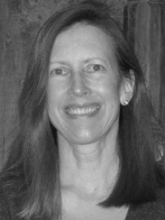
Two Boston University School of Medicine (BUSM) faculty members have been named to a consortium that will investigate better ways to treat and diagnose post-traumatic stress disorder (PTSD).
- Ann Rasmusson, MD, associate professor of psychiatry at BUSM and psychiatrist and neuroendocrinologist at the Veterans Affairs (VA) Boston Healthcare System and National Center for PTSD
- Jennifer Vasterling, PhD, professor of psychiatry at BUSM, clinical investigator and chief of psychology at the VA Boston Healthcare System and National Center for PTSD
Draper Laboratory formed this consortium of nationally-recognized PTSD experts to improve diagnostic tools and treatment outcomes for the disorder. Bringing together experts from a variety of disciplines and institutions has several advantages, including the ability to look at the full spectrum of factors from neuroimaging to gene expression, and conduct human and animal studies in parallel, thus accelerating knowledge and development of solutions.
The consortium plans to develop solutions based on objective, clinical decision making by using sophisticated algorithms to integrate data from a spectrum of biomarkers including neuroimaging, psychophysiology, chemical assays and gene expression. The resulting diagnostic and treatment protocols will be more objective and personalized, complementing today’s primarily subjective means of evaluation and treatment selection.
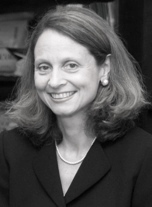
Vasterling will lead the effort to integrate neurocognitive data, which includes measures such as memory, attention and other thinking skills that pertain to brain functioning. She will also help with the integration of psychometric measures (i.e., normed self-report measures and structured clinical interviews pertaining to psychosocial functioning and mental health diagnoses) with the biomarker information.
Rasmusson will lead the selection and development of methods for testing and measuring biomarkers from blood, cerebrospinal fluid, or other sources that characterize the function of an individual’s stress response system both at rest and when activated by general or trauma-related stressors. The aim is to identify stress system factors best addressed and treated on an individual basis—to prevent PTSD or aid recovery from extreme stress and prevent its long-term downstream medical and psychiatric consequences.
PTSD has been diagnosed in more than 200,000 troops returning from combat in Iraq and Afghanistan, but it is also commonly found in civilians who have been involved in an accident or assault, or have suffered the unexpected loss of a loved one. Approximately 8 percent of the U.S. population will suffer from PTSD at some point in their lives, which can lead to panic attacks, substance abuse, depression, suicide, and a host of serious medical complications, most notably, cardiovascular disorders.
The current state of the art in PTSD diagnosis is based on clinical interviews, so doctors have to rely on patients’ subjective reports. Although the clinical history is a good start, PTSD diagnosis and treatment selection would be better informed if reliable biomarkers of the condition were available, as is the case in many other areas of medicine.
Draper Laboratory is a not-for-profit, engineering research and development organization dedicated to solving critical national problems in national security, space systems, biomedical systems, and energy.
GSDM Students Take the Oath of the Classes at Professional Ceremony
 New pre-doctoral students marked the end of orientation on Friday, August 3, at the Professional Ceremony held at 670 Albany Street, where students recited the Oath of the Classes. This was the largest group of family and friends ever to attend GSDM’s Professional Ceremony.
The event was joyous, with people cheering when their family members and future-dentists crossed the stage to accept their pins.
Dr. Joseph Calabrese greeted students and families. He said, “It is my pleasure to welcome distinguished guests, family, friends, faculty, and staff to the Professional Ceremony. This has been an exciting week for our new students. We hope that you have had the opportunity to meet new friends and establish relationships to last a lifetime.”
Dean Hutter welcomed students and introduced the faculty who would give students their pins: Associate Professor of General Dentistry and Faculty Liaison to the Advanced Standing Program Dr. Janet Peters, Assistant Professor of Health Policy & Health Services Research and Assistant Dean for Admissions Ms. Catherine Sarkis, Assistant Professor of General Dentistry and Assistant Dean of Students Dr. Joseph Calabrese, Associate Professor of Restorative Sciences/Biomaterials and Associate Dean for Clinical Services Dr. Stephen DuLong, and Professor and Associate Dean for Academic Affairs Dr. Cataldo Leone. Dean Hutter spoke of the diversity and academic strength of the incoming class, as well as several initiatives at GSDM that will make new students’ dental education one of the best available in the country and the world. These initiatives include: the Applied Strategic Plan, finalizing a Facility Master Plan, and a major University fundraising campaign.
He said, “At the Boston University Henry M. Goldman School of Dental Medicine, we are committed in spirit and in action to providing an outstanding education to dental professionals throughout their careers. You are the best and brightest and I know that I speak for the entire faculty when I say thank you for choosing GSDM.”
Dean of Boston University School of Medicine and Provost of the Medical Campus Dr. Karen H. Antman spoke of how matriculation and graduation are two of the happiest days on campus. She closed with, “I’d like to also welcome you to Boston, the BU Medical Campus, and the Dental School.”
The keynote speaker was Director of the Dental Health Center and Director of Clinical Operations, Dr. Margaret Errante. She gave an inspirational speech, welcoming the new students as they embark on their journey toward becoming dentists. Dr. Errante used her career path as a way to illustrate the potential of recognizing opportunities and taking chances.
She said, “If you had asked me on my graduation day what I would be doing professionally in 20 years, I never would have dreamed of the accomplishments that I have made. Please don’t sell yourself short. I ask that you remain open minded while in school. Your goal should be to discover all that is possible and become a lifelong learner.” She continued, “I have praised you for choosing this profession and this School, but you should also feel honored that dentistry and Boston University have chosen you.”
The 197 students then walked across the stage to receive their pins. Following the ceremony, students and their families enjoyed a barbecue under the summer sun on Talbot Green.
Photos from the ceremony are on Facebook (album 1 and album 2) and flickr. Photos from the barbecue are on facebook and flickr.
TranSComm Kicks-off Neighborhood Walks Aug. 23, Registration Required
TranSComm is sponsoring guided walking programs at the BU Medical Campus. Along with walking to improve health, these walks tap into the rich history of our neighborhood. Teaming with WalkBoston, TranSComm is offering five lunchtime walks: one in August, three in September and one in early October. The following will be offered: Medical History, Discover Roxbury and Southwest Corridor walks.

The first walk this season is Discover Roxbury, Thursday, August 23. Roxbury native and neighborhood historian Stacy Hill-Sutherland will take participants on a colorful and informative tour of Lower Roxbury. The walk will include Roxbury’s contemporary history including Boston’s Jazz era and some of the early Civil Rights Movement in this historic community. Along the walk participants we will see interesting architecture, murals and outdoor art.
Registration is absolutely necessary as spaces are limited and registration will be accepted on a first-come, first-served basis. To register go to https://www.bumc.bu.edu/transcomm/2012walks/ You will be sent confirmation via email with specific information.
Please note: All walks start at noon. They meet at the lobby of 85 East Concord St. All walks last 50 minutes. If it's raining, please bring an umbrella as no rain dates are planned. Hats and/or umbrellas are useful if it’s an especially hot day. Wear comfortable shoes! TranSComm will provide water.
BUSM Professors Receive American Health Assistance Foundation Grants

Boston University School of Medicine’s (BUSM) Benjamin Wolozin, PhD, professor of pharmacology and neurology, and Matthew Nugent, PhD, professor of biochemistry, ophthalmology and biomedical engineering, have been awarded grants from the American Health Assistance Foundation (AHAF) to study age-related degenerative diseases. This marks the first time in more than a decade that BUSM has received an AHAF grant.
The AHAF is a nonprofit organization that funds ground-breaking, early-stage research on Alzheimer’s disease. The foundation seeks to eradicate age-related degenerative diseases by advancing research seeking causes, prevention, treatment and cures, promoting positive behaviors to combat these diseases and facilitating the public's efforts to assist those who are affected.
Wolozin was awarded a two-year $150,000 grant for research on RNA binding proteins in Alzheimer's disease. RNA binding proteins (RBPs) regulate the conversion of messenger RNA into protein through the formation of complexes called RNA granules. Cellular stresses induce formation of a particular type of complex, termed stress granules (SG). By examining SGs, Wolozin has identified a new consequence of Alzheimer’s disease. In this project he will investigate how these SGs might contribute to the causes of Alzheimer’s disease.
“I am very excited about this work because it uncovers a new and potentially pivotal part of Alzheimer disease and sets the stage for major new advances in the field addressing both diagnosis and therapy,” said Wolozin.
Nugent, who was awarded a two-year $100,000 grant, will research macular degeneration. Excess vascular endothelial growth factor (VEGF), a protein that stimulates blood vessel growth, has been shown to be a major cause of unwanted vessel growth into the retina in wet age-related macular degeneration (AMD). AMD is a disease of the retina that is the leading cause of blindness in Americans 65 and older. The wet, or more elevated form of this disease, accounts for 90 percent of all blindness from AMD. Nugent and his team propose to identify new ways that VEGF activity is naturally controlled by interactions with the protein fibronectin, so that this pathway can be targeted for a more effective treatment for wet AMD.

“Current treatments that attempt to stop excessive blood vessel growth target VEGF, but are only partially effective because VEGF appears to be protected through interactions with the meshwork surrounding cells,” said Nugent. “We propose to better define the normal role of the interaction between VEGF and the meshwork so that we might be able to develop new therapies.”
Of the AHAF grants totaling more than $3.6 million, the research topics in the 22 funded projects include early Alzheimer’s diagnosis, drug targets and drug discoveries.
BUSM/VA Researchers Uncover Gender Differences in the Effects of Long-Term Alcoholism

Researchers from Boston University School of Medicine (BUSM) and Veterans Affairs (VA) Boston Healthcare System have demonstrated that the effects on white matter brain volume from long-term alcohol abuse are different for men and women. The study, which is published online in Alcoholism: Clinical and Experimental Research, also suggests that with abstinence, women recover their white matter brain volume more quickly than men.
The study was led by Susan Mosher Ruiz, PhD, postdoctoral research scientist in the Laboratory for Neuropsychology at BUSM and research scientist at the VA Boston Healthcare System, and Marlene Oscar Berman, PhD, professor of psychiatry, neurology and anatomy and neurobiology at BUSM and research career scientist at the VA Boston Healthcare System.
In previous research, alcoholism has been associated with white matter pathology. White matter forms the connections between neurons, allowing communication between different areas of the brain. While previous neuroimaging studies have shown an association between alcoholism and white matter reduction, this study furthered the understanding of this effect by examining gender differences and utilizing a novel region-of-interest approach.
The research team employed structural magnetic resonance imaging (MRI) to determine the effects of drinking history and gender on white matter volume. They examined brain images from 42 abstinent alcoholic men and women who drank heavily for more than five years and 42 nonalcoholic control men and women. Looking at the correlation between years of alcohol abuse and white matter volume, the researchers found that a greater number of years of alcohol abuse was associated with smaller white matter volumes in the abstinent alcoholic men and women. In the men, the decrease was observed in the corpus callosum while in women, this effect was observed in cortical white matter regions.

“We believe that many of the cognitive and emotional deficits observed in people with chronic alcoholism, including memory problems and flat affect, are related to disconnections that result from a loss of white matter,” said Mosher Ruiz.
The researchers also examined if the average number of drinks consumed per day was associated with reduced white matter volume. They found that the number of daily drinks did have a strong impact on alcoholic women, and the volume loss was one and a half to two percent for each additional daily drink. Additionally, there was an eight to 10 percent increase in the size of the brain ventricles, which are areas filled with cerebrospinal fluid (CSF) that play a protective role in the brain. When white matter dies, CSF produced in the ventricles fills the ventricular space.
Recovery of white matter brain volume also was examined. They found that, in men, the corpus callosum recovered at a rate of one percent per year for each additional year of abstinence. For people who abstained less than a year, the researchers found evidence of increased white matter volume and decreased ventricular volume in women, but not at all in men. However, for people in recovery for more than a year, those signs of recovery disappeared in women and became apparent in men.
“These findings preliminarily suggest that restoration and recovery of the brain’s white matter among alcoholics occurs later in abstinence for men than for women,” said Mosher Ruiz. “We hope that additional research in this area can help lead to improved treatment methods that include educating both alcoholic men and women about the harmful effects of excessive drinking and the potential for recovery with sustained abstinence.”
This research was supported by the National Institute on Alcohol Abuse and Alcoholism of the National Institutes of Health under award numbers R01-AA07112 and K05-AA00219, the US Department of Veterans Affairs Medical Research Service and the Center for Functional Neuroimaging Technologies (award number P41RR14075).
A Sacred Privilege: Caring for Patients

In two lines they marched, the 164th entering class of BUSM, greeted by the smiles and clicking cameras of family and friends. With a white coat draped over their arm, they entered the tent raised for the White Coat Ceremony held Monday, August 6. The white coats signify the students’ entry into the profession of medicine.
“The White Coat ceremony marks a major life transition, the beginning of your formal medical education,” said Dean Karen Antman. “When you put on your white coat for the first time today, the message is not that you are expected to become a professional, but that, as of today, you are now already a part of the profession. When you see your first patients in the coming weeks, you represent the profession.”
The 181 members of the entering Class of 2012 were chosen from a pool of 11,780 candidates. They represent 80 undergraduate institutions. Forty-four percent are women. Thirty-five percent hold a graduate degree at the Master’s level or above, and some have more than one advanced degree.
“All of you have met academic and personal challenges; all of you have had successes and failures; all of you have sacrificed much and accomplished a great deal to reach this moment,” noted Robert Witzburg, MD ’77, associate dean for admissions, as he presented the class for matriculation. “As you move into the next phase of your journey, your entry into the sacred trust that is the profession of medicine, each of you will struggle. What will sustain you in these difficult moments will be your own skill and talent, your own resilience and strength of character, the support of your classmates, the love of your family and friends, and the commitment of your teachers and mentors.”
For the first time at a BUSM White Coat Ceremony, the class was grouped by their Academy of Advisors. BUSM medical students are assigned an academy to which they will belong throughout their medical education. Each of the six academies provide students mentoring and career development and offer ongoing guidance and support from experienced faculty members, educators, and role models of professionalism to the students.
Douglas Hughes, MD, associate dean for academic affairs, called the students to podium, while faculty and deans helped each one don their white coat to begin their journey where upon the newest members of the BUSM community recited the Hippocratic Oath led by Samantha Kaplan, MD, assistant dean for diversity and multicultural affairs.
As the guest speaker, Kenneth Grundfast, MD, assist dean for student affairs and chair of the Department of Otolaryngology-Head & Neck Surgery, addressed the dramatic change about to take place in their lives as they transition from student to physician. “By the time you finish medical school, you will be ready to accept the weighty responsibility that comes when people look to you to help alleviate their suffering, to cure them of cancer, to help restore their mental health, to help them give birth to their children and to be the doctor for their children. It is a sacred privilege to be given the opportunity to take care of patients. I loved it as a medical student and just as much today.”
View pictures from the ceremony on facebook.