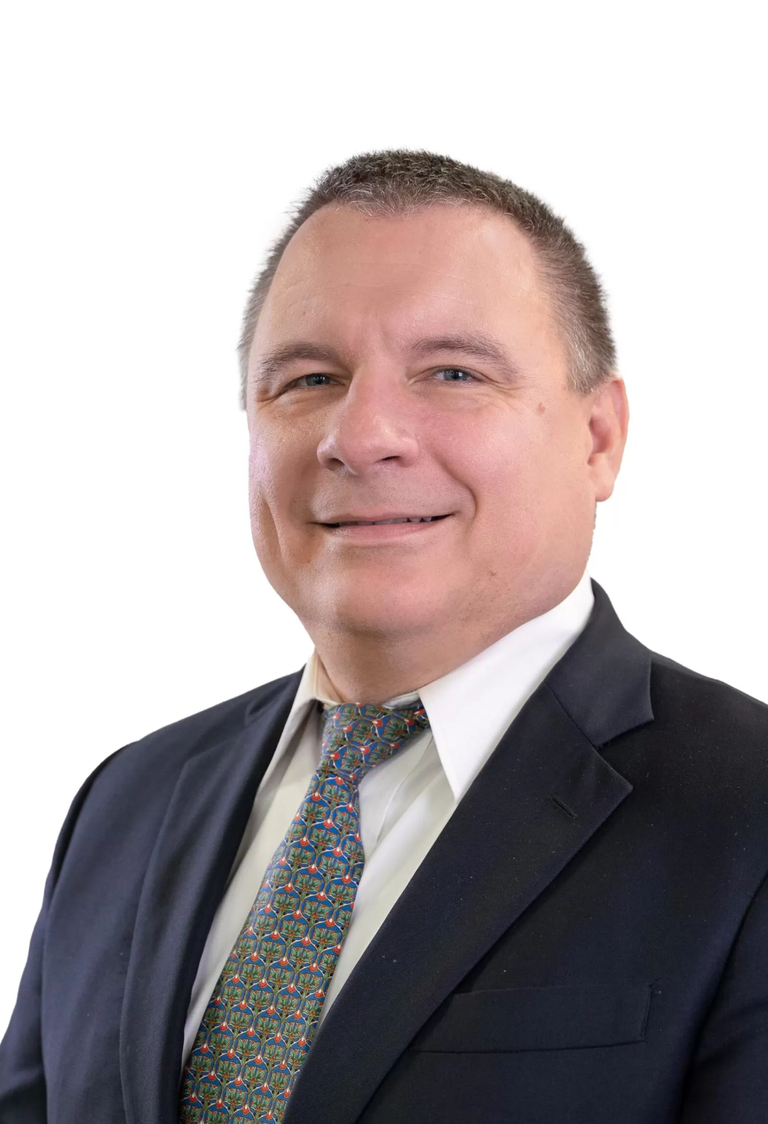
Roman Loonis, MD/PhD
BUCASM MD/PhD Class of 2019
Attending Neurologist at the Jamaica Plain Veterans Affairs Hospital
Associate Medical Director at Takeda
A Career Built on Curiosity and Flexibility
Roman Loonis’ journey from Boston University School of Medicine to his current leadership role in neurodegenerative drug development at Takeda is a testament to curiosity and adaptability. “Keeping an open mind about different career trajectories is critical,” Roman reflects. “If there’s any doubt, it never hurts to try something.” His willingness to explore new paths—from academia to clinical care to industry—has shaped a career that blends science, medicine, and innovation.
The Foundation at BU and BMC
Roman credits BU and Boston Medical Center for instilling values that continue to guide him. “BMC is dear to the heart. It serves underserved populations, really sees a variety of cases that no one else sees because it’s underserved and does a lot with little,” he says. That experience taught him the importance of equity in healthcare—a principle he now applies to clinical trial design: “It’s an important part of clinical trial design to reflect the diverse populations that are out there.”
Academic Rigor and Freedom
Roman’s PhD years in the Anatomy and Neurobiology Department were equally formative. “One really allowing and encouraging me to follow what I wanted to do… I never felt like a restriction,” he recalls. That flexibility led him to pursue research at MIT while maintaining strong ties to BU’s rigorous neuroscience curriculum. “There was a good academic rigor that I really appreciated,” he says, citing experiences like prosecting in the anatomy lab—where he not only deepened his understanding of neuroanatomy but also met his future wife while prosecting a human brain.
Translating Science into Impact
Today, Roman leads global clinical programs at Takeda, including trials for multiple system atrophy and partnerships in Alzheimer’s and frontotemporal dementia. “The MD’s role is really multifaceted in industry,” he explains. “You get to be involved in exciting discussions about targets, preclinical models, and how to translate them into trials.” His passion lies in neuroinflammation research, where he is helping advance first-in-human studies. “At the end of the day, the outcome isn’t theoretical—it’s potentially a drug for a patient.”
Lessons from the Underserved
Roman emphasizes that his time at BMC shaped his perspective on patient care and research. “You can have the perfect medical plan, but if the patient can’t follow it, it’s useless,” he says. That insight informs his work in industry, where he advocates for inclusive trial designs and collaborations that reflect real-world diversity. “BMC taught me to care about the underserved—and that’s something I carry forward.” Roman teaches neurology residents and students in his epilepsy clinic every Friday in the Jamaica Plain VA Hospital as part of his commitment to patient care “and to stay current”.
Advice for Future Physician-Scientists
Roman’s advice to students is simple yet profound: “Don’t get stuck. Be willing to change, even if it means renouncing what you’ve done in the past.” He acknowledges the anxiety that comes with change, sharing candidly: “I never had imposter syndrome in medicine, but I felt it when I joined industry. You get over it. No one expects you to be an expert immediately.” His story is a powerful reminder that flexibility, resilience, and a commitment to equity can open doors to unexpected and rewarding opportunities in science, medicine, and industry.