Cancer Center Leadership
Co-Directors

Julie R. Palmer, ScD, MPH
Karin Grunebaum Professor of Cancer Research
Department of Medicine and Epidemiology
Director, Slone Epidemiology Center
Dr. Palmer is a cancer epidemiologist, with research projects spanning cancer early detection, etiology, and survivorship. Her primary focus is on elucidating reasons for the disproportionately high incidence of hormone receptor negative breast cancer in U.S. Black women and reducing racial disparities in breast cancer mortality. She is a founding leader of the Black Women’s Health Study (BWHS), a prospective cohort study of 59,000 self-identified Black women who enrolled in 1995 and have been followed by biennial questionnaire since then.
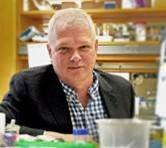
Gerald V. Denis, PhD
Shipley Professor of Medicine
Section of Hematology/Oncology
Department of Medicine
Dr. Denis is a molecular biologist with experience in chromatin control of transcription in cancer. His work explores functional links between abnormal metabolism, inflammation and progression of breast cancer and prostate cancer in patients with comorbid metabolic disease. The relevant pathways include cytokine/chemokine production in the immune cells that infiltrate the cancer microenvironment, which are important for immune exhaustion, chemoresistance and metastasis.
Associate Directors
Cancer Biology
|
Population Sciences
|
Biomedical Engineering
|
Translational Medicine
|





The BU-BMC Cancer Center includes four major thematic areas:
Cancer biology. Projects are related to cell cycle control, signaling, trafficking, exosome biology, genome integrity, telomere stability, tumor microenvironment, aging and inflammation in an array of important human tumor types and animal models.
Population sciences. Projects are relative to screening and screening eligibility for lung, breast, and colorectal cancer. A major focus is cancer etiology and outcomes in U.S. Black women, based onf data from the Black Women’s Health Study. Other innovative projects are related to communication of genetic risk, barriers to genetic literacy among underserved populations, and adoption and use of genetic testing.
Biomedical engineering. Projects center on use of engineering principles to develop novel technological platforms for diagnostics and therapeutic delivery systems for cancer.
Translational medicine, biomarkers, multi-omics. Projects integrate systems biology, machine learning, and bioinformatics approaches to investigate the molecular drivers of cancer, with the goals of earlier diagnosis and more effective treatments. We develop novel computational methodologies, and design experiments based on generation and integrative analysis of high-throughput multi-omics data, to identify novel therapeutic targets and develop accurate diagnostic and prognostic biomarkers.