Student Updates
BUSM Researcher Receives Grant to Examine Food Insecurity in Households with a Child with Special Healthcare Needs
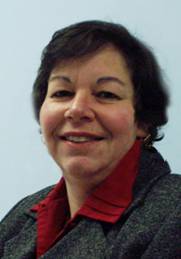
Ruth Rose-Jacobs, ScD, associate professor of pediatrics at Boston University School of Medicine (BUSM) and a research scientist at Boston Medical Center (BMC), has received funding for a two-year study to examine the association between the presence of young children with special healthcare needs in households and food insecurity. Rose-Jacobs, also a child development researcher with Children’s HealthWatch, is the principal investigator (PI) on this $249,984 grant awarded by the University of Kentucky’s Research Program on Childhood Hunger, which is funded by the United States Department of Agriculture (USDA) Food and Nutritional Service.
Children with special health care needs (SHCN) are children who have, or are at increased risk for a chronic physical, developmental, behavioral, or emotional condition and require health and related services of a type or amount beyond that required by children generally. The research project will examine the impact of having a young child with SHCN on child and/or household food insecurity in low-income households. Food insecurity is not being able to afford enough food for an active, healthy life for all household members. According to the National Survey of Children with Special Health Care Needs, approximately 15 percent of US children under the age of 17 have SHCN. Households with versus without a child with SHCN are more likely to live at or near the poverty level. The presence of a child with SHCN is associated with lower overall household adult employment due to the increased care needs of the child, which may be associated with family material hardships.
“We anticipate that households with a child with SHCN suffer disproportionately from food insecurity,” said Rose-Jacobs, who is one of three recipients of this two-year grant. “This study could have important implications for the expansion of food insecurity screening and inform practice in federal and state nutrition and non-nutrition assistance programs aimed at reducing food insecurity and other material hardships.”
The study will take place at safety-net hospitals in Baltimore, Boston, Little Rock, Ark., Minneapolis and Philadelphia.
In 2011, approximately 25 percent of American households with children under 6 years of age were food insecure at some point during the year, according to data from the USDA’s Economic Research Service. According to Children’s HealthWatch, children from food insecure households, when compared to those from food secure households, are 90 percent more likely to be reported in fair or poor health and are two thirds more likely to be at risk for developmental delays.
Read more about the study here.
Boston University’s National Emerging Infectious Diseases Laboratories Appoints Facilities Director
Charles (Chuck) N. Pantinas has joined the National Emerging Infectious Diseases Laboratories (NEIDL) as the facilities core director. In this role, Pantinas is responsible for the creation, maintenance and oversight of engineering standards and the ongoing design and commissioning of the NEIDL. In addition, Pantinas is tasked with continuing the development and implementation of network-wide standards and procedures. Pantinas’ primary function is focused on continued safe operation of the facility.
“We are pleased to have Chuck join our team as his experience lends itself quite well to NEIDL operations,” said John Murphy, PhD, interim NEIDL director. “Chuck will implement processes within the facility that will ensure continued safety and productivity.”
 Prior to his appointment, Pantinas served as a Lean Leader and Business Leader in Facilities and Technical Services leader within the aviation branch of General Electric. In these roles, he led optimization programs to improve productivity, flexibility and business processes in the plant service organization. He also directed the facilities and manufacturing engineering services group at GE Aviation’s Lynn River Works facility. Before his work at GE, Pantinas was a Group Manager of Facilities Services’ for more than 6 years at Procter and Gamble Company.
Pantinas holds a Master of Science in Engineering Management from Northeastern University and a Bachelor of Science in Marine Engineering from the Massachusetts Maritime Academy.
The National Emerging Infectious Diseases Laboratories is part of a national network of secure facilities studying infectious diseases that are—or have the potential to become—major public health concerns. The laboratories are dedicated to the development of diagnostics, vaccines, and treatments to combat emerging and re-emerging infectious diseases. The NEIDL adds to the growing life sciences industry in the region, throughout the Commonwealth of Massachusetts, and across the country.
Boston University’s National Emerging Infectious Diseases Laboratories (NEIDL) is part of a national network of secure facilities studying infectious diseases that are—or have the potential to become—major public health concerns. The 192,000-square-foot, seven-story facility, located on the Boston University Medical Campus, houses BSL-2, BSL-3 and BSL-4 laboratories dedicated to the development of diagnostics, vaccines, and treatments to combat emerging and re-emerging infectious diseases. Using state-of-the-art technologies developed to conduct research in safe and secure environments, the facility was designed and constructed with the highest attention to community and laboratory safety and security.
Researchers Show that CRF in the Amygdala is Responsible for Compulsive Overeating
Researchers from Laboratory of Addictive Disorders at Boston University School of Medicine (BUSM) have shown that direct injection in the amygdala, an area of the brain involved in anxiety, of a drug which inactivates corticotropin-releasing factor (CRF), a hormone key mediator of anxiety and stress, completely blocks both the compulsive overeating and the anxiety generated by abstinence from junk food. The results of this study were recently published in the journal Neuropsychopharmacology.
The researchers observed that “diet-cycling” increased CRF, a hormone key mediator of anxiety, in the amygdala, an area of the brain involved in processing of emotions and responses to stress.

“Diet-cycling produces an elevation of CRF in the amygdala; this hormone causes a negative emotional affect which in turn drives overeating” said senior study author Pietro Cottone, PhD, assistant professor of Pharmacology and Psychiatry at BUSM as well as co-director of the Laboratory of Addictive Disorders. “The changes we observe in the brain of diet cyclers are strikingly reminiscent of the ones seen in drug addicts.”
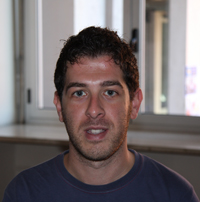
“In this study, we wanted to determine whether blocking one of the receptors to which CRF binds, CRF1, in the amygdala could block both the negative emotional response and the excessive eating of junk food” added Attilio Iemolo, postdoctoral fellow in the Laboratory of Addictive Disorder and first author of the study. Therefore, researchers administered a CRF1 blocker drug into the amygdala, and observed that the anxiety and compulsive eating of diet cyclers were gone.
Also contributing to this study were Angelo Blasio, PhD; Stephen St. Cyr, BA; Kenner Rice, PhD; Valentina Sabino, PhD. The Laboratory of Addictive Disorders at BUSM is continuing this line of research to better understand the neurobiology of compulsive eating, with the hope of ultimately developing new therapeutic agents for the treatment of eating disorders and obesity.
Funding for this study was provided by the National Institute of Mental Health, the National Institute on Drug Abuse and the National Institute on Alcohol Abuse and Alcoholism. In addition, funding was made available by the Peter Paul Career Development Professorship and by Boston University’s Undergraduate Research Opportunities Program.
Emergency Drill to be Conducted at National Emerging Infectious Diseases Laboratories
 On Wednesday, June 12 at approximately, 9 a.m., Boston University (BU) will conduct a full-scale emergency response drill at the National Emerging Infectious Diseases Laboratories (NEIDL) at 620 Albany Street. This drill is part of the NEIDL’s ongoing safety and training program for laboratory personnel and internal and external response officials.
This drill will simulate a security incident at the NEIDL. The participants in this exercise include: NEIDL operations staff and researchers, BU Public Safety, Boston Emergency Medical Services, Fire and Police Departments and the Boston Public Health Commission.
While the drill will have no affect or impact on neighborhood traffic, there will be a number of local emergency response vehicles parked at the NEIDL.
Following this exercise, all participants will convene to review and critique the response in order to continuously improve response and training.
BSL-4 research is not being conducted at the NEIDL now and will not commence until the completion of several regulatory and judicial steps.
Neurochemical Traffic Signals May Open New Avenues for the Treatment of Schizophrenia
Researchers at Boston University School of Medicine (BUSM) have uncovered important clues about a biochemical pathway in the brain that may one day expand treatment options for schizophrenia. The study, published online in the journal Molecular Pharmacology, was led by faculty within the department of pharmacology and experimental therapeutics at BUSM.
Patients with schizophrenia suffer from a life-long condition that can produce delusions, disordered thinking, and breaks with reality. A number of treatments are available for schizophrenia, but many patients do not respond to these therapies or experience side effects that limit their use.
This research focused on key components of the brain known as NMDA receptors. These receptors are located on nerve cells in the brain and serve as biochemical gates that allow calcium ions (electrical charges) to enter the cell when a neurotransmitter, such as glutamate, binds to the receptor. Proper activation of these receptors is critical for sensory perception, memory and learning, including the transfer of short-term memory into long-term storage. Patients with schizophrenia have poorly functioning or “hypoactive” NMDA receptors, suggesting the possibility of treatment with drugs that positively affect these receptors. Currently the only way to enhance NMDA receptor function is through the use of agents called agonists that directly bind to the receptor on the outer surface of the cell, opening the gates to calcium ions outside the cell.
In this study, the researchers discovered a novel “non-canonical” pathway in which NMDA receptors residing inside the cell are stimulated by a neuroactive steroid to migrate to the cell surface (a process known as trafficking), thus increasing the number of receptors available for glutamate activation. The researchers treated neural cells from the cerebral cortex with the novel steroid pregnenolone sulfate (PregS) and found that the number of working NMDA receptors on the cell surface increased by 60 to 100 percent within 10 minutes. The exact mechanism by which this occurs is not completely clear, but it appears that PregS increases calcium ions within the cell, which in turn produces a green light signal for more frequent trafficking of NMDA receptors to the cell surface.
Although still in the early stages, further research in this area may be instrumental in the development of treatments not only for schizophrenia, but also for other conditions associated with malfunctioning NMDA receptors, such as age-related decreases in memory and learning ability.
View the paper online here: http://molpharm.aspetjournals.org/content/early/2013/05/28/mol.113.085696.full.pdf+html
Citation Information: Emmanuel Kostakis, Conor Smith, Ming-Kuei Jang, Stella C. Martin, Kyle G. Richards, Shelley J. Russek, Terrell T. Gibbs, David H. Farb. The neuroactive steroid pregnenolone sulfate stimulates trafficking of functional NMDA receptors to the cell surface via a non-canonical G-protein and Ca++ dependent mechanism.
Promotions on the Medical Campus
Associate professorships go to seven faculty

Seven Boston University Medical Campus faculty members have been recently promoted to the rank of associate professor. Noted for their outstanding research and exemplary teaching, these men and women, one from the School of Public Health and six from the School of Medicine, have made valuable contributions to the understanding and treatment of pneumonia, sexually transmitted diseases, acute stroke, gastrointestinal cancer, renal disease, anticoagulation therapy, and new targets for potential antivirals.
“Achieving the rank of associate professor recognizes the major contributions of these faculty members and their national, and in some cases, international reputations,” says Karen Antman, provost of the Medical Campus and dean of MED. “We are exceedingly pleased to have such outstanding faculty on our campus.”
Faculty are selected for promotion based on the quality of the research and scholarship conducted in their classrooms and laboratories. While tenure is not granted to faculty on the Medical Campus, being promoted to associate professor is equal to being on the tenure track.
Matthew Fox (SPH’02,’07), an SPH associate professor of epidemiology and a member of the University’s Center for Global Health and Development (CGHD), focuses on the treatment of childhood pneumonia. His recommendation for treating pneumonia in underserved populations with outpatient therapy administered by community health workers was influential in convincing the World Health Organization (WHO) to change its policy for treating the disease. His publications on HIV/AIDS protocols have been instrumental in changing public policy decisions for the South African national AIDS program. A six-time SPH teaching award winner, Fox is highly regarded for his ability to communicate challenging concepts and epidemiological methods. His favorite part of teaching, he says, is the “energy students bring” to the classroom. They have a “willingness to think about problems in a new way and apply difficult concepts to real-world problems.”
Fox says his promotion to associate professor is “recognition by the University” of his team’s work at the CGHD and in SPH’s department of epidemiology.
An expert on human papilloma virus (HPV) prevention, Katherine Hsu is a MED associate professor of pediatrics, director of the STD/HIV Prevention Training Center of New England, and cochair of the National Network of STD/HIV Prevention Training Centers. Hsu says her job as a pediatric infectious disease specialist has been made easier as people have become better educated about HPV. She also points to the now “universally recommended vaccine” that can prevent “this way-too-common sexually transmissible infection,” as another factor that has helped to significantly reduce transmission of HPV.
Nevertheless, she says, the challenge is getting young people to be vaccinated before what she refers to as their “sexual debut,” since the three-dose series has proven to be most effective when administered before the start of sexual activity. Too often “patients don’t come back on time for the second and third doses,” Hsu says, either because of forgetfulness or avoidance. She cites studies that show the “real-world impact of this vaccine is going to be as predicted—a reduction in the incidence of genital warts and anogenital precancerous lesions,” and other possible benefits, such as “a reduction in oral cancers that are now known to be related to HPV type 16, which is one of the types of HPV the vaccine protects against.”
Hsu also is medical director of the Division of Sexually Transmitted Diseases/Prevention at the Massachusetts Department of Public Health, is a member of the Division of Pediatric Infectious Diseases at MED and Boston Medical Center (BMC), and is involved in ongoing studies of invasive pneumococcal disease and pneumococcal ecology.
“The promotion represents another milestone in my career,” she says. “It is really nice to pause and have BU recognize my accomplishments to date.”
As well as Fox and Hsu, the following have been recently promoted to associate professor.
John H. Connor, MED associate professor of microbiology
Connor was recruited to MED in 2006 as a young virologist and was one of the first winners of a Peter Paul Career Development Award. Connor’s research has identified new targets for potential antivirals. He has a number of National Institutes of Health http://www.nih.gov/ –funded collaborations with College of Engineering faculty to develop, among other things, sensors for viral surveillance and diagnostics.
Weining Lu, MED associate professor of nephrology
Appointed to the renal section of the department of medicine in 2004 with a mandate to develop an independent research program, Lu heads the Kidney Development and Congenital Anomalies of the Kidney and Urinary Tract laboratory. A molecular and developmental biologist, his research focuses on the molecular and genetic basis of renal disease and urinary tract developmental abnormalities. Considered a rising star in his field, he has received international recognition for his work identifying the Robo2 gene related to vericoureteral reflux, an abnormality of the urinary system, and his discovery of a change in chromosome 17 related to urinary tract abnormalities.
Thanh Nguyen, MED associate professor of neurology, neurosurgery, and radiology
Nguyen is director of interventional neuroradiology and interventional neurology at BMC and a member of the vascular neurology service in the department of neurology. In addition, she developed and currently directs the endovascular surgical neuroradiology fellowship.
The author of 45 peer-reviewed publications, Nguyen does research involving outcomes of endovascular therapy for acute stroke, intracranial atherosclerotic disease, aneurysm coiling, and cerebrovascular dissection. She says she enjoys “seeing students progress and gain independence in developing their own research ideas through their own curiosity and a passion for learning,” something that she experiences as she leads medical students and residents on rounds and lectures on neuroradiology and neurointervention. Nguyen is also an accomplished, prize-winning concert pianist.
Adam Rose, MED associate professor of general internal medicine
Rose’s research seeks to improve patient outcomes by improving oral anticoagulation therapy (OAT), which millions of Americans receive each year to prevent morbid or fatal adverse events such as stroke, venous thromoboembolism, and major hemorrhages. His work has provided a greater understanding of how to measure and improve the quality of care in OAT. Largely credited with creating the field, his work is changing clinical practice. With the recent award of a four-year Veterans Affairs (VA) grant, he will be testing his findings to improve performance among VA anticoagulation clinics in the New England region. Rose is also deputy editor of the Journal of General Internal Medicine.
Satish Singh, MED associate professor of gastroenterology
Noted for his translational research, Singh (CAS’87, MED’87) has worked to develop better tools for detecting gastrointestinal cancer, such as adding fiber optics to standard endoscopy tools to make it easier to distinguish normal from abnormal tissue in the field. He is also internationally recognized for his research on intestinal transport. A contributor to a number of influential textbooks, Singh has published seminal articles in a number of professional publications. He has received numerous awards, including the Miles and Shirley Fiterman Basic Research Award from the American Gastroenterological Association, the Center for Integration of Medicine & Innovative Technology’s Career Development Award, and two MED research awards.
This BU Today story was written by Amy Laskowski.
BUSM, BMC Nephrologist, Researcher Honored by International Society of Nephrology
 David J. Salant, MD, professor of medicine, pathology and laboratory medicine at Boston University School of Medicine (BUSM) and chief of the section of nephrology at Boston Medical Center (BMC) has been named the recipient of the 2013 Jean Hamburger Award from the International Society of Nephrology (ISN). The award was presented at the World Congress of Nephrology in Hong Kong on June 1.
The Jean Hamburger Award recognizes outstanding research in nephrology with a clinical emphasis. The award was established in memory of Jean Hamburger, the “Professeuer de Paris,” pioneer of clinical nephrology and founding president of the ISN.
The International Society of Nephrology is dedicated to advancing the diagnosis, treatment, and prevention of kidney diseases in the developing and developed world. The society aspires to eliminate kidney disease worldwide.
“Beginning with basic research in experimental models, we now made the recent discovery of a major target antigen in a common form of autoimmune glomerular disease,” said Salant. “This award really recognizes the contributions of a succession of outstanding colleagues and fellows at BUSM over the past three decades.”
Salant has written several key papers on immunological kidney diseases, as well as editorials, reviews and book chapters on glomerular diseases and vasculitis of the kidney. He has delivered keynote lectures at major scientific congresses and he served as chairman of the American Board of Internal Medicine Subspecialty Board of Examiners in Nephrology.
Salant earned his medical degree from the University of the Witwatersrand in Johannesburg, South Africa. He completed his residency at Johannesburg General Hospital, where he also gained extensive experience in renal transplantation, dialysis and other aspects of clinical nephrology before coming to BMC and BUSM. He also is director of the renal training program at BUSM.
Your Teens Online
SPH prof: what you don’t know could hurt them
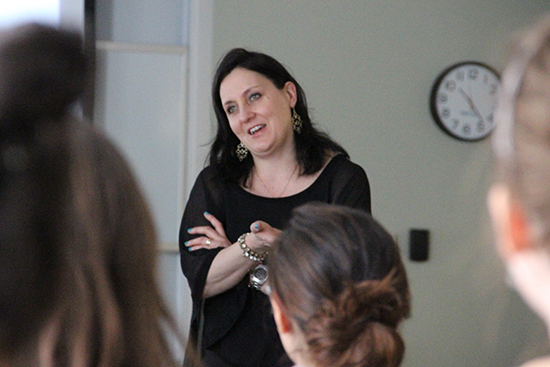
Sophie Godley, an SPH clinical assistant professor, teaches a course titled Safer Sex in the City: From Science to Policy. Photo by Michael Saunders
By the time they reach adolescence, most children are familiar with the perils of driving a car: they’ve been harnessed into car seats and squeezed into seat belts, witnessed near-collisions, and heard their parents bemoan careless drivers.
And yet when kids log on to the internet for the first time, it is rare that they have received anything close to that level of parental guidance.
“We would never put a child in a driver’s seat and just say, ‘OK, go,’” says adolescent health and sexual health expert Sophie Godley. “We have constant conversations. We model behavior for them.”
Not so with laptops and smartphones, which have become so ubiquitous among tweens and teens that parents and school officials are scrambling to keep up. Studies indicate that close to 80 percent of young people between 13 and 17 have cell phones, and 71 percent of 12-to-17-year-olds report using social networks. A recent study found that about one in five students between 15 and 18 say they have sent a nude or seminude picture or video, or a sexual text message, to another person.
Godley (SPH’15), a School of Public Health clinical assistant professor of community health sciences, has been issuing a call to action to campus, community, and parent groups: if parents and other caregivers don’t guide their children through cyberspace, with its vast trove of sexual content, they may find themselves in confusing—even potentially dangerous—situations.
“If you don’t talk to your children about sex and sexuality and body image and behavior, other people will,” Godley says. “We can’t compete with these messages in one 20-minute health class in ninth grade. It’s not going to happen.”
BU Today sat down with Godley, who recently received SPH’s 2013 Educational Innovation Award recognizing creative approaches to teaching, to discuss the risks adolescents face and the best practices for social networking.
BU Today: Assuming you’re a responsible user of Facebook, what kind of risks does social networking pose?
Godley: Social networking has completely changed the way teens and young adults interact with one another. For one thing, there is a public nature to what used to be private conversations. I don’t think there is evidence that social networking increases bullying, but it makes it very public. The shaming, teasing, tormenting is all public fodder—and there is no space for private anguish. Teens also never get away from it—you don’t go home from school and get away from people who are being hateful. They are still with you—on your computer, on your smartphone.
The other real issue beyond bullying is that teens have a natural inclination to believe they are the stars of the party—always on stage. So, Facebook, formspring, tumblr, and other sites become a natural extension of that drive to overshare and expose themselves. We need to support teens to make wise choices about how much they put online about themselves.
Beyond Facebook, what worries you most about teens having open access to the internet?
I worry a lot about teens’ and children’s first images of sexuality coming from the billion-dollar porn industry. It’s one thing to encounter porn as an adult, but it’s completely different for a young person to be bombarded with completely unrealistic fantasy, male-view sexuality. There are implications here—boys and men start to have expectations about how women and girls are going to behave and how they are going to look. And young girls internalize those images of what it means to be female and start to think they have to behave and look that way, too.
I always say to adults and parents who work with and support teens that as adults, we know that sometimes sex is messy or awkward or funny, or that our noses bump when we kiss—but in pornography, that is all stylized and vanishes. Only the genitals touch in pornography, in order for the camera to get the best “shot.” Is that really what we want our young people to think sex is like—devoid of loving touches, or hugging, or holding?
Do you think a young person’s ideas of sexuality can be shaped by what they see online?
I think there is a grave danger in setting up expectations for young people that sex is going to be like what they see in pornography. I think the expectations for gender roles are enormously troubling. And we are not talking about brief, fleeting images. We are talking about relentless, 24-hour-a-day images that are reinforced in TV, music videos, popular music, video games, movies, and other online images. The media is oversexualized, and deeply sexist.
Do you see any benefits to a young teenager engaging in social networking, or is it better for a parent to try to prohibit it altogether?
I’m not saying in any way to outright ban online social interactions for young people. Instead, I think we need to think of the internet, and social networking in particular, as a new city.
As a parent or an aunt or an older brother, you would never take your 12-year-old to the edge of a new city, drop them off, and wish them luck. You would go with them, show them around, give them a number to call if they get lost or scared. You’d warn them about the places to stay away from, the areas that might be fun, the areas that are confusing. You might even have rules about how long they can go into this city and where they can visit. You might decide you have to go with them the first few times they venture in.
On the positive side, the internet has provided a safe space for some acutely vulnerable young people to build community. Young people who are coming out sexually and live in rural or isolated places can find other young questioning people to connect to and reach out to. We’ve seen movements such as It Gets Better http://www.itgetsbetter.org/ by Dan Savage that show young people positive role models, to counter negative images they may be getting at home or at school. So there is definitely a positive side, as well.
What steps can parents take to make sure their tween or teen is using the internet safely?
I would strongly recommend bringing the computer out of the bedroom and back into the kitchen, where parents, other children, other adults are interacting and walking by. The internet use can be monitored, and the expectations can be clear.
I say wait as long as possible on the smartphone. You are essentially putting a new universe in your child’s pocket. They need to show you they can handle that world, and all its temptations, before you give it to them.
This BU Today story was written by Lisa Chedekel. She can be reached at chedekel@bu.edu.
Child Care Openings on BUMC for Infants, Toddlers, Preschoolers
Little Sprouts an early-education and child care school on the ground floor of the Medical Student Residence at 815 Albany St., will be accepting infants in mid-June, in addition to toddlers and preschoolers already enrolled in the school. Priority will be given to BU Medical Campus employees and students, members of the BUMC Residency Programs, BU Charles River Campus employees and Boston Medical Center employees, in this order. The BU Medical Campus school is open from 7 a.m.-7 p.m., Monday through Friday.
 Infants from four weeks to 15 months old can be enrolled at Little Sprouts, where the teacher to infant ratio is 2:7. Infant classrooms are designed to create a smooth, easy transition from home to school. Little Sprouts believes that humans develop more in the first two years of life than at any other time, which is why Little Sprouts educators engage infants with activities that stimulate them. Individualized schedules, nurturing caregivers and safe classrooms ensure that Little Sprouts baby's days are enriching.

Little Sprouts Budding Scholars Approach promises parents that their child will graduate a Budding Scholar— early reading proficient and prepared for lifelong academic success. According to Little Sprouts, this is based on the most effective teaching methodologies and designed with their 30 years of experience. Their proprietary Approach enriches every child by focusing on four key areas: the Citizen, the Scholar, the Mind, and the Body. Little Sprouts goal is to position each child for success in Kindergarten, entering at third grade reading proficiency, and to inspire a lifelong love of learning and discovery .
Deb Johnston-Malden is the Executive Director at the BUMC Little Sprouts. She has worked in the field of early care and education for over 30 years; with experience in group and family child care, NAEYC accreditation mentor, CDA trainer and advisor, higher education administrator and adjunct instructor at Wheelock College and the University of Massachusetts/ Boston. Johnston-Malden earned her MA from Wheelock College and BA from Simmons College.
“I am elated to be part of the Little Sprouts BUMC family and am excited to get to know each and every family that we educate at the BUMC School. I am also looking forward to welcoming new students into the BUMC Little Sprouts family in the near future,” explained Johnston-Malden.
Call Little Sprouts at 1-877-977-7688 to schedule a time to tour the school or visit Little Sprouts at http://www.littlesprouts.com/
Researchers Identify Novel Approach To Create Red Blood Cells, Platelets In Vitro
Finding could reduce need for blood donations, speed up research on therapies to treat diseases

A study led by Boston University School of Medicine has identified a novel approach to create an unlimited number of human red blood cells and platelets in vitro. In collaboration with Boston University School of Public Health (BUSPH) and Boston Medical Center (BMC), the researchers differentiated induced pluripotent stem (iPS) cells into these cell types, which are typically obtained through blood donations. This finding could potentially reduce the need for blood donations to treat patients requiring blood transfusions and could help researchers examine novel therapeutic targets to treat a variety of diseases, including sickle cell disease.
Published online in the journal Blood, the study was led by George J. Murphy, PhD, assistant professor of medicine at BUSM and co-director of the Center for Regenerative Medicine (CReM) at Boston University and BMC and performed in collaboration with David Sherr, PhD, a professor in environmental health at BUSM and BUSPH.
iPS cells are derived by reprogramming adult cells into a primitive stem cell state that are capable of differentiating into different types of cells. iPS cells can be generated from mature somatic cells, such as skin or blood cells, allowing for the development of patient-specific cells and tissues that should not elicit inappropriate immune responses, making them a powerful tool for biological research and a resource for regenerative medicine.
In this study, the iPS cells were obtained from the CReM iPS Cell Bank. The cells were exposed to growth factors in order to coax them to differentiate into red blood cells and platelets using a patented technology. These stem cells were examined in depth to study how blood cells form in order to further the understanding of how this process is regulated in the body.
In their new approach, the team added compounds that modulate the aryl hydrocarbon receptor (AhR) pathway. Previous research has shown this pathway to be involved in the promotion of cancer cell development via its interactions with environmental toxins. In this study, however, the team noted an exponential increase in the production of functional red blood cells and platelets in a short period of time, suggesting that AhR plays an important role in normal blood cell development.
“This finding has enabled us to overcome a major hurdle in terms of being able to produce enough of these cells to have a potential therapeutic impact both in the lab and, down the line, in patients,” said Murphy. “Additionally, our work suggests that AhR has a very important biological function in how blood cells form in the body.”
Blood transfusion is an indispensable cell therapy and the safety and adequacy of the blood supply is an international concern. In 2009, the National Blood Data Resource Center reported that blood-banking institutions collected more than 17 million units of whole blood and red blood cells and US hospitals were transfusing more than 15 million patients annually. Given the variety of blood types, there are – even in developed countries – chronic shortages of blood for some groups of patients. Sporadic shortages of blood also can occur in association with natural or man-made disasters. The number of blood transfusions is expected to increase in people over the age of 60 and could lead to an insufficient blood supply by 2050.
“Patient-specific red blood cells and platelets derived from iPS cells, which would solve problems related to immunogenicity and contamination, could potentially be used therapeutically and decrease the anticipated shortage and the need for blood donations,” added Murphy.
iPS-derived cells have great potential to lead to a variety of novel treatments for diseases given that they can be used to construct disease models in a lab. The iPS-derived red blood cells could be used by researchers examining malaria and sickle cell anemia while the iPS-derived platelets could be used to explore cardiovascular disease and treatments for blood clotting disorders.
Funding for this study was provided in part by the National Institutes of Health’s (NIH) National Heart, Lung, and Blood Institute (NHLBI) under grant award number U01 HL107443-01; a Scholar Award from the American Society of Hematology; an Affinity Research Collaborative award from the Evans Center for Interdisciplinary Research at BU; a training grant from the NIH’s NLHBI under award number 5T32HL007501-30; the NIH’s National Institute of Environmental Health Sciences under grant award numbers P01-ES11624 and P42ES007381; and the Art beCAUSE Breast Cancer Foundation.
To view an abstract of the study, visit http://bloodjournal.hematologylibrary.org/content/early/2013/05/29/blood-2012-11-466722.abstract.