Student Updates
BU Epidemiologist Honored by the American Journal of Epidemiology and the Society for Epidemiologic Research
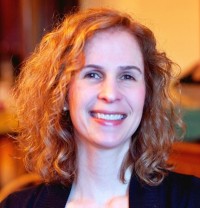
The American Journal of Epidemiology (AJE) and the Society for Epidemiologic Research (SER) has selected an article written by Lauren A. Wise, ScD, a senior epidemiologist at BU’s Slone Epidemiology Center and an associate professor of epidemiology at BUSPH, among the 2013 Articles of the Year, a newly created award sponsored jointly by the AJE and SER.
The article “Is the Observed Association Between Dairy Intake and Fibroids in African Americans Explained by Genetic Ancestry?” was chosen by the editors of the Journal, to represent scholarship that is truly distinguished. A list of all 10 2013 Articles of the Year will be released online in January and will appear in the February 15, 2014, issue of the Journal. In addition, all Articles of the Year awardees will be formally recognized at SER’s 47th Annual Meeting in Seattle Washington, in June.
Wise joined the Department of Epidemiology in 2004 after completing her ScD degree at the Harvard School of Public Health. She has an interest in reproductive epidemiology. Her research has involved the study of benign gynecologic conditions and delayed time-to-pregnancy in women. Wise is co-investigator of the Black Women’s Health Study, a nationwide prospective cohort study of more than 59,000 African-American women. She is principal investigator of NICHD-funded studies examining the influence of diet, genetics, and psychosocial factors on risk of uterine fibroids in African-American women. She is also Principal Investigator of Boston University Pregnancy Study Online (PRESTO), an Internet-based prospective study of time-to-pregnancy.
Consequences of Malnutrition May Be Reversible Later in Childhood
SPH study challenges conventional wisdom

Experts have long maintained that the damage children suffer if malnourished during gestation and in the first two years of life—commonly referred to as the 1,000-day window of opportunity—is irreversible and cannot be offset by interventions later in childhood.
But a new study coauthored by a BU School of Public Health researcher calls that assertion into question. The study, published online in the American Journal of Clinical Nutrition, looks at the long-term impact of chronic undernutrition, called stunting, which refers to a child who is short for his age.
The researchers found that children who were stunted at one year of age were often behind in school at age eight and scored lower on cognitive tests than their counterparts who were not stunted at age one. But children who experienced “catch-up” growth—stunted at one year of age, but recovered by age eight—were more likely to be in age-appropriate classes at age eight and to have higher scores on standard tests of cognition when compared to children who remained relatively short.
The researchers concluded that improvements in growth among children who were stunted at a young age might have significant benefits for schooling and performance on tests of cognition.
Study coauthor Kirk Dearden, an SPH associate professor of international health and a researcher with the BU Center for Global Health & Development, says the findings indicate that interventions that improve nutritional status and offer early childhood stimulation—even after the first two years of life—may help to counter the effects of early stunting.
“We’re saying, ‘Prioritize children’s nutrition in the first 1,000 days, but don’t give up after that,’” says Dearden, who is the principal investigator of National Institutes of Health–funded research at SPH that examines nutrition, schooling, and cognition. “There’s potential for children to catch up in growth, learning, and cognition. Just because infants aren’t doing well in the first year or so doesn’t mean it’s over.”
The large-scale study examined the relationship between growth recovery and cognitive abilities among 8,000 children in Ethiopia, India, Peru, and Vietnam enrolled in the Young Lives study, which researches child well-being in the developing world. Dearden’s work is designed to evaluate connections among postinfancy nutritional status, physical growth, school enrollment, and cognitive achievements in mathematics, reading, and vocabulary.
Worldwide, 19,000 children under the age of five die every day, and malnutrition is a contributing factor in about 5,500 of those deaths. Stunting is particularly problematic in Sub-Saharan Africa and South Asia. About 38 percent of all children in both regions are stunted.
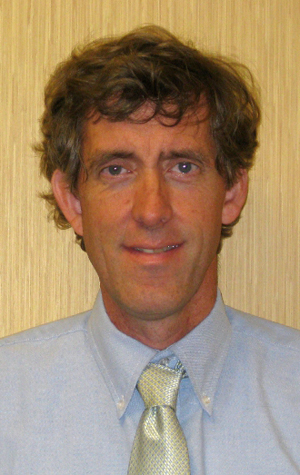
SPH’s Kirk Dearden is coauthor of a study that found it’s possible for children who suffered from malnutrition during their first two years of life to catch up in growth, learning, and cognition. Photo courtesy of BU Center for Global Health & Development
SPH’s Kirk Dearden is coauthor of a study that found it’s possible for children who suffered from malnutrition during their first two years of life to catch up in growth, learning, and cognition. Photo courtesy of BU Center for Global Health & Development
SPH’s Kirk Dearden is coauthor of a study that found it’s possible for children who suffered from malnutrition during their first two years of life to catch up in growth, learning, and cognition. Photo courtesy of BU Center for Global Health & Development
Because malnutrition is a key factor in stunting, Dearden says, the study findings reinforce the need to prevent “nutritional insults” in early life, while also emphasizing the importance of promoting child growth beyond the first two years.
Dearden says that while good nutrition in infancy is critical, interventions to improve nutrition of preschool and primary school–aged children also merit serious attention. Diet, hygiene, access to clean water, and sanitation all factor into nutrition.
“Under the assumption that infants are breast-feeding, it’s critical to make sure that children get healthy foods—meats, chicken, and eggs—as soon as exclusive breastfeeding ends, at about six months of age,” Dearden says.
Also important is guarding against chronic or recurrent infections, sometimes in combination with intestinal parasites, which also can contribute to stunting.
“Height is a manifestation of both nutrition and sickness over time,” Dearden says, explaining that genetic differences in height generally do not materialize until puberty. The study shows that “the window of opportunity for intervention may not be as limited as it appeared,” in terms of a child’s age.
Dearden has conducted previous research on malnutrition, with an emphasis on identifying the impact of interventions on nutritional health. Programs he has evaluated include social marketing, breast-feeding support groups, and peer mentoring, among others. Those findings are important in determining which interventions are most effective in reducing malnutrition among children.
Dearden has just returned from a two-year assignment in Nepal, where he directed a large-scale nutrition intervention program.
The new study was led by Benjamin T. Crookston of Brigham Young University and was supported by grants from the Bill & Melinda Gates Foundation, the Eunice Kennedy Shriver National Institute of Child Health and Development, and Grand Challenges Canada.
This BU Today story was written by Lisa Chedekel. She can be reached at chedekel@bu.edu.
BUSM Professor Receives the Jerome Klein Award for Physician Excellence
Edward Alexander, MD, professor of medicine and physiology at Boston University School of Medicine (BUSM) and a nephrologist at Boston Medical Center (BMC), has been named the 2013 recipient of the Jerome Klein Award for Physician Excellence. Selected by a senior committee of BMC and BUSM physicians, the award was presented at the Medical Executive Committee meeting on Dec. 13by Ravin Davidoff, MD, Chief Medical Officer of BMC.
“I am very honored to receive this award,” said Alexander. “I have been blessed to work at an institution I cherish and with colleagues, residents and students who have continually challenged me and demanded my best,” he added.
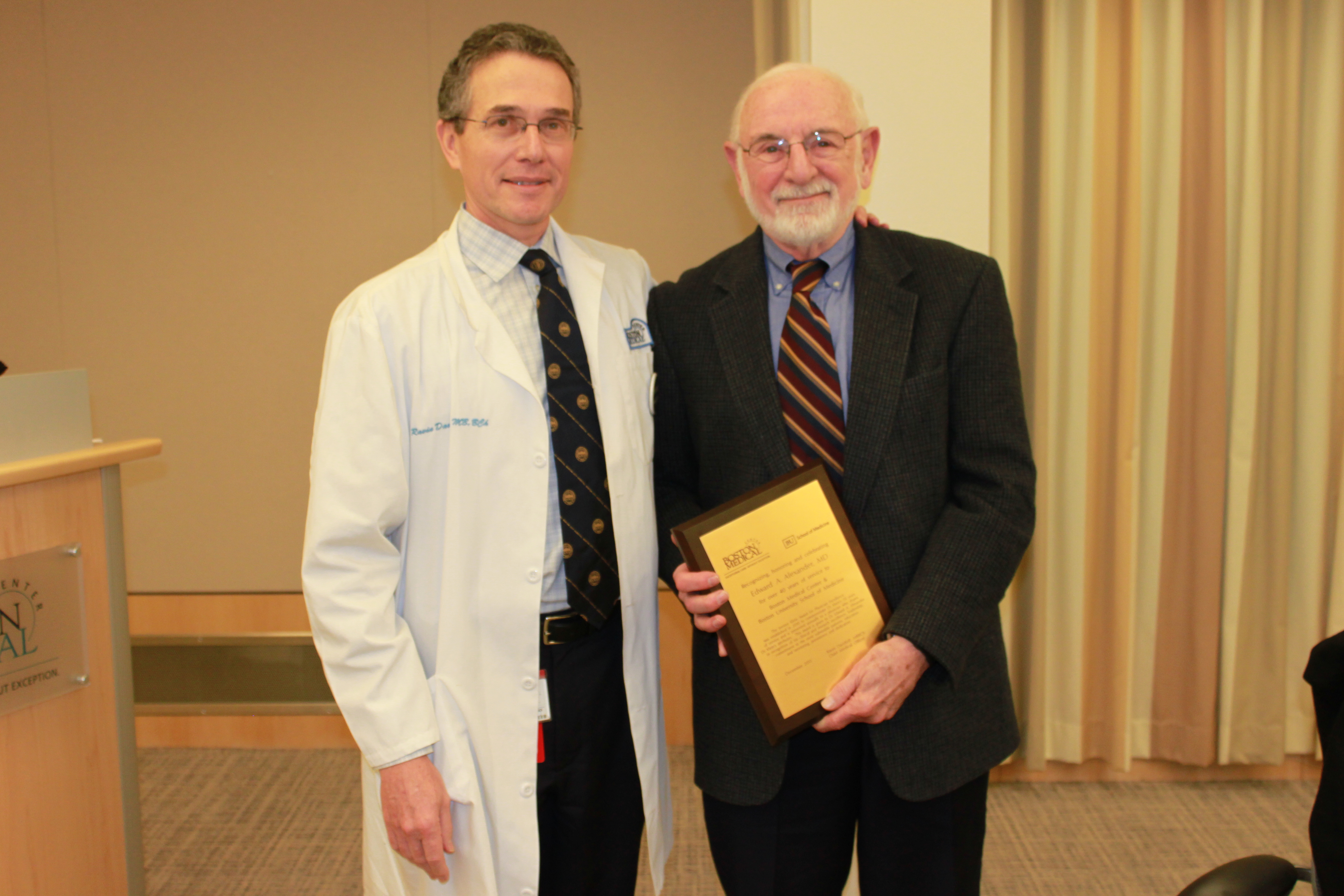 Edward Alexander, MD, (right) receives the Jerome Klein Award for Physician Excellence from Dr. Ravin Davidoff, Chief Medical Officer (left) at BMC.
The Jerome Klein Award was established in 2010 to commemorate Klein’s 50 years of service to BMC/BUSM and is presented annually to a physician who shares his attributes. Alexander, who has served the BMC/BUSM community for more than 40 years, received this recognition for his clinical and research excellence, leadership and dedicated commitment to education and mentoring.
“Ed is a wonderful role model. He deserves this award, not only for longevity, but for his unfailing commitment to excellence and his selfless devotion to the former Boston City Hospital, BMC and BUSM,” said David Salant, MD, Chief of Nephrology at BMC and Professor of Medicine at BUSM.
Serving as chief of nephrology for 25 years at the former Boston City Hospital, now BMC, Alexander is a member of the American Society of Nephrology, the International Society of Nephrology, the American Society of Clinical Investigation and is a fellow of the American College of Physicians. He is the recipient of an Outstanding Teaching Award and the Evans Outstanding Clinician Award from BUSM’s Department of Medicine.
He has authored several book chapters in clinical nephrology and published extensively in several areas of research including renal acidification mechanisms, electrolyte excretion, the relation of the adrenal and the kidney to hypertension and the effects of aging and of pregnancy on renal function.
Alexander earned his bachelor’s degree in biological sciences from Rutgers University and his medical degree from Northwestern University Medical School. He completed his internship and junior residency at Kings County Hospital in Brooklyn and then served as Captain in the U.S. Army Medical Corps. His senior residency was at Boston City Hospital followed by a nephrology fellowship at BMC and a physiology fellowship at Yale Medical School.
Jan. 17 Workshop: Bridging Clinical, Teaching and Scientific Roles in the New Healthcare Landscape
Bridging Clinical, Teaching and Scientific Roles in the New Healthcare Landscape, to be held Jan. 17 at Bedford VA, is a program for BU/VA faculty, staff and researchers designed around the theme of the Affordable Care Act. The eighth in a series sponsored by BU Sponsored Programs and Bedford VA Research Service to assist and orient faculty in their research careers. Guest speakers and topics include:
The Bedford VA-BU Academic Partnership: Faculty Leadership in Research and Education in Health Services for Veterans
Karen H. Antman, MD (view profile), BUMC Provost and BUSM Dean
How Might the Evolving Health Care Environment Affect the VA?
Alan P. Sager, PhD (view profile), BUSPH Professor of Health Policy and Management
Personal Reflections on Establishing a Successful Career in Clinical Research: 35 Years on a Roller Coaster
Domenic Ciraulo, MD (view profile), BUSM Professor of Psychiatry
Interdisciplinary Perspectives on Educational Development, Mentoring, Supervision
Andrew E. Budson, MD (view profile), BUSM Professor of Neurology and Associate Chief of Staff for Education, Boston VA
- Date: Friday, Jan. 17, 8 a.m.-Noon
- Location: Building 9 Conference Room, Bedford VA
- Parking: outdoor on VA premises at 200 Springs Road, Bedford, Mass.
- Contact: Kirsten Levy (klevy@bu.edu) or Dan Berlowitz (dan.berlowitz@va.gov)
- Breakfast will be served at 7:45 a.m.
Submitted by Kirsten Levy.
BUSM Researcher Receives Grant from CURE

Shelley J. Russek, PhD, professor of pharmacology at Boston University School of Medicine (BUSM), and director of the School’s Graduate Program for Neuroscience, was recently honored with an award from the CURE (Citizens United for Research in Epilepsy) Foundation. The prestigious award, given as well to her colleague Amy Brooks-Kayal, MD, from University of Colorado Denver, will fund research studies for new drugs for epilepsy treatment.
Approximately 65 million people worldwide have epilepsy. Although certain brain injuries are known to predispose someone to epilepsy, there are no treatments that reduce this risk. Russek and her colleagues have found that an important cellular signaling pathway, the JAK/STAT pathway, is activated after brain injuries that lead to epilepsy, and that inhibiting this activation reduces subsequent seizure frequency in an experimental model. “We expect to identify lead JAK/STAT inhibitors that can be advanced towards clinical testing to prevent or inhibit development of acquired epilepsy following brain injury,” explained Russek.
CURE was founded by parents of children with epilepsy who were frustrated with their inability to protect their children from the devastation of seizures and the side effects of medications. Unwilling to sit back and accept the debilitating effects of epilepsy, these parents joined forces to spearhead the search for a cure. Each year, grants are funded based on promising trends in the field and the potential for breakthroughs in a specified area. Russek was selected with the assistance of the CURE Scientific Advisory Board, the Lay Review Council, and the scientific peer reviewers who generously volunteer their time to CURE.
CURE has raised more than $26 million to fund research and other initiatives. CURE funds seed grants to young and established investigators to explore new areas and collect the data necessary to apply for further funding by the National Institutes of Health. To date, CURE has awarded 151 cutting-edge projects.
BUSM Student Maya Woodbury Awarded PhRMA Foundation Predoctoral Fellowship

BU School of Medicine student Maya Woodbury was recently awarded the Predoctoral Fellowship in Pharmacology/Toxicology through the PhRMA Foundation. The title of her approved proposal is “miR-155/STAT3 signaling: a novel pharmacological target for Down syndrome.” The two-year grant of $20,000 per year is one of 10 grants awarded annually.
According to the PhRMA Foundation’s 2012 Annual Report, “the mission of the PhRMA Foundation is to support young scientists in disciplines important to the pharmaceutical industry by awarding them competitive research fellowships and grants at a critical point at the outset of their careers. The aim is to encourage young scientists who will be the leaders of tomorrow to pursue careers in research and education related to drug discovery.”
Maya is a student in the Graduate Program for Neuroscience and the Biomolecular Pharmacology Program through the Department of Pharmacology & Experimental Therapeutics at BUSM. She works in the Laboratory of Molecular NeuroTherapeutics under the mentorship of Dr. Tsuneya Ikezu.
Dec. 19 Emergency Preparedness Drill at NEIDL
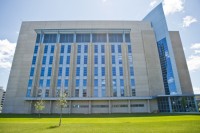
On Thursday, Dec. 19, Boston University (BU) and the National Emerging Infectious Diseases Laboratories (NEIDL) will conduct a tabletop emergency preparedness drill as part of the ongoing safety and training program for laboratory personnel and internal and external response officials. This drill will simulate an earthquake, similar to the one that occurred in 1755 off Cape Ann, Massachusetts.
The participants in this exercise include: NEIDL operations staff and researchers as well as external responders such as, Boston Public Health Commission, Boston Police Department, Boston Fire Department and Boston Inspectional Services.
A tabletop drill tests a hypothetical situation, such as a natural or man-made disaster, and the group’s ability to respond, assess damage, and identify short- and long-term recovery issues. This exercise provides the opportunity to continuously improve response and training at the NEIDL and throughout the University.
While there may be emergency response vehicles at NEIDL during the drill, there will be no impact on traffic in the neighborhood.
Currently, BSL-2 research is being conducted in the NEIDL and BSL-3 research will be starting soon. BSL-4 research is not being conducted at the NEIDL now and will not commence until the completion of several regulatory and judicial steps.
For more information on the NEIDL go to www.bu.edu/NEIDL
MED Physicians Among Boston’s Top Docs
Boston magazine’s annual list includes 68 faculty

- Boston magazine’s “Top Docs 2013” list includes 68 from the BU School of Medicine and Boston Medical Center.
Among the 650 physicians named to Boston magazine’s recently released “Top Docs 2013” list are 68 from Boston Medical Center (BMC) and the BU School of Medicine. The list, which provides consumers with information on the Hub’s top doctors across 50 specialties, commended BMC physicians from 30 different disciplines, such as cardiovascular disease, surgery, and pathology, and profiled another—Jeffrey Kalish, a MED assistant professor of surgery and of radiology and BMC director of endovascular surgery—for heroic work during the April 15 Boston Marathon bombings. The list appears in the magazine’s December issue.
“We are delighted that these outstanding faculty are being recognized by their colleagues for providing the highest quality of compassionate care,” says Karen Antman, MED dean and provost of the Medical Campus.
Alik Farber, a MED associate professor of surgery and of radiology and chief of the BMC division of vascular and endovascular surgery, has been included on the list in the vascular surgery category each year since 2010.
“To be nominated in a city that is the center for medicine for the United States and possibly the world is a humbling experience,” Farber says. Having 67 of his colleagues on the list, he adds, is “an important accolade for Boston Medical Center.”
Francis A. Farraye, a MED professor of medicine and codirector of BMC’s Center for Digestive Disorders, has held a spot as a top gastroenterologist on the list each year since 2010. Farraye is especially proud of the gastroenterology department’s recognition, in light of the fact that it is smaller than those at many of the other teaching facilities in Boston. Four gastroenterologists were named to the list this year, which he says is “a testament to the breadth of the clinical faculty.”
The profile of Kalish, titled “Six Heroic Saves,” focused on his work treating Adrianne Haslet-Davis, a professional ballroom dancer whose foot Kalish amputated. The two became close during her stay at BMC. Nearly eight months later, Haslet-Davis is dancing—albeit differently—and her doctor promises to watch her perform again someday.
Kalish says that “when members of the health care system get together across disciplines, we provide more effective and better care for all of our patients.” In the aftermath of the bombings, he recalls, professionals from all specialties and ranks worked in sync to determine the best course of action for the patients. “Forming bonds with these patients through this tragedy reinvigorated for many of us why we actually went into health care,” he says. “It reminds us why we do this.
“I’m just one person that was part of an enormity of people that did amazing work, he says. “While I have this unique bond with Adrianne, there are plenty of others who have done the same.”
Kalish says the medical community learned “amazing lessons” this year. Boston’s December issue should reinforce Bostonians’ confidence in their medical community as it proves “the variety and strength of physicians and the ability of the city’s medical community to address any problem that might arise,” he says.
To be included in Boston magazine’s Top Doc list, physicians undergo a rigorous screening process by national medical research firm Castle Connolly. The firm gathers nominations online from other licensed physicians, conducts phone interviews with medical professionals to corroborate nominations, and checks the professional qualifications of all nominees, among them education, experience, and disciplinary history. The nominees complete a professional biography form, and the information is cross-referenced and confirmed.
“We have an incredible medical community here in Boston, and that was on full display in the wake of the Marathon bombings,” says Boston magazine senior editor Janelle Nanos. Nanos says she relished the opportunity this year “to celebrate the work that they did and acknowledge how lucky we are as citizens of Boston to be surrounded by such amazing medical professionals.”
A full list of 2013’s “Top Docs” and those from Boston Medical Center is here.
This BU Today story was written by Emily Truax.
National Academy of Inventors Announces Fellows
Two Boston University School of Medicine (BUSM) faculty members, David Center, MD, and William W. Cruikshank, PhD, have been named Fellows of the National Academy of Inventors (NAI). Election to NAI Fellow status is a high professional distinction accorded to academic inventors who have demonstrated a prolific spirit of innovation in creating or facilitating outstanding inventions that have made a tangible impact on quality of life, economic development and the welfare of society.

Center and Cruikshank join 141 peer innovators who represent 94 universities and government and non-profit research institutes. Together, they hold more than 5,600 U.S. patents. Included in the 2013 class are 26 presidents and senior leadership of research universities and non-profit research institutes, 69 members of the National Academies (IOM, NAS, NAE), five inductees of the National Inventors Hall of Fame, six recipients of the U.S. National Medal of Technology and Innovation, two recipients of the U.S. National Medal of Science and nine Nobel Laureates, among other major awards and distinctions.
Center is chief of pulmonary, allergy and critical care medicine at BMC and the Gordon and Ruth Snider Professor of Pulmonary Medicine at BUSM. In addition, he is associate provost for Translational Clinical Research at Boston University, where he oversees efforts to facilitate translational research and leads initiatives that identify new areas for development as well as directs the Clinical and Translational Research Institute, funded by the National Institutes of Health. His research interests include asthma pathology, mechanisms of inflammation and immune-based lung disease.

Cruikshank, director of immunology and a professor of medicine at BUSM, has been conducting basic science and translational research for the past 34 years and has authored more than 160 publications in peer reviewed journals. His research addresses the development of asthma as well as mechanistic steps involved in the onset of cutaneous T cell lymphomas. Serving as director of the Summer Undergraduate Research Program at BUSM, Cruikshank is focused on increasing diversity within the graduate programs and is providing summer research opportunities for under-represented minorities.
Center and Cruikshank were nominated by the NAI Fellows Selection Committee that comprises 13 Members including NAI Charter Fellows, recipients of U.S. National Medals, National Inventors Hall of Fame inductees, members of the National Academies and senior officials from the United States Patent and Trademark Office, the American Association for the Advancement of Science, the Association of University Technology Managers, and the National Inventors Hall of Fame.
Strong State Alcohol Policies Protective Against Binge Drinking
According to a new study, a novel composite measure consisting of 29 alcohol policies demonstrates that a strong alcohol policy environment is a protective factor against binge drinking in the U.S. The study was led by researchers at the Boston University Schools of Medicine (BUSM) and Public Health and Boston Medical Center (BMC), and is published in the current issue of the American Journal of Preventive Medicine.
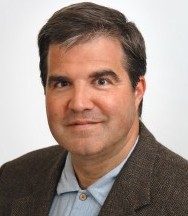
Binge drinking is a common and risky pattern of alcohol consumption that is responsible for more than half of the 80,000 alcohol-attributable deaths that occur each year in the United States. “If alcohol policies were a newly discovered gene, pill or vaccine, we’d be investing billions of dollars to bring them to market,” said Tim Naimi, MD, MPH, senior author of the study, and associate professor of medicine at BUSM and attending physician at BMC.
While previous research demonstrates that individual alcohol policies can reduce risky drinking and alcohol-related harms, this is the first study to characterize the effect of the overall alcohol policy environment. States with stronger policy scores had lower rates of binge drinking, and states with larger increases in policies had larger decreases in binge drinking over time. Specifically, compared with states with weaker policy environments, states with stronger policy environments had only one-fourth of the likelihood of having binge drinking rates in the top 25 percent of states, even after accounting for a variety of factors associated with alcohol consumption such as age, sex, race, religious composition, income, geographic region, urban-rural differences, and levels of police and alcohol enforcement personnel.
Alcohol policy environments differed considerably between states, with policy scores varying up to threefold between them. Among all states and Washington D.C., almost half had a rating of less than 50 percent of the maximum possible score in any particular year from 2000-2010, and states in the bottom quartile of policy strength had binge drinking rates that were 33 percent higher than those in the top quartile. “Unfortunately, most states have not taken advantage of these policies to help drinkers consume responsibly, and to protect innocent citizens from the devastating second-hand effects and economic costs from excessive drinking,” added Naimi.
Overall, analyses showed that the policy environment was largely responsible for state-level differences in binge drinking. “The bottom line is that this study adds an important dimension to a large body of research demonstrating that alcohol policies matter -- and matter a great deal – for reducing and preventing the fundamental building block of alcohol-related problems,” said Naimi.
The study was supported by NIH grant AA018377. Co-authors include Jason Blanchette, MPH; Toben Nelson, ScD, MPH; Thien Nguyen, MPH; Nadiua Oussayef, JD, MPH: Timothy Heeren, PhD; Paul Gruenwald, PhD; Jame Mosher, JD; and Ziming Xuan, ScD, SM.