Student Updates
Karen Antman, MD, Stepping Down as Medical School Dean and Medical Campus Provost

Karen Antman, who led two transformative decades as dean of Boston University’s Chobanian & Avedisian School of Medicine and provost of the Medical Campus, has announced plans to step down from those roles and return to the faculty at BU’s medical school as a professor of medicine when her successor is named.
Antman, a leading expert on breast cancer, mesotheliomas, and sarcomas, also presided over the construction of BU’s first medical student residence, throwing an affordable housing lifeline to students facing medical education bills. Antman oversaw the renaming of the medical school in 2022 following a staggering $100 million gift from alum and philanthropist Edward Avedisian (CFA’59,’61, Hon.’22). She has led the Medical Campus since 2005 and says the pending inauguration of a fellow physician, Melissa Gilliam, as the new University president helped prompt her to step down from leadership.
“A new president—an MD—should pick their own new dean for the medical school,” Antman says. She also wants to spend more time with her family. “I plan to take a sabbatical. After a real vacation, I plan to collaboratively write infrastructure grants” for the medical school.
Kenneth Freeman, BU president ad interim, says information about appointing her successor will be forthcoming in the next several months.
“Dr. Antman’s energetic leadership over the last 19 years has fostered a culture of excellence,” Freeman says, adding that under her leadership, the Chobanian & Avedisian School of Medicine “has gained in reputation and attracts outstanding faculty, staff, and students.”
"Dr. Antman’s energetic leadership over the last 19 years has fostered a culture of excellence"
Kenneth Freeman
“Dr. Antman has been consistently committed to facilitating faculty and student research,” he adds. “Faculty members have particularly appreciated the establishment of the Proposal Development office, which assists faculty in writing grants.”
Robert Brown, BU president emeritus, who worked closely with Antman during his 18-year tenure, says she “has been a wonderful leader of our medical school, demonstrating time and again her unwavering commitment to our medical students and the quality of their education. Her work has been recognized nationally, and she leaves the school well positioned to excel.”

The Medical Campus provost oversees the South End complex, which includes the medical school, the Henry M. Goldman School of Dental Medicine, the School of Public Health, and the University’s collaborative role with Boston Medical Center, BU’s primary teaching hospital and New England’s largest safety net hospital. (BMC has also just named a new president.)
Antman sums up her institution-changing tenure as “construction, fundraising, and recruiting the right leadership for the campus and school.”
The $100 million gift from Avedisian, an investor and for four decades a clarinetist with the Boston Pops and the Boston Ballet Orchestra, was a capstone to Antman’s tenure. He had suggested that the school be renamed after his lifelong friend Aram Chobanian (Hon.’06)—cardiologist, BU president emeritus, and dean emeritus of the medical school and provost of the Medical Campus. Neither man wanted his name on the school until they were persuaded to allow it to be named after both of them.
The gift will enable $50 million for scholarships for medical students, $25 million to support endowed professorships, and $25 million to the Avedisian Fund for Excellence, paying for cutting-edge research and teaching.
Of the medical residence, Brown said at its 2010 groundbreaking, “This facility will make the burden of a medical education a little bit lighter to carry.” In recent years, MDs have been among the five degrees that account for most student debt.
Financial management of the medical school and campus involved more than the renaming gift, especially during the first decade of Antman’s tenure, a time of flat budgets at one critical funding source, the National Institutes of Health. Antman says she nevertheless managed to recruit “outstanding, grant-funded faculty to new and renovated campus facilities, paid for by moving faculty to campus from off-campus rental space, thus decreasing costs and significantly increasing our research funding.”

She is proud, she says, of the “better prepared, more accomplished medical and graduate students” that the medical school has attracted during her tenure. “We are now the top choice for many, and turned down for only the most competitive medical schools.”
She led in opening more than 20 new research cores (shared research facilities) “to provide access to expensive, state-of-the-art equipment,” she says, including the $8 million Center for Biomedical Imaging and the $4 million Cryogenic Electron Microscopy (Cryo-EM) Core Facility, opening this summer with a state-of-the-art electron microscope. Antman also cites the establishment of an office to assist faculty with grant writing.
BU’s Chronic Traumatic Encephalopathy (CTE) Center, created on her watch in 2008, has garnered international recognition for its research into the debilitating effects of repeated head traumas, in athletes and military especially. The center says its bank of 1,250-plus donated brains for study is “the largest tissue repository in the world focused on traumatic brain injury and CTE.”
Beyond new facilities, Antman oversaw a revised, team-based MD curriculum that necessitated “substantial renovations of every floor,” she says, in the Instructional Building—“including a 250-seat testing center, a 6,000-square-foot Team-Based Learning Lab, and completely renovated library floors.”
Before her BU service, Antman was deputy director of translational and clinical sciences at the National Cancer Institute. She also has been on the faculties at Columbia University College of Physicians and Surgeons (where she earned her MD and codirected the cancer care service line at New York–Presbyterian Hospital) and at Harvard Medical School from 1979 to 1993. At Harvard, she had hospital appointments at Brigham and Women’s Hospital and Dana-Farber Cancer Institute.
She has edited five textbooks and monographs, authored or coauthored more than 300 publications, and written reviews and editorials on such topics as medical education, medical policy, and the effect that research funding and managed care have on clinical research.
Antman was elected a member of the National Academy of Medicine, an advisory group to the federal government, as dean, and chaired the American Association of Medical College Council of Deans. She served on the board of the Educational Commission for Foreign Medical Graduates.
This BU Today story was written by Rich Barlow.
Tony Hollenberg, MD, Appointed BMC President

“Tony is an accomplished physician-scientist and leader in academic medicine,” says Karen Antman, MD, dean of the Chobanian & Avedisian School of Medicine and provost of the Boston University Medical Campus. “He is deeply committed to clinical excellence and health equity. We wish him great success and look forward to collaborating with him in his new role.”
Read the BU Today story.
April 2024 SPH Faculty Appointments and Promotions
Congratulations to the following BU School of Public Health faculty on their recent appointment or promotion.
Professor
 Maria Argos, PhD, Environmental Health, is an environmental and molecular epidemiologist who specializes in the health effects of metal exposures on cardiometabolic and cancer endpoints across the life course. She has had continuous NIH funding as PI since 2014, supporting research projects evaluating the early-life impacts of metal exposures, developing novel methodologic advances in detecting gene-environment interactions, leading a participant enrollment site for the NIH precision medicine initiative’s All of Us Research Project, and leading a collaborating study of the Multi-Omics for Health and Disease Consortium.
Clinical Professor
 Jacey Ann Greece, DSc, MPH, Community Health Sciences, focuses on program evaluation for education and communication to influence patient-provider interaction and improve individual health. Dr. Greece specializes in the use of practice-based teaching, and her work serves as a model for others in public health education. In fact, she received the 2023 BUSPH Award for Excellence in Public Health Practice. Currently, she is leading a mixed methods study on sickle cell trait education for providers and individuals who are unaware of their status. Her ability to integrate peers, students, and alumni into her practice-oriented projects has been exemplary.
March 2024 Faculty Appointments and Promotions
Congratulations to the following Chobanian & Avedisian School of Medicine faculty on their recent appointment or promotion.
Professor
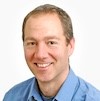 John Connor, PhD, Virology, Immunology & Microbiology, studies viruses, the responses they provoke in an infected host, and how infected cells and organisms influence virus evolution. He is recognized for identifying biomarkers that define early stages of severe viral infections and for identifying prognostic biomarkers that predict disease outcome. Throughout his career, his collaborative work with other faculty in the BU community have driven the discovery of small molecules with antiviral activity and new approaches for imaging viruses and virus-infected cells. He not only lectures in the virology curricula, but also in general medical sciences and in biomedical engineering. He is a highly regarded mentor, participating in the mentoring of trainees from several disciplines spanning the medical school, College of Art & Sciences and College of Engineering, and has served on numerous outside examining committees.
 Clint Makino, PhD, Pharmacology, Physiology & Biophysics, studies the structure and function of the retinal photoreceptors that capture and convert light into electrical, neural signals so we are able to see. His research has significantly contributed to our understanding of how regulation of a signal transduction cascade enables photoreceptors to change their sensitivity in the face of enormous variations in light intensity impinging on the eye and how genetic defects impair the cascade and cause blinding retinal diseases. Dr. Makino’s findings have provided insights to the many other G protein-coupled receptor (GPCR)-activated signaling cascades that closely regulate cellular responses to chemical, environmental and hormonal changes in the body. His current work examines a mechanism of sensitivity regulation in photoreceptors that has a circadian rhythm.
 Stefano Monti, PhD, Medicine/Computational Biomedicine, integrates systems biology, machine learning and bioinformatics approaches to investigate the molecular drivers of human disease, with the goals of advancing prevention and care. This multidisciplinary effort relies on the development of novel computational methodologies, and on the design of experiments based on the generation and integrative analysis of high-throughput multi-omics data, with the goal of identifying novel therapeutic targets and developing accurate diagnostic and prognostic biomarkers. Dr. Monti’s areas of research include the study of the molecular mechanisms of tumor initiation and progression and of the role played in it by environmental exposure, with funded projects in head and neck cancer and breast cancer, as well as the study of the biological factors contributing to healthy aging and extreme longevity. His lab also led the computational studies of genomic events associated with diffuse large B cell lymphoma that could provide prognostic biomarkers for that disease.
 Katharine White, MD, Obstetrics & Gynecology, studies access to contraception, racial equity in contraception and family planning, and training program evaluation, all linked to optimizing reproductive health choices for pregnancy-capable people and families. She is a member of the Centers for Disease Control and Prevention Medical Eligibility Criteria (MEC) and Selected Practice Recommendations (SPR) Guideline Development Advisory Panel, and a technical expert panelist for the U.S. Department of Health and Human Services Office of Population Affairs Quality Family Planning Guidelines. Dr. White was a critical member of the development and dissemination of the national guidelines for contraception and abortion care for persons with substance use disorder. She is a celebrated teacher and mentor to medical students, residents and fellows, who have made significant advancement as researchers, academic leaders and clinician-scientists, who have positively impacted the field of reproductive health around the world.
Associate Professor
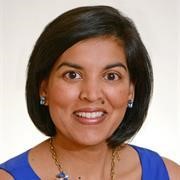 Priya Garg, MD, Pediatrics, is an innovative leader at the school where she has been the driving force behind curricular reform. Her focus on identifying skills needed to respond to changes in our health care system have led to a complete overhaul of the medical school curriculum, with a focus on improving patient outcomes due to inequities in care. Embedded within this revised curriculum are a new health equity course, health equity competencies and multiple changes to the instructional design. A national leader in medical education, she was selected by the AAMC in 2020 to be the founding chair of the Medical Education Senior Leaders Antiracism Taskforce. During her tenure she led the taskforce to draft a new self-assessment tool for the medical education mission. Dr. Garg is an attending on the pediatric hospital medicine service at Boston Medical Center and teaches residents in the Boston Combined Pediatric Residency Program and Family Medicine Residency Program. She also supervises third- and fourth- year medical students during their clerkship and sub-intern rotations on the service.
Clinical Associate Professor
 Terrence Li, MD, Neurology, is an attending neurologist who teaches PA and MD students on neurology rotation at St. Elizabeth’s Medical Center. He comes to BU from Chicago Medical School (CMS) where he was an associate professor of neurology and served as the neurology clerkship director for six years. Additionally, Dr. Li served as course director for the second-year medical student Neurobehavioral Health course there and the director of the transition to internship fourth year. While at CMS, he was inducted into Alpha Omega Alpha as faculty and received the CMS Dean’s Award for Clinical Excellence, the CMS Champion award and the Outstanding M4 Preceptor Award. Dr. Li received his undergraduate degree in biology from Utica College of Syracuse University (N.Y.), his MD from SUNY Upstate Medical University (N.Y.). He completed a preliminary residency in medicine at United Health Services, Johnson City, N.Y; residency in neurology at SUNY Upstate Medical University (N.Y.) and a fellowship in clinical neurology at University of Illinois-Chicago. While in residency, he received the Arnold P. Gold Humanism teaching award twice.
 Charles Williams, MD, Family Medicine, was an inaugural faculty member of the department of family medicine when he joined BU as an instructor in 1997. For over 25 years, he has worked to improve health systems and processes of care in partnership with students, residents, and clinical teams. He has served in a variety of roles, including founding medical director of the East Boston Community Health Center Family Medicine Department, medical director of the department’s practice at Boston Medical Center (BMC) and vice chair for clinical affairs and quality in the department. He currently serves as vice chair for network development for family medicine and medical director of Boston HealthNet, the network of 12 community health centers (CHC) affiliated with BMC, serving over 245,000 primary care patients. Dr. Williams excels at quality improvement initiatives, leadership development and practice redesign activities. He has helped lead practice transformation of the Patient Centered Medical Home efforts at BMC and in the CHCs through the state’s Primary Care Payment Reform Initiative.
Celebrating the ‘First Light’ of the New CryoEM

The ‘First Light’ of Boston University’s Glacios-2 cryogenic electron microscope (cryo-EM) is an exciting step in the setup of the new Cryo-EM Core Facility.
Located on the Medical Campus, there are 25 research groups across the university ready to use the new core, including teams from the dental and medical schools along with the College of Art & Sciences and College of Engineering.

With this new instrumentation, investigators will be able to advance scientific discoveries in health and disease by determining structures of macromolecules at near-atomic resolution. Samples are frozen so quickly that the water freezes as a glass, providing samples that are kept in a near-native state.
Thousands of images will be collected daily and analyzed using computers in the facility and at the Boston University Shared Computing Cluster. Planned experiments include studies on the heart, muscle, Alzheimer’s disease and other neurodegenerative disorders, G protein coupled receptor complexes, bacterial and viral infections, enzyme function, nanoparticles and protein biosynthesis and transport.
This is BU’s first cryo-EM core facility, updating older cryo-EMs located in the department of pharmacology, physiology & biophysics.

The cryo-EM was funded, in part, by a National Institutes of Health Shared Instrumentation Grant awarded to Professor of Pharmacology, Physiology & Biophysics Esther Bullitt, PhD. The expansion of EM facilities and recruitment of structural biology faculty has been one of the high-priority goals for Vanna Zachariou, PhD, Edward Avedisian Professor and chair of the department.
A ‘First Light’ gathering was held Friday to celebrate the inaugural electron beam from the instrument, which was configured by Dean Antman. Alignment and testing of the Glacios-2 are continuing, and it is expected the facility will be ready for use in the near future.

March 2024 SPH Faculty Appointments and Promotions
Congratulations to the following BU School of Public Health faculty on their recent appointment or promotion.
Professor
 Lora Sabin, PhD, Global Health, focuses on improving health in resource constrained settings. More specifically, her work focuses on identifying ways to improve HIV treatment outcomes, promoting child and adolescent health, and conducting mixed methods evaluations of novel interventions and health programs. She teaches courses in health economics, antiretroviral therapy management, public health ethics, and individual, community and population health for MPH and DrPH students. She has received four SPH Excellence in Teaching Awards from 2011-2016, as well as the school-wide Excellence in Teaching Award for Student Engagement in 2021.
 Catharine Wang, PhD, Community Health Sciences, focuses on public health genomics, health communication, health literacy, health disparities, and cancer prevention and control. She studies the ethical, legal and social implications of genomic advances, and she has served as PI on multiple grants examining communication of genetic risk, barriers to genetic literacy among underserved populations, and adoption and use of genetic testing. Her ongoing research continues to examine how underrepresented and vulnerable populations comprehend and engage with population-based efforts to facilitate greater access to genetic information and services. She has designed and taught three graduate-level courses. Dr. Wang currently serves as a member of the National Cancer Institute's PDQ Cancer Genetics Editorial Board.
Research Associate Professor
 Stephanie Shimada, PhD, Health Law, Policy & Management, is a mixed-methods health services researcher whose work focuses on patient-facing virtual care technologies to improve the quality and safety of healthcare. She has been continuously funded by the Veterans Health Administration since 2009 and as a PI since 2012. Her research has had direct policy effects via her involvement with the VA Office of Connected Care, the office in charge of implementing the My HealtheVet patient portal, SMS texting for self-management support, mobile health apps and telehealth. She has led implementation science studies which have examined barriers and facilitators of virtual care, unintended consequences of patient portal implementation, and strategies to increase reach and adoption of virtual care interventions.
GSDM Faculty Promotions
Congratulations to the following Henry M. Goldman School of Dental Medicine faculty on their recent promotions.
Clinical Professor
 Ruben Figueroa, DMD, MS, Oral & Maxillofacial Surgery, is director of clinical operations within the department of oral & maxillofacial surgery at GSDM and Boston Medical Center. In these roles, he oversees the clinical aspect of all ambulatory and inpatient operations of the department. Dr. Figueroa has conducted clinical research in the fields of rapid surgical orthodontics and implantology. He has taught numerous continuing education courses in dentoalveolar surgery, ambulatory anesthesia, surgical implantology and medical management of patients. Dr. Figueroa’s clinical interests include complex surgical implantology, digital dentistry, and management of benign maxillofacial pathology.
Clinical Associate Professor
 Amit Sethi, DDS, MDS, FDSRCS, Oral & Maxillofacial Surgery, focuses on outpatient oral surgery. He teaches predoctoral dental students and OMS residents, both in the outpatient clinic and operating room settings at GSDM and Boston Medical Center (BMC). Dr. Sethi serves as director of credentialing within the department of dentistry at BMC, where he is responsible for the Ongoing Professional Practice Evaluation of more than 50 dentists who work at multiple local and regional community health centers and hospital dental departments. Dr. Sethi has published numerous scientific articles in peer-reviewed journals and is the co-editor of a textbook on the art and science of sedation in pediatric dentistry.
February 2024 Faculty Appointments and Promotions
Congratulations to the following Chobanian & Avedisian School of Medicine faculty on their recent appointment or promotion.
Professor
 Michael Blower, PhD, Biochemistry & Cell Biology, studies RNA metabolism and RNA-chromatin interactions during mitosis and meiosis which has informed our understanding of mechanisms of chromosome mis-segregation, aneuploidy and cancer. Dr. Blower’s work has provided insights into transcriptional regulation during mitosis, gene expression during oocyte maturation, and removal of non-coding RNAs from chromosomes during mitosis. His lab uses an integrated experimental approach combining cell biology, biochemistry, genetics and genomics. Dr. Blower mentors PhD students and post-doctoral fellows and is a member of the PiBS graduate admissions committee, numerous dissertation advisory committees, his department FAP committee and student qualifying exam committees. He chairs his department’s seminar committee. He frequently serves as a grant reviewer for study sections at the NIH and international funding agencies (BBSRC in UK, Czech Science Foundation, European Research Council) and is an associate editor at Frontiers In RNA Biology.
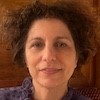 Ivana Delalle, MD, PhD, Pathology & Laboratory Medicine, conducts research bridging basic and clinical science to advance the understanding of the pathogenesis of psychiatric and neurodegenerative diseases. Her present focus, supported by the National Institutes of Health (~$ 4 million), is on novel, early and reliable biomarkers of Alzheimer’s Disease. She leads an international team of scientists harnessing the potential of biospecimens collected in large epidemiological studies in the U.S. and Germany to study non-coding RNA expressions in human plasma and brain tissue in combination with experimental models. A board-certified neuropathologist, Dr. Delalle is a clinician and mentor committed to the education of medical and graduate students, pathology residents and neuropathology fellows. She created and directed a Neuropathology Elective at Boston Medical Center (2009-2019), created and taught GMS PA910 Human Biospecimens for Research (2015-2019) and was a director of Neuropathology Service at Brown University’s teaching hospitals (2019-2023). In addition, she is a member of the Educational Committee of American Association of Neuropathologists and as an associate editor for the Journal of Alzheimer’s Disease (2018-2020) and the Cerebral Cortex (2019-present).
 Andrew Wilson, MD, Medicine/Pulmonology, Allergy, Sleep & Critical Care, applies stem cell models and regenerative medicine to advance the understanding of and treatment for genetic causes of chronic obstructive pulmonary disease (COPD) and alpha-1 antitrypsin deficiency (AATD). He has compiled a repository of AATD patient-specific induced pluripotent stem cells (iPSCs) which have been shared widely with researchers in academia and industry and oversees the Center for Regenerative Medicine/Framingham Heart Study repository of iPSCs and blood samples collected from Framingham Study participants. Dr. Wilson directs the Alpha-1 Center at BU and Boston Medical Center, one of the largest clinical centers for patients with AATD in the northeast, where he cares for patients with AATD and COPD and participates in multi-center studies to define the epidemiology of liver and lung diseases associated with AATD. In addition, he serves as the Scientific Director for the Alpha-1 Foundation.
Associate Professor
 Maxine Krengel, PhD, Neurology, is a neuropsychologist who has been studying the longest running Gulf War veteran cohort, evaluating health symptoms, neuroimaging, and neuropsychological outcomes. Her focus in this area has helped shape the treatment of this vulnerable veteran’s group after war-related experiences and toxicant exposures. Her clinical work focuses on the fields of movement disorders and traumatic brain injury, as well as evaluating and treating patients with various forms of dementia and neurodevelopmental disorders. She has been teaching in the Behavioral Neuroscience program for many years, including the core Neuropsychological Assessment I course which she revised to include the theoretical background of neuropsychological assessment and the utility of neuropsychological tests for use as outcome measures in behavioral research. She has worked with a broad spectrum of learners in the BU/Boston Medical Center community, including psychology, behavioral neuroscience and medical students, and neurology residents.
 Kelley Saia, MD, Obstetrics & Gynecology, studies substance use disorders in pregnancy to improve pharmacologic management during the antepartum, intrapartum and postpartum periods. She serves as medical director for Project RESPECT (Recovery, Empowerment, Social support, Perinatal care, Education, Community and Treatment), a long standing multi-disciplinary substance use disorder treatment program established in 2006 that cares for pregnant and parenting persons and provides rapid access to dignified and comprehensive perinatal addiction treatment. Dr. Saia's research interests include advancing pharmacotherapy for treatment of substance use disorder in pregnancy, pharmacokinetics of fentanyl in pregnancy, ethics and efficacy of urine drug testing in pregnancy, peripartum pain management, breastfeeding safety, postpartum HCV treatment and neonatal opioid withdrawal syndrome. Dr. Saia has expanded Project RESPECT to include legal services, legislative advocacy, and a groundbreaking postpartum initiative with the Department of Children and Families, which has markedly reduced foster care placements and increased postpartum treatment engagement. She collaborated with BU Law School faculty to create and implement the first Medical Legal Partnership designed to assist pregnant and parenting persons in recovery with integrated legal support services within a comprehensive medical home.
Clinical Associate Professor
 Mark Katz, MD’02, Urology, specializes in genitourinary cancer. A Top Doctor in Boston Magazine for the past six years, he performs both minimally invasive (laparoscopic and robotically assisted) and complex open surgeries. Dr. Katz’s research focuses on cancer outcomes, racial and economic disparities, and clinical aspects of urologic surgery. He chaired the BMC Cancer Care Committee from 2015-19, and currently is director of BMC’s genitourinary tumor board and director of quality and safety for the department. He runs the fourth-year urology clerkship (sub-internship).
 Susan White, MD, Obstetrics & Gynecology, is director of BU’s Physician Assistant Program. Her research focuses on various issues in education, interprofessional education, social determinants of health and quality improvement. A curricular innovator, she created the Prenatal Care Workshop as an interactive experiential education for PA students. The curriculum was presented at the Annual Education Forum of the Physician Assistant Education Association (PAEA) in 2009. In January 2023, the Association of PAs in Obstetrics and Gynecology (APAOG) began to host the updated curriculum and now it is freely available as open-source education to all PA programs nationally. In addition to the curriculum in OBGYN, Dr. White also developed a curriculum in the Social Determinants of Health based on active learning, which has been presented nationally to both clinicians and PA educators. Dr White serves as co-investigator on a HRSA grant regarding inter-professional education and expansion of the primary care workforce.
GSDM Faculty Promotions
Congratulations to the following Henry M. Goldman School of Dental Medicine faculty on their recent promotions.
Associate Professor
 Manish Bais, DVM, PhD, Translational Dental Medicine, focuses on oral cancer and skeletal biology, including temporomandibular joint (TMJ) degeneration and osteoarthritis. He is a veterinarian by training, also specializes in molecular and genetic studies of oral cancer and bone and cartilage remodeling, and develops novel mouse models for translating basic science findings to preclinical studies. Dr. Bais has successfully developed patient-derived tumor xenografts, primary oral cancer cell line-derived orthotopic tumor isografts, critical size bone defect, and destabilized medial meniscus osteoarthritis models, which he has shared with investigators at Boston University and with the wider scientific community. He is an associate editor of Scientific Reports, a Nature journal, and an ad-hoc reviewer on SBDD, SBSR, DSR, and SEP NIH study sections.
Clinical Associate Professor
 Sheila Rodriguez-Vamvas, DMD, MPH, General Dentistry, has been serving as a Group Practice Leader in General Dentistry since 2013, offering clinical guidance in the pre-doctoral patient treatment center. Leveraging her extensive dental expertise, she integrates comprehensive dentistry concepts into her approach to dental treatment and patient care. Additionally, she fulfills roles as a course instructor and lecturer across various pre-clinical courses, actively participates in research endeavors, and contributes to multiple university committees. Dr. Vamvas has attained the distinction of Fellow from both the American College of Dentists in 2023 and the International College of Dentists in 2022. Her leadership extends beyond academia, as she has previously served as President of the Massachusetts Hispanic Dental Association and currently holds board positions in MAHDA and the Center for Oral Treatment in California.
February 2024 BUSPH Faculty Appointments & Promotions
Congratulations to the following BU School of Public Health faculty on his recent promotion.
Professor
 Carlos Rodrigues-Diaz, PhD, Community Health Sciences, addresses health inequities among populations made vulnerable by factors such as incarceration, gender identity, sexual orientation and HIV status. He conducts community-based participatory research in Puerto Rico, the U.S. and the Caribbean and has several funded projects to improve HIV prevention services, including interventions to enhance primary care for transgender and gender-diverse populations and to improve access to biomedical prevention of HIV among Latinx sexual minority men. Dr. Rodriguez-Diaz also has conducted research during public health emergencies; he has studied the political and social determinants affecting the public health response after natural events in Puerto Rico. He also contributed to understanding racial disparities in the public health response to the MPOX outbreak. In addition to his teaching and research activities, Dr. Rodriguez-Diaz sits on the Board of Directors of NMAC, a national organization fighting racial disparities in the HIV epidemic response. He also serves as president of the board of directors of Coai, Inc., a community-based organization providing health services to LGBTQ populations in Puerto Rico.