Student Updates
February 2024 BUSPH Faculty Appointments & Promotions
Congratulations to the following BU School of Public Health faculty on his recent promotion.
Professor
 Carlos Rodrigues-Diaz, PhD, Community Health Sciences, addresses health inequities among populations made vulnerable by factors such as incarceration, gender identity, sexual orientation and HIV status. He conducts community-based participatory research in Puerto Rico, the U.S. and the Caribbean and has several funded projects to improve HIV prevention services, including interventions to enhance primary care for transgender and gender-diverse populations and to improve access to biomedical prevention of HIV among Latinx sexual minority men. Dr. Rodriguez-Diaz also has conducted research during public health emergencies; he has studied the political and social determinants affecting the public health response after natural events in Puerto Rico. He also contributed to understanding racial disparities in the public health response to the MPOX outbreak. In addition to his teaching and research activities, Dr. Rodriguez-Diaz sits on the Board of Directors of NMAC, a national organization fighting racial disparities in the HIV epidemic response. He also serves as president of the board of directors of Coai, Inc., a community-based organization providing health services to LGBTQ populations in Puerto Rico.
BUMC Donates 50 Microscopes to Three Boston Secondary Schools

Three schools in the Boston Public Schools system recently received a donation of 50 lab-quality microscopes from the Medical Campus.
The John D. O’Bryant School of Mathematics and Science (Grades 7-12) in Roxbury, Dearborn STEM Academy (Grades 6-12) also located in Roxbury, and New Mission High School (Grades 7-12) in Hyde Park were the recipients of Olympus CH series microscopes that were no longer being used by BUMC students.
“This was a magnificent gift. We had the microscopes and the carrying cases, and the microscopes were in wonderful condition,” said Valeda Britton, BUMC executive director of community relations.
These 1970s-era Olympus CH series microscopes have a long lifespan, but technology upgrades eclipse even the best performers at some point. Approximately a decade ago, the medical school and campus transitioned to virtual online microscope programs for teaching purposes.
“They were used less and less,” said Lucy Milne, director of education outreach. Eventually, the microscopes were all placed in storage, and space limitations prompted plans to donate the instruments.
“Erita Ikonomi, an educational technologist, maintained the scopes and kept them safe so they can now have a second life,” said Milne.
The Medical Campus has a history of supporting Boston Public Schools. Sometimes that is through grants or other financial programs, but it also can tap the expertise of BUMC students and faculty or excess equipment donations, said Britton. BU has specific programs like the Summer Biomedical Research Internship and the Med-Science Program that introduce underrepresented youth from Boston and other communities to post-secondary STEM-M (Science, Technology, Engineering, Mathematics and Medicine) programs.

As the Medical Campus liaison to the surrounding communities, Britton knew who to call. She and her colleagues visited the schools in advance of the donation.
“We casually brought up that we had these microscopes, and asked if they could use them in their science classes. And all three schools said yes,” said Britton. Within a few days, the 50 microscopes were loaded into a BU truck and driven to the schools with two receiving 17 instruments and the third 16.
“The folks at the schools met us and they were really grateful to have these microscopes,” said Britton. “I like the idea of those microscopes leading students to be more curious and more willing to explore.”
“We said ‘Yes,’” said Samuel Baker, an instructional coach at Dearborn STEM Academy focused on STEM and interdisciplinary pathways in health sciences, engineering and advanced manufacturing and computer science.
In 2018, Dearborn moved into a brand new, $70 million state-of-the-art STEM facility. Baker said the new four-story school has microscopes in a lab on the second floor, but those had to be transported up a floor to the biology lab when needed. The 16 Olympus microscopes allowed them to have instruments in both labs.
“They are of such good quality and very durable. They can take the wear and tear,” said Baker.
Baker pointed to a secondary, but important, impact of institutions of higher learning interacting with BPS students. Dearborn’s student population is 90% African American, with many Cape Verdean families where English is their second or even third language, Baker said. Whether it’s University staff, faculty or students who come to the high schools, they are a bridge to a life beyond everyday existence.
“Students need to hear the college language, whether it’s a four-year or two-year college. We need to expose them to opportunities after high school,” he said.
January 2024 Faculty Appointments and Promotions to Clinical Associate Professor
Congratulations to the following Chobanian & Avedisian School of Medicine faculty on their recent appointment or promotion.
Clinical Associate Professor
 Laurence Brinckerhoff, MD, Surgery, is a minimally invasive thoracic surgeon who joined our community in 2022. He received his bachelor’s degree in psychology/chemistry from the University of Vermont and his MD from the Geisel School of Medicine at Dartmouth College, Hanover, NH. He completed his internship and residency in general surgery at University of Virginia Health Sciences Center and a residency in cardiothoracic surgery at the University of Colorado Health System. Prior to joining BU/Boston Medical Center, Dr. Brinckerhoff was associate professor of surgery, chief of the division of general thoracic surgery and chair of the thoracic oncology program at Tufts University School of Medicine and Tufts Medical Center, Boston. A dedicated medical educator, he served as the director of the surgery clerkship at Tufts for 11 years and is the recipient of more than a dozen teaching awards.
 Rachel Mott-Keis, MD, Family Medicine, completed her residency at Boston Medical Center over 20 years ago and has remained ever since, practicing primarily at East Boston Neighborhood Health Center (EBNHC). She spent a year volunteering at a transitional housing program for elderly homeless men, which helped shape and cement her interests in working with underserved populations. Her current focus is on immigrant health, in particular Hispanic and Latinx. She served on the Academy of Medical Educators from 2020-23 and has taught students in Introduction to Clinical Medicine 1 & 2 and precepted family medicine residents for almost 20 years. She led the development of EBNHC as a residency teaching site for the family medicine residency program and is the site director there.
 Monica A. Pessina, PhD, MEd, OT (SAR’90, CAMED’05), Anatomy & Neurobiology, is a master educator in basic & clinical gross anatomy, histology and neuroscience at the medical school, the Henry M. Goldman School of Dental Medicine (GSDM) and in various BU graduate programs. Dr. Pessina’s research focuses on upper extremity motor function after stroke. Through this work, she developed a novel assessment tool for qualitative reporting of the trajectory of motor skill recovery following injury to the hand area of the motor cortex in a non-human primate model. Her clinical experience focuses on burn injury and upper extremity rehabilitation. She is the recipient of numerous teaching awards, including the Proctor & Gamble Outstanding Basic Sciences Faculty Award at GSDM in 2015 and 2020 and the dental school’s Spencer M. Frankl Award for Excellence in teaching in 2017.
 Louis Toth, PhD, Anatomy & Neurobiology, is an innovative educator of graduate and medical students teaching a wide range of topics including histology, neuroscience, visual neurophysiology, endocrinology and reproduction. He published one of the seminal studies quantifying behaviorally relevant information coded by single parietal lobe neurons in Nature. Dr. Toth developed and directs the Cellular Organization of Tissues course and also directs graduate seminars on visual neuroscience and neural development for advanced PhD students and postdoctoral fellows. He serves on numerous committees, including the MD/PhD Admissions Committee, the Medical Education Committee, and the Electives Curriculum Subcommittee and for the past eight years has chaired the GMS Academic Policy Committee.
 Eduard Vaynberg, MD (CAMED’00), Anesthesiology, specializes in interventional procedures for pain management of degenerative spine and joint conditions and complex regional pain syndrome with particular interest in spinal cord stimulation and radiofrequency ablations. His extensive clinical experience spans various medical settings across Massachusetts, including New England Baptist Hospital, Boston Surgical Suites, Hyde Park Pain Management Center and Boston Medical Center. He has served as residency rotation director of pain management since 2008 and was appointed the department’s director of pain management in 2019.
Student, Faculty, Staff Creativity on Display at 34th Annual Art Days

Jie Yin, a fourth-year med student was taking a walk along the Charles River last spring and the drifting clouds reminded her of the swimming motion of koi fish mingling in a fishpond.
“Later that week I had a paint night with a friend, and I thought, ‘Why not just paint koi?’” said Yin. Her medium of choice is always watercolors.
“I feel like the watercolors imitate the movements of the fish and also gives…you a sense of where the color lies in the body of the fish,” said Yin, standing next to her small gold-framed painting on display in Hiebert Lounge. It was one of nearly 100 works of art presented at the 34th annual Art Days, a two-day celebration held Feb. 20-21 showcasing the creative talents of students, faculty and staff across the Medical Campus. From crocheted human organs to a multiplex fluorescent image of tuberculosis in a mouse lung and all types of painting, photography, textile arts and poetry, these works impressed with their variety, ingenuity and artistic skill.

“Once again, this is an amazing outpouring of creativity from across the campus, all three schools and the hospital. It’s just wonderful,” said Keith Tornheim, PhD, an associate professor of biochemistry who has served as Art Days faculty advisor for 21 years. Sponsored by the Provost’s Office and mounted by the student Creative Arts Society, Art Days was started by the late Dean Emeritus Aram Chobanian to foster the support and growth of the creative arts at BUMC.
“I am amazed at all the talent,” said Susan Feldman, a medical education coordinator in pediatrics. Feldman admits to having art-envy for those who create with their hands and imagination.
“It doesn’t surprise me at all that they would devote themselves to their interests in the creative arts in the same way they do their academic endeavors,” she said.
“I feel like every piece is unique and everyone has their own touch. That’s the beauty of art,” said Aryan Pradhan, a second-year master’s student in pathology & laboratory medicine. His computerized rendering of a human hand amidst strands of genetic material revealed, to his mind, how closely researchers are now working with genetic technologies.
Pradhan admired NEIDL histotechnologist Aoife O’Connell’s mouse lung image that could have been mistaken for a photograph of distant galaxies. Displayed nearby was neuroscience graduate student Sarah Zylka’s embroidered drosophila, a small fruit fly critical to genetic research. The texture of the fine pastel threads suggested the insect hairs that can only be seen close-up.
As a student who majored in fine arts as an undergraduate, Jennifer Mendez Alba came to the exhibit to feed her longing for the artistic expression crowded out by the busy schedule of a first-year dental student. She admired those who found the time to create.

“More than anything I’m thinking about that (time expenditure) with the textiles,” she said while appreciating the skill of a crocheted rendering by MS Genetic Counseling/MPH graduate student Gwendolyn Strickland, of Vincent van Gogh’s “The Starry Night,” a fictionalized view from his asylum window in Saint Remy, France.
“It’s really impressive, the detail, the precision,” said Alba. “I majored in art because it was what I was passionate about, but to make a living as an artist is really difficult.”
But Alba could also appreciate the need for fine motor skills and creativity in dentistry. Like Alba, third-year medical student Noah Siegel majored in fine arts as an undergraduate and saw creative thinking and artistic skills as an asset to his medical studies and career.
“I think a lot of art is problem solving, so there’s a lot of those same skills when you’re synthesizing patient information into a diagnosis or treatment,” said Siegel.

His own artwork on display embodied this thought: a mobile with glass panels dangling from wires and inscribed with words drawn from a possible patient diagnosis and treatment plan.
“I was inspired by the process of putting together a medical note, kind of synthesizing a patient’s history as a written document with all the different words that can come together,” he said.
Art, said Siegel, is not just a hobby but can be therapeutic.

That was the case for Zahra Sheikh, an anthropology research fellow who came to BU from Iran 18 months ago and started writing poems when she felt she couldn’t tell people about her feelings. Two of her poems were on display in Hiebert.
“This one poem has an imaginative story behind it, but this one was about my deep emotional feelings that I had one day when I was sad,” said Sheikh.
Her poems are heartfelt and personal. “I talk to you like I used to/You look at my soul, winter in your eyes…”
For that reason, Sheikh wasn’t certain she wanted to share them.
“I wasn’t sure enough to let people read them and to know that I wrote them, but I talked to Keith (Tornheim) and he said ‘It’s okay…nobody will judge you…So I decided to display them. I gathered my courage and decided to be brave.”
December 2023 Faculty Appointments and Promotions to Clinical Associate Professor
Congratulations to the following Chobanian & Avedisian School of Medicine faculty on their recent appointment or promotion to clinical associate professor.
Clinical Associate Professor
 Julia Aquino, MD, Pediatrics, is a pediatric medicine hospitalist who received her undergraduate degree from Harvard University and her MD from the University of Virginia School of Medicine. She completed her pediatric residency at Johns Hopkins School of Medicine. At BU and Boston Medical Center, Dr. Aquino serves as director of undergraduate medical education for the department of pediatrics. After starting her career at Johns Hopkins Bayview Medical Center, Dr. Aquino worked in the hospital medicine program at both Tufts Medical Center (TMC) and Boston Children’s Hospital (BCH). During her tenure at TMC, she was co-director of the pediatric clerkship and associate program director of the pediatric residency program, where she was the recipient of the Distinguished Educator Award. During her tenure at BCH, Dr. Aquino was director of network hospital medicine education. Nationally, Dr. Aquino is the co-leader for the current cohort for the APA Academic Pediatric Scholars Program.
 Sandra Mattar, PsyD, Psychiatry, is a clinical psychologist who conducts trauma-informed and culturally responsive psychotherapy with survivors of torture and asylum seekers with histories involving chronic trauma. In addition, she is director of training at the Immigrant and Refugee Health Center at Boston Medical Center (BMC), and faculty/supervisor at the Center for Multicultural Training in Psychology (CMTP). Dr. Mattar was chair of the school’s Racism in Medicine track for the LEADS curriculum of the MD program, and now chairs the Global and Refugee Health track. Her research interests focus on the intersection of psychological trauma and culture; immigrants and refugee mental health; multicultural and international psychology; culturally responsive, trauma-informed education and training, and mindfulness and spirituality. Dr. Mattar is an associate editor for the American Psychological Association’s publication Psychological Trauma: Theory, Research, Practice and Policy.
 Ika Noviawaty, MD, Neurology, specializes in epilepsy pre-surgical workup, neuromodulation, outcomes for refractory epilepsy and status epilepticus. She is experienced in acute care neurology and interprofessional education through the implementation of a simulation curriculum. She is engaged in health advocacy through her work as a board member of Epilepsy Foundation of New England and as the current president of Massachusetts Neurologic Association. At BU and Boston Medical Center, Dr. Noviawaty is the division chief of epilepsy. She served as site PI for a multimodal functional neuroimaging study of the brain network controlling selective attention, as well as a randomized, double-blind, placebo-controlled study to investigate the efficacy and safety of Carisbamate as an adjunctive treatment for seizures associated with Lennox-Gastaut Syndrome. She currently is site PI for the RAISE study for super refractory status epilepticus treatment.
 Brooke Rogers, PhD, MPH, Psychiatry, provides clinical consultation and training in evidence-based assessment and interventions for substance use and co-occurring disorders as director of psychological services for addiction. She is involved in efforts to develop a standardized curriculum for incoming behavioral health clinicians and consults on program development for patients with substance use disorders. This year, she will be conducting a department-wide needs assessment to understand training gaps among clinicians and trainees that will inform a tailored approach to education and clinical support. Dr. Rogers mentors clinicians across social work and psychology and provides didactic seminars on evidence-based treatment approaches for substance use disorders to Psychology and Psychiatry Training Programs. She also provides clinical care to patients at Boston Medical Center within the Addiction Psychiatry Treatment Program and the Center for Infectious Diseases. Dr. Rogers’ clinical research experience spans 15+ years across various areas of health behavior change and care for those with medical and behavioral health conditions. She serves as a consulting editor of AIDS and Behavior and an ad-hoc reviewer for 20+ other journals across psychology, behavioral medicine, public health, LGBTQ health, HIV, and substance use.
December 2023 Faculty Appointments and Promotions to Associate Professor
Congratulations to the following Chobanian & Avedisian School of Medicine faculty on their recent appointment or promotion to associate professor.
Associate Professor
 Michael Cassidy, MD, Surgery, is a surgical oncologist whose scholarship focuses on quality improvement, clinical outcomes and cancer disparities. His work on ICOUGH, a standardized postoperative intervention to reduce pulmonary complications, led to implementation of the program at more than 40 institutions internationally. He is site PI of a breast cancer clinical trial for the Alliance for Clinical Trials in Oncology and co-investigator on a grant from the NIH. In 2020, he designed a multidisciplinary breast cancer elective for fourth-year medical students and continues to serve as course director. Dr. Cassidy directs the Belkin Breast Health Center at Boston Medical Center (BMC) and co-directs the breast cancer subcommittee at BU/BMC. He serves on the school’s Medical Education Committee and Student Evaluation and Promotions Committee, and the Clinical Competency Committee for the General Surgery Residency Program, in addition to the American College of Surgeons’ Cancer Surgery Standards Program, which disseminates standardized best practices for cancer operations, and on the Society of Surgical Oncology’s Training Committee, which oversees and accredits US breast surgical oncology fellowships.
 Gemmae Fix, PhD, Medicine/GIM, is an applied medical anthropologist with postdoctoral training in health services research. An investigator at the Center for Healthcare Organization and Implementation Research (CHOIR), a VA Health Services Research and Development Center of Innovation, based at the Bedford VA Medical Center, Dr. Fix’s research uses ethnographic, qualitative methods to advance the delivery of patient-centered care, particularly for marginalized or populations stigmatized for their behaviors, such as people living with HIV or patients who are at risk for lung cancer. She has led AHRQ, VA and DoD-funded studies examining patients’ experiences of care, patient-centered HIV care and the use of co-design methods to engage patients in the research process. Additionally, Dr. Fix is interested in the professional development of social scientists. She led the formation of the Medical Anthropologists and Social Scientists in Health (MASSH) interest group, which brings together anthropologists and allied social scientists working in applied health settings to promote professional development, research collaboration and educational opportunities. She serves as secretary to the Board of the Society for Applied Anthropology.
 Lucy Marcil, MD, MPH, Pediatrics, focuses on creating innovative solutions to create financial and health equity. She is the co-founder and executive director of Boston Medical Center’s (BMC) StreetCred program, which provides a bundle of economic resources (free tax and other financial services) to families while they are visiting the pediatrician’s office. Her work has helped spark a national movement to create Medical Financial Partnerships (MFPs); she leads the Health by Wealth Collective as an open-source tool for others interested in adopting this model and has spoken about her work for TED, the Aspen Institute, and the White House. In addition, Dr. Marcil is associate director for economic mobility at BMC’s Center for the Urban Child and Healthy Family. She previously served as interim director for the Leadership in Equity and ADvocacy (LEAD) Track of the Boston Combined Pediatric Residency Program. She currently is a Robert Wood Johnson Health Policy Fellow with the National Academy of Medicine and is working on family health and economic policy issues with the United States House of Representative's Minority Whip, Rep. Katherine Clark (D-MA).
 Yael Nillni, PhD, Psychiatry, is a clinical psychologist at the National Center for PTSD’s Women’s Health Division at VA Boston Healthcare System and Boston Medical Center. Her research focuses on the intersection of trauma, PTSD and other comorbid mental health conditions, and women’s reproductive health, particularly during the perinatal period, among both Veteran and civilian populations. Specifically, her research has examined how trauma and PTSD impact perinatal outcomes for women Veterans and how hormonal changes during the menstrual cycle and pregnancy influence mental and reproductive health. Her research also focuses on improving access to PTSD treatment for pregnant individuals, particularly from underserved communities. To this end, she is currently conducting a large NIH-funded randomized controlled trial to examine: a) the effectiveness of an evidence-based treatment for PTSD (i.e., Written Exposure Therapy) for pregnant individuals, and b) how unique delivery strategies may promote the scalability of perinatal PTSD treatment in underserved communities. This research will also examine if treatment of PTSD during pregnancy can prevent adverse perinatal outcomes during delivery and the postpartum period.
 R. Jarrett Rushmore, PhD, Anatomy & Neurobiology, studies neuroanatomy and brain function using electrophysiology, non-invasive brain stimulation and neuroimaging. His research in brain plasticity after injury has contributed significantly to our understanding of cortical pathways and their reorganization, particularly in the visual and limbic systems. Dr. Rushmore is an archivist of neuroanatomical material and is responsible for maintaining and preserving neuroanatomical collections such as the Pandya Connectional Neuroanatomical Archive and the H.M. Brain Tissue Archive. He also has an outstanding record of teaching and leadership in the medical and graduate school curriculum. He has taught and directed courses in histology, neuroanatomy and neuroscience, and has received five teaching awards, including the Stanley L. Robbins Award for Excellence in Teaching, the school’s highest teaching award.
 Noelle Saillant, MD, Surgery, specializes in trauma, acute care surgery and surgical critical care. Her clinical interests include chest and abdominal wall reconstruction, and rib fixation. She and her colleagues have made Boston Medical Center (BMC) a Chest Wall Injury Society Center of Excellence, currently the only site in New England. Dr. Saillant is chief of surgical critical care, director of BMC’s surgical intensive care unit, and director of the Surgical Critical Care Fellowship. Her research interests are traumatic coagulopathy and Deep Neural Networks. She has partnered with MIT Lincoln Laboratory and Combat Casualty Care Research to create novel artificial intelligence to help with the triage and treatment of the traumatically injured.
 Carl Streed, MD, MPH, Medicine/GIM, is a clinician-investigator who specializes in sexual and gender minority (SGM) health care. His work has influenced the health care management of LGBTQ+ communities both in Boston and nationally. His work validates methods of identifying transgender cohorts within administrative claims data, explores strengths and opportunities for improvements of current cardiovascular risk estimation tools as they relate to gender-affirming care and identifies gaps in current clinical practice knowledge of primary care clinicians and cardiologists as it relates to transgender and gender diverse populations. His research portfolio effectively bridges research methods, population health research, clinical practice and clinician education. Dr. Streed is the recipient of the Excellence in LGBTQ Health Award from the American Medical Association Foundation for his personal and professional pursuit of a more equitable and inclusive society, focused on elevating voices and redistributing power. He serves as President of the US Professional Association for Transgender Health.
Art Days 2024
 Calling All Artists!
Submit your work for Art Days 2024
Tuesday-Wednesday, Feb. 20-21
Instructional Building, Hiebert Lounge
Students, faculty and staff are encouraged to submit artwork of any medium to the 34th annual BUMC Gallery for the Arts, sponsored by the Provost's Office. Art Days was started by Dean Emeritus Aram Chobanian to foster the support and growth of the creative arts at BUMC. The exhibition is mounted by the Creative Arts Society. To be placed on the "submit list" or if you have any questions, please contact Keith Tornheim, PhD, at tornheim@bu.edu or 617-358-4172.
Artwork (paintings, photos, poetry, sculpture, needlework, etc.) will be collected on Friday, Feb. 16. Pieces should be framed if possible. Security will be provided. Work will be returned Thursday, Feb. 22. Specific instructions will be sent at a later date to those who respond to this announcement.
December 2023 Faculty Appointments and Promotions to Professor
Congratulations to the following Chobanian & Avedisian School of Medicine faculty on their recent appointment or promotion to professor, clinical professor or research professor.
Professor
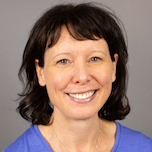 Tara L. Moore, PhD, Anatomy & Neurobiology, studies cognitive ageing and cortical brain injury using non-human primate models. Her studies have contributed significantly to the understanding of the neurobiological basis of higher cognitive function and the effects of age, hypertension and injury on the brain and the assessment of therapeutics to reverse these effects. Dr. Moore also has made significant contributions to the teaching and training missions of the school by creating and developing two successful master’s programs – the Biomedical Forensic Sciences Program in 2006, for which she served as associate director for three years, and the MS in Forensic Anthropology in 2008, for which she has served as director since its inception. Both internationally recognized programs have produced hundreds of practicing forensic scientists and anthropologists now working throughout the country and around the world. A mentor to PhD and master’s students, she is a highly sought-after senior scientific advisor. In addition, she serves on many university committees critical to supporting research, including the Institutional Animal Care and Use Committee, Animal Research Advisory Committee, Academic Policy Committee, LCME Faculty Standards Subcommittee and the Master’s Programs Steering Committee, among others.
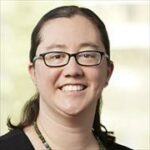 Elisha Wachman, MD, Pediatrics, is a physician-scientist and vice chair of research in the department of pediatrics who focuses on Neonatal Opioid Withdrawal Syndrome (NOWS) and substance use disorders (SUDs) in pregnancy. Her research has transformed the clinical care model for NOWS through the development of novel assessment and treatment approaches, including the revision of national breastfeeding guidelines for those with SUDs, development of optimal non-pharmacologic care bundles for infants with NOWS, development of the Eat, Sleep, Console (ESC) NOWS assessment tool, and pioneering the novel “as needed” methadone treatment approach for NOWS. Dr. Wachman helped to lead changes in NOWS care practices across multiple statewide perinatal quality improvement collaborates, resulting in profound improvements in inpatient outcomes for infants with NOWS not only at Boston Medical Center but across the country and internationally. She is currently the principal investigator on multiple NIH and foundation grants related to NOWS and SUDs in pregnancy.
Clinical Professor
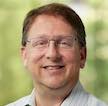 Robert Lowe, MD, Medicine/Gastroenterology, is a clinician-educator who has received numerous prestigious teaching awards, including almost every education award given by the medical school, as well as the university’s Metcalf Prize for Excellence in Teaching. He is considered to be a ‘go-to’ expert for primary care providers and other physicians when faced with complex liver or gastrointestinal diagnoses, as well as a deft provider in hospital-based internal medicine. He serves as a core faculty member in the Internal Medicine Residency and the GI Fellowship programs at Boston Medical Center, and is a member of the Clinical Competency Committee for both training programs. He is also the director of the Medical Educator Pathway, designed for internal medicine residents considering a career in medical education. Recently named assistant dean of medical education for clinical integration, Dr. Lowe has been a member of the Curriculum Redesign Committee and serves as co-chair of the Gastroenterology/Nutrition course and the Advanced Integration course in the new MD program curriculum. He is a member of the school’s Academy of Medical Educators and teaches in the Doctoring courses, in addition to serving as advisor to numerous medical students each year.
Research Professor
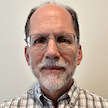 Frank Weathers, PhD, Psychiatry, specializes in the assessment of posttraumatic stress disorder (PTSD) and its associated conditions as well as trauma exposure. Based at the National Center for PTSD-Behavioral Science Division at VA Boston Healthcare, he has led the development, and subsequent revisions, of the two most widely used instruments for assessing PTSD, namely the Posttraumatic Stress Disorder Checklist (PCL) and Clinician-Administered PTSD Scale (CAPS). Both instruments have been used in thousands of PTSD studies and are the recommended measures that clinicians who treat PTSD patients use in their clinical practice to determine PTSD diagnostic status and track treatment progress and outcomes. His research centers on the development and psychometric evaluation of questionnaire and interview measures of trauma exposure and PTSD. Dr. Weathers’ research also has provided valuable information about the structure and function of posttraumatic psychopathology. This has resulted in a better understanding of how PTSD symptoms are clustered, which influenced the structure of the DSM-5 PTSD diagnostic criteria, and how the various symptom clusters are differentially related to important outcomes such as suicidality.
BUMC Faculty Appointments and Promotions – November 2023
Congratulations to the following Chobanian & Avedisian School of Medicine faculty on their recent appointment or promotion.
Clinical Professor
 John (Jack) Maypole, MD, Pediatrics, is a clinician-educator who focuses on the complex care of children with chronic illness. Dr. Maypole has worked continuously at Boston Medical Center providing complex pediatrics care for more than 20 years, including during his stint as chief of pediatrics at the South End Community Health Center from 2007-2013. He serves as vice chair of population health and practice transformation and acting division chief of primary care in the department. The core of Dr. Maypole’s work involves directing and developing programs serving children with special needs, including enhanced primary care and complex care management. Additionally, he serves as medical director for different programs including the state medical foster care program, a long-term service support organization, and the WellSense ACO’s Pediatric Population Health programs. He has published on these issues and participated in state and American Academy of Pediatrics (AAP)-related committees in reviewing and supporting research and advocacy work for children with disabilities. He serves on state committees and is chair of the Massachusetts Chapter of the AAP Committee for Children and Youth with Special Healthcare Needs. He also is a cartoonist and participant in the Graphic Medicine movement.
Clinical Associate Professor

Avra Goldman, MD, Family Medicine, is a clinician-educator with special interests in the health of refugee and immigrant families and health care for those who are unhoused. She is the department’s director of faculty development. Dr. Goldman teaches family medicine residents at Boston Medical Center (BMC) and supervises them at the South Boston Community Health Center. She teaches in classroom settings on topics related to routine health maintenance, screening and prevention, care of refugees and of people without homes, and on death and dying. Dr. Goldman created and implemented the family medicine geriatric curriculum and home visitation curriculum that she taught for many years. In addition, she has cared for patients at the Boston Center for Refugee Health and Human Rights at BMC since 2002.

Bradford Thompson, MD, Neurology, is a neurointensivist and a stroke specialist at St. Elizabeth’s Medical Center since 2022. Prior to that, he was the chief of the division of neurocritical care, medical director of the neurocritical care unit and director of the Comprehensive Stroke Center for Neurocritical Care Services at Rhode Island Hospital in Providence and an associate professor of neurology and neurosurgery at the Warren Alpert Medical School of Brown University.
BUSPH Faculty Promotions
Congratulations to the following BU School of Public Health faculty on their recent promotion.
Professor
 Harold Cox, MSSW, Professor of the Practice, Community Health Sciences: Trained as a social worker, he has extensive experience in direct services, administration, and advocacy in a variety of public health care settings, including developmental disabilities, HIV/AIDS, and governmental public health. Professor Cox served for 14 years as the associate dean of practice and was the first director of the Activist Lab, a catalyst for engaging public health school faculty, staff, and students in local community affairs. Prior to joining the School of Public Health, he served for 10 years as chief public health officer for the city of Cambridge, Massachusetts, and was responsible for managing all aspects of the city's health department.
 Chunyu Liu, PhD, Professor of Biostatistics: Dr. Liu has participated in numerous projects evaluating risk factors for cardiovascular disease (CVD), including deciphering genes related to blood pressure/hypertension, heart disease and identification of epigenetic factors for blood pressure, lipids, and body mass index. Trained as a statistical geneticist, Dr. Liu has published more than 130 papers and has been cited over 13,000 times. Due to her expertise in analyzing mtDNA variants, she was the lead statistician of the mtDNA working group of the Cohorts for Heart and Aging Research in Genetic Epidemiology (CHARGE). She also has long-standing collaborations within the Framingham Heart Study.
Associate Professor
 Michael Ulrich, JD, MPH, Associate Professor of Health Law, Policy, and Management: Professor Ulrich’s scholarship focuses on the intersection of public health, constitutional law, bioethics, and social justice, emphasizing the role of law in the health outcomes of marginalized and underserved populations. Professor Ulrich co-authored the third edition of Public Health Law, which is the leading casebook in the field. He also has been a guest on This Week in Health Law Podcast as well as NPR numerous times, with his work and comments also appearing in NBC News, Slate, Daily Beast, The Appeal, and the Dallas Observer. Prior to joining the School of Public Health, Professor Ulrich was a research scholar, senior fellow in health law, and lecturer in law at Yale Law School, where he helped launch and run the Solomon Center for Health Law & Policy. He also served as a bioethicist in the Division of AIDS, at the National Institutes of Health.
 Andrew Stokes, PhD, Associate Professor of Global Health: Through his research and dissemination efforts, he strives to reveal the social and structural factors that influence health across the life course, inform public health policies that center on health equity, and contribute to evidence-based reforms of public health and health care systems. His research portfolio includes research on (1) the determinants of long-term mortality and life expectancy trends, (2) international comparisons of health and mortality, (3) chronic disease, pain, and disability across the life course, and (4) the non-communicable disease burden and management in low- and middle-income countries. He has published over 140 peer-reviewed articles and his papers have over 13,000 citations. Dr. Stokes holds a secondary appointment in the department of sociology and is a faculty affiliate with the Rafik B. Hariri Institute and the Center for Innovation in Social Science.