Student Updates
Mobile and Electronic Health ARC Research Highlighted at University-wide Event
Wearable technology. Text messaging. Apps. Social media. You likely use these technological innovations in your day-to-day life – but did you know they can be used to improve health outcomes?
The intersection between digital innovations and health outcomes was in the spotlight during a recent Boston University “Research on Tap” event that showcased the Mobile and Electronic Health Affinity Research Collaborative (ME-ARC). The event — High Tech and High Touch: Digital Innovations from BU’s Mobile and Electronic Health ARC – was created by Dr. Belinda Borrelli, director and principal investigator of the ME-ARC, and brought together researchers from across BU to deliver micro-talks, followed by an hour of food, wine, and networking.
Thirteen presenters from the ME-ARC, including Dr. Borrelli, gave four-minute talks highlighting their cutting-edge research on the many applications of mobile technology to improve health outcomes. Technological innovations discussed included wearable technology, text messaging, apps, social media, and more, with benefits such as personalizing content to each user, facilitating patient-provider communication, and improving patient attitudes and outcomes. The full list of presentations is available below.
The ME-ARC’s mission is to conduct transdisciplinary, state-of-the-art research and training in mobile and electronic health to improve health and well-being, particularly for underserved populations. In addition to Dr. Borrelli, the ME-ARC has two co-directors: Dr. Lisa Quintiliani from the Department of Medicine, BU School of Medicine and Dr. Tibor Palfai from the Department of Psychological and Brain Sciences, BU College of Arts & Sciences. The ARC also includes a steering committee, external advisory board, trainees, and more than 150 member affiliates across Boston University. Since Dr. Borrelli founded the collaborative in January 2016, the ME-ARC has hosted monthly seminars and yearly symposiums, and has also supported numerous pilot projects. For more information, visit the ME-ARC website. Dr. Borrelli is also the director of the Center for Behavioral Science Research and professor of Health Policy & Health Services Research at the Henry M. Goldman School of Dental Medicine.
“Research on Tap” is a series of signature events hosted by Dr. Gloria Waters, vice president and associate provost for research, and the BU Research Office. More upcoming research events are available on the BU Research website.
Research Presentations:
- Motivating Health Behavior Change Using Mobile and Electronic Health
Belinda Borrelli, PhD, Professor, Department of Health Policy & Health Services Research - Weight Management for Breast Cancer Survivors using mHealth
Lisa Quintiliani, PhD, Assistant Professor, Department of Medicine - Mobile Health Approaches to Address Hazardous Alcohol Use: Multi-media Messaging Adjuncts to Brief Interventions
Tibor Palfai, PhD Professor, Department of Psychological & Brain Sciences - Connected Health Improves Rehab Outcomes in Patients with Parkinson Disease
Terry Ellis, PhD, PT, NCS, Assistant Professor, Department of Physical Therapy & Athletic Training, Programs in Physical Therapy - The Promise of Digital Phenotyping for Mobile Health
Dan Fulford, PhD, Assistant Professor, Department of Occupational Therapy, Department of Psychological & Brain Sciences - Leveraging Social Network Analysis to Identify Hubs of Health (Mis-)Information
Jacob Groshek, PhD, Associate Professor, Department of Emerging Media Studies - Solving the World’s Antibiotic Resistance Problem – What if…………………?
Patricia Hibberd, MD, PhD, Professor, Department of Global Health - mHealth Physical Activity Intervention for People with Knee Osteoarthritis and Comorbidities
Deepak Kumar, PT, PhD, OCS, Assistant Professor, Department of Physical Therapy & Athletic Training - Electronic Framingham Heart Study (eFHS): mHealth technologies to help people improve their health
Joanne Murabito, MD, Professor, Department of Medicine - Smartphone Relapse Prevention Tool for Latinx Spanish Speakers
Jordana Muroff, PhD, Associate Professor, Department of Clinical Practice - Research in Health Literacy
Michael Paasche-Orlow, MD, Professor, Department of Medicine - Learning from Medical Data to Predict and Intervene
Yannis Paschalidis, PhD, Professor, Department of Electrical & Computer Engineering - Real-time factors influencing poly-tobacco product use
Craig Ross, PhD, Assistant Professor, Department of Epidemiology
Submitted by GSDM Communications.
Parking and Transportation Services for Thursday, July 4
Shuttles
No shuttle services, including the HealthNet patient shuttle, will be running. The BUS (Boston University Shuttle) will NOT be operating. Weekday service will resume on Friday, July 5. Please visit www.bu.edu/thebus for additional information.
Parking
All parking facilities will be open. 610 Garage monthly parkers may park in the 710 Albany Street or Doctors Office Building (DOB) Garages. All valid 610 Garage access will be programmed to work in the 710 Albany Street and DOB garages on Thursday, July 4, only. Those who are not enrolled in the monthly parking program may park in 710 and DOB Garages for $8 Thursday, July 4, only.
MBTA
The MBTA will be operating on a Sunday schedule, except the CT buses (CT1, CT3) which will NOT be operating. The Commuter Rail and Ferry will be operating on a Saturday schedule. Customers are urged to take public transportation to and from Fourth of July events and advised to check mbta.com for the most up-to-date service information during the holiday.
Any questions? Please call TranSComm at 617-358-3506 or the Parking Office at 617-358-7592.
BUMC Celebrates 14th Annual John McCahan Medical Campus Education Day

More than 100 enthusiastic faculty, staff, trainees and students from MED, SPH, GMS, GSDM and BMC attended the 14th Annual John McCahan Medical Campus Education Day on May 29 in Hiebert Lounge.
Karen Antman, MD, BU Medical Campus Provost and School of Medicine Dean, opened the event, emphasizing the important roles educators play in education and research institutions such as ours. Drs. Bruce Birren and Aza Allsop led the keynote lecture, “Implicit Bias & Microaggressions: How our brain takes short cuts,” which explored the neuroscience underlying implicit biases, microaggressions and other well-intended human behaviors that result in negative or even hurtful impacts on others. As examples of microaggressions were presented, attendees actively shared and exchanged their marginalized experiences and what microaggressions looked like in their surroundings, but more importantly, also offered ways to minimize unintended microaggressions by being more cognizant of our own behaviors.
The keynote lecture was followed by four workshops to inform educators about exam resources available at the BU Medical Library, how to design instruction to optimize cognitive load and retention, the clinical reasoning process for diagnosing patients, and how faculty can improve trainee feedback.
McCahan Day also featured the Dean’s Panel, which highlighted educational innovations being implemented in each school on the Medical Campus, with Drs. Fadie Coleman (GMS), Yvette Cozier (SPH), Yoshiyuki Mochida (GSDM) and Ann Zumwalt (MED) representing their respective schools. Each school also recognized outstanding faculty educators. This year, MED presented the BUSM Educator of the Year in Clinical Sciences (to Leon Castaneda, MD, MDiv) at Kaiser Permanente via Zoom in real time, marking the first year to incorporate teleconferencing technology.
The event ended with three oral presentations that were selected as Best Abstracts in the categories of Faculty, Student and Resident/Fellow as well as a stimulating poster session. All abstracts presented at the event, along with a list of additional resources on microaggressions, can be found online at https://www.bumc.bu.edu/jmedday/.
See more photos from the day on Facebook.
Big Data, Big Impact
.
Part Four of a Five-Part Series
.
Know What’s Good for Your Health?
Artificial Intelligence
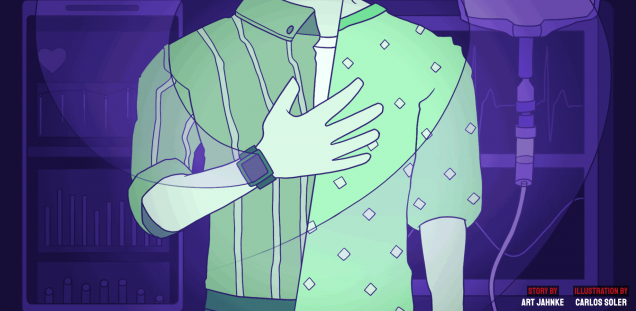
Data and algorithms can spot medical concerns early
and point to solutions
| . Every day, it becomes a little harder to find a corner of healthcare not being touched in some fundamental way by data analytics. That Fitbit on your wrist may soon send your resting heart rate to Google, where it would join the electronic health records of millions of others, and where algorithms could yield comprehensive patient profiles that will be available to healthcare providers anytime, anywhere. Those providers, incidentally, will very likely deliver that care more efficiently after their workflows have been reconfigured by algorithms. Just about everything, from our heartbeats to our blood cell counts to our waiting time at the doctor’s office, may soon be tracked, analyzed, compared, and ideally, improved by the mathematical insights of data science. Artificial Intelligence, or AI, is coming to healthcare, and it’s coming fast, even as the risks of all that data in the hands of healthcare providers are still being uncovered and explored. . |
Researchers the world over see big data as a way to help huge communities of people—and individuals. At Boston University, on the macro side, algorithms analyzing millions of geotagged tweets are being used to identify physical characteristics of neighborhoods that contribute to healthier lifestyles. And on the micro side? Algorithms are searching scans of human brains for proteins that may be indicators of Alzheimer’s disease.
Let’s take a look at a few of the many BU projects that use big data to tackle medical problems by utilizing the multidisciplinary expertise of the University—matching public health experts with computer science people, or electrical engineers with medical doctors.
Answers from the Other Side of the Planet
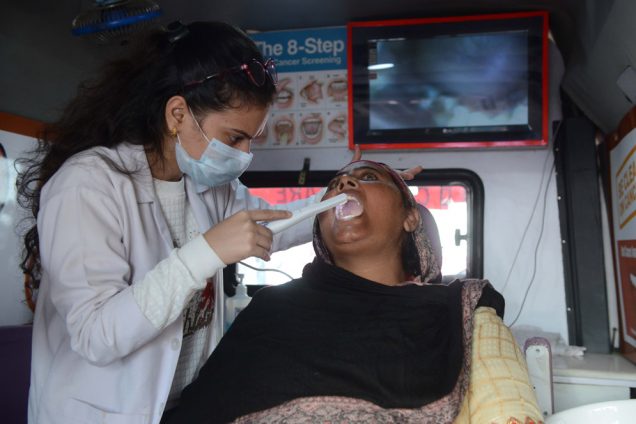
Gerald Denis, a BU School of Medicine associate professor of pharmacology and medicine, believes an important key to understanding health problems in Boston can be found on the other side of the planet. Denis is building a secure, privacy-preserving database of clinical, molecular, and cellular information from cohorts of cancer and diabetes patients at the School of Medicine and from hospitals in Mumbai and Bangalore.
“This project is meeting a need to compare data across institutions,” says Denis, who is working with Anand Devaiah, a MED associate professor of otolaryngology, neurological surgery, and ophthalmology and director of the Biomedical and Health Technology Development & Transfer Domain for BU’s Institute for Health System Innovation & Policy. “Here in Boston, for example, we treat a lot of breast cancer patients who are obese and have metabolic complications such as diabetes and inflammation that may exacerbate their risk for cancer metastasis. In India, clinicians also treat patients with breast cancer who are diabetic and inflamed, but who are lean rather than obese. Normally these two populations would never be compared, so we will use new computational tools to pool these two populations to reveal what is shared and what’s different.”
To preserve the privacy of patients’ medical records, Denis turned to Mayank Varia, codirector of the Center for Reliable Information Systems & Cyber Security, who used a cryptography technology called secure multiparty computation, which allows collaborative data analysis without revealing private data. Software for the research was developed by the Software & Application Innovation Lab (SAIL), directed by Andrei Lapets at BU’s Rafik B. Hariri Institute for Computing and Computational Science & Engineering. The project, in its pilot phase, was funded by the Dahod Breast Cancer Research Program and the Boston University Digital Health Initiative, a collaborative effort between the Institute for Health System Innovation & Policy and the Hariri Institute for Computing and Computational Science & Engineering.
“Working with the first pieces of data, we’ve been successful,” says Denis. “Next we need to test it with data from Boston and from India. After that, we’ll seek funding to build it out.”
Saving Money with Better Predictions
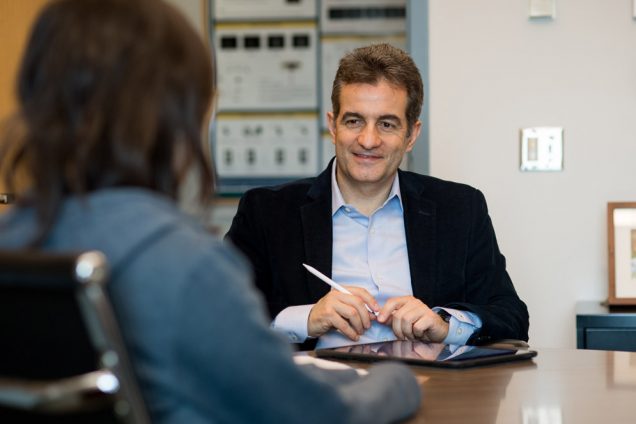
At the School of Medicine, senior data scientist Jerry Sobieraj is helping Boston Medical Center (BMC) bring down the number of patients who return to the hospital within 30 days of treatment, an event that can incur a penalty from Medicaid payers if the return rate exceeds area norms.
Working with algorithms developed by his team of analysts and with data from BMC’s electronic medical records, Sobieraj’s group categorized patients into three groups: those with a high risk, moderate risk, and low risk of reappearing at the hospital in 30 days. And because BMC has a fair share of patients who are homeless and otherwise hard to keep track of, Sobieraj has further identified a subgroup of high-risk patients who appeared to be “amenable to intervention.” Defining that cohort, whose follow-up care can be carefully monitored, may sound uncomplicated, but doing it effectively required the consideration of nearly 200 variables, including diagnoses, medications, clinical observations, fall risk, and red and white blood cell counts.
Sobieraj’s group has also built a “low acuity care” model, one that identifies patients who are likely to show up at an emergency room with a medical problem that doesn’t need the expensive care provided by emergency departments. That cohort, he says, is responsible for 30 to 35 percent of BMC’s 10,000 emergency department visits per month, each of which costs about $300.
Next steps, says Sobieraj, will involve devising an effective means of contacting that group of patients and educating them about the costs and inconvenience of emergency care overuse.
Like unnecessary emergency room visits, hospitalizations that could be avoided have been the elephant in the hospital room for decades. The latter is the target of research conducted by data scientist Yannis Paschalidis, a College of Engineering professor of electrical and computer engineering, and research partner William G. Adams, a BMC physician and a MED professor of pediatrics. Paschalidis was spurred to action several years ago, when he learned that in 2006, the United States spent about $30.8 billion on hospitalizations that could have been prevented through better patient care, healthier patient behavior, or improved ambulatory services. Now, with help from a team of graduate students and nearly $2 million from the National Science Foundation, he and Adams have built an algorithmic model whose analysis of medical records can flag patients at increased risk for medical emergencies with greater than 80 percent accuracy. The two researchers have so far focused on chronic heart disease and diabetes, and they aimed at patients who would require hospitalization within a year. “In terms of cost,” says Paschalidis, “care for these patients is a large percent of preventable hospital care.”
The researchers are also at work on a similar project, aimed at reducing the number of readmission penalties, using algorithmic analysis of electronic health records from general surgery patients, to predict which patients are likely to reappear at BMC within 30 days of their procedure.
Yet another BU project has teamed up Paschalidis with systems engineering division head Christos Cassandras, an ENG professor of electrical and computer engineering and of systems engineering, and Rebecca Mishuris, a MED assistant professor of medicine. Fueled by a three-year, $900,000 grant from the National Science Foundation, the researchers are developing a pilot health informatics system to identify patients who are at risk of heart disease or diabetes, which alone costs the United States about $5.8 billion for hospitalizations that could be prevented.
Spotting those patients sooner would enable early intervention, and ideally, says Paschalidis, personalized treatment of those patients, based in part on outcomes of treatments with different drugs.
Like the Google Fitbit plan, the project will use algorithms that incorporate data from electronic health records and from real-time sources, including wearable, implantable, and home-based networked diagnostic devices.
“Eventually, we hope to move from predictions to prescriptions,” says Paschalidis. “We have some initial results for diabetes and hypertension. The goal is to make recommendations available in electronic health records as guidance for the care provider.”
Better Scans, Faster Answers
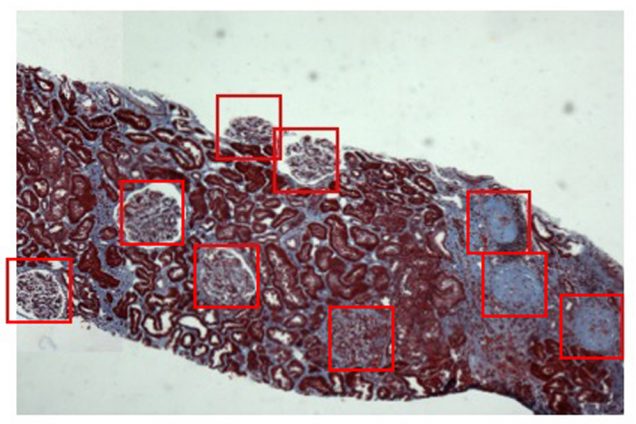
Elsewhere on the Medical Campus, Vijaya Kolachalama, a MED assistant professor of medicine, has written algorithms that may spot evidence of Alzheimer’s disease in scans of an entire brain, a big step forward from the single brain section scans of earlier quests for Alzheimer’s. The more comprehensive image not only offers researchers vastly more information, it gives it to them much faster. “Before this,” says Kolachalama, “one might have been able to analyze 10 scans a day. Now a computer can do a million scans in a week, and if that computer is learning from those million scans, then it is doing something very interesting.”
Kolachalama’s lab is also using imaging data and machine learning to explore the progression of kidney disease and osteoarthritis. His kidney disease research, which uses digitized renal biopsy data obtained from BMC, is conducted with a team of nephrologists that includes Vipul Chitalia, a MED associate professor of medicine. Algorithms for that project will predict the amount of life left within a kidney after the patient comes to the hospital and undergoes a biopsy.
Kolachalama also collaborates with Rhoda Au, a MED professor of anatomy and neurobiology and neurology and the head of neuropsychology at the Framingham Heart Study, a seven-decade-long collection of data run by Boston University and the National Heart, Lung, and Blood Institute (NHLBI). Au, whose work was recently lauded in Bill Gates’ blog gatesnotes, is looking for biometric clues to Alzheimer’s disease onset in several human behaviors. She is combing through thousands of audio files of patients recorded during health assessments, using advanced machine learning to analyze changes in linguistic and acoustic features, such as pauses, hesitation, word frequency, and pitch, which may be early indicators of disease. And in a broader effort, she has created a digital brain health–monitoring platform that via wearable devices tracks such things as sleep, walking gait, and balance.
“We are capturing a range of behaviors associated with the risk of disease,” says Au. “We are monitoring them so we can detect it much earlier than we can do right now.”
Clues in Social Media
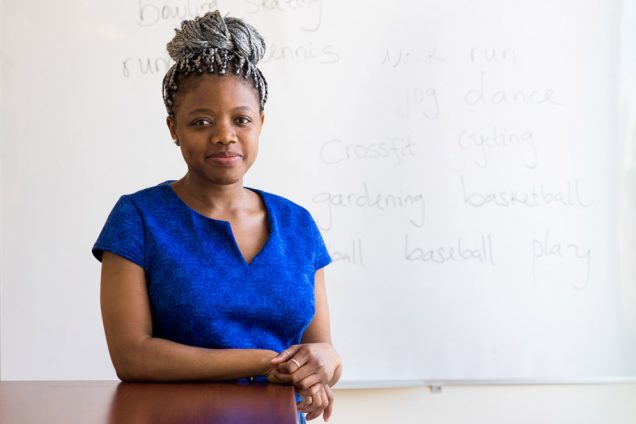
While Kolachalama goes small, Elaine Nsoesie is thinking big. The School of Public Health assistant professor of global health is using geotagged tweets to study various aspects of health in different neighborhoods. Nsoesie, a Data Science Faculty Fellow in the Data Science Initiative at the Hariri Institute for Computing and Computational Science & Engineering, was part of a team that mapped 80 million geotagged tweets from more than 600,000 Twitter users to census tracts and zip codes across the United States to develop indicators of happiness, food, and physical activity. She and SPH postdoctoral associate Nina Cesare hope to better understand how discussions of health behaviors on social media differ across demographic groups. They believe that their social media data can lead to new and better ways to assess health indicators in communities across the United States. After all, she says, that information is timely, and collecting it is much less costly than using surveys.
Nsoesie is also working with Margrit Betke, a College of Arts & Sciences professor of computer science, on a project aimed at understanding Kenyan dietary preferences. She and Betke are analyzing four million Instagram images posted by people in the East African country, and hoping to learn if, and in what parts of the country, Kenyans prefer discussing western foods to their native diets. One challenge, says Betke, has been teaching computers to recognize African foods. When they can do that, she says, they can begin to learn how “green” or how “greasy” the Kenyan diet is, and if it varies in urban and rural areas.
Like Nsoesie, Betke works simultaneously on several health-related research projects. One of her most promising, conducted with Terry Ellis (MED’05), a Sargent College of Health & Rehabilitation Sciences assistant professor of physical therapy and director of the Center for Neurorehabilitation, provides home-based physical therapy support to people with Parkinson’s disease. A camera-based AI system in the patient’s home tracks the reach and speed of the patient’s movements and compares them to ideal parameters. Software then sends an assessment to a healthcare provider, who can advise the patient to move faster or slower or further extend their movements.
All because the data told them to.
This BU Research story was written by Art Jahnke.
Parking and Transportation Services for Memorial Day
Memorial Day is observed on Monday, May 27.
Shuttle Services
There will be no shuttle services including the HealthNet service and Boston University Shuttle.
Parking
All parking facilities will be open. 610 Garage monthly parkers may park in the 710 Albany St. or Doctors Office Building (DOB) garages. All valid 610 Garage access will be programmed to work in the 710 Albany St. and DOB garages on Monday, May 27, ONLY. Those who are not enrolled in the monthly parking program may park in 710 and DOB garages for $8 on Monday, May 27, ONLY.
MBTA
The MBTA will be operating on a Sunday schedule, except the CT buses (CT1, CT3) which will not be operating. The Commuter Rail will be operating on a Sunday schedule. For more information, please visit www.mbta.com
Any questions? Please call TranSComm at 617-358-3506 or the Parking Office at 617-358-7592.
BUMC Faculty Promotions to Associate Professor Announced
.
The following Medical Campus faculty have been promoted to the rank of Associate Professor:
 |
Candice Belanoff, SPH, Community Health Sciences, is a maternal and child health epidemiologist who focuses her teaching and research on the relationship of systems of oppression to inequitable patterns of population health. Her recent research has addressed health outcomes related to structural racism, cesarean delivery, substance use among women of reproductive age and health outcomes related to assisted reproductive technology. Dr. Belanoff designed and is the founding director of the Community Assessment, Program Design, Implementation and Evaluation (CAPDIE) certificate program, which strives to prepare MPH students for equitable, collaborative community health practice work. . |
 |
Jasvinder S. Bhatia, MED, Medicine/Nephrology, specializes in chronic kidney disease and is director of the DaVita Boston Dialysis Center (DBDC), the largest in-center and home dialysis program in eastern Massachusetts, which serves many of the region’s most vulnerable patients. He co-created an end-stage renal disease (ESRD) task force and collaborated with Vascular Surgery, Interventional Radiology and the DBDC on successful clinical and educational programs for the transition of patients with advanced kidney disease to dialysis. Dr. Bhatia was an advisor for the development of a Best Practice Advisory for primary care physicians to establish a pathway for referral of patients at high risk of developing chronic kidney disease. He serves on the Medical Advisory Boards of the National Kidney Foundation of New England and the ESRD Network of New England. . |
 |
Sandra R. Cerda, MED, Pathology & Laboratory Medicine, focuses on cytopathology with particular expertise in the molecular diagnosis of thyroid cancer. Molecular testing is rapidly emerging to determine the need for surgical resection. She is a co-investigator on the ANCHOR Core grant and directs the cytology laboratory and the cytopathology fellowship at Boston Medical Center (BMC), and has trained medical and master’s degree students in addition to pathology residents at BUSM. . |
 |
Douglas W. Comeau, MED, Family Medicine, focuses on concussion management. He serves as medical director of the Department’s sports medicine division, head team physician and medical director for BU’s athletic training and physical therapy services, housed at the BU’s Ryan Center for Sports Medicine and Rehabilitation, which also is BMC’s sports medicine clinic. Dr. Comeau directs the Boston University Primary Care Sports Medicine Fellowship. He and his group have assisted with providing free pre-participatory sports physicals to Boston Public Schools through the Boston Scholar Athletes program. . |
 |
Laurie M. Craigen, MED, Psychiatry, is a counselor-educator who focuses on clinical interventions for youth engaging in non-suicidal self-injury (NSSI), the concept of vulnerability within clinical supervision, and clinical educator pedagogy. She has served on three national examination committees and is responsible for creating and editing the examinations that lead to licensure for the field of mental health counseling. Dr. Craigen received Diplomate Status from the American Mental Health Counseling Association for her work with children and adolescents. In 2017, she received the Educator of the Year award from Graduate Medical Sciences. . |
 |
Tracey Dechert, MED, Surgery/Trauma & Critical Care, develops national and international standards for trauma and acute care surgery patients. She studies the complex management of trauma patients to optimize the standard of care. She is a sought-after speaker on her experiences during the Boston Marathon bombing incident and subsequent scholarly work on leadership in crisis management. Dr. Dechert leads the Socially Responsible Surgery program. . |
 |
Hui Feng, MED, Pharmacology & Experimental Therapeutics and Medicine, established the Zebrafish Genetics and Cancer Therapeutics Laboratory using zebrafish to genetically screen for potential therapeutic targets for human cancers, based on tumor suppressive phenotypes. Her research studies how cancer cells adapt to cellular and microenvironmental stress and evade immune surveillance in zebrafish. She also collaborates with chemists to develop small molecule compounds to inhibit MYC-driven cancer aggressiveness. Her extramural funding includes a current R01 and foundation grants (including one from the American Cancer Society). Her publications include articles in high-impact journals such as Nature, Nature Cell Biology, Cancer Cell and Leukemia. . |
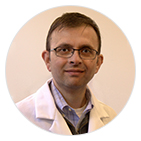 |
Rafael Mauricio Gonzalez, MED, Anesthesiology, focuses on difficult airway management, with particular expertise in cardiovascular and thoracic anesthesia. His interest in patient safety is evidenced by his integral participation with BMC’s Emergency Airway Response Team, Enhanced Recovery After Surgery program, Universal Protocol in procedural settings and blood transfusion reductions in the operating room, among other efforts. His many honors and awards include the Golden Apple Award for excellence in teaching and the Ellison Pierce Safety Award for clinical safety. . |
 |
Jacey Greece, SPH, Community Health Sciences, designs and evaluates environmental interventions focused on ultimately changing behavior in underserved populations. She has developed a framework and website for practice-based teaching and teaches courses focused on this pedagogy – partnering students with community agencies to create innovative, evidence-based and actionable public health solutions to current problems. For this work she was the recipient of BUSPH Education Innovation Award. Dr. Greece serves as the evaluator for a CDC grant to assess system-wide approaches to alcohol use, is working with the GBFB to develop a measure of hunger in communities, and is actively involved in various education evaluation initiatives across BU/BMC. . |
 |
Natasha Hochberg, MED, Medicine/Infectious Diseases and SPH, Epidemiology, focuses on the interaction between tuberculosis, parasitic diseases and malnutrition. Although these conditions are often considered independently, Dr. Hochberg’s innovative work addresses the fact that they often are coincident and interact clinically and immunologically. She also has made major contributions to the epidemiology of parasitic diseases. She is the PI of three grants, co-PI/co-investigator on four and recently was awarded a prestigious five-year, $2.2 million grant from the Warren Alpert Foundation to study the impact of nutrition and parasites on tuberculosis in India. . |
 |
David K. Jones, SPH, Health Law, Policy and Management, is a health policy scholar focused on the connections between politics, policy and health. He has been awarded AUPHA’s John D. Thompson Prize for Young Investigators, Academy Health’s Outstanding Dissertation Award, and the BUSPH Excellence in Teaching Award. His book, "Exchange Politics: Opposing Obamacare in Battleground States" (Oxford University Press 2017), examines how states made decisions about implementing key components of the Affordable Care Act. His work has appeared in high-impact journals and he has been cited in the New York Times, the Washington Post and the Wall Street Journal, among other media outlets. . |
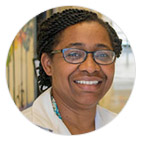 |
Natalie Joseph, MED, Pediatrics, works to continue reducing disparities in adolescent prenatal care, birth and child health outcomes, and injury prevention between low-income and minority pregnant and parenting teens. She serves as medical director for BMC’s Teen and Tot Program, a national model of how to provide bi-generational, family centered pediatric care to a particularly vulnerable population, and has developed novel educational programs for medical students interested in learning about adolescent pregnancy and parenthood. Her research focus is in human papilloma virus (HPV) prevention, and she received two prestigious American Cancer Society Awards to continue her work in HPV vaccination. . |
 |
Robert M. Joseph, MED, Anatomy & Neurobiology, is a scientist, educator and mentor who studies the developmental neuropsychology and neuroscience of autism spectrum disorders (ASD) and neurodevelopment in children born extremely preterm. He directs the neurocognitive and neurobehavioral outcomes component of the NIH-funded Extremely Low Gestational Newborn (ELGAN) Study. He has been continually funded since his initial appointment to the department in 2001. . |
 |
Hasmeena Kathuria, MED, Medicine/Pulmonary, Allergy, Sleep & Critical Care, studies lung cancer prevention and treatment interventions for tobacco dependence in underserved populations. She is considered one of the American Thoracic Society (ATS)’s leading experts on implementation of tobacco treatment programs in various clinical settings and is Vice-Chair elect of the ATS Tobacco Action Committee. She has been selected by the American College of Chest Physicians to chair a committee to develop a clinical guideline on implementing inpatient tobacco treatment services. She is PI on a grant from the American Lung Association, co-investigator on an NIH R01 and a PCOR1. . |
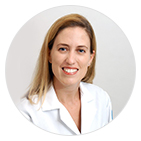 |
Christina A. LeBedis, MED, Radiology/Body Imaging, studies emergency computed tomography (CT) of liver, spleen, hepatobiliary, bowel and pelvic trauma. Her imaging study of bile leaks following hepatic trauma has influenced the evaluation of patients with high-grade hepatic injuries at US hospitals. In addition to publishing seminal studies on emergency CT imaging, she has been asked to contribute to radiology guidelines, certification, and best practices in her clinical field. Dr. LeBedis has received numerous teaching awards and was elected to the Alpha Omega Alpha Honor Medical Society as a faculty member in 2014. . |
 |
Baojun Li, MED, Radiology, is an established academic medical physicist and imaging scientist. In his professional capacity as an employee of Radiation Safety, and with his vast experience at lowering CT dose through technology refinement, Dr. Li has served as a singular proactive champion for radiation safety. He has been issued 23 U.S. patents and is an associate editor for Medical Physics and the OMICS Journal of Radiology. . |
 |
Honghuang Lin, MED, Medicine/Computational Biomedicine, a bioinformatician with extensive experience in the analysis of genetics and genomics data, works with the Framingham Heart Study and several large consortia such as the Cohorts for Heart and Aging Research in Genomic Epidemiology (CHARGE) Consortium. Dr. Lin and his colleagues have identified hundreds of genetic loci associated with complex diseases including atrial fibrillation, inflammation and Alzheimer’s disease. He also develops machine learning models for the early diagnosis of diseases using a large collection of blood biomarkers, images and genomics data. Dr. Lin has served on multiple study sections, program committees and editorial boards. . |
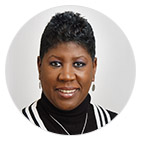 |
Sandra Looby-Gordon, MED, Medicine/GIM, specializes in the field of addiction medicine. The recipient of the Department of Medicine’s Evans Clinical Excellence Award, she serves as an addiction specialist in Faster Paths Clinic at BMC, an opioid urgent care center that aims to give patients faster access to substance use disorder treatment; is a methadone provider at the Boston Public Health Commission (BPHC), and medical director at the BPHC Bay Cove Treatment Center. . |
 |
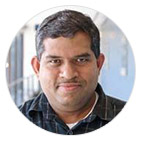
Shruthi Mahalingaiah, MED, Obstetrics & Gynecology, focuses on air pollution exposures and gynecologic disease incidence, particularly the association of air pollution exposures, incident infertility and menstrual irregularity. She was selected for the prestigious Building Interdisciplinary Careers in Women’s Health (BIRCWH K12) from 2011-14, and created the Ovulation and Menstruation (OM) Health Study and the Boston Medical Center Polycystic Ovary Syndrome cohorts (~68K women). This work received the Early Investigator Award from the Endocrine Society in 2016. Dr. Mahalingaiah has been continuously funded since 2011. She collaborated on a menstrual tracker application for use in the OM health study, which has a global user base of 12 million women. With this breadth of data, she is developing predictive models to identify women with early stage gynecologic disease. Her lab collaborated with director Phyllis Ellis on the documentary “Toxic Beauty,” featuring one of her students. . |
 |
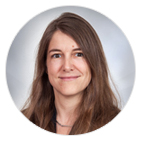
Christopher Manasseh, MED, Family Medicine, focuses on hospital medicine. As director of the Family Medicine/Boston HealthNet Inpatient Service, he implemented a variety of initiatives to improve patient care and throughput within the hospital. He also initiated a true team-oriented care model on the floor by implementing the Agency for Healthcare Research and Quality (AHRQ) TeamStepps (Strategies and Tools to Enhance Performance and Patient Safety) curriculum for all clinicians and staff. In addition, Dr. Manasseh pioneered the 2x10 rule (discharging two patients each day by 10 a.m.), designed to reduce the average time of discharge by one hour. . |
 |
Gesine Meyer-Rath, SPH, Global Health, works on economic analyses that change public policy. One of the models she built, the National ART Cost Model, has been used to inform HIV policy and guidelines in South Africa for the last decade, including two national HIV strategic plans, four sets of ART guidelines and numerous national budgets and proposals to the Global Fund to Fight AIDS, Tuberculosis and Malaria. Her work on the South African HIV Investment Case has changed allocative efficiency optimization modelling globally. . |
 |
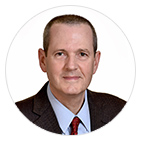
Suzanne Mitchell, MED, Family Medicine, studies health disparities in care transitions and relationship-centered care; specifically, how communication with patients and families influences medical decision-making, health behaviors and health outcomes. Her research has contributed to the redesign of care transitions for vulnerable populations. Her NIH-funded projects include development of care transition programs for patients with chronic disease and depression, and a social needs screening tool for discharge planning. Dr. Mitchell's work in relationship-centered care includes an AHRQ career development award in shared decision making and an NIDDK R01 to study the comparative effectiveness of a virtual world social gaming platform for diabetes education. She received a 2017 article impact award from the NAHQ for work studying the dissemination of evidence-based care transition programs. . |
 |
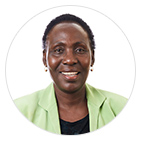
Peter Morin, MED, Neurology, studies the cell biology of Alzheimer’s and Parkinson's diseases, with a focus on Wnt signaling pathways. He also engages in clinical program development for dementia management for patients and caregivers. A service chief at the Bedford VA Hospital, Dr. Morin is the chair of the hospital Ethics Committee. He is the founder and director of the geropsychiatry unit and is leading a VA national effort to launch a web application for caregivers of community-dwelling dementia patients. In addition, he started the VA’s first Home-video Telehealth Clinic for dementia care. |
 |
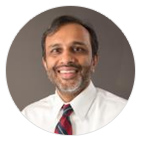
Monica Adhiambo Onyango, SPH, Global Health, focuses on managing disasters and complex humanitarian emergencies, specifically sexual and reproductive health (SRH) in disaster settings, vulnerable and marginalized populations at high risk of HIV, and strengthening health systems in low- and middle-income countries. Her recent research projects include evaluation of access to SRH services among Syrian refugees in Jordan, South Sudan refugee camps and in Nepal after the 2015 earthquake. Dr. Onyango also is the founding faculty member of the Program on Global Health Storytelling, a partnership between SPH, COM and the Pulitzer Center on Crisis Reporting. . |
 |
Ashvin Pande, MED, Medicine/Cardiovascular Medicine, specializes in complex coronary and structural interventions. Director of Invasive Cardiology and the Cardiac Catheterization Lab at BMC, he directs the multidisciplinary structural heart disease program, performing percutaneous interventions for mitral and aortic valve disease, atrial septic defect closures and the first transcatheter aortic valve replacement (TAVR) at BMC. Dr. Pande also has partnered with Pulmonary-Critical Care, Radiology and other stakeholders to lead the development of BMC’s Pulmonary Embolism Response Team (PERT). He is a frequently invited faculty to national meetings, including the American Heart Association and American College of Cardiology’s annual scientific sessions. . |
 |
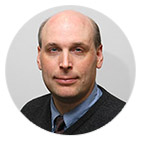
Valentina Perissi, MED, Biochemistry, is a molecular and cell biologist whose NIH- and DOD-supported work investigates the interplay between inflammation and metabolism in the context of breast cancer and obesity-induced insulin resistance and diabetes. |
 |
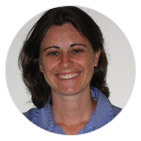
Robert W. Pistey, MED, Pathology & Laboratory Medicine, specializes in breast, head and neck, and genitourinary pathology. Medical director for the Biospecimen Archive and Research Core (BARC), he trains medical, dental and graduate students, as well as pathology and surgery residents on general pathology including tumors of the breast, prostate and genitourinary tract. His responsibilities include providing frozen section diagnoses as well as general surgical pathology and cytology services, earning him a reputation as a go-to pathologist. . |
 |
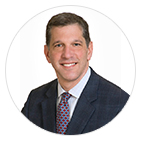
Elissa Schechter-Perkins, MED, Emergency Medicine, focuses on the intersection between public health, infectious diseases and emergency medicine. She implemented public health screening programs for HIV and Hepatitis C virus (HCV) in the Emergency Department (ED). The HCV program, now a model nationwide, was revolutionary because ED physicians focus on acute care and hadn't considered screening a function of their Department. Dr. Schechter-Perkins is PI on an industry-sponsored grant that supports the HCV screening and linkage initiative, and co-investigator on a large state grant on infectious disease prevention, linkage and retention in care. . |
 |
Jeffrey I. Schneider, MED, Emergency Medicine, a nationally recognized leader in medical education, studies graduate medical education and is the recipient of numerous local, regional and national teaching awards. He serves as the Assistant Dean for Graduate Medical Education at BUSM and as BMC’s Designated Institutional Official (DIO) for ACGME where he oversees 60+ training programs that involve more than 700 residents and fellows. He has been an invited speaker by national organizations such as the Society for Academic Emergency Medicine (SAEM) and the Association of American Medical Colleges (AAMC), and he serves as an Oral Boards Examiner for the American Board of Emergency Medicine. . |
 |
Neelam A. Vashi, MED, Dermatology, is one of a small group of dermatologists whose research and clinical work focuses on disorders that affect patients with darker skin. Dr. Vashi also has significantly contributed to the study of body dysmorphic disorder. She is the author of two textbooks, Beauty and Body Dysmorphic Disorder: A Clinician’s Guide and Dermatoanthropology of Ethnic Skin and Hair, and has been featured extensively in the media. . |
 |
Elisha Wachman, MED, Pediatrics, focuses on Neonatal Abstinence Syndrome (NAS) and perinatal substance use disorder, specifically clinical and genetic predictors of infant opioid withdrawal severity. She has participated in NAS medication trials and long-term outcome studies, and her R01 was recently funded to study buprenorphine vs. naltrexone, a multi-centered cohort study of the Safety, Efficacy, Pharmacokinetics, and Pharmacogenomics of Naltrexone in Pregnant Women with Opioid Use Disorder. She provides technical support on NAS management to hospitals around the country. In addition, her NAS quality improvement work was recognized with a national Gage Award by America’s Essential Hospitals. . |
 |
Katharine O’Connell White, MED, Obstetrics & Gynecology, is focused on women's reproductive health, by increasing access to contraception, enhancing abortion techniques and evaluating training programs in family planning. In addition to her peer-reviewed publications, she has contributed to four national guidelines and practice recommendations (CDC, WHO and Society for Family Planning). Her survey of National Abortion Federation Members on first- and second-trimester surgical abortion practices has been used to inform Society of Family Planning Clinical Guidelines. Her study on oral contraceptive side effects and depression was cited by the WHO to establish medical eligibility criteria for contraceptive use. Dr. White has had continuous funding since 2006, and has turned the OB/GYN fellowship into one of the preeminent family planning fellowships nationwide. |
Sandro Galea Aims to Change the Conversation around Health with New Book
SPH dean says more focus should be on preventing, not treating
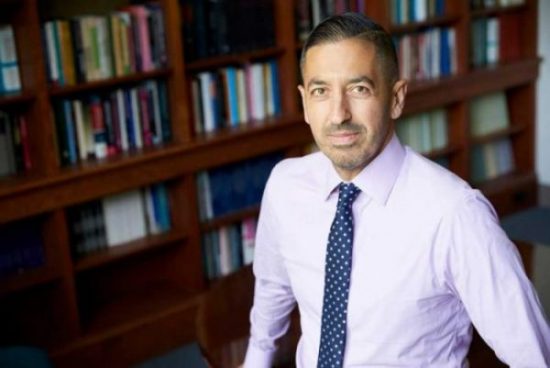
In his provocative new book, Well: What We Need to Talk about When We Talk about Health, Sandro Galea, dean of the BU School of Public Health and Robert A. Knox Professor, argues that as a society, we’ve been thinking about health the wrong way: we conflate the concept of health with the practice of medicine and place too much emphasis on treating illness rather than preventing that illness in the first place.
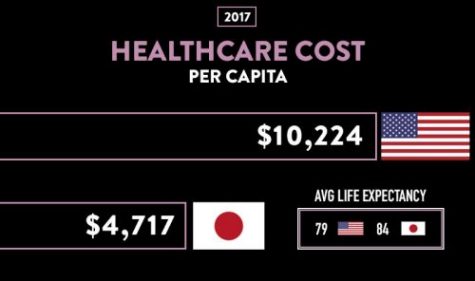
He cites study after study demonstrating that our country’s health output per dollar is worse than any of our peer countries. We’re spending money on “ineffectual, finger-wagging efforts to modify behaviors, then later on medicine to help us after we get sick,” says Galea.
Instead, he says, we need to think more deeply about the interconnected forces around us—from money and power to love and hate, compassion, fairness, and justice—and how they can lead to sustainable health and wellness.
“Our health is not defined by things like seeing doctors or taking medicines or getting in our 5,000 steps a day,” he writes in the introduction to Well (Oxford University Press, 2019). “Rather, it’s defined by the full spectrum of our life circumstances, from the families we come from to the neighborhoods where we live to the people we see and the choices we make.”
In other words, our health is both governed by, and limited by, the world we live in.
BU Today spoke with Galea about his book and his goal of shifting our national conversation about health to better focus on the forces that make us healthy. He will speak at a book signing, free and open to the public, on Friday, May 3, at the Harvard Coop.
BU Today: How did the idea for the book come about?
Galea: Well is a combination of old and new. It is partly an expression of ideas that have long simmered in my mind and partly a response to changes in our national conversation which are fairly recent, and which have, I would argue, created an opening for talking about health in a new way. The book is divided into 20 chapters, each exploring one of the core forces that shape health—forces like power, money, politics, place, love and hate, pain and pleasure, and choice. These factors are at the heart of whether we get sick or stay well, yet, historically, they have not always been part of the health conversation. This has begun to change, however, in the last few years, a process which has been informed by the unique social and political shifts of our present moment. Well is an attempt to add to this conversation, with the hope that changes to how we talk about health will lead to changes in how we structure our society, to ultimately create a world that is geared toward generating health.
You write that we have been mistaking health care for health, placing a premium on treating illness rather than preventing it in the first place. How have we gotten it so wrong?
As individuals, our experience of health tends to follow a similar pattern. We do what we can to live healthy lives, and when we get sick, we see a doctor who prescribes treatments, which, hopefully, cure us. It is understandable, then, that we tend to think of health as we experience it—almost like it is a math equation (disease plus medicine equals health). But health is far more complex than this. It is more like a web of overlapping, constantly shifting influences, which include our environment, income, education, and social identity. Because we see health through a curative lens, when we think we are talking about health, we are often actually talking about health care, and when we think we are investing in health, we are actually investing in doctors and medicines, rather than in improving the socioeconomic conditions that truly shape health. We need to correct this mismatch by investing in the core drivers of health the same way we currently invest in treatments.
You say economic justice is imperative to improving health and suggest ways to achieve that: expanding the earned income tax credit that reduces the tax burden for low-income Americans, raising the estate tax to pay for funding of public goods, and pushing for a single-payer healthcare system. But given the political climate, are any of those realistic?
We cannot be healthy if we cannot afford the resources that generate health—such as nutritious food, quality education, a good home in a safe neighborhood, or the simple peace of mind that comes with having enough money to handle contingencies. Ensuring all can access these resources means tackling the growing divide between those with an excess of economic opportunity and those with none. To ensure this access, we must pursue economic justice at the policy level.
Our politics is in a state of flux, with a range of voices competing to define the agenda for the coming decades. We have already seen how forceful advocacy can shift the window on what is regarded as feasible in the political realm. Many of the Trump administration’s policies, for example, might have been considered not merely unrealistic, but unthinkable just a few years ago—such as the policy of family separation. But just as policy can be shifted in a harmful direction, it can also be shifted towards steps that will improve health through social and economic justice. Conversations around a more progressive tax policy, for example, have informed several campaign platforms in the 2020 presidential race. The roots of tangible changes lie in changes to the conversation, and it is never too soon to work towards these shifts.
You’re optimistic that we can begin improving the forces that keep us healthy—where do you see reason for hope?
There is ample reason to hope we are moving, collectively, in a healthier direction by addressing the root causes of health. This movement reflects decades of work by health advocates, as well as public response to the dramatic, paradigm-shifting events of the Obama-Trump years. Take one of the core threats to health in the contemporary United States: gun violence. For a long time, it seemed like the politics around guns would never change, that mass shootings would continue to occur and opponents of common-sense gun safety laws would continue to block all meaningful reform. In recent years, however, we have seen the rise of a student-led gun safety movement which has begun to exercise real power and has the potential to completely change the status quo around guns by addressing the problem at the political level. At the same time, it is now common to hear gun violence called what it is: a public health crisis. It was not always this way. That we now see shootings as a threat to public health is a testament to many years of trying to change the terminology around guns, so that we could eventually change thinking and apply public health solutions to this problem, which we have now begun to do. This is what can happen when we look past the surface of health challenges to address their root causes.
You talk about the need to shift our focus away from individual decision-making and toward a broader view of choice. But in a culture that prizes individualism, is that possible?
There is a myth in our culture and politics that individual freedom is invariably at odds with collective actions aimed at promoting health. Smoking bans, food portion controls, gun safety legislation—all have at one time or another been pointed to as evidence of a “nanny state” bent on hampering individual freedom. Yet we cannot be free if we are sick. We cannot be free if we are injured or dead. Choice shapes our risk of falling prey to these outcomes, but all choices are not created equal. We like to think our health is in our individual hands, yet it is high-level choices—such as political choices to regulate dangerous products, or corporate choices to sell them—that truly decide how healthy we are able to be and how much freedom we can enjoy. Making the case for a broader view of choice means talking about these different kinds of choice and how efforts once mischaracterized as intrusive are actually ways to lessen the monopoly on choice enjoyed by the powerful and give more freedom to the individual and her choices—the freedom that comes with health.
You stop short of giving a blueprint for how to improve the conditions that shape health, saying instead that you hope others will build on the framework you set out. Do you see any candidates in the 2020 presidential race who are doing this?
The conditions that shape health are everywhere in the 2020 political debate. From economic justice to confronting America’s fraught racial history to addressing the generation-defining issue of climate change, the political conversation touches on many subjects that matter for health. It is important to note, however, that while health is intimately tied to politics, it is ultimately not a political issue. All of us wish to be well. All of us wish to build a world where our children can be healthy and safe. Politics is a means to this end; a healthy politics leads, ultimately, to healthy people.
Well is peppered with references to pop culture, like The Devil Wears Prada and Star Trek. Why was it important to cite pop culture?
Health is closely linked to culture. Books, films, and music reflect the core conditions that shape our society and our health. They also provide a common frame of reference, making them especially helpful when one is trying to illustrate an idea. Star Trek, for example, has long been interested in issues of tolerance, diversity, and how we can create a future that is radically better than our past—all of which link to the themes of Well. As for The Devil Wears Prada—it is hard to find a better example of how corporate choices shape our world than a parable of high-fashion tastemakers deciding next season’s trends from an exclusive New York office. Plus, who does not like Meryl Streep?
Speaking of pop culture, you’ve even put together a Spotify playlist to accompany the book. How did you come up with the idea for that?
As I wrote the book, I found that with each chapter, a new song would get stuck in my head. Generally, these songs would link to the theme of the section I happened to be working on. Some were silly, some serious, some outright inspiring. Eventually, I began writing them down, and the playlist was born. It started as a bit of fun, but now I wonder how I ever released a book without one.
Listen to the Spotify playlist for Well below.
Sandro Galea will be on Reddit I/AmA today, Friday, May 3, at noon ET, to discuss what we should think about when we discuss health and wellness on an individual, national, and global scale. Join the conversation and ask any questions related to health, wellness, and global public health.
Galea will discuss his new book, Well: What We Need to Talk about When We Talk about Health, on Friday, May 3, at a book talk and author signing at the Harvard COOP, 1400 Massachusetts Ave., Cambridge, at 7 pm. The event is free and open to the public. Register here. By public transportation, take an MBTA Red Line train to Harvard Square.
This BU Today story was written by John O’Rourke.
BU Receives Massachusetts Life Sciences Capital Grant
Funding will develop new brain imaging techniques to better understand diseases like CTE, Alzheimer’s

There is currently no way to track the subtle brain changes caused by traumatic head injuries or degenerative neurological diseases—but that’s finally poised to change. A $4.9 million grant from the Massachusetts Life Sciences Center (MLSC) has been awarded to the Center for Translation Neurotrauma Imaging (CTNI) at the Boston University School of Medicine. With support from the grant, the CTNI will improve brain imaging techniques and open doors to developing diagnostics and treatments for neurodegenerative diseases.
In addition to the MLSC grant, the CTNI has received additional in-kind donations valued at $6.3 million, and it will collaborate with clinicians and researchers at Boston Medical Center, which has the busiest level 1 trauma and emergency services in the region.
Center codirectors Stephan Anderson and Lee Goldstein say that the CTNI’s efforts will bridge a critical imaging gap and will lead to better clinical care for people with diseases like Alzheimer’s, which is difficult to diagnose in its early stages and currently has no cure. The researchers are also interested in developing imaging techniques to be able to see signs of chronic traumatic encephalopathy (CTE), which cannot yet be detected in living people, but has made news headlines for being found in hundreds of brains from deceased National Football League players and military servicepeople who sustained repetitive hits to the head during their lives.
The gap in imaging technology must be filled before emerging treatments for brain injury can be successfully tested and used clinically in humans, says Goldstein, a MED associate professor of psychiatry, neurology, ophthalmology, pathology and laboratory medicine, and radiology, and a College of Engineering associate professor of biomedical engineering and of electrical and computer engineering.
The CTNI will also research new ultrasound imaging and focused ultrasound applications.
“The use of focused ultrasound is an emerging area in neuroscience, enabling fundamental discoveries in neurotrauma as well as the potential development of novel, acoustically enabled therapeutics,” says Anderson, a MED professor of radiology and an ENG professor of mechanical engineering and a faculty member of both the Nanotechnology Innovation Center and the Photonics Center.
MLSC received 45 applicants for grants, ultimately awarding a total of $30.5 million to 11 proposals. The MLSC Competitive Capital Program is designed to provide grants for capital projects that support the life sciences ecosystem in Massachusetts by enabling and supporting life sciences workforce development and training, research and development, commercialization, and/or manufacturing in the commonwealth.
This BU Today story was written by Gina Digravio.
Natasha Hochberg Awarded 2019 Global Programs/BU Foundation-India Seed Fund

Associate Professor of Medicine Natasha Hochberg, MD, MPH, has been awarded the Boston University Global Programs and Boston University Foundation-India Spring 2019 Seed Fund. Her research proposal “Scaling Up Nutritional Interventions to Stop Tuberculosis in India,” seeks to determine optimal implementation strategies for nutritional interventions as part of the effort to combat tuberculosis (TB) in India.
Dr. Hochberg’s study includes identifying the direct and indirect costs of TB for an individual and his or her family, including lost wages, absenteeism from school and money needed for treatment. This will form the basis for developing a cost-benefit analysis of the intervention programs that reflects direct health benefits as well as broader community and social impact.
“I’d like to thank BU’s Global Programs and BU Foundation-India for this opportunity,” said Dr. Hochberg, who is also associate professor of Epidemiology, BU School of Public Health. “This work will help us understand how to scale up nutritional interventions to stop tuberculosis in India, where more than a quarter of the world’s cases occur. In collaboration with our partners at BU and in India, we hope to address some of the complex biomedical, public health and economic challenges associated with this disease.”
Dr. Hochberg will work with a multidisciplinary team of BU co-investigators: Nalin Kulatilaka, PhD, Wing Tat Lee Family Professor in Management, professor of Finance, and co-director of the Susilo Institute for Ethics in the Global Economy, Questrom School of Business; and Lindsey Locks, ScD, assistant professor, Health Sciences, Sargent College of Health and Rehabilitation Sciences. Drs. Kulatilaka and Hochberg met last year at an International Education Week event sponsored by Boston University Global Programs, where they were panelists for a talk on “Why Engaging Globally Matters.”
The BU team will also collaborate with an India PI on this study, Subitha Lakshminarayanan, MBBS, MD, associate professor, Jawaharlal Institute of Postgraduate Medical Education and Research (JIPMER), Pondicherry, India.
“We are excited to win the seed grant for this project,” said Dr. Lakshminarayanan. “This will facilitate testing optimal implementation strategies for nutritional interventions as we work to help fight TB in India.”
Dr. Lakshminarayanan offers extensive experience in teaching and in researching non-communicable diseases, public health advocacy, medical education and health management, especially as it relates to India.
“We are thrilled to award the 2019 seed fund to Dr. Hochberg,” said Willis Wang, JD, Vice President and Associate Provost for Global Programs. “Dr. Hochberg’s work and international experience in studying infectious disease, parasitic disease and tuberculosis is prolific. Her collaboration with a multidisciplinary team of BU co-investigators, Drs. Kulatilaka and Locks, and the India principal investigator, Dr. Lakshminarayanan, will illuminate the power of working together on complex, global issues. We look forward to learning about the progress they make in helping combat tuberculosis in India.”
About the Award
The BU Global Programs and Boston University Foundation-India (BUFI) Seed Fund Program is designed to seed new or support existing collaborative research projects in India conducted by BU faculty and their peers in India. The research project may be in any discipline, but must directly benefit India. Review criteria for the seed fund include:
-
- Clearly articulated potential for measurable positive impact on India and leads to improved quality of life for its people
- Likelihood that the project will lead to subsequent external funding
- Well-defined and achievable project scope, activities and goals.
Julie Palmer Named Director of Slone Epidemiology Center

David W. Kaufman, ScD, Professor of Epidemiology, has decided to step down as Director of the Slone Epidemiology Center, effective June 30. Julie R. Palmer, ScD, Karin Grunebaum Professor in Cancer Research and Associate Director of Slone, will become the next Director.
Slone is a Medical Campus epidemiology research center, founded in 1975. Its initial focus on medication use in relation to cancer, heart disease, birth defects and rare drug-induced conditions has, over the years, been expanded to include behavioral, psychosocial, socioeconomic, environmental and genetic factors. Current major programs include the Black Women’s Health Study, infant care practice studies and pharmacoepidemiologic studies of birth defects. In keeping with its multidisciplinary approach, Slone faculty have appointments at BUSPH Department of Epidemiology, BUSM Department of Medicine (Sections of Hematology/Oncology and Preventive Medicine) and BUSM Department of Pediatrics. There is also a close collaboration with the BU/BMC Cancer Center, of which Dr. Palmer is Co-Director.
After many years in office space near the Charles River Campus, Slone moved to the Medical Campus in 2017. Dr. Kaufman has spent his entire career at the Center and its forebears; he assumed the Directorship in 2016 and was instrumental in overseeing the successful transition to its current location on L-7. After stepping down, he will continue with a reduced schedule of research activities at Slone and in his role as Chair of the BUMC IRB Panel Orange.
Dr. Palmer joined Slone and the faculty of the Department of Epidemiology after receiving her doctorate from the Harvard T.H. Chan School of Public Health in 1988. Her research program focuses on cancer health disparities and includes collaborations with investigators across BUMC. She is currently the Karin Grunebaum Professor in Cancer Research, with a primary faculty appointment in the Department of Medicine, Hematology/Oncology Section.