Student Updates
BUSM Faculty Promotions to Professor Announced
The following BUSM faculty have been promoted to the rank of professor:
 Ron Medzon, Emergency Medicine, is a pioneer in medical simulation; he has developed 20 curricula and simulation programs (17 in rank) and mentored educators from many departments and neighborhood health centers in their development of simulation-based curricula. An attending physician in Boston Medical Center’s (BMC) Emergency Department, he serves as the director of BMC’s multidisciplinary Solomont Center for Clinical Simulation and Nursing Education. For 24 years he has advised and mentored students, residents and junior faculty at BUSM and BMC, some of whom have become leaders in their fields. Dr. Medzon also is an assistant dean for admissions and has served on the admissions committee for 19 years. His impact on medical student education goes beyond the walls of BUSM. He is the co-editor of a 'first-of-its-kind' medical student EM textbook, "Introduction to Emergency Medicine," which is used in the curriculum at BUSM and other medical schools around the country. He has worked on several medical missions to Haiti, is medical director of Community Health Partnership Honduras, a nonprofit that serves as de facto health care provider for 50 communities in Honduras, and travels regularly to Fort Defiance, Ariz., to provide clinical emergency care to the local Navajo population.
 Rachel Powsner, Radiology, is a clinician, educator and mentor in nuclear medicine and molecular imaging. She is a master nuclear medicine imager who sets the standard for the next generation of clinicians and teachers. She made a major contribution to Radiology education through her first authorship of the seminal textbook, “Essentials of Nuclear Medicine Physics,” published in 1998 and soon to be published in a fourth edition. It is considered a go-to resource for clinicians in training across the country and around the world. In addition, Dr. Powsner expanded the nuclear medicine therapeutic program providing service for patients at the Boston Veterans Administration Hospital as well as referral patients from VA hospitals in several adjacent states; this program included updating the radioiodine therapy program, initiating Ra-223 treatment for prostatic bone metastatic disease, and playing a lead role in the establishment of a multidisciplinary Y-90 microsphere treatment program for patients with unresectable hepatocellular carcinoma.
 Christine Reardon, Medicine/Pulmonary, Sleep and Critical Care, focuses on patient care related to intensive care, lung cancer and neuromuscular disease. She also is faculty member in the pulmonary thoracic oncology program at Boston Medical Center (BMC). Her research interests include mechanical ventilation in the intensive care unit, ventilator associated pneumonias and lung cancer. Dr. Reardon has developed and instructs simulation training programs in airway management, bronchoscopy, tracheostomy, and ventilator training for pulmonary fellows. She also instructs in procedural training for internal medicine residents. In addition to these roles, Dr. Reardon is director of respiratory care services at the Pappas Rehabilitation Hospital for Children, located in Canton, Mass., formerly the Massachusetts Hospital School, where she provides pulmonary consultative services to its pediatric neuromuscular disease clinic.
BUSM Faculty Promotions to Associate Professor Announced
The following BUSM faculty have been promoted to the rank of associate professor:
 Soukaina Adolphe, Pediatrics, is co-medical director of the GROW clinic, in the division of Developmental and Behavioral Pediatrics as well as the founder and director of the EASE clinic, which serves families of children with special education needs, many of whom are not English-speaking. She administers the Diagnostic test to make the diagnosis of autism in the first three years of life. An avid educator of medical students during their pediatric clerkship, she is an innovator and mentor to students and other members of her patient care teams.
 Jori A. Berger-Greenstein, Psychiatry, is a behavioral medicine psychologist, core faculty member in the BU Mental Health Counseling and Behavioral Medicine Program, and a staff psychologist in the Adult Behavioral Health Psychiatry Clinic at Boston Medical Center. She has developed expertise in field of ethics and training mental health providers in ethics and ethical decision-making. Dr. Berger-Greenstein constructed an innovative model for teaching ethics, which she has presented at American Counseling Association and Association for Counselor Education and Supervision conferences. She also recently completed a fellowship in Bioethics at Harvard Medical School. In addition, she is a member of the BMC Ethics Committee and the Ethics Consult Team, conducting consults with her colleagues on ethical dilemmas throughout the hospital.
 Sarabeth Broder-Fingert, Pediatrics, is a leader in the field of autism services research. Primarily funded by NIMH, her work seeks to improve access to services for urban children at risk for autism; she serves as a PI on multiple R01 awards from NIMH - leading a national effort to understand long-term outcomes of children with autism detected through a set of innovative service system delivery programs; testing optimization strategies for Family Navigation; and developing implementation strategies for autism treatments in Early Intervention. Dr Broder-Fingert also is a leader within the Department; she has served as a member of the Intern Selection Committee at the Boston Combined Residency Program (BCRP) in Pediatrics since 2015. She also is a member of the BCRP Council and the Residency Program Training Council, and is a leader in the hospital-wide autism friendly initiative to improve the medical experience for individuals with autism. Nationally, she is a founding member of the NIMH Autism Spectrum Disorder PEDS Network, a founding member of the NIMH-funded RISE Research Network, a member of NIMH study section, and is a core member of the HRSA Healthy Weight Research Network.
 Thomas Field, Psychiatry, holds the honor of authoring the first two books published on the topic of neuroscience integration into counseling practice by the American Counseling Association, which remain the only two books published by the ACA on this topic. An outstanding educator, in the three years he has worked at BUSM, he has trained and supervised more than 100 BU mental health counseling interns as well as mentored 14 students. He was co-PI and is current PI on a SAMSHA grant to train counseling students in substance use disorder assessment and treatment. He serves on the standards revision committee of the national accreditation body for counseling, the Council for the Accreditation of Counseling and Related Educational Programs (CACREP). He is associate editor of the Journal of Mental Health Counseling, and co-editor of the neurocounseling section of Counseling Today. He has served as chair of the Neuroscience Interest Network since 2015, and Chair of the Neuroscience Taskforce since 2018, both within the American Mental Health Counselors Association.
 Cara Fuchs, Psychiatry, is a clinical psychologist who serves as vice chair, chief of psychology and director of Integrated Behavioral Health. She also has served as co-director of the Center for Multicultural Training in Psychology. Her work focuses on identifying ways of improving equity in access to and engagement with behavioral health services through innovative approaches to integration in primary care and other medical settings. She has developed behavioral health screening workflows and implemented evidence-based behavioral health services in primary care. She regularly presents locally and nationally on the topic of Integrated Behavioral Health to multidisciplinary audiences.
 Rachel Flynn, Pharmacology and Medicine, focuses on DNA damage repair and mechanisms of telomere maintenance in cancer. Her research has led to the identification of genetic mutations that contribute to the activation of the alternative lengthening of telomeres (ALT) pathway and facilitated the development of small molecule inhibitors that target ALT positive cancers. A proponent of university-wide cancer initiatives, Dr. Flynn organized a seminar series showcasing BU research to unify interdisciplinary cancer researchers and foster collaborations within the university. Supported by funds to bring in outside speakers, the series has grown into a cancer community series uniting basic and clinical scientists. In April 2019, Dr. Flynn was appointed Co-Director of the Genome Science Institute to expand genetics and genomics research within the Cancer Center community.
 Scott Hadland, Pediatrics, is known for his work in adolescent health and substance use. Dr. Hadland's clinical and research interests focus on youth substance use disorder prevention and treatment. As part of these efforts, he seeks to improve education on addiction to pediatricians in the US and beyond. Dr. Hadland has also studied the potential influence of the pharmaceutical industry in physician prescribing of opioids and stimulants. He is one of a only small number of clinicians in the United States with triple-board certification in General Pediatrics, Adolescent Medicine, and Addiction Medicine. Dr. Hadland is a member of the editorial board for Pediatrics. He was the 2020 recipient of the Emerging Leader Award in Adolescent Health from the American Academy of Pediatrics and the 2020 recipient of the New Investigator/Educator Award from the Association for Multidisciplinary Education and Research in Substance use and Addiction. He was named to the Boston Combined Residency Program Teaching Honor Role (an honor given to only three faculty members each year).
 Theresa Kim, Medicine/GIM, focuses on clinical addiction care, chronic disease management and homelessness. She developed and implemented a novel, at the time, educational innovation – an Addiction Medicine Elective and was its co-director from 2007 to 2011. She developed the curriculum and structure of the elective including bedside observation of student interviews with hospitalized patients with substance use, case discussions, and lectures. Dr. Kim is co-investigator and core faculty in the BUSM Evidence-based SBIRT Student Training Project (BESST), funded by SAMHSA. In addition, she was selected to co-lead the BUSM Substance Use and Prescription Drug Misuse Vertical Integration Group to update the school’s addiction medicine curriculum.
 Vyacheslav Labunskyy, Dermatology, focuses on studying the molecular and genetic mechanisms underlying the aging process, with the goal of using this knowledge to develop novel therapeutic approaches for age-related diseases. His work utilizes a systems biology approach combining novel sequencing and live-cell imaging methods to pursue quantitative analysis of the factors that lead to or accompany aging in living organisms. Dr. Labunskyy has been supported by major NIH and AFAR grants and published a book and numerous articles in top scientific journals.
 Nidhi Kumar Lal, Family Medicine, focuses on underserved populations and full-spectrum family medicine. Her interests include teaching, advocacy, narrative medicine and global health. As a Fulbright specialist consultant in India, she has worked on developing the telemedicine aspect of the Piramal Swasthya Maternal Child health program for tribal populations. Currently serving as chair of the Minority Affairs Section at Massachusetts Medical Society, their work has initiated and forwarded several measures that focus on diversity and inclusion in medicine. Her clinical services and academics have been recognized through the Massachusetts Medical Society Community Clinician of the Year Award in 2017 and Women’s Health Award in 2019. In addition, Dr. Lal runs a podcast called Musings by Nidhi, which shares her experiences as a physician.
 Michelle Long, Medicine/Gastroenterology, is a physician-scientist with an expertise in nonalcoholic fatty liver disease (NAFLD). Director of the NAFLD Research Center and director of clinical research for the Section of Gastroenterology and Hepatology, her clinical and research interests center on the relationship between NAFLD and cardiovascular disease. She conducts patient-oriented research investigating fibrosis and inflammation in patients with NAFLD and imaging and risk stratification strategies for hepatic fibrosis. Dr. Long is the PI of projects evaluating the prevalence and risk factors for liver fat (steatosis) and fibrosis and investigating the clinical and genetic correlates of hepatic steatosis and fibrosis as measured by transient elastography. Dr. Long receives research funding from multiple sources, including the NIH (NIDDK), Doris Duke Charitable Foundation, Gilead Sciences, Echosens Corporation, and Boston University.
 James T. McPhee, Vascular Surgery, has been focused on surgical comparative outcomes research since his two-year dedicated research fellowship during his general surgery residency where he co-founded a surgical outcomes research group at UMass Medical School. Through advanced degree work at the Harvard School of Public Health he has furthered his research knowledge base that has allowed him to mentor students, residents and fellows and engage them in comparative effectiveness research techniques and writing. He leads the open surgical techniques section of the fourth-year medical students’ surgical bootcamp, and is site supervisor at VA Boston for the third-year students’ vascular surgical rotation. Additionally, he was recently promoted to the VA Boston Associate Chief of Surgery for Quality and Safety.
 Sara Meibom, Radiology, is a nuclear medicine imaging specialist who interprets general nuclear, nuclear cardiology and PET/CT hybrid imaging and has helped grow the range of provided imaging including new PET agents for the detection of neuroendocrine tumors and micrometastasis prostate cancer, as well as growing the therapeutic service providing Y90 Sirspheres, Radium 223, and 177 Lu-DOTATATE therapies to cancer patients in conjunction with their oncologists. She has a special interest in head and neck cancer imaging. She teaches nuclear medicine to medical students, radiology residents and cardiology fellows. In addition to serving as the nuclear medicine expert at multidisciplinary tumor boards, she collaborates on multiple clinical research projects including those related to head and neck cancer, chronic traumatic encephalopathy (CTE), Alzheimer's dementia, Parkinson's disease and frostbite
 Karen Mitchell, Psychiatry, is recognized for her work in eating disorders, including her investigations of comorbid trauma, posttraumatic stress disorder and eating disorders in male and female veterans. Her work has helped to build a foundation for the Veterans Healthcare Administration's (VHA) current efforts to train provider teams in VA medical centers across the country in the treatment of eating disorders. Prior to Dr. Mitchell's appointment at VA Boston Healthcare, there were very few published investigations of eating disorders in veteran samples. In the past nine years, she has published numerous papers on this topic, including findings from studies on the prevalence of eating disorders in male and female veterans, the impact of childhood, adulthood and military trauma on eating disorders, associations between intimate partner violence and eating disorders in male and female veterans, sexual orientation and eating disorders in male veterans, and associations between PTSD and eating disorders in military and veteran samples.
 Carryl P. Navalta, PhD, Psychiatry, specializes in child clinical psychology with expertise in behavior therapy and cognitive behavior therapy. He has been a core faculty member in the Mental Health Counseling & Behavioral Medicine (MHCBM) Program since 2012. His particular clinical and research interest focuses on developmental adversity as a prominent risk factor for the onset of various health conditions. He has taught the course, Psychological Trauma Across The Lifespan, for several years for his MHCBM students. Already adept in exposure-based interventions due to his cognitive behavior therapy background, he later became an expert in a science-based treatment model for the behavioral health consequences of developmental adversity, Trauma Systems Therapy (TST), which was created at BMC/BUSM. He has consulted with clinical teams nationwide on TST. Most recently, he was a member of a research team for a multisite field trial to validate the proposed diagnosis, Developmental Trauma Disorder (DTD), and consulted with an assessment team on the DTD diagnosis for participants in a randomized controlled trial of a trauma-focused treatment, Attachment, Regulation, and Competency (ARC).
 Zoran Nedeljkovic, Medicine/Cardiology, is an interventional cardiologist and director of the Interventional Cardiology Fellowship Program responsible for trainee education in the invasive cardiology laboratory. He has mentored, or co-mentored, 30 trainees in interventional cardiology and approximately 85 general cardiology fellows in basic cardiac catheterization competencies. Within the BUSM cardiovascular diseases course and cardiology teaching curriculum, He has participated in 19 different clinical trials, many of which proved to be practice-changing (including COURAGE, BARI-2D, and DAPT). He has been a 10+-year member of the BMC Multi-disciplinary STEMI Working Group, and also served on the Massachusetts Chapter of the American College of Cardiology (MA-ACC) Quality Oversight Committee.
 Thor Stein, Pathology & Laboratory Medicine, is a neuropathologist who focuses on understanding the role of age, trauma and genetics on the development of multiple types of neurodegenerative disease. His research includes the most comprehensive studies to date on beta-amyloid deposition, cerebral amyloid angiopathy, and Lewy body disease following repetitive mild traumatic brain injury. He is associate director of the Neuropathology Core for BU Alzheimer's Disease & CTE Center and a site PI and neuropathologist for a number of brain biorepositories, including the Framingham Heart Study, Agency for Toxic Substances and Disease Registry (ATSDR) National ALS Biorepository, and the VA ALS Biorepository and Gulf War Veterans' Illnesses Biorepository. Since 2012, Dr. Stein has served the Federal Government on the VA ALS Biorepository Tissue Access Committee, Department of Veterans Affairs Central Office. He is PI on numerous grants, including a VA Merit Award on the role of traumatic brain injury in the development of AD and CTE as well as multiple NIH grants focused on determining the link between epigenetic modifications, lipidomic profiles, and pathological changes in the brain as they relate to cognitive decline.
 Urvashi Upadhyay, Neurosurgery, is a skull base neurosurgeon who brings expertise in accessing and treating brain tumors, including those at the base of the brain through endoscopic and transcranial approaches. She also has a rich career in translational research in the treatment of brain tumors, which began when she was a medical student at Johns Hopkins, continued through her residency and has persisted through her time at BUSM. The focus of her work has been development of drug delivery devices that can be implanted intracranially in a tumor bed to circumvent the need for chemotherapies to cross the blood brain barrier. She is now expanding the scope of diseases that can be treated by these implantable devices in collaboration with the McGovern Institute at MIT, examining drug delivery to small deep cerebral nuclei in small volumes to treat movement disorders. She currently serves as the Neurosurgery Residency Site Director.
 Jennifer Schuster Wachen, Psychiatry, focuses on improving evidence-based cognitive-behavioral treatments for posttraumatic stress disorder (PTSD) in veteran and military populations, with a secondary interest in physical health and functioning outcomes. She has been integrally involved in the first randomized clinical trials of PTSD treatment in active duty military through collaboration with the STRONG STAR Consortium, a large national consortium linking prominent investigators in the field of PTSD research, which has had significant implications for the delivery of evidence-based psychotherapies within the Department of Defense (DoD). She has been continually funded by the DoD and serves as Co-I on several VA-funded PTSD treatment studies. She is a trainer and consultant in Cognitive Processing Therapy, and also is known for her work in the area of moral injury, conducting an invited workshop at the International Society of Traumatic Stress Studies conference, and leading an invited chapter on the topic published by the American Psychological Association.
 Sharmeel Kaur Wasan, Medicine/Gastroenterology, is an expert in inflammatory bowel disease (IBD), a champion on the importance of healthcare maintenance in these medically complex patients and the gastroenterology fellowship program director. Her research concentrates on improving healthcare maintenance of the IBD patient by focusing on vaccination strategy and her practical guide to vaccinating IBD patients sparked major interest in the field and her seminal review on the topic has been cited 195 times.
SPH Faculty Promotions to Associate Professor Announced
The following School of Public Health faculty have been promoted to the rank of associate professor:
 Patricia (Trish) Elliott, Community Health Sciences, focuses on maternal and child health teaching and pedagogy, and researches youth and family access to health services. Managing Public Health Programs and Projects, one of the five courses she developed, has become a national model as a practice-based course winning a National Innovation in Public Health Curriculum Award and a BUSPH School-wide Educational Innovation Award. Dr. Elliott’s scholarship in youth mental health and risk behaviors has resulted in peer-reviewed papers and influential technical reports which played a significant role in the state-wide expansion of a court-diversion program to connect youth with needed mental health services. She serves as director of the Doctor of Public Health program in leadership, management, and policy and as director of Education for the Department of Community Health Sciences.
 Birgit Claus Henn, Environmental Health, focuses on estimating effects of environmental exposures on the health of children and reproductive-age women, implementing novel statistical methods to evaluate effects of environmental mixtures, and improving exposure assessment methods for epidemiology. Dr. Claus Henn serves as the director of the PhD program in Environmental Health. Her current external funding includes six national Institutes of Environmental Health Sciences (NIEHS) awards on which she is PI or co-investigator. She recently completed a NIEHS K99/R00 Career Development award and was previously supported by a prestigious EPA Science to Achieve Results (STAR) fellowship. She regularly conducts journal peer reviews and serves on NIH study sections.
 Jacqueline Milton Hicks, Biostatistics, is recognized as a leader in the education of next generation biostatistics and public health professionals. She is the Co-Director of the Epidemiology and Biostatistics certificate program at the School of Public Health. She has a dual focus as an expert on statistical genetics methods and application with more than 30 publications, five as first author, in many high impact journals, and pedagogy. She is known for her work on flipped classrooms, student engagement, how to train biostatisticians to be effective instructors and other topics related to biostatistics and public health education. A six-time awardee of a SPH Excellence in Teaching Award, she was the recipient of the Teaching Award from the American Statistical Association Section on Teaching Statistics in the Health Sciences and was recently elected as Chair-elect 2021 for the ASA Section on Teaching of Statistics in the Health Sciences of the American Statistical Association.
 Helen Jenkins, Biostatistics, is known for her research on childhood tuberculosis (TB). Her work is at the interface of statistics and infectious disease epidemiology, using statistical models to further understanding of epidemics, focusing on three areas: quantifying and understanding gaps in pediatric TB, spatial epidemiology of and methods for infectious diseases, and epidemiology of drug-resistant TB. Dr. Jenkins has authored 52 publications, of which 18 are first author including the New England Journal of Medicine, Lancet and Lancet Infectious Diseases, and eight are senior author including Lancet Global Health. She is the PI of two NIH grants, a R03 grant and a multiple-PI R01 grant.
 Terri Krangel Pogoda, Health Law, Policy & Management, studies post-deployment health and community readjustment, especially employment, among post-9/11 veterans with polytrauma/traumatic brain injury (TBI) history. She is an experimental psychologist and health services researcher whose mixed methods work has revealed that many veterans with polytrauma/TBI report long-term challenges with PTSD, depression, chronic pain, sleep, and memory. Dr. Pogoda seeks to understand how physical, psychological, and psychosocial conditions impact these veterans, and how vocational rehabilitation may contribute to their recovery. She has served as primary PI, local PI, and co-investigator on research studies funded by the VA, DoD, and Robert Wood Johnson Foundation.
 Jennifer Sullivan, Health Law, Policy & Management, focuses on understanding how organizations implement evidence-based and novel clinical practices, primarily within the VA healthcare system. She develops and tailors implemenation strategies, approaches and tools to improve program implementation. More recently she has pivoted to studying suicide and suicidal behavior in veterans as an extension of improving health and quality of life for older adults. Since 2018 until mid-2020, she was part of the Executive Leadership Team serving as the Acting Associate Director for CHOIR Boston, an enormous administrative undertaking for a junior faculty member. Through it all, Dr. Sullivan has been continuously funded via the VA peer review process for over a decade.
 Kimberly Sullivan, Environmental Health, is the former associate scientific director for the Congressionally-directed Research Advisory Committee (RAC) on Gulf War Veterans' Illnesses (GWI), and is known for her work on GWI, which includes prevalence and risk factors, etiology, pathobiology and treatment development. A behavioral neuroscientist, she focuses on reducing the burden of GWI among veterans and providing insight about other related multi-factorial exposure-based central nervous system disorders. Dr. Sullivan has developed and maintained a large externally funded research portfolio of 33 grants and led 16 grants as PI, Co-PI or site PI, and directed multiple large consortia studies with national and international linkages. She has served on executive oversight and advisory committees at the Department of Veterans Affairs, served as a working group member and co-chair for the National Institutes of neurological Disorders (NINDS) common data elements for the Myalgic Encephalomyelitis/Chronic Fatigue Syndrome (ME/CFS) neurological working group, and currently serves as the co-chair for the NINDS common data elements (CDEs) for ME/CFS Oversight Committee.
 Monica L. Wang, SPH, Community Health Sciences, is known for her work on the prevention of obesity and chronic diseases among children and families, with a focus on developing, evaluating, and disseminating community-based interventions that promote healthy eating and physical activity among low-income and racial/ethnic minority populations. She is thought leader in antiracism and an expert in digital learning and online education, having taught online and hybrid courses for a decade. Dr. Wang has received numerous awards for her research, teaching and service, including the Society of Behavioral Medicine Early Investigator Award, the Greater Boston Chamber of Commerce Ten Outstanding Young Leaders Award, and the BUSPH Excellence in Public Health Practice Award and Excellence in Teaching Award.
Providing Critical Support to Early-stage Science: The CTSI Pilot Grant Program
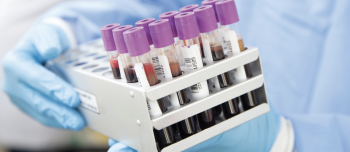 A good idea for an experiment or study is not enough to answer an important scientific question. Financial resources are required to purchase equipment, perform the science, pay laboratory or study personnel, or compensate study subjects. Financial support, in the form of a grant, can be difficult to come by as most federal grant review processes, such as NIH, are highly selective with a long turn-around time from application to receipt of funds and commencement of study activities. The Clinical and Translational Science Institute (CTSI) can help.
The CTSI Integrated Pilot Program helps investigators explore major challenges in translational sciences. The awards also foster the development of a broad range of early-stage investigators, with different backgrounds and skill-sets, to catalyze scientific careers. Available resources from the BU CTSI and co-funding partners reflect broad support from the university, its schools and Boston Medical Center (BMC). The program provides funding for innovative translational research and the development of new research methods.
Applications cover all stages of the translational continuum. As defined by the NIH National Center for Advancing Translational Sciences, translation is “the process of turning observations in the laboratory, clinic, and community into interventions that improve the health of individuals and populations – from diagnostics and therapeutics to medical procedures and behavioral interventions.”
The Pilot Program also aims to stimulate both individual and team science in translational research related to the prevention, diagnosis and management of human disease. Researchers engaged in any aspect of translational research are encouraged to apply. In particular, the program prioritizes funding awards that align with BU/BMC institutional strengths and research priorities. Examples include studies involving neuroscience or prostate cancer, substance use disorders, health disparities, or diseases that are disproportionately represented in the vulnerable populations served by our institutions.
The program also is interested in supporting the development of novel drug targets or products with commercialization potential, and in so doing connects with other established and successful programs already in existence at the University.
The CTSI has various support mechanisms designed to facilitate the design and implementation of scientific projects. Applicants to the program are encouraged to leverage these resources for their proposals.
Applicants must have a primary faculty appointment at BU, and research must be conducted at the University, BMC or any affiliated hospitals and health centers. Individuals from under-represented groups are highly encouraged to apply and seek proposal preparation support, if needed.
Since the inception of the Integrated Pilot Program in 2008, the CTSI and its funding partners including the School of Medicine, Department of Medicine, Henry M. Goldman School of Dental Medicine and BMC have provided more than $4,372,590 in funding supporting over 266 pilot projects. Examples of recently funded projects include studies that examine HIV-1 RNA modification, SARS-CoV-2 transmission among healthcare personnel and lung remodeling.
In response to the COVID-19 pandemic, the program had a specific request for applications regarding study of the SARS-CoV2 virus that resulted in 21 awards funded to 68 investigators. The Pilot Program has been highly successful catalyzing impactful science enabling success of the funded investigators; awarded pilots grants have resulted in over 200 publications, $69 million in external grants, 10 provisional IP findings, six patent applications and a company spin-off. Fifty-six percent of CTSI-funded Pilot awards were classified as interdisciplinary; applications were submitted from five different Schools and 23 different University departments.
Applications for the next award cycle are due Sept. 6 at 5 p.m. EST. The funding announcement will be made in January 2022. Find more information, including eligibility requirements, different funding levels and information on submitting an application here.
To learn more about the BU CTSI Pilot Integrated Grant Program please contact Dr. Frederick L. Ruberg at ctsisvcs@bu.edu
GSDM Faculty Promotions to Associate Professor Announced
The following Henry M. Goldman School of Dental Medicine faculty have been promoted to the rank of associate professor:
 Gurkan Goktug, Restorative Sciences & Biomaterials, provides didactic teaching and clinical mentoring to 24 postdoctoral prosthodontic residents each year. He has been the course director of the Removable Partial Denture seminar since 2015. For 17 years from 2002-2019, he was the course director for Basic Prosthodontics Techniques, a 440-hour hands-on preclinical training course for incoming residents that equips matriculating dental students with fundamental prosthodontic techniques and procedures, supported by hands-on simulation laboratory training before they start treating patients. He challenges students and residents to think creatively and consistently guides them to improve their quality of work with enthusiasm and care. An effective teacher proficient in all aspects of the specialty of prosthodontics, Dr. Goktug is the recipient of several postdoctoral prosthodontic awards for teaching excellence and faculty appreciation.
 Brenda Heaton, Health Policy & Health Services Research, is an innovative scientist in oral health disparities research. She has taught in the pre-doctoral dental curriculum and in several courses at the School of Public Health, in addition to her current teaching in the dental postgraduate program. She is the PI of a five-year R01 award (to 2023) to study the role of social networks in influencing oral health behaviors and modifying risk for various disease outcomes. Most recently, she received an R21 award to develop behavioral intervention messaging for a planned future network-based intervention in public housing communities. In addition, she has been funded to develop simulation models aimed at identifying and addressing the mechanisms responsible for producing oral health disparities. She is serving a three-year term on the board of directors for the American Association for Dental Research as a member-at-large and recently completed a three-year term as an elected officer of the Behavioral, Epidemiologic and Health Services Research Group of the International Association for Dental Research, one of that organization’s largest and most prolific scientific groups.
 Dolrudee Porsche Jumlongras, Pediatric Dentistry, clinical director of the Pediatric Oral Healthcare Center and interim program director of the pediatric dental residency program, combines excellent patient care, didactic teaching and clinical training to strengthen the residents’ education program. Her management skills in combination with a keen sense of business acumen has led to a successful and sustainable pediatric dental treatment center at GSDM. Her scholarly activities focus on complex pediatric case management, in particular, the management of dental and craniofacial anomalies such as amelogenesis imperfecta and ectodermal dysplasia. She is collaborating with faculty in the Department of Pediatrics at Boston Medical Center to improve and enhance oral healthcare services for special needs patients.
 Afsheen Lakhani, General Dentistry, a group practice leader at Goldman School of Dental Medicine and a restorative dentist at BU Dental Health Center, 930 Commonwealth Avenue, is a dynamic, creative clinician educator who developed an elective, Implementing Digital Dentistry into Your Practice, a hands-on course initially offered in spring 2020 and immediately oversubscribed. Always willing to see her students and their patients and help them with procedures and treatment plans, she also has collaborated with faculty and mentored students in various poster presentations in institutional and national meeting. Her scholarly activity includes a research project as a PI on “The Impact of Peer Mentoring on the Professional Development of Dental Students.” studying its affects and implications on dental students’ performance and overall development.
 Jess Liu, Periodontology, is a creative and progressive teacher who likes to share his knowledge with the residents. He is the Implant Fellowship program director and course director for Integrating Digital Dentistry in Treatment Planning and Complex Restorations. He instituted new treatment protocols in conjunction with the Department of Restorative Sciences, which integrated navigation and robotics in implant dentistry. In addition, Dr. Liu is highly regarded for mentoring periodontology residents on the "all-on-X" technique.
 Vasiliki Maseli, General Dentistry, is one of the five certified consultants for the Commission of Dental Competency Assessment (CDCA), fellow of the International Academy for Dental Facial Esthetics and fellow of the International College of Dentists. She teaches in the pre-clinical Operative Dentistry and is also a general supervising faculty in the treatment center. She takes an active role in the evaluation of students’ competency in Operative Dentistry, as one of the two faculty members who can ‘sign-out’ our students for this competency in Restoration of Teeth by Direct Restorations. Dr. Maseli is a recipient of the Massachusetts Dental Society’s 2021 Ten Under 10 Award, the annual list that recognizes new dentists for their significant and diverse impacts on the dental profession.
 Andrew Miller, General Dentistry, director of the Pre-Doctoral Endodontics Program, has developed and implemented the on-call protocols for the predoctoral endodontic faculty and postdoctoral endodontic residents. Dedicated to our students, he ensures they are well prepared to take the simulated licensure examination for CDCA and WREB, and he continues to improve the students’ clinical skills in the Treatment Center and preclinical endodontics courses. Dr. Miller is passionate about student development and he has distinguished himself through his commitment to dental education by enhancing the Endodontics curriculum.
 Stanislava Misci, Restorative Sciences & Biomaterials, serves as a clinical director for the Advanced Education Program in Prosthodontics, she manages and monitors activities of the Postdoctoral Prosthodontic Treatment Center, which includes overall production, chair utilization and associated revenue, creating guidelines and protocols to facilitate efficient clinical operations while adhering to required compliance protocols and best practices, overseeing prosthodontic faculty calibration, and creating programs to enhance laboratory, didactic and clinical educational experiences of the Prosthodontic residents. Dr. Misci is a course director for two postdoctoral prosthodontic courses and guest lecturer in four other postdoctoral prosthodontic courses. She actively engages residents in their clinical training, and successfully mentors them on digital workflow and treatment protocols, which has resulted in numerous poster presentations.
 Pinelopi Pani, General Dentistry, was the first of the predoctoral periodontal faculty to help students place implants using CAD CAM milled surgical guides. She also was the first of the predoctoral periodontal faculty members to use the X-Nav system with our students. This X-Nav system integrates with the Cone-Beam Computed Tomography (CBCT) to precisely plan and place implants for our predoctoral patients who require single tooth replacement by implant restoration. Dr. Pani is course director for Introduction to Periodontology and the Preclinical Periodontology courses, where students learn and practice on each other in a clinical environment, which had many challenges over the past year due to COVID-19. She also participates in several courses for DMD students and mentors residents at other institutions with their teaching and research activities.
 Goli Parsi, Orthodontics & Dentofacial Orthopedics, supervises orthodontic residents in the clinic, and directs courses in the subjects of Biomechanics and, American Board of Orthodontics Review. She also directs the Mock Board exams, and recently outlined a new course in the Multidisciplinary Approach to Sleep Related Breathing Disorders. In addition, Dr. Parsi has mentored 10 students or residents in their research, starting in her first year on the faculty, all while carrying out her own research and clinic work. Board certified in dental sleep medicine, she codirected the successful CE course in Sleep in 2018, 2019 and 2021, and is in the process of setting up a sleep clinic.
 Jayapriyaa Shanmugham, Pediatric Dentistry, supervises all the research activities conducted in the department as the director of research including two large federal Health Resources and Services Administration (HRSA) grants and also is a co-investigator in both grants. Dr. Shanmugham developed and implemented two courses for the post-doctoral students, which provide the required didactic training in research methodology. She also developed a new training module on cultural competency and oral health literacy for pre-doctoral students. Dr. Shanmugham has been a research advisor for several post-doctoral students including masters and doctoral students as well as pre-doctoral students and is the recipient of the 2021 GSDM Predoctoral Mentor of the Year Award. Dr. Shanmugham recently joined a team to teach and mentor faculty members in clinical research, as part of the GSDM faculty development program developed by the Department of Clinical Research.
 Ana Zea, General Dentistry, director of the Applied Professional Experience (APEX) and Externship programs, has led the team in revising the programs several times over the past 10 years. Under her leadership, the APEX and Externship experiences have been streamlined and systematically integrated within the didactic curriculum. She also has incorporated a service-learning component into the first-year curriculum, which integrates didactic coursework, clinical activities and reflection exercises that are now part of GD 510, Comprehensive Preclinical Dentistry, of which she is course co-director. Dr. Zea was among the first faculty members to collaborate on the implementation of an e-portfolio learning platform at GSDM. She helped to design the evaluation templates and develop rubrics for evaluation of e-portfolio projects. She also has made a significant impact in support and outreach to underserved populations by visiting our partner Community Health Centers regularly to ensure students and their patients have positive experiences.
GMS Faculty Awards Celebrate Excellence in Teaching
To recognize faculty who adapted quickly and successfully during the COVID-19 crisis and continued to provide students with quality education, mentoring and research experiences, GMS recently created new awards for faculty excellence.
GMS students nominated faculty members whose efforts really stood out during the pandemic and the shift to remote learning.
The award was broken down into four categories:
- Didactic teaching in GMS master’s programs
- Mentorship in GMS master’s programs
- Didactic teaching in GMS doctoral programs
- Mentorship in GMS doctoral programs
Congratulations to the winners:
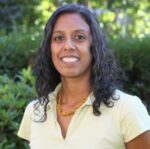 Shoumita Dasgupta, PhD, Professor and Director of the Graduate Program in Genetics and Genomics, in the “Didactic teaching in GMS doctoral programs” category.
One nomination praised her “excellent leadership and adaptability to class needs during COVID-19, especially when coupled with stresses around the November 2020 election."
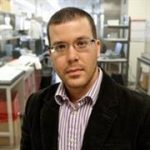 Aaron Young, PhD, Assistant Professor of Physiology & Biophysics, in the “Didactic teaching in GMS master’s programs” category.
"This man is literally unmatched in his ability convey complex topics in a simplistic manner. He is engaging with his students and illustrates his compassion in ways others fall short. I have never felt so connected with a professor through Zoom in my life."
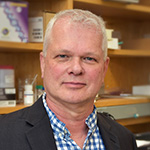 Gerald Denis, PhD, Professor of Pharmacology & Experimental Therapeutics, in the “Mentorship in GMS doctoral programs” category.
"He is very sympathetic of everyone’s situation, not only recognizing it is difficult times, but also trying to understand what we are going through individually. He always spends time talking about the current situation and encourages us in the end."
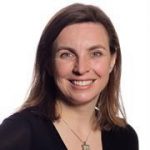
Kathleen Swenson, MS, MPH, Program Director of the Genetic Counseling Program, in the “Mentorship in GMS master’s programs” category.
"Kathleen has put the students FIRST during the entirety of the pandemic. She was quick to start doing more frequent check-ins with each student and provided us the space to reflect, grieve, support each other, and create change together. That was an emphasis of Kathleen’s – she helped us move forward as a program, together."
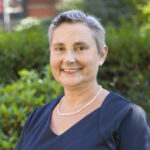
Theresa Davies, PhD, Director of the Oral Health Sciences Program, in the “Mentorship in GMS master’s programs” category.
"Dr. Davies has been the most supportive and caring professor I have encountered during COVID. She adapted our program to fit every one of us, even though we weren’t all in Boston. When I had COVID, she specifically reached out every day to check on me, and I have never had a professor care like that before. She is such an inspiration."
Thank you to our winners, and to all GMS faculty, for persevering and finding innovative teaching solutions in a truly unprecedented year!
Annual RO Water Maintenance Shutdowns Begin Wednesday, May 26
Please be advised that the annual campus-wide RO (Reverse Osmosis) water service shutdowns and/or sanitizations begin Wednesday, May 26.
- E-Building, Evans Building | 75 E. Newton St. | 7 a.m.-3 p.m. Wednesday, May 26
- X-Building, EBRC: Evans Biomedical Research Center | 650 Albany St. | 7 a.m.-3 p.m. Friday, May 28
- W-Building, CABR: Center for Advanced Biomedical Research | 700 Albany St. | 7 a.m.-3 p.m. Tuesday, June 1
- 670 Albany St. | 7 a.m.-3 p.m. Thursday, June 3
- R-Building, Housman Building | 778 Harrison Ave. | 7 a.m.-3 p.m. Monday, June 7
- K-Building, Conte Building | 71 E. Concord St. | 7 a.m.-3 p.m. Thursday, June 10
This work is necessary for our annual service and or sanitization of the RO water system. All polishing units and other point of use systems fed by the building RO water system should be disconnected prior to the sanitization process. Failure to do this could cause harm to your polishing units.
Even though there will be water in the system during this period please do not use the system because it may contain a sanitizing chemical. The RO system being sanitized will be fully flushed and then will be on and operational for use throughout the building.
We recommend that you store in advance any RO water that may be required during the shutdown period.
Thank you in advance for your cooperation. Please call 857-260-0763 or email gawalker@bu.edu with questions or concerns.
Nahid Bhadelia to Head New BU Center for Emerging Infectious Diseases
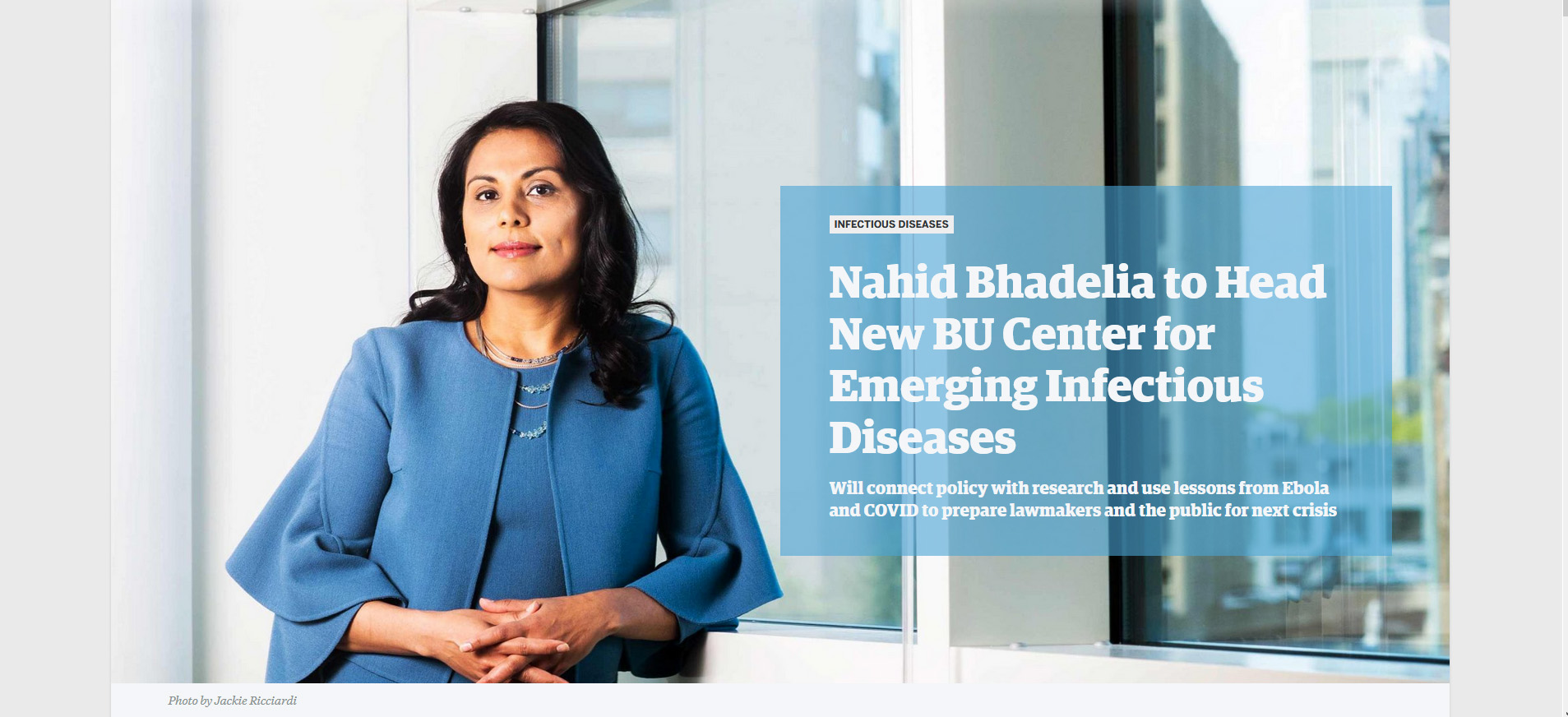
Will connect policy with research and use lessons from Ebola and COVID to prepare lawmakers and the public for next crisis
The first-floor classroom is empty inside the Boston University School of Medicine on a gray and chilly May morning in the South End. The whiteboard is marked up from earlier instruction and the only sound is the hum of fluorescent lights overhead. With an audience of one, and from behind her blue mask, Nahid Bhadelia slips on one hat after another, pivoting seamlessly from healthcare policy wonk to infectious diseases physician to MED associate professor to expert researcher in highly communicable diseases.
Listening to her, it’s easy to see why Bhadelia is such a sought-after expert voice on the coronavirus pandemic—no question, no subject, is out of her comfort zone.
With so many roles, it’s difficult to imagine Bhadelia finding time for another. But, in fact, she’s poised to take on perhaps her most ambitious professional challenge yet. On June 1, BU will launch the Center for Emerging Infectious Diseases Policy & Research (CEID), with Bhadelia as its founding director. The center’s purpose is to marry technical expertise in emerging infectious diseases—like COVID-19, Zika, and Ebola—with policy research and to provide recommendations to governments, communities, and academic institutions to help them prepare, and respond to, epidemics and pandemics at local, national, and global levels.
Read the entire BU Today story by Doug Most.
Fadie Coleman a 2021 Metcalf Award Winner
Provides path to STEM degrees for underrepresented and working students.

Teaching her first class last fall at the School of Medicine, postdoctoral associate Marianne Collard naturally had beginner’s jitters. But in Fadie Coleman, Collard found a mentor who’d taught students from college to middle and high school—and was only too happy to teach a fellow teacher.
“I met with Dr. Coleman weekly, where she helped me refine my syllabus, plan class lessons, and evaluate students’ learning,” providing guidance that was “exceptional,” Collard wrote in a letter nominating Coleman (CAS’97, MED’16), a MED assistant professor of medical sciences and education, for a 2021 Metcalf Award for Excellence in Teaching, one of Boston University’s highest teaching honors.
“Perhaps Dr. Coleman’s most admirable quality,” Collard wrote, “is her advocacy for diversity and equality. As a person of color herself, Dr. Coleman understands and empathizes with struggles minority students face, which comprise the majority of the BLCS program.”
BLCS is the Biomedical Laboratory & Clinical Sciences Program, a collaboration between MED and Metropolitan College, which offers evening classes for working students seeking bachelor’s degrees in biotechnology. It’s a gateway to STEM education—perhaps the only one—for underrepresented minorities and nontraditional students.
That’s a point of pride for Coleman, who became the program’s director on joining MED in 2017 and knows firsthand the value of such gateways. Growing up in New Jersey without professional role models, she says that “picturing myself as a scientist did not become a reality until I met encouraging mentors, who treated me like a scientist from the very first day” at BU. A University summer internship at Brigham and Women’s Hospital exposed her to medical research.
Senior year, she completed a career counseling survey “out of pure curiosity” and discovered a second passion: teaching. On graduating, she taught science in several Boston-area communities—chemistry and physical science in middle school, biology, physical science, and laboratory research in high school—and those years inform her University instruction.
“My experiences working with younger students help me to quickly assess where students are,” Coleman says, “and develop effective teaching strategies for introducing new material, reinforcing content knowledge, and encouraging critical thought at appropriate levels.” She learned another valuable lesson: “to reassure my students with great confidence that they can do the work. I love engaging with the range of students that I work with because it keeps me from forgetting what it was like to be in their shoes.”
During her directorship, the BLCS has awarded 59 bachelor of science degrees, with another 21 anticipated for this year.
“Dr. Coleman redesigned the BLCS curriculum by integrating updated laboratory techniques, scientific writings, and streamlining the internship programs,” her department chair, Hee-Young Park, a MED professor of medical sciences and education, wrote in her recommendation letter to the University’s Teaching Awards Committee. “The redesigned curriculum was well received by the students and she received positive evaluations from the students.”
Oh, and she taught four BLCS courses herself in each semester this academic year.
In addition to her BU degrees, Coleman earned a master’s from Harvard.
A gift from the late Arthur G. B. Metcalf (Wheelock’35, Hon.’74), a BU Board of Trustees chair emeritus and former professor, funds the Metcalf Cup and Prize and the Metcalf Awards for Excellence in Teaching, created in 1973 as the University’s highest teaching awards. The Cup and Prize winner receives $10,000; the Award winners, $5,000 each. A University committee selects winners based on statements of nominees’ teaching philosophy, supporting letters from colleagues and students, and classroom observations of the nominees.
This year’s Metcalf Cup and Prize winner is Steve Ramirez (CAS’10), a College of Arts & Sciences assistant professor of psychological and brain sciences. The other Metcalf Award winner is Dave Sullivan, a CAS master lecturer in computer science. The Metcalfs will be presented at the University’s 148th Commencement on May 16.
This BU Today story was written by Rich Barlow.
BUSM Adds St. Elizabeth’s Medical Center as New Teaching Hospital
The agreement will bring more medical training and research opportunities for BU medical students and faculty

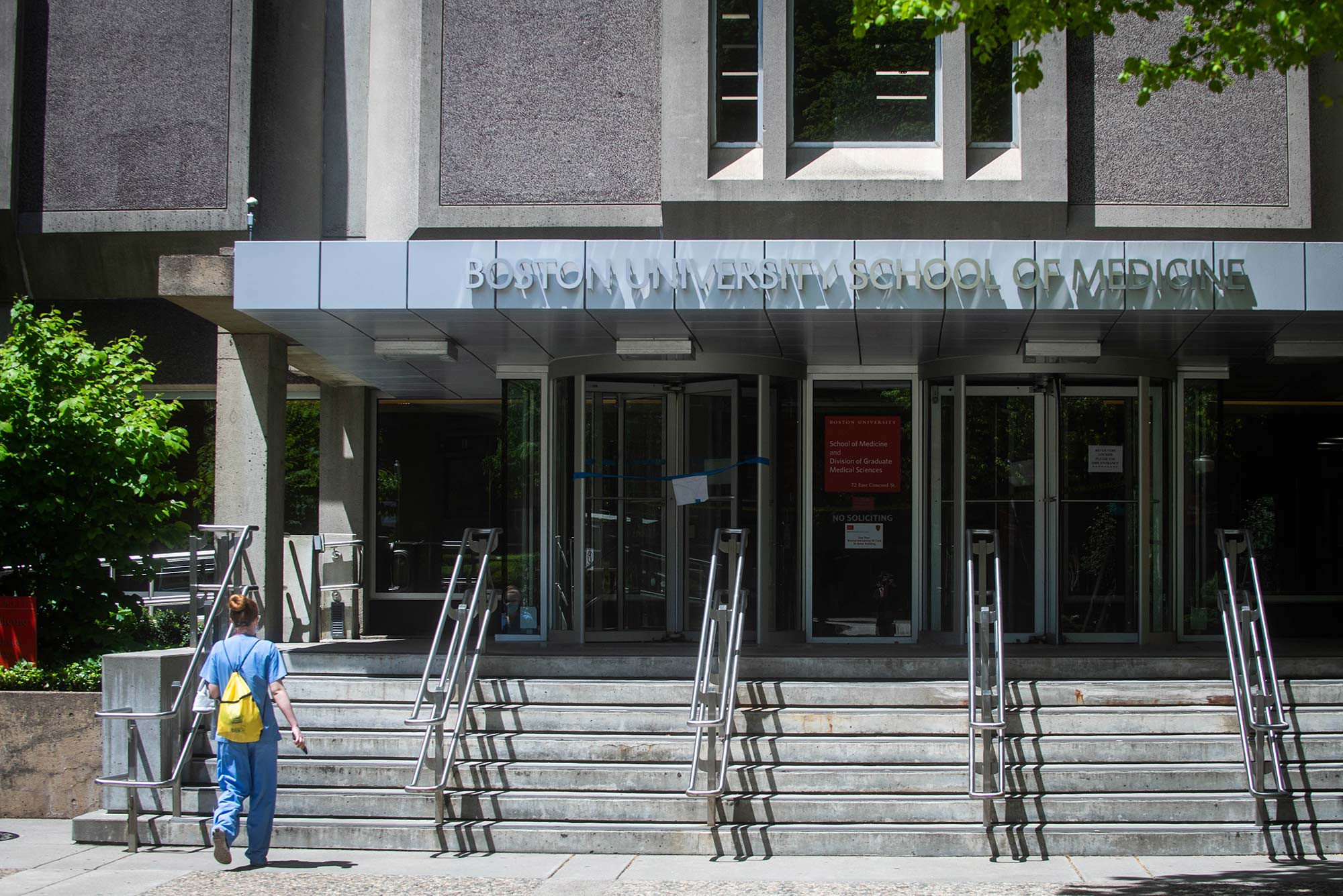
St. Elizabeth’s Medical Center in Brighton will become a Boston University teaching hospital under an agreement reached between the University and Steward Health Care, announced on Monday.
The five-year partnership, which goes into effect July 1, when the University begins its academic year, deepens and expands an existing relationship between BU and St. Elizabeth’s Medical Center (SEMC) that the parties say will benefit BU students and faculty, as well as patients of the Steward Health Care system. The deal will not impact the BU School of Medicine’s relationship with Boston Medical Center, its primary teaching affiliate.
The affiliation will bring more opportunities for BU medical clerkships for students to practice clinical rotations at SEMC’s 308-bed hospital, located about five miles west of the BU School of Medicine (MED) campus and less than two miles from the heart of BU’s Charles River Campus. Approximately 170 MED students seek clerkships during their third year of studies (third-year medical students begin their academic year in May). For faculty, the partnership is expected to lead to more collaboration on clinical research.
“I am very pleased with the new affiliation between SEMC and our medical school,” President Robert A. Brown says. “The commitment by Steward Health Care to enhance SEMC as an academic medical center aligns well with our goals in medical education and clinical research.”
Karen Antman, MED dean and Medical Campus provost, says the agreement with SEMC means more MED students—including those working to become physician assistants and mental health and genetic counselors—will be able to do clinical rotations at a nearby hospital committed to quality education.
“Medicine for future physicians, physician assistants, and mental health and genetic counseling requires hands-on patient care experience, one-on-one, or at most, small-group learning,” Antman says. “Ideally, each student is part of the team that cares for a number of patients, with increasing levels of responsibility under close supervision. This requires a large number of faculty and experiences with a large number of patients.”
This year, nine MED students at a time participated in clerkships at SEMC—in obstetrics and gynecology, psychiatry, and neurology—in rotations that last four to six weeks, depending on the specialty. MED plans to expand the number of these rotations at the Brighton hospital over the next three years and add clerkships in internal medicine, surgery, and radiology. The additional specialties and clerkship slots would mean a significant number of MED students would be studying at SEMC at any given time.
The agreement also means new clinical rotations for physician assistant and mental health and genetic counseling students—critical opportunities for professionals who must learn to collaborate, Antman says. “Optimal care requires a team of providers, not just doctors with different specialties, but also pharmacists, nurses, PAs, too. It takes a village. Students need to work in these teams,” she says.
As of the 2020–2021 academic year, MED students participate in a range of clerkships at 27 hospitals, led by Boston Medical Center (BMC). MED students also learn at more than 30 community health centers and group medical practices in Massachusetts, Maine, and New Hampshire.
“This is an exciting development for MED students and faculty,” Ravin Davidoff, chief medical officer of BMC and associate dean for clinical affairs at MED, says. “This academic affiliation offers students and faculty immediate opportunities for teaching and research collaborations and sets the stage for mutually beneficial opportunities across all of MED’s affiliates, especially BMC.”
For St. Elizabeth’s, the agreement with MED represents an opportunity to affiliate with one of the top medical schools in the country that champions quality, affordable care to all, says Harry Bane, president of Steward Health Care’s North Region. (Bane was previously the president of SEMC.)
“As a physician-led organization, Steward is committed to excellence in graduate medical education and training the next generation of physician leaders,” Bane says. “Our partnership with Boston University is the latest example of Steward investing in local communities, as St. Elizabeth’s serves as a top destination for patients throughout eastern Massachusetts who need highly specialized care at a sustainable price.”
Bane says MED’s commitment to community-based care and to vulnerable populations, demonstrated by the school’s long-standing relationship with BMC, was a big draw for Steward. “They serve patient populations that desperately need high-value care,” he says. “And that’s something we at St. Elizabeth’s have always been committed to, which is serving the underserved and the communities where we live and work.”
Physicians at SEMC also can enjoy broader clinical collaboration with MED, Bane says, that could lead to career and teaching opportunities. At the same time, MED students who study at SEMC will experience a setting where doctors are in leadership positions across the organization.
Optimal care requires a team of providers, not just doctors with different specialties, but also pharmacists, nurses, PAs, too. It takes a village.
Karen Antman
Bane says that while the agreement pertains to medical students now, SEMC is open to including educational opportunities for students in affiliated fields, such as occupational therapy and physical therapy. “Certainly over time we want to grow this relationship to bring enhanced, innovative education and clinical experiences to St. Elizabeth’s that will optimize patient care,” Bane says. “And that certainly has the potential to go to other schools and programs over time to further strengthen and mature this relationship.”
About 25 clinicians who teach MED students during their rotations at SEMC already have MED faculty appointments, and the school expects that number to grow under the agreement. SEMC faculty will not become part of the Boston University Medical Group. Instead they will hold appointments similar to clinicians who teach MED students at Veterans Affairs (VA) hospitals and at Kaiser Permanente’s regional campus in California’s Silicon Valley.
As for medical research, Antman says, the affiliation with SEMC will strengthen clinical and research collaborations with BU’s Medical Campus faculty. “Collaboration on clinical research trials will allow us to answer research questions more quickly, and expanded research collaborations are possible in, for example, genetics, heart disease, Alzheimer’s disease, and sports medicine, including chronic traumatic encephalopathy,” Antman says.
Since 1957, SEMC has been affiliated with Tufts University School of Medicine, and will transition its affiliation through this agreement, Bane says.
For BU, SEMC’s Brighton campus adds to a diverse mix of healthcare environments that benefit the training of tomorrow’s doctors.
“Students need to see medicine provided in different settings,” Antman says. “They have BMC, where they see global diseases in patients who speak many different languages. At the VA they see deployment medicine. At St. Elizabeth’s hospital they will see a large urban hospital, and at our affiliates in Maine and in the Berkshires, they will experience rural medicine.”
This BU Today story was written by Michael S. Goldberg. Photography by Jackie Ricciardi.