Student Updates
BUVSDA Spreads Holiday Cheer at YMCA
Members of the Boston University chapter of the Vietnamese Student Dental Association (BUVSDA), lead by chapter president Arnold Nguyen DMD 12 and CHP Oral Health Promotion Director Kathy Lituri volunteered at the Annual Holiday Party at the Wang YMCA in Chinatown on Sunday, December 12.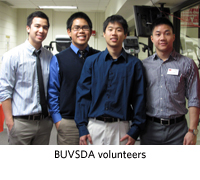
Volunteers set up two tables with oral health activities for the children and information and toothbrushes for both parents and children. In total, nearly 800 people attended the party.
"The holiday party was a terrific occasion for the BUVSDA to be a part of," said Nguyen. "The kids were very interactive and enthusiastic in learning more about their oral health and I am glad that we were given an opportunity to volunteer in such a great event."
"I especially want to thank Arnold for all of his help in putting this together," said Lituri. "This is a really fun event and one that the BUVSDA has participated in often over the last decade." She continued, "I am confident that each of the volunteers had a positive impact on many of the children as well as their parents."
Other student volunteers included Ben Pham DMD 12, Tim Ngork DMD 12, and Marcus Ngai DMD 12.
Howland Named to Federal Panel on Falls Prevention
Jonathan Howland, a professor of community health sciences at BUSPH and director of public health and injury prevention research in the Department of Emergency Medicine at Boston Medical Center, has been appointed to the CDC's expert panel on Falls Prevention.jo
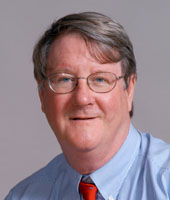
The panel's mission is to work with the Centers for Disease Control and other federal agencies on the development of strategies to promote and disseminate evidence-based programs for preventing falls among older adults. Howland also is a member of a study group convened by the National Council on Aging to develop an evaluation strategy for 37 state coalitions on fall prevention.
Fall prevention has been a longtime area of interest for Howland, whose role at BMC entails guiding research efforts on harm and injury reduction, alcohol and substance abuse interventions and other preventative measures.
According to the CDC, one in every three adults age 65 and older falls each year. Falls can lead to moderate to severe injuries, such as hip fractures and head traumas, and can even increase the risk of early death. In 2007, over 18,000 older adults died from fall injuries.
Howland and other researchers have been studying ways to prevent falls, including regular exercise programs for older adults that focus on increasing leg strength and balance. Tai Chi and programs designed to reduce the fear of falling and increase a sense of control in relation to fall risk also have been found to be effective.
Submitted by Lisa Chedekel
One Brady on the Field, One in the Field: QB's Sister, Studying at BUSPH, Brings Help to Uganda
While Boston was fixated on the status of her brother's injured knee during the 2008-09 football season, Nancy Brady quietly slipped off to Kampala, Uganda, for a six-month fellowship that would bring her into contact with doctors, nurses and villagers battling global diseases such as HIV/AIDS, tuberculosis and malaria.
Never one to seek out the limelight, Tom Brady's older sister, a sales and marketing representative for Pfizer, had made several prior trips to Africa with philanthropic organizations. But it was the Pfizer fellowship at the Infectious Disease Institute in Kampala that sharpened her interest in global health.

This fall, her experience in Kampala propelled her on two paths: She enrolled in the BU School of Public Health as an MPH candidate, and she gave back to the Institute by throwing a fundraiser in Boston this month that netted a whopping $250,000.
"I've been to Africa before, and I've done some fundraisers, but spending half a year in Uganda really had an impact on me," Brady explained. "When I came back, I just felt like I wanted to do more. It's one of the reasons I went back to school ... My passion for global health was always there, but I wanted more knowledge. The issues are so incredibly complex."
Brady ended up in Uganda by applying to participate in Pfizer's social responsibility program, which gives employees a chance to work for non-government agencies, or NGOs, serving at-risk communities. The Infectious Disease Institute [IDI], established in 2004 with support from the Accordia Global Health Foundation, is a Ugandan-run training and research center that seeks to expand the health-care workforce and capacity in Uganda and the region, in order to scale-up HIV, malaria and tuberculosis prevention and treatment.
While in Uganda, Brady worked in IDI's communications and training program, interviewing healthcare workers who had been trained at the Institute and evaluating a mid-level HIV training program for nurses. The fellowship took her into villages, hospitals and schools an experience that she said raised her awareness that the challenge of addressing disease is not just supplying medicines to remote areas, but ensuring that there are trained healthcare providers to educate and care for the people who live there.
"So much of global health is capacity-building," she said. "That's what the Accordia Global Health Foundation and subsequently the IDI is all about."
On one of her trips upcountry, a doctor at the Institute, Dr. Walter Schlech, took her to a remote village near Mpigi, called Tabiro, where she visited an elementary school that was founded during the height of the HIV/AIDS epidemic. The Tabiro Primary School now has 500 students, about a quarter of them orphans.
In the US, her brother, Tom, while rehabbing his knee, had been approached to help out the One Laptop Per Child program, which supplies computers around the world. When asked where he would want to send computers, he mentioned Nancy's work in Uganda, which the two had visited together in 2007, on a trip organized by DATA, an African advocacy organization founded by U2's Bono. Brother and sister worked together to get a shipment of laptops into Ugandan classrooms.
This month, her brother stepped up again to help, when Nancy hosted a pre-holiday fundraiser for Accordia Global Health Foundation at L'Espalier Restaurant in Boston. Tom and his wife, fashion model Gisele Bündchen, were among more than 150 attendees who helped to raise $250,000 for the foundation, as well as $22,000 for a computer trainer who will assist Tabiro with the laptops.
Nancy Brady said the event was a success not just in terms of fundraising, but also because it brought together people from different walks of life -- athletes, academics, scientists and activists -- who share a desire to "empower Africa in the fight against HIV/AIDS, malaria and other infectious diseases."
Nancy, 34, the youngest of Tom's three older sisters, said she and her brother have always supported each other professionally and philanthropically. She moved to Boston from their native California eight years ago to be close to her brother.
"He has always been supportive of me, the same way I'm supportive of him," she said. "A lot of the opportunities I've had have come because of the family I was born into -- I realize that. But we also share a commitment to look beyond our family and be engaged in the world."
A social welfare major in college at UC-Berkeley, Nancy had spent her early career working with homeless and impoverished people in San Francisco. While at Pfizer, her interest in social-justice issues has led her to make several philanthropic visits to Africa, including a trip to Ghana and Sierra Leone this year with a women's delegation organized by a Washington, DC, group.
Her decision to go back to school to earn her MPH was a long-time goal. BUSPH's International Health program, which focuses on empowering communities to address their own health issues, seemed a perfect fit for her interest in capacity-building, she said.
While at BU, Brady has kept a low profile, juggling class work, her job and her family obligations, like so many other MPH candidates.
"I want people to know me as me -- not because of who my sibling is," she said. "I'm here to learn -- it's part of who I am, wanting to learn and grow and evolve."
"I come from the industry side of global health, but I do think industry plays a major role, in terms of being an impetus for change, conveying a message, tackling some of the major issues in Africa and other parts of the world," she said. "I want to be part of that change."
Submitted by Lisa Chedekel
GSDM's Henshaw Named 2011 Recipient of the William J. Gies Award for Innovation
The ADEAGies Foundation recently announced it will honor Boston University Henry M. Goldman School of Dental Medicine (GSDM) Professor & Assistant Dean for Community Partnerships and Extramural Affairs Dr. Michelle Henshaw with the 2011 William J. Gies Award for Innovation in the Dental Educator category.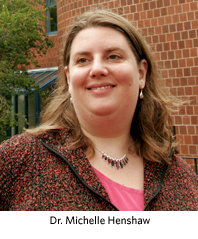
"Congratulations to Dr. Michelle Henshaw for being selected for this prestigious award," said Dean Jeffrey W. Hutter. "She is an excellent choice given that from the onset of her professional career she has been deeply committed to the integration of teaching, research, and service with community engagement. The hallmarks of all her efforts and many successes have been her creativity and innovation in driving institutional change."
Dr. Henshaw will be presented with the Award at the Gies Awards celebration to be held on March 14, 2011, in San Diego, California, in conjunction with the 2011 ADEA Annual Session & Exhibition.
The Gies Awards, named after dental education pioneer Dr. William J. Gies, honor individuals and organizations exemplifying dedication to the highest standards of vision, innovation, and achievement in dental education, research, and leadership.
Dr. Henshaw was nominated for the award based on her successful integration of teaching, translational research and clinical service, and outreach activities within the GSDM curriculum. She has initiated and successfully fostered partnerships with a myriad of community organizations which have resulted in more than 50 community-based service programs that provide oral health care to underserved populations throughout Massachusetts. The partnerships serve as the foundation for meaningful service learning experiences for students and are integral components of the GSDM dental education curriculum.
"As a result of her innovative leadership, the GSDM administration, faculty, student body, and alumni have internalized the principles of community engagement and her efforts have served to transform the institutional culture of the School," said Dean Hutter. "This is demonstrated by the fact that 100% of our students now participate in the mandatory service learning curriculum that she designed and whose implementation she led. In addition, faculty involvement in non-curricular community outreach activities has increased by 25% and student involvement has increased by 50%."
The partnerships she developed have also contributed to research activities, including GSDM's NIH-supported Northeast Center for Research to Evaluate and Eliminate Dental Disparities (CREED), established in 2001 and funded to 2015. Dr. Henshaw serves as CREED's Co-Director and as the Co-Principal Investigator on the NIH award. She has also collaborated with the Boston Public Health Commission’s Healthy Baby/Healthy Child program on a grant from the Aetna Foundation to develop an oral health promotion intervention that would be delivered as part of a pre- and post-natal home visiting program. This work then led to an R21 award in 2006 from the NIDCR to implement and test the intervention. Dr. Henshaw also received one of only two health policy grants that the Massachusetts Blue Cross Blue Shield Foundation awarded in order to determine if there were racial and ethnic disparities in community water fluoridation in Massachusetts.
Dr. Henshaw’s efforts are not limited to GSDM, at the national level she has been a tireless advocate for incorporating service learning and community engagement into dental education. She has written journal articles, a book chapter, and a monograph on these topics. Her efforts have gained her national recognition, as evidenced by her selection as a Fellow of the Community-Campus Partnerships for Health; her selection as a Health Disparities Scholar by the NIH National Center on Minority Health and Health Disparities; her roles as Director of the HRSA-funded Community-based Dental Partnership program; her role as the GSDM Co-Director of one of the fifteen Pipeline, Profession and Practice: Community-based Dental Education grants funded by the Robert Wood Johnson Foundation; as well as by the numerous invitations to lecture on service learning and community engagement at local and national meetings.
"The ADEAGies Foundation could not have chosen a recipient more deserving of this award than Dr. Michelle Henshaw,” said Professor and Chair of Health Policy & Health Services Research Dr. Raul Garcia. “She is responsible for countless innovative ideas that have resulted in improved oral health for underserved populations and her passion for eliminating oral health disparities is an inspiration. She is truly a role model for students, faculty, and staff in the Department of Health Policy & Health Services Research and we are all very proud of her.”
Preliminary Study Suggests Frequent Cycling May Affect Male Fertility
Bicycling for five or more hours a week is associated with low sperm count and poor sperm motility among men, according to a study led by a researcher from the Boston University School of Public Health and BU's Slone Epidemiology Center.
The study, published in the journal Fertility and Sterility, surveyed 2,200 men attending fertility clinics in the Boston area between 1993 and 2003. Working with a team of researchers, Lauren Wise, associate professor of epidemiology, gave the men, who were about to undergo an initial IVF cycle with their partners, a questionnaire that sought details about their exercise levels, type of exercise, general health and medical history. Each man also provided at least one semen sample.
The results of the prospective cohort study showed that, after adjusting for variables such as multivitamin use, blood pressure, weight, and type of underwear worn, exercise levels generally had no overall impact on sperm quality and quantity.
But when the researchers broke down the data into specific forms of exercise, they found that men who bicycled for at least five hours a week were more likely to have a low sperm count and fewer motile sperm than were men who did not exercise at all, or those doing other forms of exercise.
Less than a quarter of the non-exercisers had a low sperm count, compared to 31 percent of the frequent bike riders, the study found. Also, just over a quarter, or 27 percent, of the sedentary men had low total motile sperm, compared with 40 percent of the cyclists.
Previous studies of competitive cyclists have linked the sport to poor semen quality, as well as urinary and genital problems. No such links had been shown in non-competitive cyclists.
Wise speculated that semen may be affected by temperature increases in the scrotum or trauma while cycling. But she said it was premature to be sure of the cause, and that it was not yet known whether cycling itself actually affected sperm quality.
Since the men were attending fertility clinics, it also is not known whether the findings would hold up among the general population; further research would be needed to make any firm conclusions.
"A link between reduced sperm concentration and bicycling -- the one class of exercise to show an effect -- has some biologic plausibility," the authors wrote. "Bicycling has been linked to genitourinary problems, including nerve entrapment syndromes (50%–91% of cyclists), erectile dysfunction (13%–24%), and other less common symptoms…
"Our findings warrant confirmation in larger studies of moderate bicyclers and men from the general population."
Besides Wise, authors on the study included: Daniel W. Cramer, Mark D. Hornstein, Rachel K. Ashby, and Stacey A. Missmer, all of the Department of Obstetrics, Gynecology, and Reproductive Biology, Brigham and Women's Hospital and Harvard Medical School.
The full study is available here.
Submitted by Lisa Chedekel
BUSM's Holick Receives American Association for Clinical Chemistry’s Van Slyke Award
BUSM Professor Michael F. Holick, PhD, MD, is the recipient of the 2010 Van Slyke Award from the American Academy for Clinical Chemistry New York Metro Section. The award acknowledges outstanding contributions to the science of clinical chemistry and laboratory medicine.
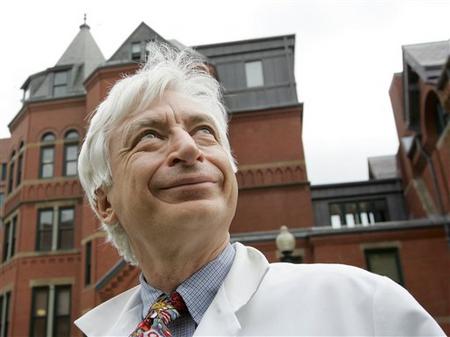
Holick, an internationally renowned expert in vitamin D and skin research, was chosen to receive the award for his seminal contributions to laboratory medicine. He is a professor of medicine, physiology and biophysics, and director of the General Clinical Research Unit at BUSM and Director of the Bone Health Care Clinic at Boston Medical Center.
Since joining BUSM in 1987, Holick has initiated several successful clinical research programs. He helped pioneer the assays for vitamin D and its metabolites which are used worldwide to determine a patient's vitamin D status and to evaluate disorders of calcium and bone metabolism. He helped establish global recommendations for sensible sun exposure and vitamin D intake for children and adults. His psoriasis work with active vitamin D is considered to be at the forefront of research into the complex disease. The results of his programs have led to significant contributions to the basic science of vitamin D and significant new therapies for a wide variety of medical problems.
Holick has received numerous honors and awards including the Psoriasis Research Achievement Award from the American Skin Association in 2000, the Robert H. Herman Memorial Award in Clinical Nutrition from the American Society for Clinical Nutrition in 2002, the General Clinical Research Centers Program Award for Excellence in Clinical Research in 2006, the 2007 Linus Pauling Functional Medicine Award from the Institute for Functional Medicine, the DSM Innovation Award for international nutrition and the Linus Pauling prize for his contributions in human nutrition. He was also recently awarded the Endocrine Society’s first Delbert A. Fisher Research Scholar. The award gives a $2,000 honorarium to one recipient annually for scholarly work on the history of endocrinology.
The American Association for Clinical Chemistry is the largest worldwide professional society for clinical chemists and pathologists. Its New York Metro Section’s Van Slyke Award is the section’s highest academic award and has been presented annually since 1957.
Dating Violence Among Young People
Adolescents who hit or punch a sibling or peer are more likely to do the same to a dating partner than nonviolent teens. This is the disturbing finding of a new study led by researchers at the BU School of Public Health.

The study, published in the December issue of Archives of Pediatrics and Adolescent Medicine and released online yesterday, is the first to directly link sibling, peer, and dating physical violence in a representative sample of high school students, according to lead author Emily Rothman, an SPH associate professor of community health sciences.
“If someone is hitting a sister or brother or getting into fistfights at school, the odds that they will use force with a dating or sexual partner are high, particularly if they are male,” she says. “Adults need to intervene early when they become aware that a teen is using violence.”
Rothman and colleagues surveyed 1,398 high school students at 22 public high schools in Boston between January and April 2008. Of those who were violent with siblings, 29 percent were also violent with dating partners, and of those who were violent with peers, 27 percent were also violent with dating partners.
The research team found that overall, 18.7 percent of students reported having used physical violence against a dating partner in the previous month. Specifically, 9.9 percent reported hitting, punching, kicking, or choking their partner; 17.6 percent pushed, shoved, or slapped him or her; and 42.8 percent swore, cursed at, or called their partner fat, ugly, stupid, or some other insult.
Experiencing physical dating abuse can result in injury, death, and mental health problems, including suicidal thoughts, substance use, disordered eating, and depression. As many as 10 percent of U.S. high school students report having been hit, slapped, or physically hurt on purpose by their boyfriend or girlfriend in the past year, according to the authors.
One of the study’s most important lessons, Rothman says, is that “medical professionals, teachers, parents, and adolescents themselves need to be aware that a high percentage of high school students who use violence in one context are likely to use it in another.”
This study used data from the Boston Youth Survey, a locally representative sample of Boston high school students. The students were asked not only about their use of physical violence against siblings, peers, and partners, but about emotional abuse as well, such as having yelling arguments or cursing at or insulting the other person. More than half reported using emotional abuse in the past month.
The survey question about dating violence specified that by “dating,” the researchers meant a “boyfriend or girlfriend, or someone who you were romantically or sexually involved with” and that violence did not refer to playing or joking around. The researchers could thus feel confident that the physical dating violence reported was for a variety of romantic and sexual partnerships, since not all youth use the term “dating” or go out on actual dates, and that the violence reported did not reflect horseplay or innocent roughhousing.
The authors urge health care providers and families to be aware that those who are violent with siblings and peers are at greater risk of being violent with a dating partner, and that the problem should be addressed before it becomes entrenched.
“Our study documents that physical violence against dating partners is widespread,” says coauthor Renee Johnson, an SPH assistant professor of community health sciences. “This is a major public health problem that needs to be addressed.”
Besides Rothman and Johnson, the study’s coauthors are Janice Weinberg, an SPH associate professor of biostatistics, Deborah Azrael, a Harvard School of Public Health research associate of health policy and management, and Diane Hall, a behavioral scientist at the Centers for Disease Control and Prevention.
The study was supported in part by grants from the Centers for Disease Control and Prevention, the National Institute on Alcoholism and Alcohol Abuse, the National Institute on Drug Abuse, and the Robert Wood Johnson Foundation New Connections program.
This BU Today story was written by Elana Zak. She can be reached at ezak@bu.edu.
GSDM’s Trackman Shares Labs' Expertise on CCN Family of Genes and Proteins
Professor Dr. Philip Trackman recently spoke at the Sixth International Workshop on the CCN Family of Genes, hosted by the International CCN Society (ICCNS) from October 20 - 24, in Newcastle, N. Ireland.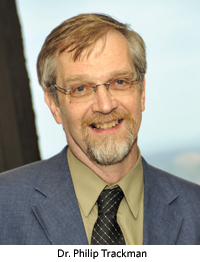
He spoke about mechanisms of the tissue specificity of human gingival overgrowth with a presentation titled, “GSK-3beta: A Novel Tissue-Specific Regulator of CCN2 Expression in Human Gingival Overgrowth.”
"Our work in this area identifies potential therapeutic targets to prevent or treat drug-induced gingival overgrowth," said Dr. Trackman. "The work that I presented was that of Maha Bahammam, a DSc candidate from my lab who is now in the CAGS program in Periodontology, and Sam Black who earned his PhD in Oral Biology in my lab a few years ago."
Abstracts from the Workshop will be published in the Journal of Cell Communication and Signaling, the official publication of the ICCNS, which serves as a forum for the dissemination of current knowledge and information dealing with all aspects of cell-cell, cell-matrix communication, and intracellular signaling.
Genes Link Puberty Timing and Body Fat in Women
Scientists have discovered 30 new genes that control the age of sexual maturation in women. Notably, many of these genes also act on body weight regulation or biological pathways related to fat metabolism. The study, which appears in Nature Genetics, was a collaborative effort by the international ReproGen consortium, which included 175 scientists from 104 worldwide institutions, including Boston University School of Medicine (BUSM) and Boston University School of Public Health.
Menarche, the onset of first menstruation in girls, indicates the attainment of reproductive capacity and is a widely used marker of pubertal timing. Age of menarche varies widely and is highly dependent on nutritional status. Early menarche is associ¬ated with many adverse health outcomes later in life, including breast cancer, endometrial cancer, obesity, type 2 diabetes and cardiovascu¬lar disease, as well as shorter adult stature.
To identify loci for age at menarche, the researchers performed a meta-analysis of 32 genome-wide association studies on more than 87,000 women from the U.S., Europe and Australia and performed replication studies in nearly 15,000 additional women. In addition to the known loci at LIN28B and 9q31.2, the researchers identified 30 new menarche loci and found suggestive evidence for a further 10 loci. According to the researchers, the new loci included four previously associated with body mass index, three in or near other genes implicated in energy homeostasis and three in or near genes implicated in hormonal regulation. Ingenuity and gene-set enrichment pathway analyses identified coenzyme A and fatty acid biosynthesis as biological processes related to timing of menarche.

“Our study found genes involved in hormone regulation, cell development and other biological pathways associated with mechanisms age at menarche, which shows that the timing of puberty is controlled by a complex range of biological processes,” said senior author Joanne Murabito, MD ScM, an associate professor of medicine at BUSM and Clinic Director and Investigator of the Framingham Heart Study.
“Several of the genes for menarche have been associated with body weight and obesity in other studies suggesting some women may have a genetic susceptibility to weight gain and early puberty. It is important to understand that these ‘genetic factors’ can be modified by changes in lifestyle. Efforts to reduce or prevent childhood obesity should in turn help reduce the early onset of puberty in girls,” added Murabito.
The next steps according to the researchers are to examine the findings in women of other race/ethnic groups, as well as to examine whether these genetic loci influence growth and to determine whether the associations are driven by measures of body fatness. This future work will help to unravel the biologic mechanism underlying the associations.
The researchers are extremely grateful to all study participants including women participating in the Framingham Heart Study for making this research possible. The investigators would also like to acknowledge the support provided by the National Institute on Aging and the National Heart, Lung and Blood Institute.
BUSM Researchers Show an Oncolytic Virus Switches Off Cancer Cell Survival Signa
Researchers from Boston University School of Medicine (BUSM) have identified a mechanism by which specific viruses acting as oncolytic agents can enter and kill cancer cells. This finding, which is currently featured in an online edition of the Journal of Virology, could help lead to the development of more targeted treatments against many types of cancer.
The study was conducted by Ewan F. Dunn, a postdoctoral fellow, under the direction of John H. Connor, an assistant professor of microbiology at BUSM.
The virus, known as vesicular stomatitis virus (VSV), is being developed in the Connor lab and in other international research laboratories to kill cancer cells. VSV is not a significant human pathogen.
VSV is sensitive to the innate immune response, which causes lymphocytes to release interferon and protect the body from developing an infection. Cancer cells lose the ability to respond in that way, said Dunn. “When cancer cells transform, they become non-responsive, leaving them vulnerable to viruses attacking the cell and its function.”
Previous research has shown that a major signaling pathway in cancer cells, called the AKT signaling pathway, is frequently turned on. AKT signaling is a cell survival signal, helping to keep the cancer cells alive. The team demonstrated was that VSV can switch off that signaling pathway, which suggests that a single viral protein could play a major role in cancer cell death.
“This study showed the important role of VSV in killing cancer cells through turning off a major survival signal,” added Connor. “The identification of this mechanism is fundamental to understanding how VSV and other oncolytic viruses function.”
This research study was funded by the National Institutes of Health.