Student Updates
CReM Lecture: Targeted Genome Modification Using Engineered Zinc Finger Nucleases, Dec. 7
Join the Center for Regenerative Medicine (CReM) on Tuesday, Dec. 7 as it hosts Dr. J. Keith Joung, Associate Professor of Pathology at Harvard Medical School and Associate Chief of Pathology for Research at Massachusetts General Hospital. Dr. Joung also serves as the Director of the Molecular Pathology Unit at Massachusetts General Hospital. 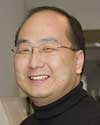
Dr. Joung’s lecture on the BU Medical Campus will focus on Targeted Genome Modification Using Engineered Zinc Finger Nucleases. His laboratory studies zinc finger nucleases, a common domain in the genomes of organisms across the evolutionary spectrum, and their potential for genome modifications and expression changes in the cell. A particular focus of his lab is on the correction of genetic mutations associated with disease, such as the CFTR gene in lung epithelial cells, the mutation of which leads to cystic fibrosis. His lab also spearheaded the “Oligomerization Pool Engineering” (OPEN) project, a publicly available method for creating zinc-finger domains. This method has been used to specifically modify genetic domains in human ES and iPS cells as well as several other cell types.
The CReM is a collaborative effort among scientists on the Medical and Charles River campuses of Boston University that aims to advance stem cell research and regenerative medicine, particularly for the benefit of patients afflicted with diseases seen at Boston Medical Center (BMC). The Center’s monthly Seminar Series brings the leading minds in stem cell research to BUMC. Some of the past speakers have included George Daley, Rudolf Jaenisch and Doug Melton.
Learn more on Tuesday, December 7, 2010 at 9 a.m. with Dr. Joung in the Evans Biomedical Research Center, EBRC X-715 Seminar Room . Contact aomari@bu.edu for more information.
Symposium Honoring Jerry Brody , Wednesday, Dec. 1
The Pulmonary Center is proud to present an “Airway Development and Disease Symposium” honoring Jerome S. Brody, MD, for his 23 years of leadership as Pulmonary Center Director, in Bakst Auditorium (L101) on Wednesday morning, Dec. 1, beginning at 9 a.m.
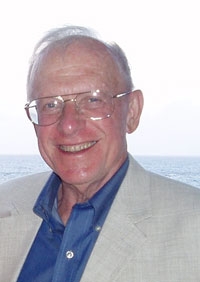
Three distinguished visitors with concentrations in stem cells and development, genomics and cancer, and the etiology of pulmonary diseases will speak:
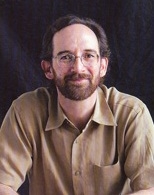
Mark A. Krasnow, MD, PhD, HHMI Investigator and Chair of Biochemistry at Stanford University School of Medicine - “Lung Progenitor and Stem Cells in Development and Disease”
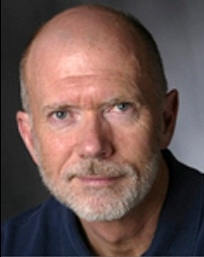
Joseph R. Nevins, PhD, Barbara Levine Professor of Breast Cancer Genomics at Duke University Medical Center - “Genomic Strategies to Personalize Cancer Therapy”
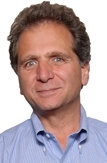
David A. Schwartz, MD, MPH, Professor of Medicine, Pediatrics, and Immunology at National Jewish Health - “The Genetic Basis of Pulmonary Fibrosis”
More information is available at https://www.bumc.bu.edu/pulmonarycenter/. Contact Dan Carroll at 638-4843 with questions. We hope to see you there!
Dec. 8 Public Health Forum: Defining the Alzheimer's Disease Phenotype
Join Deborah Blacker, MD, ScD, as she presents the talk "Defining the Alzheimer's Disease Phenotype" at the BUSPH Public Health Forum on Wednesday, Dec. 8 at noon in L-112.
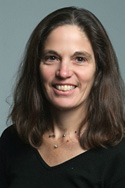
Blacker is the director of the Gerontology Research Unit at MGH and is an associate professor of epidemiology at Harvard School of Public Health. Her primary work concerns the clinical and genetic epidemiology of Alzheimer's disease (AD). She is extensively involved in efforts to locate genes that contribute to AD risk, including several different projects to collect, evaluate, and follow clinical samples for the study of AD genetics.
The BUSPH Public Health Forum is a regular series presented by the School of Public Health. It is free and open to the public.
BUSPH Public Health Forum
"Defining the Alzheimer's Disease Phenotype"
Presented by Deborah Blacker, MD, ScD, director of the Gerontology Research Unit at MGH and associate professor in the Department of Epidemiology, Harvard School of Public Health
Date: December 8, 2010
Time: 12 - 1 p.m.
Location: BUSM Instructional Building, Room L-112
Contact: Diane Beliveau
GSDM Outreach Focuses on Local Adult Learners
Boston University Henry M. Goldman School of Dental Medicine (GSDM) Division of Community Health Programs (CHP) Oral Health Promotion Director Kathy Lituri and a team of student volunteers provided outreach to adult learners at the Notre Dame Educational Center (NDEC) in South Boston on November 16.
The outreach efforts involved health promotion, education, screenings, and referrals. The student volunteers were comprised mainly of members of the GSDM Chapters of the American Student Dental Association (ASDA) and the Hispanic Student Dental Association (HSDA). Lituri encouraged all students to participate, but thought the event would be especially relevant to those with an interest in the oral health issues faced by immigrants and other adult learners.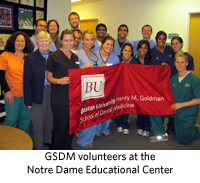
GSDM was introduced to the need for oral health education at NDEC by a former teacher at the Center and wife of third-year DMD student Derrick Call. Call brought his wife's observations to ASDA Community Outreach Co-Chair Courtney Brady DMD 11, and the duo—with the help of Co-Chair Jenny Lorenzo DMD 13 and Dee Gulis DMD 12—served as student organizers for the event.
"The Center is for adult students who are learning English as a second language (ESL)," said Lorenzo. "Derrick's wife saw a need for dental health education at the Center and she also noticed that most students had MassHealth and weren't aware that they could come to BU for their dental treatment."
Lorenzo continued, "We screened 40 students and provided dental health education and toothbrushes and toothpaste. The event was a great success and the Center is looking forward to doing a morning session with BU again sometime in the spring semester."
Researcher Wins Award to Fight Breast Cancer, David Sherr’s Ignition Award for pioneering drug work
For cancer researcher David Sherr, the fight against the disease isn’t just professional. It’s personal. Sherr’s wife died from multiple myeloma a dozen years ago. Now the School of Public Health environmental health professor, Sherr, who is also a professor of pathology and laboratory science at BU School of Medicine, has received a BU Ignition Award to seek a breakthrough in treating and preventing breast cancer, one of his fields of research.
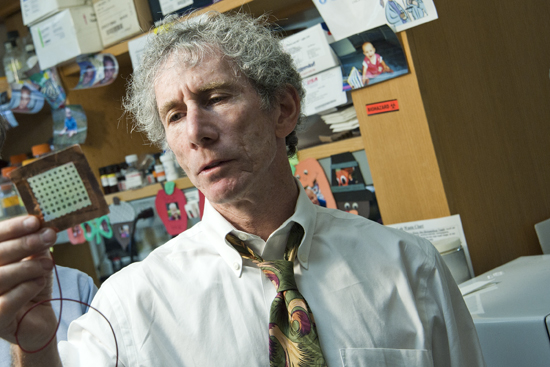
The $50,000 grant will fund research on a drug to inhibit AhR, a protein believed responsible for jump-starting some cancers and steering tumors toward malignancy. Sherr hopes to find an inhibitor drug that can stop AhR. Such a drug could halt some breast cancers from metastasizing while preventing others altogether. He says a drug could be ready for clinical trials in three to five years.
“About 10 percent of breast cancers are clearly attributable to inherited genes,” says Sherr. “The causes of the remaining 90 percent are unclear, but almost certainly reflect, in part, environmental exposures.” Researchers believe AhR plays a key part in inducing cancer by controlling the reaction of cells to pollutants such as PCBs, dioxins, and hydrocarbons . They also believe it can influence malignancy in tumors that result not just from chemical exposure, but from nonenvironmental causes as well.
Sherr’s collaborators are Jennifer Schlezinger, an SPH associate professor of environmental health, and Sarah Molina, director of screening for the High Throughput Screening Core <http://www.bu.edu/cores/cores/core-web-sites/high-throughput-screening-core/> , a central facility assisting University and Boston Medical Center researchers. Thus far, they have screened more than 3,000 chemical compounds, discovering 3 that seem to have some inhibiting effects on AhR
The University’s Office of Technology Development (OTD) awards Ignition grants twice a year to four BU researchers. Begun in the 2005-2006 academic year, the awards help researchers turn lab discoveries into practical products and services and are available to researchers in all fields. The Ignition program includes a venture capital advisory board that helps to review applications and work with winners.
“Dr. Sherr’s project has several things going for it,” says April Effort, OTD associate director of business development. “It’s interesting science and a novel approach to treating triple negative breast cancer , which is an area of high unmet medical need.” Triple negative breast cancer is a potentially aggressive variety that can be difficult to treat.
That is a particular issue for women of color battling the disease. “Triple-negative happens to be predominantly in the minority community,” Effort says.
Should a workable inhibitor emerge, Sherr says, he’ll likely need to partner with a drug company to test it. “It takes millions of dollars to get most new drugs into trial,” he says. “Only the pharmaceutical companies and venture capitalists have that kind of money.” AhR inhibitors might also be useful in preventing or treating prostate and lung cancer, sweetening their appeal to potential bankrollers, he says.
Indeed, Sherr says the biggest roadblocks to developing an inhibitor are financial and regulatory, not scientific. “The timing is all about logistics right now, not biology.”
This BU Today story was written by Rich Barlow. He can be reached at barlowr@bu.edu.
GSDM Endodontics Welcomes New Residents and Honors Dr. Harold J. Levin
Herbert Schilder Professor in Endodontics and Director of the Postdoctoral Program in Endodontics Dr. George Huang hosted a reception to welcome the new and returning residents of the Boston University Henry M. Goldman School of Dental Medicine (GSDM) Postdoctoral Program in Endodontics on Friday, November 5, at The Castle.
Dr. Huang addressed the crowd, thanking them for attending the celebratory event, and called each of the first-year residents to the podium to introduce themselves and say a little bit about their backgrounds.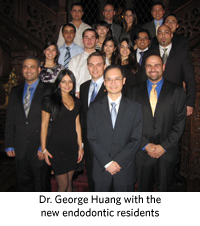
The following residents were welcomed to the CAGS program, with an anticipated graduation year of 2012: Adela Agolli Tarshi, Ghyath Alkhalil, Jason Conn, Usman Fazli, Samuel Gegamian, Laila Kafi, Hongsheng Liu, Marci Mazzuca, Michael Pauk, and Bing Wan. Yasmine Basseghi and Laura Piroutek were also recognized but were not able to attend the reception.
The following residents were welcomed to the MSD program, with an anticipated graduation year of 2013: Adriana Baiz, Philippe Gauthier, Jamie Tran, and Seyed RezaYasini.
The following residents were welcomed to the DScD program, with an anticipated graduation year of 2015: Mohammed AlShahrani, Haytham Jaha, and Hsiao-Ying. Obadah Attar was also recognized as part of this group, but was not able to attend the reception.
"On July 1, I met with all the new residents to explain the high standard of excellence that would be expected of them throughout their training." said Dr. Huang, "This program has a reputation for emphasizing clinical excellence, strong scholarship, and research. In the past few months I have been pleased to see the new residents very motivated in all aspects of their learning. I am sure they will be excellent clinicians and scholars at the time of their graduation."
Also during the reception Professor of Endodontics Dr. Harold J. Levin was honored for his outstanding dedication and service to the School, which has spanned over four decades. Dr. Levin is a 1962 graduate of the Endodontics Program at GSDM.
"Dr. Levin has been a mainstay in the Department of Endodontics for many, many years," said Dean Jeffrey W. Hutter. "He is a wonderful teacher and endodontist and I know that current and past students have been extremely grateful for the part he has played in their education here at the Henry M. Goldman School of Dental Medicine."
Nov. 17 Public Health Forum: Translating the Diabetes Prevention Program
Join Sherry Pagoto as she presents the talk "Translating the Diabetes Prevention Program in Clinical and Community Settings: Triumphs and Challenges" at the BUSPH Public Health Forum on Wednesday, November 17 at noon.
The Diabetes Prevention Program was a major multicenter clinical research study completed in 2002 that found weight loss through dietary changes and increased physical activity or treatment with the oral diabetes drug metformin could prevent or delay the onset of type-2 diabetes in study participants.
In her lecture, Pagoto will discuss the challenges of translating the Diabetes Prevention Program for clinical and community settings, as well as the outcomes and applicability of intensive lifestyle interventions in special populations. Implications for future translational work involving intensive lifestyle interventions will be explored.
Pagoto, PhD, is an assistant professor of medicine in the Division of Preventive and Behavioral Medicine at the University of Massachusetts Medical School. Her research interests include lifestyle interventions; psychiatric co-morbidities of obesity, type-2 diabetes, and metabolic syndrome; Behavioral Activation treatment of depression; skin cancer prevention; and the translation of research into practice.
The BUSPH Public Health Forum is a regular series presented by the School of Public Health. It is free and open to the public.
BUSPH Public Health Forum
Date: November 17, 2010
Time: 12 - 1 p.m.
Location: BUSM Instructional Building, Room L-112
Contact: Diane Beliveau
BUSM and BUSPH Researchers Collaborate to Receive Ellison Foundation Award
The collaborative Boston University Medical Campus research team of Louis Gerstenfeld, PhD, Professor of Orthopedic Surgery, Jennifer Schlezinger, PhD, Associate Professor of Environmental Health, and Gerald Denis, PhD, Associate Professor of Medicine and Pharmacology successfully competed for one of several Ellison Foundation Awards that are made to investigators at Tufts, Harvard, and Boston University each year. Their proposal, entitled Mechanism(s) of Obesity-Related Osteoporosis in the Absence of Insulin Resistance, addresses two of the largest and fastest growing health care problems facing the nation: osteoporosis and Type 2 diabetes.
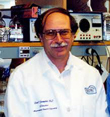
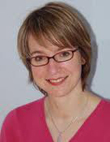
The investigators are very excited about this project because it brings together the expertise of three diverse research teams to tackle this very important public health issue. While much of the current understanding of obesity-induced osteoporosis has been focused on the role of the diabetic condition in bone loss, the proposed research uses a unique animal model that becomes obese and loses bone mass in the absence of the development of Type 2 diabetes. These studies have a very high potential to identify and separate the mechanisms, genes and pathways that drive each condition and will lead to a better understanding of how to treat both conditions.
New BU Research Center (BUSM, BUSPH and Sargent) Seeks Innovative Therapies, Products to Halt the Crippling Advance of Arthritis
Julie Keysor is a swing-dancing 44-year-old who also likes to hike, bike, snowshoe, sail, and fish. None of which would seem remarkable were it not for the fact that Keysor has arthritis, diagnosed when she was just 25.
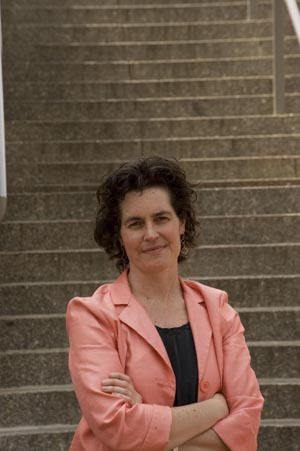
That circumstance, and the fact that Keysor’s five-year-old daughter also suffers from a form of the disease, explains the Sargent College associate professor’s determination to improve the quality of life for the tens of millions of Americans combating the crippling malady. It also helps to explain Keysor’s delight at having just been given $4 million to battle the potentially crippling joint disease. The five-year grant from the National Institute on Disability and Rehabilitation Research will fund a new BU center, which she’ll direct, that will research ways of keeping arthritic people active and able to pursue their regular activities. The center will also include faculty from the Schools of Medicine and of Public Health and is expected to begin work this winter.
Sargent College Dean Gloria Waters says the research being made possible by the grant will enhance understanding about how factors like exercise and knee replacement surgery can affect arthritis. Four predoctoral fellows will be recruited to the center, a vital undertaking, says Waters, because “there is a severe shortage of doctoral trainees in the area of rehabilitation.”
Collaboration between MED and Sargent, she says, “should provide the students with an excellent background for carrying out rehabilitation research.”
Keysor’s own combat with arthritis began after a series of knee surgeries. “My knees basically aged 50 years in about 10 years,” she says. She’s among 46 million Americans with the disease, a number expected to climb to 67 million in three decades as the U.S. population ages . “There are very few effective interventions once they experience pain and functional limitations,” she says. “I think there’s a lot that we don’t know,” notwithstanding the development of some effective medications.
The public health consequences can be devastating, Keysor adds. “Many people become restricted in their ability to get around, which ultimately can lead to them becoming isolated in their homes.” According to the Centers for Disease Control and Prevention, arthritis and other rheumatic conditions cost the United States $127.8 billion in 2003, the most recent year for which statistics are available. More than a third of those costs resulted from lost earnings.
There are more than 100 types of arthritis. Keysor suffers from the most common, osteoarthritis, which results from aging, obesity, or joint-stressing athletics. Her daughter has psoriatic arthritis , a type that afflicts some people with psoriasis, although most children with the disease have juvenile rheumatoid arthritis.
The new center will research rehabilitative and behavioral strategies for coping with arthritis, focusing on three major studies. One will seek to help people with arthritis stay on the job. Another will research “physical activity adherence,” or ways to motivate people to stick with strength-training and aerobic exercises that can mitigate arthritis, but that people often give up, whether from pain or lack of commitment. People “may not know what type of exercises to do or how to perform the exercises safely without potentially damaging forces on the joints,” Keysor says.
Finally, an epidemiological project will measure how patients do after knee surgery. “We want to characterize the extent to which people are getting involved back in their daily life,” she says.
This work will fall to a core faculty of 10, culled from the three participating schools, plus an advisory committee drawn from across the University and from the Massachusetts chapter of the Arthritis Foundation . The foundation will work with the center to develop consumer products from the research and to sponsor informational forums, according to Keysor.
Keysor’s daughter enjoys soccer despite having been diagnosed when she was just a year old. Mercifully, she’s mostly pain-free, although she sometimes tells her mother, with a child’s endearing pronunciation, “Mommy, we need to go for a walk because it will make my arthur-itis go away.”
This BU Today story was written by Rich Barlow. He can be reached at barlowr@bu.edu.
CReM Lecture: Targeted Genome Modification Using Engineered Zinc Finger Nucleases, Dec. 7
Join the Center for Regenerative Medicine (CReM) on Tuesday, Dec. 7 as it hosts Dr. J. Keith Joung, Associate Professor of Pathology at Harvard Medical School and Associate Chief of Pathology for Research at Massachusetts General Hospital. Dr. Joung also serves as the Director of the Molecular Pathology Unit at Massachusetts General Hospital.
Dr. Joung’s lecture on the BU Medical Campus will focus on Targeted Genome Modification Using Engineered Zinc Finger Nucleases. His laboratory studies zinc finger nucleases, a common domain in the genomes of organisms across the evolutionary spectrum, and their potential for genome modifications and expression changes in the cell. A particular focus of his lab is on the correction of genetic mutations associated with disease, such as the CFTR gene in lung epithelial cells, the mutation of which leads to cystic fibrosis. His lab also spearheaded the “Oligomerization Pool Engineering” (OPEN) project, a publicly available method for creating zinc-finger domains. This method has been used to specifically modify genetic domains in human ES and iPS cells as well as several other cell types.
The CReM is a collaborative effort among scientists on the Medical and Charles River campuses of Boston University that aims to advance stem cell research and regenerative medicine, particularly for the benefit of patients afflicted with diseases seen at Boston Medical Center (BMC). The Center’s monthly Seminar Series brings the leading minds in stem cell research to BUMC. Some of the past speakers have included George Daley, Rudolf Jaenisch and Doug Melton.
Learn more on Tuesday, December 7, 2010 at 9 a.m. with Dr. Joung in the Evans Biomedical Research Center, EBRC X-715 Seminar Room . Contact aomari@bu.edu for more information.