Student Updates
American Medical Association Names New JAMA Editor-In-Chief: Howard C. Bauchner, MD, to Become 16th Editor in Journal’s 127-Year History
Howard C. Bauchner, M.D., from Boston University School of Medicine and Public Health, will become the next JAMA Editor-in-Chief on July 1, 2011, according to Michael D. Maves, M.D., the executive vice president and chief executive officer of the American Medical Association. Dr. Bauchner will be the 16th editor in the journal’s 127-year history.

Dr Bauchner is a professor of pediatrics and community health sciences. He also is the vice chairman of the department of pediatrics at BMC/BUSM and assistant dean, alumni affairs and continuing medical education at BUSM. He currently is the editor-in-chief of the Archives of Disease in Childhood, the official publication of the Royal College of Paediatrics and Child Health in the United Kingdom. He is the first U.S.-based editor of that journal and has held that position since 2003. He has served on many editorial boards, including currently for the British Medical Journal and Journal Watch. Dr. Bauchner has published more than 125 papers in peer-reviewed journals. His research interests include health promotion, clinical trials and quality improvement.
“We are pleased that Dr. Bauchner will be the new editor of JAMA,” Dr. Maves said. “JAMA is a world-class medical journal and we’re confident the journal will continue to grow and prosper under his leadership. The future of JAMA – one of the AMA’s most treasured assets – is in great hands.”
As Editor-in-Chief, Dr. Bauchner will have editorial oversight of JAMA and the 9 Archives journals, the specialty medical journals published by the AMA. Dr. Bauchner was chosen after an international search conducted by a committee comprised of members of the Journal Oversight Committee, JAMA Editorial Board, the AMA’s Board of Trustees and senior management and with help from the executive search firm, Russell Reynolds Associates. Dr. Bauchner is following Catherine D. DeAngelis, M.D., M.P.H., who is leaving the post after 11 years to return to Johns Hopkins School of Medicine in Baltimore.
“I have tremendous respect for JAMA and the prestige and stature it has achieved under Dr. DeAngelis,” Dr. Bauchner said. “JAMA is among the elite medical journals in the world and I am excited and honored by the opportunity to be its new editor.”
Dr. Bauchner completed his undergraduate training at the University of California, Berkeley, and graduated from Boston University School of Medicine in 1979. He completed his internship and junior-year residency at Boston City Hospital, his senior-year residency at Yale-New Haven Hospital, and then returned to be Chief Resident at what was then Boston City Hospital. He received additional training in epidemiology and statistics as a Robert Wood Johnson General Pediatrics Academic Development Scholar at Yale-New Haven Hospital and has been on sabbatical twice, first as a Scholar in Residence at the David and Lucile Packard Foundation and then as a Scholar in Residence at the Agency for Healthcare Research and Quality.
BUMC Office of Postdoctoral Affairs (OPA) Established
*Update*
Read about the new Office of Professional Development and Postdoctoral Affairs
Visit the website
The Office of Postdoctoral Affairs (OPA), recently established on the Boston University Medical Campus, is dedicated to enhancing the quality of life of postdocs and focuses on supporting them. The Office is housed within the Division of Graduate Medical Sciences (GMS).
Postdoctoral fellows are a vital part of the Boston University School of Medicine, Boston University School of Public Health, Boston University Goldman School of Dental Medicine. The mission of OPA is to help and support postdoctoral fellows by addressing their needs and providing resource information on a variety of issues including housing, immigration laws, taxes, schools and daycare. The website is designed to offer a gateway to a wide range of resource information. Future activities for OPA include a career diversity panel discussion and CV writing workshop.

“I am delighted to announce the establishment of the Office for Postdoctoral Affairs. This is the go-to place to answer questions about postdoc life, to identify resources that help individuals navigate through BU, as well as through the next phases of their professional life,” said Associate Provost Linda Hyman. “Use the website, stop by the office, and if we are unable to assist you directly we will refer you to an office or department that can.”
BUSM Summer Research Program Serchuck Award Winners
The BUSM Medical Student Summer Research Program (MSSRP) offers first-year Boston University medical students scholarships to complete eight-week research projects with a BUMC faculty member. This past summer 23 students participated in the program. These participants showcased their research results at the annual medical student summer research symposium on Feb. 10, 2011 in Hiebert Lounge.
As part of the symposium, participants compete to receive the Serchuck award. The award honors Jerome Serchuck, one of the longtime donors to the Medical Student Summer Research Program. Mr. Serchuck has given generously to the research program from its official establishment in the summer of 2000 when fifteen members of the BUSM class of 2003 undertook research in various BUMC departments. The first Serchuck Award was given in 2007, and the program continues to flourish as a direct result of his ongoing support and generosity.

Stephen Alerhand ’13 received the award for best clinical science for his work with Robert C. Green, MD, MPH, Department of Neurology, on the Long Term Psychological Impact of Alzheimer’s Disease Genetic Risk Disclosure. Elizabeth Park ’13 received the best basic science award for the work she did with Meera Mahalingam, MD, PhD, Department of Dermatology, on KIT in Atypical Acral Nevi –an immunohistochemical and genetic appraisal.
Two students also received honorable mention awards: In clinical science, Jacob Wood ’13 for the Role of Oxidative Stress and Substance P in the Formation of Intra-abdominal Adhesions with Arthur F. Stucchi, PhD, and James Becker, MD, surgery, and in basic science, Amrita Devalapalli ’13 for Exploration of a Combination Therapy on Breast Cancer Cells by HDAC Inhibitors and Calpain Inhibitor with Sibaji Sarkar, PhD, cancer center.
Novel Mechanism for Control of Gene Expression Revealed
GSDM Professor Dr. David Levin discovered recently a novel, evolutionarily conserved mechanism for the regulation of gene expression. The study describing this work titled, “Mpk1 MAPK Association with the Paf1 Complex Blocks Sen1-Mediated Premature Transcription Termination,” appears in the March 4 issue of Cell. 
Normal cell growth, embryonic development, and responses to stress, require proper spatial and temporal control of gene expression. Studies on control of transcription (RNA biosynthesis) are typically centered on understanding how the RNA polymerase is recruited to the promoter, the control region of a gene. However, new work from Levin and postdoctoral fellow, Ki-Young Kim, has revealed the existence of a second level of control in a yeast model system.
They found that genes expressed solely under certain stress conditions are normally maintained in a silent state by a process called transcriptional attenuation. In attenuation, the RNA polymerase initiates transcription of the gene, but its progress is terminated prematurely by a termination complex that binds to the polymerase. Attenuation occurs commonly in bacteria, but was not previously known to operate in eukaryotic cells (those with a nucleus).
“In response to an inducing stress signal, attenuation must be overcome so that a target gene can be expressed,” said Levin. “The way that works in this instance is that an activating transcription factor, called Mpk1, serves double duty—it is first responsible for recruitment of the RNA polymerase to the promoter, but Mpk1 then binds to the transcribing polymerase to block association of the termination complex.”
Mutations in a human protein, called Senataxin, which is related to a component of the yeast termination complex, are responsible for causing juvenile-onset forms of ALS and ataxia, two neuromuscular degenerative diseases.
In their newest research, Levin and Kim show that the discovered attenuation mechanism is evolutionarily conserved in humans. “The findings of this research have broad implications that translate to human cells,” said Levin. “We know that when the key yeast proteins are replaced by their human counterparts, they are able to engage in the same interactions to exert control over attenuation.”
Levin believes that attenuation is actually a widespread phenomenon. “Approximately 10% of yeast genes appear to be under attenuation control, which suggests that it may also be common in humans,” said Levin. “This opens the door to the possibility of new approaches to therapeutic gene silencing, now that we know transcriptional attenuation operates in eukaryotic cells and that it’s a regulated process.”
“Dr. Levin and Dr. Kim should be extremely proud of what they have achieved with this research breakthrough,” said Dean Jeffrey W. Hutter. “In addition, having their research recognized by such an esteemed publication is a great honor and I would like to congratulate them on behalf of the entire GSDM community.”
March 9 Public Health Forum: A Revolution in the Environmental Health Sciences Brings Challenges and Opportunities
Join John Peterson Myers, PhD, as he presents the talk "Bad News and Good News: A Revolution in the Environmental Health Sciences Brings Challenges and Opportunities" at the BUSPH Public Health Forum on Wednesday, March 9 at noon in BUSM Instructional Building, room L-112.
Myers is the founder and CEO of Environmental Health Sciences, a Virginia-based journalism organization created in 2002, and an adjunct professor of chemistry at Carnegie Mellon University. Myers is also actively involved in researching endocrine disruption and studying what the possible impacts of low-dose exposures to chemicals that interfere with development and function have on human health.
His talk will discuss the unintended health consequences of widespread exposure to new chemicals in the U.S.
The BUSPH Public Health Forum is a regular series presented by the School of Public Health. It is free and open to the public.
BUSPH Public Health Forum
- "Bad News and Good News: A Revolution in the Environmental Health Sciences Brings Challenges and Opportunities "
- Presented by John Peterson Myers, PhD, founder and CEO of Environmental Health Sciences
- Date: March 9, 2011
- Time: 12 - 1 p.m.
- Location: BUSM Instructional Building, Room L-112
- Contact: Diane Beliveau, beliveau@bu.edu
Diet and Exercise Restore Immune Function in Obesity
Boston University scientists say that moderate daily exercise and dietary control might reverse immune dysfunctions found in people with obesity.
Overeating and a sedentary lifestyle are well-known risk factors for obesity, which is linked to hypertension, heart disease, diabetes, gum disease, certain cancers, and asthma.
Research has suggested that a change in immune function is a predecessor to all these diseases and researchers at Boston University Henry M. Goldman School of Dental Medicine (GSDM) have previously shown that obesity causes immune defects that make it hard to fight infection.
Until now, little was known about how diet and exercise affects immunity in obese people.
Researchers worked with diet-induced obese mice in four groups:
• lean mice on a standard chow diet
• obese mice on a high fat diet
• obese mice on a high fat diet on a moderate exercise plan for four weeks, and
• obese, high fat diet mice given moderate exercise and a four-week standard chow diet
Moderate daily exercise and dietary control dramatically restored immune function. Obese mice saw damaged cytokines—signaling molecules that help immune cells talk to each other—repaired and an improved ability to fight gum disease as measured by bone loss.

“The study underscores the necessity to correct two important factors in obesity—diet and exercise—to improve markers of immune dysfunction and bone loss,” says senior author Dr. Salomon Amar. “The correction of one factor only may not lead to any tangible changes.”
The study, Signaling mechanisms in the restoration of impaired immune function due to diet-induced obesity, is a collaboration of GSDM Director of Anti-Inflammatory Therapeutics Dr. Salomon Amar, Boston University School of Medicine Professor Dr. Susan Leeman, and researcher Dr. Qingde Zhou. The study appears in the Proceedings of the National Academy of Sciences and is available online at http://www.pnas.org/content/108/7/2867.
March 3: Health Law Scholar and Patients' Rights Activist Lori Andrews to Address Patient Safety
Lori Andrews, path-breaking bioethicist, legal activist, scholar, and author, will present the first annual Cathy Shine Lecture, Thursday, March 3, at Boston University School of Public Health.
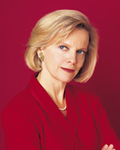
The lecture will be held at noon in Room L-110 of the Boston University School of Medicine Instructional Building on the Boston University Medical Campus, 72 East Concord St. The event is free and open to the public and will be followed by a reception.
Andrews' lecture, "Studying Medical Malpractice at the Bedside," draws on her own research, which heavily influenced the 1999 Institute of Medicine malpractice/patient safety study "To Err is Human." She will address a series of crucial questions: What causes medical errors in hospitals? How do physicians, nurses, administrators and patients respond when an error occurs? Can studies of medical errors provide the foundation for changes to improve patient safety? To begin to answer these questions she led a team of researchers who followed surgical attendings and residents on rounds; sat in on nurse shift changes; and attended morbidity and mortality meetings and legal discussions to determine the incidence and causes of medical errors in a teaching hospital.
The event inaugurates the Cathy Shine Lectureship, established in 2010 at BUSPH with a gift from the family of the late Cathy Shine to advance the human rights of patients and those in need of medical care. The lectureship is organized by the school's Department of Health Law, Bioethics and Human Rights.
"It's a tribute to Cathy and her experiences that Lori Andrews has agreed to present the first Cathy Shine Lecture," said George Annas, chair and William Fairfield Warren Distinguished Professor of Health Law, Bioethics and Human Rights. "Lori is one of those very rare health law professionals who not only cares about patients, but has also had a major impact on changing the legal rules to better protect them," he said. Her influence has been felt not only in the hospital and clinic, but also in all aspects of assisted reproduction, the emerging field of reprogentics, as well as challenging current rules for gene banking and patenting.
Andrews is Distinguished Professor of Law at Chicago-Kent College of Law; an associate vice president of Illinois Institute of Technology; and the director of IIT's Institute for Science, Law and Technology.
She was elected chair of the ELSI (ethical, legal and social implications) Working Group of the Human Genome Project in 1995, but resigned to protest the expectation that the group act more as cheerleader for the project than to provide critical thinking about emerging social policy controversies that come with the new genetics.
She is author of more than 150 articles on health care policy, biotechnology, genetics and reproductive technologies and ten non-fiction books, including Genetics: Ethics, Law and Policy (West 2002 & 2d ed. 2006); Future Perfect: Confronting Decisions About Genetics, (Columbia U. Press 2001); and her autobiographical The Clone Age: Adventures in the New World of Reproductive Technology (Henry Holt 2000). She is also the author of three medical mysteries that explore in fiction many of the issues she has studied: Sequence (2006), The Silent Assassin (2007) and Immunity (2008). She is consulting producer for a made-for-TV medical ethics drama featuring a law professor not entirely unlike her, which is currently in development at Fox under executive producer and writer Warren Leight (Law & Order: Criminal Intent, In Treatment, and Lights Out).
Cathy Shine, for whom the lectureship is named, became an advocate for patient rights after being restrained against her will at Massachusetts General Hospital while recovering from a severe asthma attack. The trauma she experienced led her to avoid hospital treatment, and she died in 1992 as a result of another asthma attack. The Massachusetts Supreme Judicial Court, in a decision in her favor and against the hospital for treating her without her consent, confirmed that the law protects "the right of a competent individual to refuse [any] medical treatment."
For more information on the Shine Lecture, visit sph.bu.edu/shine.
BUSM Professor Co-authors First Book on Deaf Ethnicity
In the first book to examine the 300-year ancestry of deaf people in America, Richard C. Pillard, MD, a professor of psychiatry at Boston University School of Medicine (BUSM) and his co-authors argue that deaf people who use sign language to communicate are members of an ethnic group. The book, “The People of the Eye: Deaf Ethnicity and Ancestry,” examines the lives and culture of the people who identify themselves as members of Deaf-World and compares them to other ethnic groups, delving into controversial questions surrounding whether being deaf is always a disability or, for some, an ethnicity.

There are more than 10 million deaf and hard of hearing people in the United States, most of whom communicate using spoken language and identify themselves ethnically based on factors other than deafness. For these, loss of hearing is indeed a disability. However, most of the estimated 500,000 Deaf people who use sign language constitute an ethnic group, so say the authors, because they share a language, a history, a culture, social institutions, a sense of shared identity, and a name – the Deaf-World. Moreover, a majority are kin in that they share ancestry as do the members of many ethnic groups.
“Characterizing the Deaf-World as an ethnic group is challenging because it argues that Deaf individuals who use American Sign Language (ASL) to communicate are not disabled; instead, like many ethnic groups, they have a physical difference that goes with their ethnicity – in this case, reliance on vision. Members of the Deaf-World generally do not see themselves as disabled though many doctors would disagree,” said Pillard.
The book includes the first compiled ancestries of Deaf families dating back to the 17th century. The authors have traced more than 200 lineages most of which can be accessed from an on-line data base. These provide information for those curious about their personal ancestry or relations to the Deaf-World, and they identify the persons and conditions that led to the founding of the Deaf-World in America
The book’s senior author is Harlan Lane, professor of psychology at Northeastern University and author of a number of books about the history and culture of the Deaf. A second co-author is Gallaudet University’s Director of Deaf Library Collections and Archives, Ulf Hedberg. The book is published by Oxford University Press.
BUSPH Study Finds Lesbian, Gay and Bisexual People at Increased Risk for Sexual Assault
A new study led by researchers at Boston University School of Public Health (BUSPH) has found that across 75 different research reports, lesbian and bisexual women may be up to three times as likely as heterosexual women to report having been sexually assaulted in their lifetime, and that gay men appear to be approximately 15 times as likely as heterosexual men to report the same.
The study, which appears online and in the February issue of Trauma, Violence and Abuse, is the first to systematically review and analyze the results of research investigating sexual violence with lesbian, gay and bisexual people, according to lead author Emily Rothman, associate professor of community health sciences.
"Practitioners who work with lesbian, gay and bisexual (LGB) clients or patients should be aware that the prevalence of sexual assault victimization among this population is high; trauma-informed practice is critical," she said. "Continued advocacy is needed to change oppressive social norms in our culture that support violence against LGB people, including homophobia and the use of violence to control others."

Rothman and colleagues reviewed 75 studies that examined the prevalence of sexual assault victimization among a total of 139,635 lesbian, gay and bisexual respondents in the United States. All studies were published between 1989 and 2009 and report the results of quantitative research. The authors reviewed the reported prevalence of lifetime sexual assault victimization (LSA), and also subtypes of sexual assault, including childhood sexual assault, adult sexual assault, intimate partner sexual assault, and hate crime-related sexual assault.
The research team found that on average, 43 percent of lesbian and bisexual women, and 30 percent of gay and bisexual men, reported having experienced at least one form of sexual assault victimization during their lifetimes. Given that the estimates of lifetime sexual assault prevalence among U.S. residents range from 11-17 percent for women in general, and 2-3 percent for men, the authors concluded that LGB individuals are likely at increased risk for sexual assault victimization as compared to heterosexual people.
Why would LGB individuals be at increased risk for sexual assault? While Rothman and colleagues' study did not investigate the answer to this question, they note that several plausible explanations have been put forward. "We tend to see increased rates of violence victimization among groups with fewer rights in society, or who experience more discrimination," she explained.
One of the most important lessons from this study, said Rothman, is that "medical professionals, teachers, parents and others need to be aware that a high percentage of LGB people may have experienced a sexual violence trauma, either recently or in the past. Providing trauma-informed medical care, dental care, mental health care, substance abuse treatment, classroom education -- all of it -- may be critically important for these survivors' wellbeing."
Besides Rothman, co-authors of the study include Deinera Exner, a doctoral student at Cornell University and recent graduate of the Boston University School of Public Health, and Allyson Baughman, a doctoral student at UMASS Boston and researcher at BUSPH.
The full study can be accessed on the Trauma, Violence and Abuse website.
GSDM Students Push Boundaries of Dentistry and Adventure in Guatemala
All three said they’d go back in a heartbeat. “I’ve wanted to do something like this ever since I was in undergrad,” said Ty Eriks DMD 11. “The experience was definitely life changing.”
Eriks, along with Alex Vasserman DMD 11 and Tadeu Szpoganicz DMD 11 traveled to Poptun, Guatemala, January 6 to January 17, with Liga International to provide oral health care.
The trio, along with Erika Enriquez—an undergraduate student from Minnesota interested in pursuing postgraduate dental education—and Dr. Fred Kalinoff and his wife, treated between 250 and 300 patients, more than half of them children.
“When we arrived [at the clinic] on Monday, we immediately filled the whole week’s appointment schedule for fillings,” said Szpoganicz. “Any remaining time was dedicated to oral surgery walk-in appointments.”
Throughout the week the students performed a variety of extractions, anterior composites, and oral surgery—including one patient, whose mouth Vasserman was tasked with putting back together when he showed up at the clinic following a car accident.
“We worked non-stop,” said Vasserman. “By the time we wiped down the chair, a new patient was already anesthetized and ready to sit.”
Despite all their hard work, the group still found time to explore Guatemala. They hiked an active volcano, visited a coffee plantation and local ruins, watched the sun rise over the jungle, went zip-lining, and explored other natural wonders only accessible by riding on the back of a truck as it climbed up narrow dirt roads.
“Having time to see the country was awesome,” said Eriks. “When we arrived Tad [he’s fluent in Spanish] talked to the locals, found out what we should do, and we did it. It was all amazing!”