Student Updates
California Alumni Open Their Homes to GSDM Family
Two BU alumni couples in California hosted events at their homes this month. The Dean and Mrs. Hutter and fellow alumni gathered for spectacular views and reminiscing about the School.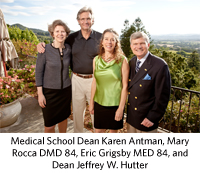
“With nearly 700 GSDM alumni in California we have begun to focus on building a robust complement of alumni programs in the region,” said Dean Jeffrey W. Hutter. “It was such a pleasure to be hosted by these gracious and generous alumni in Newport Coast and Napa and to have the opportunity to spend time with so many of our alumni.”
On Thursday, June 9, GSDM alumni Arash Aftabi DMD 98 PERIO 01 and Farnoush Fadavi ENDO 98 hosted a dinner at their Newport Coast home for Dean Jeffrey W. Hutter and Mrs. Kathy Hutter, along with their fellow GSDM alumni from the area. In attendance were: Leyla Fazeli DMD 01 and her husband Donald Dennis, James Kloss ENDO 69 and his wife Carol, Nooshin Majdzarringhalam DMD 97 ORTHO 03 and her husband Saman Malkami DMD 96 ENDO 03, Saeid Malboubi PERIO 09 and his wife Nikki, and Dick Mungo DMD 75 and his wife Kris.
On Saturday, June 11, GSDM alumna Mary Rocca DMD 84 and Medical School alum Eric Grigsby MED 84 hosted a reception at their Napa Valley home for Dean Jeffrey W. Hutter and Mrs. Kathy Hutter and Medical School Dean Karen Antman. Alumni Board President Tina Valades DMD 84 and her husband Ralph Tullberg also attended. Local GSDM alumni in attendance were: Ana Maria Antoniu, DMD 04, Wallace Bellamy DMD 89 and his guest Elaine Ferrari, Robert Levine DMD 90, Lawrence Sarkis DMD 84 and his wife Carin, Jennifer Vitez DMD 09 and her sister Jessica, and Richard Yamanaka ENDO 76 and his wife Sharlene.
Instructional Building Lobby Construction Update

Just a month into the renovations that began Monday, May 23, both the interior and exterior of the BUSM Instructional Building, also known as the L-building, are changing. Please note that pedestrian traffic has been completely re-routed around the old entrance.
Demolition of the front stairs is complete. A drill rig has completed the work on the piles and pile cap and gray beams are being prepared. Forms for the concrete beams, which will support the stairs, will be poured on Tuesday, June 28. The casting of the stairs will follow.


Rough work is underway on the interior. This includes a new kiosk managed by Chequers that will serve Peet’s coffee and will provide quick grab and go food service. In addition, new soffits are being prepared for lighting as well as new ventilation systems. (Say goodbye to the freezing lobby!)


Pedestrians are reminded to use the temporary entrances. There is a handicapped ramp at the entrance between the L and Evans buildings. This doorway also may be used as the temporary main entrance for the entire complex. L-building occupants may use the door closest to East Concord Street as shown in image C. There is an ID-card reader installed to allow access as well as a vision panel so that people on either side of the door are visible. Visitors to A-Building may enter the complex through the new temporary entrance between the L and Evans buildings. They may take the L-building elevators to the basement and follow the hall past Chequers to the staircase at the end of the hall on the right. Then visitors may take these stairs to the first floor and follow the corridor past Bakst Auditorium to the A-building elevators.
If you have any questions about the renovation, please contact John Barton at 638-4211. For urgent issues, please call the Control Center at 638-4144.
School of Medicine Receives LCME Reaccreditation
BU President Robert Brown and School of Medicine Dean Karen Antman received notification from the Liaison Committee on Medical Education (LCME) that the School of Medicine has been reaccredited for the next eight years.
The LCME is the only nationally recognized accrediting body for all medical education programs in the U.S. leading to the medical education degree. Accreditation signifies that national standards for structure, function, and performance are met by a medical school's education program.
“The School of Medicine is a leader in education, research and clinical training,” said Dean Karen Antman . “The LCME accreditation confirms the quality and the standards that we have developed and continually refine and enhance. My colleagues at the School have my sincerest congratulations on this recognition.”
The School received high marks from the accreditation survey committee for the strong support provided by central administration for the teaching mission; the robust series of faculty development activities that are well attended by MED faculty; the mission-based allocation model that allows all components of the School’s mission to be strongly supported by department chairs and faculty; and the dedicated leadership at the School’s affiliated hospitals that strongly support its educational mission.
“Receiving this accreditation is an endorsement of the quality of the education we provide, our pedagogical process, and the outcomes—our graduates who are highly prepared both clinically and scientifically to contribute to health care at the bedside and in the laboratory,” said Antman.
Students and graduates of LCME-accredited medical schools are eligible to take the United States Medical Licensing Examination (USMLE). These graduates are also eligible to enter residencies approved by the Accreditation Council for Graduate Medical Education (ACGME). Graduating from an LCME-accredited U.S. school and passing the national licensing examinations are accepted as prerequisites for medical licensure in most states. LCME accreditation establishes eligibility for select federal grants and programs, including Title VII funding administered by the Public Health Service. The accrediting body comprises medical educators and administrators, practicing physicians, public members and medical students.
Hundreds of faculty, staff and students participated in the three-year self-analysis that preceded the site visit by an LCME evaluation team in February, providing the platform for the LCME team to comprehensively examine our institutional setting, governance, academic and student support programs, as well faculty development and evaluation and educational resources. About 120 participated in the actual visit.
“I was very impressed by the dedication and hard work of the BUSM community,” Antman said. “The outstanding effort of the hundreds of faculty, students and staff involved in conducting the self-study illuminated our strengths as an academic institution. We have extensive and purposeful student involvement especially in service learning; a deep sense of collegiality among faculty, students, and staff; responsive institutional structures; mission-based budgeting that reinforces our emphasis on quality teaching; diverse clinical opportunities for our students; and a cutting-edge research program fully open to our students that enriches their educational experience.”
Dorchester Families Start Living SMART
Community Health Programs Oral Health Promotion Director Kathy Lituri, Felicia Smith DMD 15, Thomas Horton DMD 14, Lillelenny Santana AS 2012, and Danielle Collins (a former dental hygiene student of Lituri’s) volunteered at the Living SMART Community Health Fair on June 11. The fair was held at the Perkins Community Center in Dorchester.
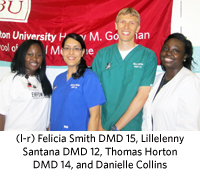
Living SMART is a campaign that was designed for the Dorchester community to get smart about living a healthy life. The acronym SMART stands for select healthy foods, make an appointment with your doctor, adopt an exercise regimen, reduce your stress, and tell others about living smart. The related health fair targeted local families and included a zone featuring community exhibitors and providing health care resources, a kid’s zone to engage children in physical activities, heath screenings, HIV testing, and health workshops. The fair was sponsored by the Young Professionals Network (YPN) of The Urban League of Eastern Massachusetts. Smith is a member of this group and served as one of the organizers of the fair.
She says she got involved with the group because, “When moving to Boston, I wanted to establish a network with young professionals aspiring to accomplish goals such as closing equality gaps, improving race relations, and empowering underserved communities. Before I joined the YPN of the Urban League of Eastern Massachusetts I had prior knowledge, as an adolescent growing up in Chicago, of the Urban Leagues’ historic contribution to the civil rights movement and 20th Century Freedom Movement. The turning point for my affiliation with YPN Urban League was when I was informed of the chapter’s development of a Public Health Committee. This was the first Public Health Committee in the YPN Urban League.”
Smith reached out to Lituri to get the Dental School involved with this fair. She said, “Since our organization is focused on strengthening the community resources through partnership, we solicited the expertise of Ms. Kathy Lituri and the Dental School students for promoting oral health through education and dental screenings. From personal experience working with Ms. Lituri on previous events, I knew she had a wealth of knowledge on engaging various communities in and around the Boston area on oral health issues.”
GSDM volunteers promoted oral health and provided screenings to the children and adults in attendance. They also participated in a round-robin discussion on oral health promotion in the kid’s zone.
Smith encourages other dental students to get involved, adding, “Joining the YPN Urban League is a great opportunity for dental students to network with other young professionals and other leaders, expand leadership skills, and develop an active role in the community on various issues.”
BUSM’s Samet Recognized for Outstanding Contribution to International Cooperation in Drug Abuse Research and Training
Jeffrey H. Samet, MD, a professor of medicine and community health sciences at BUSM, has been selected as a National Institute on Drug Abuse (NIDA) International Program 2011 Awards of Excellence winner. Samet was recognized for his commitment and investment in mentoring scientists in their pursuits in patient-focused drug abuse research and treatment.
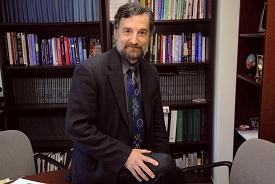
Samet, who is also chief of the Section of General Internal Medicine at BMC, has influenced the careers of innumerable young researchers both in the United States and abroad, particularly in Russia, where he has trained and inspired several junior investigators and is currently a principal investigator of a study on HIV and substance abuse in the region. In the United States, he helped create the NIDA-supported Chief Resident Immersion Training program, a four-day immersion training for incoming chief residents and their faculty mentors on state-of-the-art methods to diagnose, manage and teach about substance use disorders. He leads the NIDA-funded study to advance the Clinical Addiction Research and Education program, which has successfully fostered physician development in addiction research and education during the past 10 years. These programs provide adaptable models for the international drug abuse community.
“Whether mentoring a promising young scientist or an established academic researcher, Dr. Samet’s commitment to teaching scientists about patient-oriented drug abuse research and treatment is unfaltering. His approachable and enthusiastic style and his ability to tap into researchers’ potential have made him an in-demand mentor within the drug abuse research community,” said Steven W. Gust, director of the NIDA International Program.
The 2011 Awards of Excellence winners were announced June 18 at the NIDA International Forum in Hollywood, Florida. The 2011 Forum focused on “Building International Collaborative Research on Drug Abuse,” acknowledging the importance of individuals from diverse settings working together to address drug abuse and shape drug abuse policy.
.
BUSM’s Samet Recognized for Outstanding Contribution to International Cooperation in Drug Abuse Research and Training
Jeffrey H. Samet, MD, a professor of medicine and community health sciences at BUSM, has been selected as a National Institute on Drug Abuse (NIDA) International Program 2011 Awards of Excellence winner. Samet was recognized for his commitment and investment in mentoring scientists in their pursuits in patient-focused drug abuse research and treatment.
Samet, who is also chief of the Section of General Internal Medicine at BMC, has influenced the careers of innumerable young researchers both in the United States and abroad, particularly in Russia, where he has trained and inspired several junior investigators and is currently a principal investigator of a study on HIV and substance abuse in the region. In the United States, he helped create the NIDA-supported Chief Resident Immersion Training program, a four-day immersion training for incoming chief residents and their faculty mentors on state-of-the-art methods to diagnose, manage and teach about substance use disorders. He leads the NIDA-funded study to advance the Clinical Addiction Research and Education program, which has successfully fostered physician development in addiction research and education during the past 10 years. These programs provide adaptable models for the international drug abuse community.
“Whether mentoring a promising young scientist or an established academic researcher, Dr. Samet’s commitment to teaching scientists about patient-oriented drug abuse research and treatment is unfaltering. His approachable and enthusiastic style and his ability to tap into researchers’ potential have made him an in-demand mentor within the drug abuse research community,” said Steven W. Gust, director of the NIDA International Program.
The 2011 Awards of Excellence winners were announced June 18 at the NIDA International Forum in Hollywood, Florida. The 2011 Forum focused on “Building International Collaborative Research on Drug Abuse,” acknowledging the importance of individuals from diverse settings working together to address drug abuse and shape drug abuse policy.
.
Emergency Room Treatment Twice as Likely Among Young Adults With Psychological Problems
Young adults with serious psychological problems are more than twice as likely as peers to use hospital emergency department services, according to a new study led by BU School of Public Health researchers.
The study, published online in the journal Social Psychiatry and Psychiatric Epidemiology, found that “serious psychological distress” was significantly associated with emergency department utilization among young adults. The authors noted that excess emergency room use is expensive and leads to overcrowding and long waits, and they suggested that efforts be made to increase community intervention and treatment options for young adults with mental health problems.
“Improvements in affordability of and accessibility to primary care could be a solution worth further research and examination,” they said.
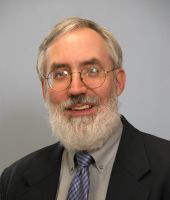
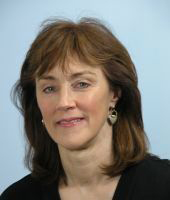
The study was co-authored by Min-Ting Lin, formerly a BUSPH Master of Science in Health Services research student; James Burgess, professor of Health Policy & Management; and Kathleen Carey, associate professor of Health Policy & Management.
The researchers used data from the National Health Interview Survey (NHIS), which contains healthcare utilization and other information. They looked at emergency room visits and mental health diagnoses for more than 16,000 young adults, ages 18 to 29.
Young adults with serious psychological distress were 2.05 times more likely to go to an emergency room, while those who also smoked were 2.52 more likely. The researchers found that those with psychological problems who also were heavy drinkers did not have an elevated risk of emergency department, or ED, use.
“Attempts to decrease excess ED use and the development of strategies to improve mental health among young adults are needed to improve patient health and reduce the health-care burden of high costs and deteriorating ED care quality,” the authors said. They noted that mental illness is the second leading cause of disease burden in the U.S., and that psychological distress has been linked with an increased risk of mortality and with deaths from coronary heart disease in men.
Past research also has demonstrated an association between mental health problems and suicidal behavior and self-harm, which were common among ED presentations in this age group, the authors said.
In another of its findings, related to health insurance, the study indicated that the proportion of uninsured individuals increased in the group of young adults who had serious psychological distress [SPD].
“Since SPD could be seen as a chronic health condition which requires health care over an extended period, the elevated percentage of the uninsured in the SPD group indicated that health-care access concerns could be leading to unmet health-care needs in this population,” the authors said.
http://www.springerlink.com/content/el55718687184140/fulltext.html
Submitted by Lisa Chedekel
GMS Welcomes Undergrad Summer Interns
Generating a burst of contagious energy, laughter and intellectual curiosity they arrived at the Division of Graduate Medical Sciences office on June 1. Johanna, Samanta, Vincent, Joshua, Jessica, Rachael, Maria, Carlos, Jordan, Derrius and Chinamere are undergraduate students from eleven different US colleges and universities. They are spending 10 weeks on the medical campus conducting biomedical research, participating in professional development seminars, attending “science talks” and enjoying the cultural and recreational opportunities in Boston.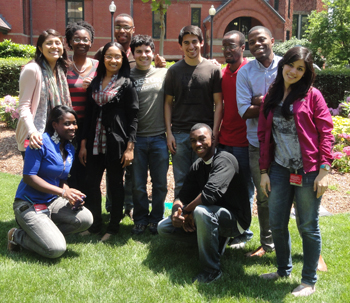
These eleven students were accepted into the Division of Graduate Medical SURP (Summer Undergraduate Research Program) based on a nationally generated pool of applicants. Applications were reviewed by a faculty admissions committee seeking academically talented students from backgrounds traditionally underrepresented in the biomedical sciences, and who were particularly motivated toward a career in research.
As part of the program, faculty and principal investigators from the basic science departments of GMS mentor these students providing guidance on their independent research projects. The summer program culminates with a student led symposium hosted by Associate Provost, Linda Hyman, PhD, on Friday, August 5. Faculty and research mentors for the 2011 summer program include: Drs. David Harris, Vidhya Kumaresan, Orian Shirihai, Andrew Taylor, Steven Borkan, John Schwartz, Ramon Bonegio, Caroline Genco, Weining Lu, Barbara Corkey, Lisa Ganley-Leal, Esther Bullitt and James McKnight.
GMS summer interns are encouraged to explore their professional development skills by presenting their research at other undergraduate research conferences such as Advancing Hispanics/Chicanos & Native Americans in Science (SACNAS) and the Annual Biomedical Conference for Minority Students (ABRCMS). Please feel free to contact Linda Zimmerman or 617-638-5704 for more information about the program.
Study: Patient Safety Indicators Need Refinement
Efforts to identify hospital-based patient safety problems have culminated in a list of indicators known as PSIs that initially were intended to help to detect adverse events and prompt quality improvements.
Now, however, PSIs are emerging as standards by which the public will be able to compare hospitals – a move that two VA Boston Healthcare System researchers, both professors at the BU School of Public Health (BUSPH), find problematic.
In a paper published in the Journal of American College of Surgeons, Amy Rosen and Ann Borzecki, professors of health policy and management at BUSPH, examined the validity of the PSIs, or Patient Safety Indicators, in a study of Veterans Administration hospitals.
What they found was that while some of the indicators had strong predictive value, for others, the predictive validity was relatively low. The criterion validity was questionable because of coding or clinical errors -- sometimes because the medical conditions flagged by the indicators were present before the patients were hospitalized.
“Many of the true positives had patient-related risk factors that may have increased the likelihood of experiencing a PSI," the study said. For example, many patients with pressure ulcers showing as "true positives" had them prior to admission to the hospital. On the other hand, despite the relatively high predictive value of indicators such as Accidental Puncture or Laceration, many of those "true positive" cases turned out to be minor injuries with no clinical significance, the authors found.
Rosen and Borzecki suggested several ways to improve the validity of the indicators, including introducing an "admission type code" that would distinguish between elective and emergency admissions, and changing coding for some of the indicators to address inaccuracies and limitations.
"Working with providers to improve the content and accuracy of medical record documentation would also help improve validity," they said.
Overall, the review – titled "Validating the Patient Safety Indicators in the Veterans Health Administration: Are they Ready for Prime Time?" -- suggested that the PSI indicators were not yet reliable enough to represent solid information about hospital performance.
Give those problems, "We recommend that the PSIs should continue to be used primarily for screening and case-finding, and not for public reporting or pay-for-performance," the authors said, while noting some exceptions.
They recommended that surgeons find ways to monitor and improve medical record-keeping and the accuracy of coding at their hospitals, in part by actively participating in educating those who do coding.
"The PSIs should ultimately be used to detect real complications that are caused by quality of care problems, in order to improve surgical care and enable [federal regulators] and other organizations to legitimately adopt them for public reporting and pay-for-performance," the study concludes.
Submitted by Lisa Chedekel
Evidence-Based Research Workshop Held at GSDM
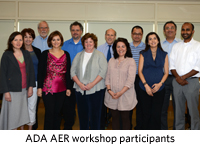
An ADA Evidence-Based Review (AER) workshop was held at the Dental School on June 2 and 3. The AER program is a unique opportunity which allows interested individuals to be trained in the concepts of scientific methods in dental research and study designs by the 13-15 members of the ADA Critical Review Panel (CRP). GSDM Associate Professor Dr. Paul Farsai has been a member of the CRP since 2009. CRP members collaborate online using the ADA EBD web portal to write critical summaries of a specific type of study design called systematic reviews.
Said Dr. Farsai, “These systematic reviews represent the best available evidence on the review topic and the critical summary is a very concise and easy to read synopsis of the available evidence.”
Individuals who train in the AER workshops—like the one held at GSDM—are then paired up with CRP members who will serve as mentors while they write five critical summaries of their choosing in the two years following the workshop.
Professor and Chair of General Dentistry Dr. Judith Jones advocated for the workshop to be held at the Dental School, as it provided a great opportunity for GSDM faculty to get involved. Drs. Negar Nasseripour, Bing Liu, and Thomas Hawley participated in the workshop and will now work with their CRP mentors to write critical summaries. Drs. Yanling Chiang and Anita Gohel have also been accepted into the AER workshop program, but were not able to attend this particular training. In addition to being an excellent source of professional development for faculty, this program also gives them a chance to be published, as some critical summaries may be included in an issue of the Journal of American Dental Association.
Dean Hutter joined the beginning of the workshop to welcome the participants. He provided a historical perspective on the evolution of evidence-based dentistry in the American Dental Association. Addressing this group was particularly important to him, as he served as a driving force behind the establishment of the ADA’s Center for Evidence-Based Dentistry.
Dr. Farsai added, “Without Dean Hutter’s early work and advocacy for the Center, these valuable workshops would not have been possible.”
Dr. Farsai went on to describe the outcome of this workshop saying, “This was a huge success based on the level of engagement demonstrated throughout the two day program. Afterward, the participants expressed that they felt the workshop was a very good vehicle to demonstrate to our students and residents that our own faculty practice what they preach in expanding their own critical thinking skills through further involvement with the ADA Center for Evidence-Based Dentistry.”
Added Dean Hutter, “The success of this workshop is truly a credit to Dr. Paul Farsai’s organizational ability and to his passion for evidence-based dentistry. I commend him on a job well done.”
Dr. Farsai would also like to thank the following: The Center's Director, Dr. Julie Frantsve-Hawley; the CRP instructors, Drs. Jim Bader and Debora Matthews; and Ms. Lindsay Corrigan and Ms. Brenda Hughes for assistance organizing the meeting.
US News & World Report: DASH Diet Number One, BU-created plan tops magazine’s list
Want the inside scoop on dieting? Ask BU’s Thomas Moore. The Medical Campus associate provost helped create the best diet plan going, according to US News & World Report.

DASH (Dietary Approaches to Stop Hypertension) topped 19 other diet plans in the magazine’s “Best Diets Overall” category, beating out such popular plans as Atkins, Jenny Craig, and Slim-Fast. The accolade is eye-catching for two reasons: DASH hasn’t been commercially marketed like those other plans—you don’t “see it at halftime during the football game,” notes Moore, a School of Medicine professor. And it wasn’t even designed to shrink waistlines. Rather, it’s a doctor-devised regimen to help people lower high blood pressure.
Several studies have confirmed DASH’s calorie-cutting potential, including this one by researchers who looked at adolescent girls using the diet. The plan was devised in the 1990s in a multi–medical center trial led by Moore, who was a Brigham and Women’s Hospital researcher at the time. Since then, it has anchored a BU-developed weight reduction regimen offered free to University employees. Moore says several companies, including CVS, offer DASH to workers.
The benefits of DASH, which is similar to the Mediterranean diet, won’t surprise followers of nutrition news. The diet stresses fruits, vegetables, whole grains, and avoiding high-fat dairy products and high-sugar foods. Cutting salt intake enhances the diet’s potency. DASH’s key insight is that a nutritional diet can reduce high blood pressure, just as losing weight and cutting your salt intake can. It also recommends exercise as a complement to the menu.
“DASH is really better known to the medical community,” says Moore. “To get it out in the lay press like this is always lots of fun,” not to mention great publicity: the day US News announced its rankings, traffic to the DASH website jumped 20-fold, he says.
“It’s OK to ease into DASH,” US News writes. “Try adding just one vegetable serving to a meal, and a fruit serving to another. Go (sort of) vegetarian by preparing two or more meat-free dishes each week. And start using the herbs and spices hiding in the back of the pantry—they’ll make you forget the salt’s not on the table.”

Insert Tom Moore photo
“Because DASH emphasizes so many healthful foods, it can easily support weight loss,” the magazine writes, adding that the diet also improves heart health: “Rigorous studies show DASH can lower blood pressure, which if too high can trigger heart disease, heart failure, and stroke.…It’s also been shown to increase ‘good’ HDL cholesterol and decrease ‘bad’ LDL cholesterol and triglycerides, a fatty substance that in excess has been linked to heart disease. Overall, DASH reflects the medical community’s widely accepted definition of a heart-healthy diet.”
The magazine includes some caveats: people seeking to lose weight above all else might prefer to choose plans from its “Best Weight-Loss Diets” category, since DASH’s primary goal is to reduce hypertension. (The magazine also graded the “Best Diabetes Diets.”) Moore’s plan can cost a bit more than some, it adds, since fresh produce is more costly than the processed foods beloved by Americans and larded with ingredients subsidized by the government.
“We worried about that from the time we did the research,” says Moore. “You can eat cheaper than this, but it’s not by any means off the charts.” He and his colleagues found that a week’s worth of groceries under the DASH plan fell in the middle-price range. Dieters can save some money, he says, by replacing fresh produce with frozen varieties.
This BU Today article was written by Rich Barlow. He can be reached at barlowr@bu.edu.