Student Updates
SPH Contributes to Groundbreaking Global Study: Treating developing world children with pneumonia at home
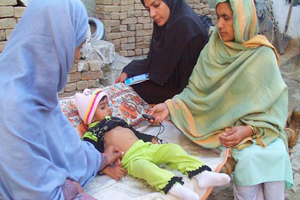
Pneumonia—dubbed “the forgotten killer of children” by UNICEF—is the leading cause of death worldwide for children under five years old.
A breakthrough study by researchers from Boston University, Save the Children, and the World Health Organization (WHO), published online Friday in the British medical journal The Lancet, has found that allowing community health workers to treat severe pneumonia in young children in a home setting is more effective and just as safe as the current recommendation of referral to a health facility.
In the study, based in the Haripur district of Pakistan, the research team found that home-based treatment of severe pneumonia by a corps of “lady health workers” armed with training and five days’ worth of oral amoxicillin reduces treatment delays and failures compared to the standard practice of administering one dose of antibiotics and referring a child to a hospital or clinic for intravenous drugs.
Because of a scarcity of health care facilities, developing countries such as Pakistan have turned increasingly to community health workers, known as CHWs, to fill the gap.
“This really is the capstone in a 10-year portfolio of research in which we were trying to provide a scientific rationale for community case management of pneumonia,” says study coauthor Donald Thea, a professor of international health at the School of Public Health and a researcher with Boston University’s Center for Global Health & Development (CGHD).
Thea says the study findings are “proof of principle that trained community health workers can identify and manage this very complex disease.”
The research team initially had set out to show that home-based treatment was equivalent to the current standard of care, but what they found was that it produced better outcomes.
“Our study aimed to show that children can recover just as well from severe pneumonia when treated at home as when referred to a health facility,” says study principal investigator Salim Sadruddin, of Save the Children. “In fact, we found that frontline health workers treating children at home can be even more effective.”
Thea says he hopes the study will help to sway the World Health Organization (WHO) to revise its recommended hospital-referral guidance for severe pneumonia to allow for community management of the disease in areas where there are “trained and well-organized community health workers,” as there are in Pakistan.
A prior study by Thea and colleagues, also in Pakistan, showed that administering oral amoxicillin to children with severe pneumonia worked as well as the injected drugs given in hospitals. But that study was hospital-based, and it had physicians, rather than the community health workers, overseeing care.
“Changing the standard of care will be hugely beneficial, especially for the many children who are referred to hospitals but never reach them,” Thea says.
Elizabeth Mason, director of WHO’s Department of Maternal, Newborn, Child, and Adolescent Health, calls the results of the Pakistan trial “very promising.”
“We will be looking closely at future studies,” she says. “If we see similar results in other places, we can update the global guidance to make treatment much more accessible for families, help governments make the most of limited resources, and save more children’s lives.”
A Lancet editorial accompanying the publication of the study notes that referrals to health facilities “do not always go according to plan. They entail transport costs, upkeep away from home, and possible loss of daily income to the family.”
The editorial goes on to say that the researchers “have given a fine example of how effective CHWs can be. It has been suggested that a reduction in childhood mortality of 25 to 30 percent could be achieved by well-trained and motivated CHWs.”
The study, published on the eve of World Pneumonia Day, November 12, compared outcomes between 1,857 young children treated at home with oral amoxicillin for five days, and 1,354 children in a control group who were given one dose of cotrimoxazole and referred to the nearest health center. Researchers looked at treatment failure at 6 days, as well as at relapse within 14 days.
With failure defined as the continued presence of fever or lower chest indrawing on day six, the results were clearly in favor of home-based therapy: a 9 percent failure rate, versus 18 percent.
The overall mortality for severe pneumonia cases was very low: two children in the control group and one in the intervention group died.
The authors credit the lady health workers, community members with basic training who are employed by the government, with accurately diagnosing severe pneumonia in 94 percent of the cases, as validated by an independent assessor. The Pakistani workers were given intensive training in how to recognize signs of severe pneumonia and to track treatment progress.
Pakistan has more than 90,000 women health workers who try to increase health awareness and improve child and maternal health, particularly in the poor rural areas where three-quarters of the country’s population live. Similar programs for community health workers are in place in other countries, among them Nepal and Malawi.
“For community case management of pneumonia to be successful and sustainable, community health workers will need to be adequately compensated and supervised,” the study recommends.
Thea says one of the most heartening aspects of the study was seeing Pakistani parents embrace the health workers as competent caregivers. At the start of the study, the lady health workers were called upon by families to provide care for fewer than one percent of suspected cases of pneumonia; by the end of the study, that care-seeking had climbed to 52 percent.
“Moms started flocking to the lady health workers with their children,” Thea says. “There was a complete virtuous cycle in the community. It was incredibly empowering for the health workers—to be able to actually cure children improved their status.”
The WHO Department of Child and Adolescent Health and Development funded the study through a grant from the U.S. Agency for International Development . In addition to Sadruddin and Thea, authors include William B. MacLeod and Matthew P. Fox, CGHD and SPH assistant professors; Shamim A. Qazi of the WHO; and a team from Save the Children.
The complete study can be viewed here .
This BU Today story was written by Lisa Chedekel. She can be reached at chedekel@bu.edu.
GSDM Students Make BU Proud at Hinman Symposium
Sultan Mohammed DMD ‘13 won Most Outstanding Presentation in Clinical Research at this year’s Hinman Symposium, which took place in Memphis, Tennessee, Oct. 28-30, for his poster, “Upregulation of Cthrc1 N-glycoprotein Marks OSCC Tumor Spread.”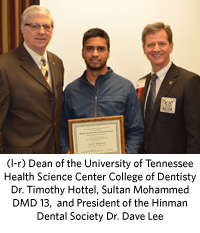
“The work I presented investigated the role of N-glycosylation on the planar cell polarity pathway in oral squamous cell carcinoma (OSCC),” Mohammed says. He went on to explain, “We found that the cthrc1, a glycoprotein which promotes the planar cell polarity pathway by stabilizing some of its components, was upregulated in OSCC. Additionally, our results show that the N-glycosylation status of cthrc1 is increased. These results suggest that in OSCC the planar cell polarity pathway is affected by aberrant N-glycosylation.”
Mohammed worked in the laboratory of Associate Dean for Research Maria Kukuruzinska during two APEX rotations and participated in the Intensive Research Program (IRP). He worked on molecular mechanisms underlying oral cancer progression as a member of a team that included PhD candidate Gangli Liu and surgical oncology fellow Basem Jamal.
In March, Mohammed presented related research at Science Day.
“We are very proud that our pre-doctoral research students continue to contribute to advances in dental medicine and the scholarly mission of the GSDM,” says Dr. Kukuruzinska.
Sonia Kim DMD 13 represented GSDM in the oral presentation category with, “Protein-mediated Biomineralization: The Role of Amelogenin in Enamel Formation.” Her mentor was Dr. Henry Margolis from the Forsyth Institute.
This research won Kim the Predoctoral Student Oral Presentation award at GSDM Science Day 2011.
“It was wonderful to see dental students from all across the continent sharing their high-caliber research,” Kim said. “For me, it reinforced how critical research is to modern dentistry, and just how expansive our profession is. I am grateful for the opportunity to have attended and represent BU with Sultan.”
“Congratulations to Sultan Mohammed for winning the Most Outstanding Presentation in Clinical Research, Sonia Kim for her excellent oral presentation at the Symposium, and Dr. Kukuruzinska for her outstanding mentoring of Sultan," said Dean Jeffrey W. Hutter.
Happy 20th Birthday TranSComm!
TranSComm (Transportation Solutions for Commuters, Inc.), the group that coordinates the transportation needs of staff and students of BMC, Boston University Medical Campus (BUMC) and Boston Healthcare for the Homeless, celebrated its 20th anniversary Oct. 18.
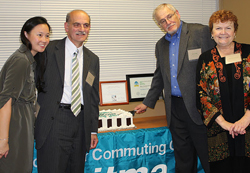
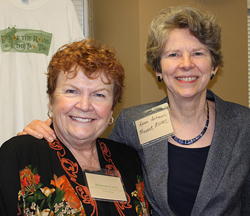
Festivities included cake and awards for staff and those who helped launch the program. “We were one of the first successful shared services on the BUMC campus,” said Maureen Lacey, Director.
See the video https://www.bumc.bu.edu/transcomm/created specifically for the 20th anniversary!
GSDM Office of the Associate Dean for Research Launches Website
During the last week of October the Office of the Associate Dean for Research launched a new website, http://www.bu.edu/dental-research/.
The website will serve as a helpful resource for the GSDM and BU research community. Designed as a one-stop shop for pertinent research news, upcoming events, and current federal and non-federal funding opportunities, the site will allow visitors to easily access information all in one place. The site also lists important links, including links to relevant GSDM research policies and resources.
Associate Dean for Research Maria Kukuruzinska said in an announcement to the School, “As collaborations continue to develop and evolve into larger projects, the Associate Dean for Research website will highlight the research topics and individuals involved, provide better transparency, and promote further collaborations at GSDM, as well as throughout BUMC and the Charles River Campus. The website will also shine a spotlight on some of the emerging scholars at GSDM and provide them with a platform to share their personal stories with current and prospective faculty and students, describe their career milestones, and share their research findings.”
Be sure to check out the new site and contact the Office of the Associate Dean for Research at bugsdmr@bu.edu with any events, seminars, funding opportunities, collaborations, or news you wish to highlight in the future.
Attend Nov. 15 CTSI Drug & Device Development Seminar, “Developing New Drugs: 10 Issues to Consider”
Join Manuel A. Navia, PhD, as he discusses “Developing New Drugs: 10 Issues to Consider.” Dr. Navia is Executive-in-Residence at Oxford Bioscience Partners located in Boston. This seminar is one in a series that explore Drug and Device Development sponsored by the Boston University CTSI .
The seminars are open to BU doctoral students, post-docs and faculty. Speakers will have extensive experience in turning bench and other academic science discoveries into health care products that help people. Here’s a chance to learn about how to develop creative ideas into marketable products. Could your lab molecules be turned into drugs to effectively treat disease?
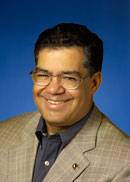
- SPEAKER: Manuel A. Navia, PhD, Oxford Bioscience Partners
- TOPIC: Developing New Drugs: 10 Issues to Consider
- TIME: noon – 1 p.m. (Lunch will be provided)
- DATE: Tuesday, Nov. 15
- LOCATION: 650 Albany Street, 7th Floor, room 714
ASPH Honors SPH Faculty Member with Distinguished Research Award
Lauren A. Wise, an associate professor of epidemiology, received the 2011 ASPH/Pfizer Young Investigator's Award for Distinguished Research in Public Health at the annual meeting of the ASPH in Washington, DC, Oct. 29-Nov. 2. This was held in conjunction with the American Public Health Association Annual Meeting & Exposition, the world's oldest and largest gathering of public health professionals.
The award honors a single, outstanding research paper published in 2010 by a full-time, young investigator, faculty member from a full ASPH-member, CEPH-accredited school of public health. The research must have promising implications for improving a population's health.
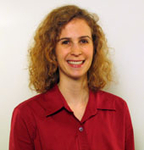
"Dr. Wise is a young investigator who has, in a very short time, established herself as a world expert on the epidemiology of uterine leiomyomata (UL), commonly known as uterine fibroids," said Roberta White, professor and chair of environmental health, who nominated Wise's paper, "A prospective study of dairy intake and risk of uterine leiomyomata."
The paper, based on more than 22,000 premenopausal participants from the Black Women's Health Study, documented an inverse association between dairy consumption and risk of uterine fibroids. "Because dairy consumption is a modifiable risk factor, the results from this study have high potential to influence primary prevention of the disease and public health practice," White wrote.
Dr. Wise joined the Department of Epidemiology in the BU School of Public Health in 2004 after completing her ScD at the Harvard School of Public Health. Her previous research in reproroductive epidemiology has involved the study of early pregnancy loss, benign gynecologic tumors, and menopause in women.
Wise is co-investigator of the Black Women's Health Study, a nationwide prospective cohort study of more than 59,000 African-American women, and the Snart Gravid Study, an internet-based prospective cohort study of fertility in Denmark. She is a past receipent of a Hood Foundation Child Health grant to investigate the role of prepregnancy obesity and gestational weight gain on preterm birth and macrosomia. She teaches "EP857: Design and Conduct of Cohort Studies," and also serves on both the Department of Epidemiology Doctoral Committee and the Boston University Reproductive, Perinatal, and Pediatric Epidemiology Training Grant.
BUSM Researcher Awarded Two NIH Grants Totaling Over $11 Million
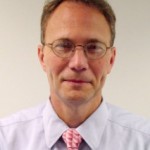
Boston University School of Medicine (BUSM) researcher Robert Lafyatis, MD, recently was awarded two grants from the National Institutes of Health’s (NIH) National Institute of Arthritis and Musculoskeletal and Skin Diseases. A 5-year, $8 million Centers of Research Translation (CORT) (P50) grant as well as a 5-year $3.3 million (P30) grant. Funding from both grants will be used to study systemic sclerosis (SSc) also known as scleroderma, a rare and complex rheumatic disease involving widespread scarring and vascular disease within multiple organ systems.
SSc remains one of the most difficult rheumatic diseases to manage, with limited effective therapies. These projects were designed to coordinate multiple scientists and clinicians to accelerate the understanding of the disease process through interactive patient-oriented studies into markers of disease activity, investigation of pathogenesis and trials of novel therapeutics.
The P50 grant will fund clinical research, identifying new paradigms for early phase clinical trials and molecular research into scleroderma pathogenesis at BUSM and Dartmouth Medical School (DMS). The P30 will allow the researchers at four sites: BUSM, University of Pittsburgh Medical Center, Northwestern Feinberg School of Medicine and DMS, to set up core services for scleroderma research, with the ultimate goal being a national resource for investigators studying scleroderma across the country.
One of the greatest impediments to finding new treatments is the heterogeneity of patient presentation and disease progression. Clinical markers are unable to predict onset and/or progression of the major complications, such as progressive fibrotic skin disease, pulmonary arterial hypertension and interstitial lung disease, each seen in a minority of SSc patients.
According to the researchers, identification of biomarkers permitting early recognition of these complications would potentially permit more targeted therapies, but also provide “at risk” populations for enrolling in therapeutic trials.
“Empowered by a very large SSc clinical population, we propose careful clinical evaluations, coupled with robust molecular approaches to identify skin, serum and peripheral blood mononuclear cell disease biomarkers,” explained principal investigator Lafyatis, who also is a professor of medicine at BUSM.
High-dose Melphalan and Autologous Stem Cell Transplantation Increases Survival Among AL Amyloidosis Patients
A team of researchers led by Boston University School of Medicine (BUSM), has found treatment of selected immunoglobulin light chain (AL) amyloidosis patients with high-dose melphalan and autologous stem cell transplantation (HDM/SCT) resulted in a high organ response rate and increased overall survival (OS), even for those patients who did not achieve a hematologic complete response (CR). These findings appear in the current issue of Blood.
AL amyloidosis is the most common form of systemic amyloidosis, with an incidence of five to 12 persons per million per year. In AL amyloidosis, clonal bone marrow plasma cells produce monoclonal light chains that misfold and deposit in tissues and organs as amyloid fibrils, resulting in progressive system and organ failure and ultimately in death.
Untreated patients with this disease have a dismal outcome, with a median survival of 10-14 months from diagnosis. Moreover, fewer than five percent of patients survived for 10 years before the introduction of HDM/SCT.
The BUSM researchers analyzed a series of 421 patients treated with HDM/SCT and compared outcomes for patients with and without CR. Treatment related mortality was 11.4 percent overall (5.6 percent in the last 5 years). The CR rate was 34 percent and the median event-free survival (EFS) and OS were 2.6 and 6.3 years, respectively.
Eighty-one patients died within the first year after HDM/SCT and were not evaluable for hematologic and organ response. Of 340 evaluable patients, 43 percent achieved CR and 78 percent of them experienced an organ response. For CR patients, median EFS and OS were 8.3 and 13.2 years, respectively. Among the 195 patients who did not obtain CR, 52 percent achieved an organ response, and their median EFS and OS were 2 and 5.9 years, respectively.
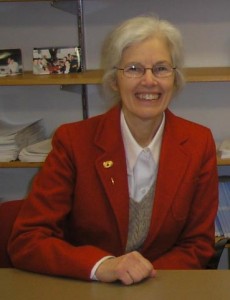
“This study provides the longest outcome data on AL patients treated with HDM/SCT, including OS, EFS, and long-term mortality,” explained senior author Martha Skinner, MD, former director of BUSM’s Amyloid Treatment and Research Program as well as a professor of medicine at BUSM. “Our results demonstrate that, with careful patient selection and experienced management, low rates of treatment related mortality can be achieved.
According to the authors, despite the importance of attaining CR, achievement of partial response often results in a long period of stable or improved diseases. “We pioneered HDM/SCT treatment for AL amyloidosis in 1994. This long term review shows durable hmetologic and organ responses for most patients with an overall survival greatly exceeding what it was prior to HDM/SCT treatment,” she added.
Funding for this study was provided by the National Institutes of Health, the Amyloid Research Fund at Boston University and a grant to visiting scientist Dr. Mary Teresa Cibeira, from the Instituto de Salud Carlos III (Spain).
PLoS ONE Recognizes Helmerhorst for GSDM Research
An article on GSDM Associate Professor Dr. Eva Helmerhorst’s research was recently published in PLoS ONE. The article titled, “Identification of Rothia Bacteria as Gluten-Degrading Natural Colonizers of the Upper Gastro-Intestinal Tract,” explains developments that have been made in her research which is currently funded by an R01 award from the National Institute of Allergy and Infectious Diseases (NIAID) for five years at just over $2 million total. She was awarded this grant in June 2010.
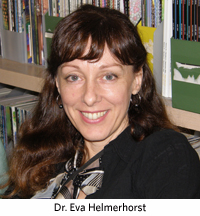 In 2010, Dr Helmerhorst published an article on the discovery that oral microbes possess the capability to degrade dietary gluten. This was significant because gluten proteins are implicated in celiac disease.
Dr. Helmerhorst said, “Patients with celiac disease develop an inflammatory immune response in the small intestines upon the intake of gluten. Gluten degradation with enzymes is one therapeutic approach by which gluten could be fragmented into smaller, non-toxic peptides.”
Her recent research has taken this discovery one step further by identifying the Rothia species in dental plaque as microorganisms that are highly effective in cleaving gluten, including domains that are otherwise indigestible by mammalian digestive enzymes.
Dr. Helmerhorst explained, “The bacteria are natural colonizers of the gastro-intestinal tract and hence are attractive candidates for pre-clinical evaluations as a dietary supplement, or probiotic applications.”
She continued, “There is currently no therapy for celiac disease. The only treatment option available is elimination of gluten from the diet. Development of a safe and effective food additive that would allow ingestion of moderate amounts of gluten would represent a breakthrough and clear improvement of the quality of life for this patient group.”
Dr. Helmerhorst’s future studies will be aimed at the isolation, cloning, and optimization of enzymes from those oral microorganisms that show gluten-degrading activities, as well as probiotic development.
She is the Principal Investigator and primary writer of this study. She was assisted in her research by Assistant Research Professor Dr. Guoxian Wei, Maram Zamakhchari, and Jaeseop Lee, as well as senior contributors Drs. Floyd Dewhirst, Detlef Schuppan and Frank Oppenheim.
The full article on Dr. Helmerhorst’s research is available at PLoSONE.org.
Nov. 2 Workshop, Building Successful Research Teams: Preventing and Managing Conflict
Anyone familiar with collaborative research initiatives knows that even the best ideas can flounder when individual researchers fail to communicate and work together as a team. Understanding the factors that contribute to the successful functioning of a team is critical to anyone who leads or participates in collaborative science. Faculty, post-docs, graduate students, and others interested in this topic are invited to attend a free workshop on Wednesday, Nov. 2, which will explore strategies for building and sustaining successful and dynamic research teams.

Presenters Howard Gadlin and Michelle Bennett have conducted several workshops based on Collaboration & Team Science: A Field Guide, which they co-authored and which is designed to help researchers develop and lead successful scientific collaborations. Attendees will receive a copy of the Field Guide at the workshop.
Click here for more information.
This event is Sponsored by the offices of: Graduate Medical Sciences; Research Compliance; Clinical and Translational Science Institute; and the Boston University Ombuds.