Student Updates
GSDM’s Pushkar Mehra Inducted Into Prestigious Society
 Chair of Oral & Maxillofacial Surgery and Associate Dean for Hospital Affairs Dr. Pushkar Mehra was inducted as an active member of the American Society of Temporomandibular Joint Surgeons (ASTMJS) at the 2012 annual meeting, held in Naples, Florida in March. Membership in this highly selective organization is by invite-only and is restricted to only 50 qualified surgeons from both the United States and internationally. To be selected members must possess significant surgical experience and an interest in performing research or clinical studies of orthopedic disease or dysfunction of this joint system of the body.
The ASTMJS is a nonprofit organization of maxillofacial, orthopedic, plastic/ reconstructive, and oral surgical specialists dedicated to promoting education, research, and patient services concerning orthopedic disease of the temporomandibular joint (TMJ).
Researchers Derive Purified Lung and Thyroid Progenitors from Embryonic Stem Cells
Researchers at Boston University School of Medicine (BUSM) and Boston Medical Center (BMC) have derived a population of pure lung and thyroid progenitor cells in vitro that successfully mimic the developmental milestones of lung and thyroid tissue formation. The research, which will be published in the April 6 edition of the journal Cell Stem Cell, identifies factors necessary for embryonic stem cells to differentiate into lung progenitor cells and provides key information about how the tissue engineering technology can be used to develop new gene and cell-based therapies to treat lung diseases.

Darrell Kotton, MD, co-director of the Center for Regenerative Medicine (CReM) at Boston University and BMC and attending physician in pulmonary, allergy and sleep medicine at BMC, led this study. The findings represent years of research dedicated to identifying how to generate an unlimited source of lung progenitor cells in vitro from embryonic stem (ES) cells.
Since ES cells resemble the early developing embryo, CReM investigators studied normal lung and thyroid development in the developing embryo. They used this knowledge as a roadmap to induce the same sequence of developmental milestones in ES cells in culture.
Previous research shows that progenitor cells from the embryo’s gut tube (called endoderm) give rise to the lungs, thyroid, pancreas, gastrointestinal tract and other organs. This led the researchers to focus on that time of development in order to identify what factors are responsible for how the cells differentiate.
The ES cells were engineered to include a fluorescent tag that glowed at the moment lung or thyroid cells were generated from ES cells in culture. Using this approach, the researchers differentiated the ES cells into gut tube endoderm and then identified growth factors that induced lung and thyroid lineages. Ultimately, 160 lung or thyroid progenitors could be generated per starting stem cell and these progenitors could be purified using the fluorescent tag that glowed only once the cells had become lung or thyroid cells.
“We succeeded in capturing a cell fate decision in cultured stem cells that is normally very transient during the earliest stages of lung and thyroid development,” said Kotton, who also is an associate professor of medicine at BUSM. “Most importantly, our results emphasize that the precise inhibition of certain pathways at defined stages is as important as the addition of pathway stimulators at different developmental stages during lung and thyroid specification.”
To demonstrate that the cells purified by the investigators were lung progenitors, Kotton’s team studied the global gene expression profiles of the cells they derived and placed the cells into a three-dimensional lung scaffold. The cells grew and multiplied, forming two types of lung cells that normally coat the air sacs of the lungs.
The findings indicate that this technology can be used to grow new primordial lung progenitors to study human disease in vitro, which could lead to novel therapies to treat patients with end stage lung disease, such as emphysema and Cystic Fibrosis.
“The ability to generate a supply of progenitor cells with the potential to differentiate into lung cells will be a huge boon to several research fields,” said James Kiley, PhD, director of the Division of Lung Diseases at the National Heart, Lung, and Blood Institute (NHLBI), which funded the study. “It lays the groundwork for studying the mechanisms and programming of cells during lung development, which, in turn, will help develop new treatments.”
The research, which was done in collaboration with Massachusetts General Hospital, Mt. Sinai School of Medicine and the Vermont Lung Center, was funded by the NHLBI through an American Recovery & Reinvestment Act (ARRA) grant.
The information derived from this study is available for members of the scientific community free of charge through CReM’s Open Source Biology policy. For more information, contact Amulya Iyer, CReM administrative director, at amiyer@bu.edu or 617-638-4466.
About the Center for Regenerative Medicine
The Center for Regenerative Medicine (CReM) is a collaborative effort among scientists at Boston University and Boston Medical Center (BMC) that aims to advance stem cell research and regenerative medicine for the sake of patients. The research of the CReM is particularly focused on those suffering from diseases commonly seen at BMC. This research includes a focus on embryonic stem (ES) and a technology discovered in 2006: induced pluripotent stem (iPS) cells.
April 10 Spring Thematic Seminar Series, Last Lecture “Mitochondria: Engines of Life, Drivers of Disease"
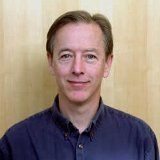
The last of the 2012 Spring Thematic Seminar Series lectures “Mitochondria: Engines of Life, Drivers of Disease” will be held on Tuesday, April 10. Featured speaker, Richard J. Youle, PhD, Senior Investigator, Chief, Biochemistry Section, NIH, NINDS in Bethesda, Md., will be speaking on “Mitochondrial Quality Control and Parkinson’s Disease”. Dr. Youle’s lab is exploring the molecular mechanisms of programmed cell death and the role of mitochondria in neurodegenerative disorders.
This seminar will be held in Keefer Auditorium at 3 p.m. A wine and cheese reception will begin at 4 p.m. in the Evans Seminar Room (E112A). Graduate students and post docs are invited to a noontime luncheon in K-103. RSVP to Melissa Howard or Robin MacDonald by Friday, April 6.
This event is jointly Sponsored by the Evans Center and the Department of Biochemistry.
CTSI Translational Research Symposium April 26
The Boston University Clinical and Translational Science Institute (CTSI) is holding the Third Annual Translational Research Symposium on Thursday, April 26, from 8 a.m.-2 p.m. The event will be held at the Boston University Metcalf Trustees Center, located inside the John and Kathryn Silber Administrative Center, One Silber Way, 9th Floor on the Charles River Campus.
Symposium Keynote and Activities
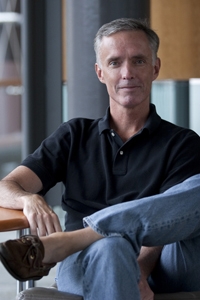
Keynote Speaker James Collins, PhD, Howard Hughes Medical Institute Investigator and William F. Warren Distinguished Professor, Boston University, will speak on “Translational Network Biology: Synthetic Biology, Systems Biology, and Microbial Threats.” Other activities at the symposium include short talks on translational research challenges and successes at Boston University, cross-campus networking, information on translational research resources at Boston University, and a poster session with awards presented to exceptional scientific posters with a trainee as the first author (first $1000, second $500 and third $250).
Registration and Logistics
Registration is now closed. For those who have registered, information and notification of acceptance for posters, and attendance confirmation will be sent on Monday, April 23. Set-up time begins April 26 at 7:30 a.m.
Green and gold parking stickers are valid at the School of Management garage. For those without a green or gold parking sticker, parking is available at 549 Commonwealth Avenue. Attendees can also take the BU shuttle to the Silber Way stop. Attendees must take the west elevators, easily accessible through the School of Management garage and the One Silber Way lobby, to get to the Trustees Ballroom.
Please contact Courtney Alpert with questions. For more information see http://ctsi.bu.edu/index.php/news-and-events/2012symposium/.
About BU CTSI
The Boston University Clinical and Translational Science Institute (BU CTSI) develops and expands research programs for traditional academic departments and schools. The institute is a bridge between academic disciplines and supports Boston University’s commitment to translational research.
BU CTSI is funded by a National Institutes of Health (NIH) clinical and translational award, which creates an environment that links faculty, trainees and university programs. The goal of BU CTSI is to speed the translation of medical innovations that improve the diagnosis and treatment of diseases and to share these innovations with other university-based clinical and translational science awards.
BUSM Researchers Uncover Liver’s Role in Preventing Dissemination of Lung Infection
Researchers at Boston University School of Medicine (BUSM) have discovered the regulation and functional significance of the acute phase response during a lung infection. The findings, which will be published in the May edition of the Journal of Clinical Investigation, demonstrate that the liver responds in order to increase defenses in the blood that prevent localized infections from spreading throughout the body.

The study was led by Joseph P. Mizgerd, Sc.D., professor of medicine, microbiology and biochemistry at BUSM, and Lee J. Quinton, PhD, assistant professor of medicine and pathology at BUSM.
The acute-phase response is an innate immune response where dozens of blood proteins change in concentration due to physiological stresses such as infection, inflammation and injury. The change in concentrations of these proteins, such as C-reactive protein, can be measured in the blood and can indicate risk or progression of disease.
“While the acute-phase response was discovered in 1930, the mechanism and meaning behind the changes in certain blood protein concentrations are not well understood,” said Mizgerd, who also is the director of the Pulmonary Center at BUSM.
In this study, the researchers mutated two transcription factor genes, STAT3 and RelA, in liver cells. These cells, called hepatocytes, generate the blood proteins that change during an acute-phase response. Prior to infection, these mutations had no measurable effects. In response to pneumonia, which normally triggers the acute phase response, these mutations completely prevented such changes in the blood proteins. Thus, the acute-phase response was specifically inhibited.
The inability of the blood protein concentration levels to change led to those bacteria escaping from the lungs into the blood, which were then attacked ineffectively by the immune cells trying to destroy them. This exacerbated the infection, allowing it to spread to the blood and other organs.
“For the first time, we have shown the acute-phase response that occurs as a result of a lung infection triggers the liver to mount bloodstream defenses, preventing the infection from spreading throughout the body,” said Mizgerd.
The research was done in collaboration with other BU faculty members, including Stephen I. Pelton, MD, professor of pediatrics at BUSM and professor of epidemiology at BUSPH; Avrum Spira, MD, MSc, Alexander Graham Bell professor of medicine and chief of computational biomedicine at BUSM; and Matthew R. Jones, PhD, assistant professor of medicine from the Pulmonary Center.
TranSComm Members Recognized for Outstanding Effort
Boston University Medical Campus (BUMC) and Boston Medical Center (BMC) received an Excellence in Commuter Options (ECO) award from the Massachusetts Department of Transportation (DOT). The Pinnacle Award, the highest level of recognition given, was awarded to TranSComm by Richard A Davey, Secretary and CEO of Massachusetts DOT. The award recognizes Massachusetts employers efforts to reduce greenhouse gas emissions through decreased drive-alone trips, while encouraging employees to travel to work by transit, carpools, vanpools, bicycling or walking.

The breakfast award ceremony took place at the Federal Reserve Bank in downtown Boston at the end of March. This is the second year of that awards were given. “We are proud of the efforts of BUMC and BMC employees. We at TranSComm will continue to work on creating and supporting programs that provide our employees with sustainable transportation options,” said Maureen Lacey, TranSComm director.
For more information on TranSComm programs, including the new electric vehicle charging station, visit www.bumc.bu.edu/transcomm.
Spring 2012 Thematic Seminar Series, April 3, Mitochondria: Engines of Life, Drivers of Disease
Please join The Department of Biochemistry and The Evans Center on Tuesday, April 3, at 3 p.m. in Keefer Auditorium for second part of the Spring 2012 Thematic Seminar Series Mitochondria: Engines of Life, Drivers of Disease.
Douglas C. Wallace, PhD, Director, Center for Mitochondrial and Epigenomic Medicine (CMEM), Children's Hospital of Philadelphia, and Professor, Department of Pathology and Laboratory Medicine, University of Pennsylvania will discuss “Energyomics-Energenomics: A Mitochondrial Etiology of Complex Diseases.”
Dr. Wallace has been working on human and mammalian mitochondrial genetics for 40 years. He was the first to demonstrate that mammalian cells harbored cytoplasmically inherited genes by inventing the cybrid transfer technique in the early 1970s and using this system to demonstrate that mammalian chloramphenicol resistance could be transferred from cell to cell by fusing only a cytoplasmic fragment, a cytoplast, in the absence of a nucleus. He then proceeded during the 1970s to define the rules of mammalian mitochondrial genetics, culminating in his demonstration of the maternal inheritance of the human mitochondrial DNA (mtDNA) in 1980. From this foundation, his research followed two paths: the investigation of the nature and extent of human mtDNA variation in aboriginal populations and the quest for diseases resulting from mutations in the mtDNA. The population studies revealed that mtDNA variation was unique in that it correlated highly with the ethnic and geographic origins of indigenous peoples. This ultimately led to the realization that mtDNA variation was limited by natural selection and that mtDNA variation has been the primary adaptive system for permitting people to survive and multiple in the range of different human environments. The quest for mtDNA diseases culminated in 1988 with the report by Wallace that Leber’s Hereditary Optic Neuropathy (LHON) was caused by a mtDNA missense mutation, making it the first maternally inherited mtDNA disease to be identified. Since that time, Dr. Wallace has not only shown that mtDNA mutations result in a wide range of clinical phenotypes but also that somatic mtDNA mutations are central to the aging process as well as for various age-related diseases such as Alzheimer and Huntington Disease. When the population specific mtDNA variation was compared to the frequency of common "complex" diseases it was found that ancient mtDNA variation plays a large role in predisposition to many of these diseases. Thus, mtDNA variation has now been shown to be central to both rare and common multi-system diseases.
Dr. Wallace will be guest of honor at a noon luncheon with graduate students and post docs, in W502. He will be available for conversation at a 4 pm, reception in the Evans Seminar Room, E112A.
April 1 Spring Carnival Sponsored by BUDS Seeks Volunteers
A special spring carnival is taking place on April 1 in Hiebert Lounge for all area individuals with developmental disabilities. Co-sponsored by the Boston University Down Syndrome (BUDS) program and the Boston University Developmental Disability (BUDDs) awareness group, with the support from the BUSM Alumni Association, the carnival will feature games, crafts, prizes, snacks, and promises to be lots of fun. While the event is open to all individuals with developmental disabilities, a special invitation is extended to the families that participate in the Operation House Call Program through the Department of Pediatrics.
Volunteers are still needed for the carnival. For more information about the event or to learn more about past activities go to http://blogs.bu.edu/budds/.

The BUDS program is a student-coordinated service learning elective that pairs first and second year medical students with teens or young adults with Down syndrome. The program provides medical students first-hand experiences in learning about Down syndrome directly from individuals with Down syndrome and their family members. The pairs meet each month to participate in social activities, including visiting museums, attending sporting events, exercising, sharing a meal, and spending time together with family or friends.
Through participation in the BUDS program, students improve their understanding of the diagnosis of Down syndrome and the medical, emotional, and social implications for individuals and families. Students also strengthen communication skills with individuals with developmental disabilities. The program aims to enrich the lives of individuals with Down syndrome by giving them the opportunity to participate in their community with a non-family member.
“I have had the privilege of growing up with a brother with Down syndrome. Brian has taught me more about life and living than anyone else. Because of this, I started the BUDS Program. I wanted other medical students to be able to have a meaningful interaction with individuals with Down syndrome. I wanted my colleagues to see more than what we read in textbooks. I wanted them to see the joy most individuals with Down syndrome bring to their friends and family, along with their optimism and resilience. It is my hope that the BUDS program will create better awareness and understanding Down syndrome and developmental disabilities among my fellow students,” explained BUSM second-year student, Erin Krizman, founder of BUDS.
The BUDS program began in 2011 and has received the generous support of the Schwartz Center for Compassionate Healthcare. Seeing a need to further advance awareness and knowledge about developmental disabilities, the leaders of the BUDS program co-founded another student organization in 2011, the BUDDs awareness group. As all physicians, regardless of specialty, will likely encounter individuals with developmental disabilities, the BUDDs awareness group aims to provide opportunities for medical students to improve their knowledge and communication skills by interacting with individuals with developmental disabilities and their families.
GSDM Students Bond During Mexican Mission Trip
Four fourth-year DMD students who didn’t know each other very well boarded a plane together in early March headed to Mexico, and returned a week later as the best of friends. The students: John Keyes, Kimberley Ung, Vera Chernomordik, and Oshin Anjirghooli joined team leader Clinical Assistant Professor Dr. Frank Schiano and GSDM alum Ismael Montane DMD 10, AEGD 11 on this Project Stretch dental mission to Teacapan, Mexico, where they bonded while providing dental care to local children. 
This is the first time that Dr. Schiano has led the trip, although he has been a volunteer several times before. This is also the first time that six people capable of serving as dentists were sent at the same time and this enabled the group to treat more children than ever before. Dr. Schiano estimates that they treated 350 patients, placed 1,079 sealants, and performed 40 extractions and approximately 200 operative procedures. They also applied fluoride varnish to all patients’ teeth. One day they placed 270 sealants—a Project Stretch record.
The team had access to the Project Stretch equipment, which included two chairs. With so many capable people on the trip and only two dental chairs, the students worked in pairs and took turns. Ung and Chernomordik often practiced four-handed dentistry and Keyes and Anjirghooli—who are left-handed and right-handed respectively—switched off between dentist and assistant roles based on which side of the mouth a patient needed treatment on. Drs. Schiano and Montane also treated patients, but worked more in teaching and supervisory roles, which the students say enabled them to learn a great deal on the trip.
The students had all worked with Dr. Schiano at the Dental School prior to the trip, but say they were able to learn new skills from him in the field. “I enjoyed working closely with Dr. Schiano. He works quickly, yet still took the time to demonstrate techniques to us. I really learned a lot from him,” explained Chernomordik.
In turn Dr. Schiano was also very impressed by the students and their commitment to this mission. Before the trip even began the students attended Yankee Dental Congress in January, met vendors, and gathered donations. They also brought toys and gifts for the children.
Dr. Schiano added, “It was really special for me to see how rewarding this trip was for the students. It made me remember my first Project Stretch trip and why I keep coming back.”
The students all agreed the trip exceeded expectations. Everyone hopes to return to Teacapan in the future.
“We don’t see patients like this at School, so this was a great new experience for me. The experience I gained on this trip gave me the confidence to be able to treat any basic pediatric case,” said Keyes.
Added Anjirghooli—who was initially apprehensive about treating children, “We treated a range of children all the way from happy to crying. We also developed our critical thinking skills, when faced with the decision of which teeth to restore in each patient. Without a radiograph I can now easily identify baby versus permanent teeth. I would say overall my confidence level went from 0 to 95 in all dentistry, especially pediatric dentistry.”
Chernomordik said, “This trip gave me an appreciation for pediatric dentistry. And now that I am back at School, I notice how much quicker and more confident I am in all aspects of treatment which is great for both me and my patients.”
Spring 2012 Thematic Seminar Series, Mitochondria: Engines of Life, Drivers of Disease, March 27
Join David G. Nicholls, PhD, Professor of Mitochondrial Physiology, Buck Institute for Research on Aging, Novato, Calif., and Visiting Professor, University of Lund, Sweden as he speaks on “The bioenergetics of mitochondria in the cell.” This lecture is co-sponsored by the Department of Biochemistry and The Evans Center. It is the first part of the Spring 2012 Thematic Seminar Series, Mitochondria: Engines of Life, Drivers of Disease and will be held on Tuesday, March 27, 3 p.m. in Keefer Auditorium.

David Nicholls has researched mitochondrial function for more than 45 years and has authored 280 publications. He may be best known as the author, now with Stuart Ferguson, of the standard textbook Bioenergetics; for his discovery of the original uncoupling protein, UCP1; for work on mitochondrial calcium transport and isolated nerve terminals; and for his research into mitochondrial dysfunction in nerve cells. Presently Dr. Nicholls is working on unraveling some of the bioenergetic complexities of insulin secretion.
Dr. Nicholls established the Bioenergetics laboratory at the Buck Institute in California in 2000. He retains a part-time position in the Institute and spends three-to-four months a year at the bench helping to develop novel techniques to investigate in situ mitochondrial bioenergetics. For the remainder of the year he is based in Lund, Sweden and travels extensively around the world lecturing and teaching.
Dr. Nicholls received his PhD, in Biochemistry from the University of Bristol, England. He is a Fellow of the Royal Society of Edinburgh and holder of the 2008 Mitchell Memorial Medal from the European Bioenergetics Congress.
Dr. Nicholls will be guest of honor at a noon luncheon with graduate students and post docs, in W502. He will be available for conversation at a reception, 4 p.m., in the Evans Seminar Room, E112A.