Ambulatory Training
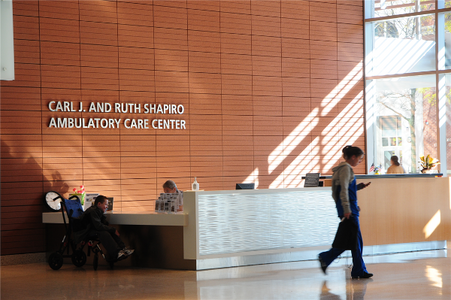
The Center for Infectious Diseases (CID) at Boston Medical Center provides comprehensive diagnostic and therapeutic services in all areas of infectious diseases, particularly HIV/AIDS, STDs, and travel-related infections. We host New England’s largest HIV/AIDS program and one of Massachusetts’ largest STD practices. Located in the state-of-the-art Carl J. and Ruth Shapiro Ambulatory Care Center, CID also leads robust research and public health initiatives.
Continuity Clinic
Fellows begin longitudinal half-day ambulatory training in their first month and continues throughout the fellowship. Patient care occurs at CID and optionally at the HIV Clinic at VABHS. Fellows also complete 5–6 sessions in the International Health Clinic.
In the continuity clinic, fellows evaluate and manage their own outpatient patient panels under attending supervision and preceptorship. Elements of this training include:
- HIV Primary Care & Consultation: Fellows will act as primary care providers for HIV patients at various stages of infection and participate in pre-clinic meetings to address relevant issues with the multidisciplinary care team. Additionally, fellows will attend weekly educational conferences pertaining to HIV (e.g., research talks, case discussions, journal clubs, practice forums).
- Infectious Disease Consultations: Fellows will develop ongoing treatment plans for patients post-hospitalization or referred directly to CID from outpatient providers who are often managing long-term infections.
Ambulatory Care Electives
- Boston Healthcare for the Homeless Program Infectious Disease Outreach Liaison Team (BOLT): BOLT provides multidisciplinary outpatient support to help patients complete antibiotic treatment following hospitalization, with an emphasis on outreach, care coordination, and addressing barriers to ongoing care; many patients experience housing instability and serious injection-related infections. Fellows gain experience working at the intersection of infectious diseases, substance use, and housing instability while connecting patients with additional resources such as addiction treatment, HIV and hepatitis C care, primary care, housing, and case management.
- High Resolution Anoscopy (HRA): The HRA Clinic provides an opportunity to develop skills in the evaluation and management of anal dysplasia, a condition strongly associated with HPV and particularly relevant to patients living with HIV. Fellows gain exposure to anal cancer screening, anal cytology, high-resolution anoscopy, and biopsy of abnormal lesions, while developing a deeper understanding of the intersection between infectious diseases, prevention, and cancer care.
- HIV-OB (Positive HOPE): Experience in managing HIV in pregnancy, focusing on perinatal transmission prevention within a multidisciplinary care team. Participating fellows may attend this clinic either on an ad hoc or ongoing basis, contingent on approval within the Positive HOPE Clinic.
- HIV/Hepatitis C Co-infection: Fellows receive training in co-infection management with Hepatology and ID attendings, including participation in post-clinic case reviews. If interested in this ambulatory elective, fellows are encouraged to attend 1-2 sessions.
- HIV-Endurance (HIVE): HIVE allows fellows to treat the evolving care needs of people aging with HIV. Through providing multidisciplinary care for people living with HIV age 50 and older, fellows are exposed to the intersection of infectious diseases and geriatric medicine, nursing, pharmacy, and case management. Fellows gain experience addressing the complex medical and aging-related needs of older adults with HIV while learning how multidisciplinary teams can provide comprehensive, coordinated, and patient-centered care.
- Faster Paths: As BMC’s substance use disorder bridge clinic, Faster Paths provides fellows with hands-on experience in low-barrier addiction care, including medications for opioid use disorder, withdrawal management, overdose prevention, harm reduction, and HIV and STI screening, prevention, and treatment. This experience offers a unique opportunity to develop skills in integrated addiction and infectious diseases care while working with a diverse patient population and learning approaches that prioritize accessible, patient-centered care.
- Neuro-ID: Fellows can gain exposure to the diagnosis and management of infections affecting the brain and nervous system, including neurological complications of HIV, infectious causes of stroke, endocarditis, and tropical infections. Fellows have the opportunity to work alongside specialists with expertise in infectious neurology, autoimmune and inflammatory diseases, vascular neurology, and neurocritical care, gaining a deeper understanding of neurologic manifestations of infection and multidisciplinary patient care.
- Project Trust: Project Trust can be an option for fellows interested in harm reduction, substance use, and infectious disease prevention. This experience provides an opportunity to work with patients who use drugs in a low-barrier, nonjudgmental setting, with a focus on meeting patients where they are in their care journey. Fellows gain exposure to harm reduction, peer support, care navigation, and the prevention and treatment of HIV, hepatitis C, and sexually transmitted infections.
- Refugee and Immigrant Health: Fellows may also choose to do rotations in the Refugee and Immigrant Health Program. This program is one of the foremost centers for refugee and immigrant health in the country with providers who are experts in caring for immigrants and evaluating victims of torture.
- Travel Medicine: Fellows will receive training in travel medicine, as well as diagnosing and treating geographical disease through sessions in the International Health Clinic. As part of this experience, fellows will help care for one of the largest cohorts of Chagas Disease patients in the country through our affiliation with Strong Hearts, a community-based screening program developed at our affiliate, East Boston Neighborhood Health Center.
- *Tuberculosis (TB): The TB clinic allows exposure to adult and pediatric TB care in a large urban setting, including screening, diagnosis, and management. Fellows will work under the direction of Dr. Karen Jacobson, and in collaboration with attendings, nurses, outreach workers, and translators; they are required to attend six sessions throughout their two years.
STI/HIV Curricula
All second-year fellows attend a 4-day intensive clinical course via the Sylvie Ratelle STI/HIV Prevention Training Center of New England, a project funded by the CDC as part of their core ambulatory curriculum. Fellows will be trained in STI diagnosis and treatment, as well as management of clinic protocols and medical records. They will conduct sexual health evaluations and STAT testing procedures for point-of-care laboratories, in addition to gaining experience in clinical quality assurance and disease intervention techniques.
Additionally, we ask second years to complete all modules of the National HIV Curriculum developed by the University of Washington. This curriculum provides a comprehensive, evidence-based foundation in HIV care and prevention. The curriculum covers HIV screening and diagnosis, primary care, antiretroviral therapy, co-occurring conditions, HIV prevention, and care of key populations. Learners can work through self-study modules, quick-reference resources, and board-style questions, with opportunities to earn continuing education credits and certificates of completion.