Cohort 14 RAM Scholars (2025-27)
Taylor Bozich, MD
Addiction Medicine
University of Washington
Dr. Bozich is an Addiction Medicine Fellow at the University of Washington, where she also earned her medical degree. She completed her IM residency at UCSF through the San Francisco Primary Care (SFPC) program. Dr. Bozich is especially passionate about addressing housing insecurity, opioid overdoses, and the increasing overlap of methamphetamine and fentanyl use. Her RAMS research project explores patient and provider perspectives on a harm-reduction-based contingency management program for individuals with stimulant use disorder and housing instability at a low-barrier clinic in South Seattle. She aims to expand access to evidence-based addiction treatments and promote equitable care through research-informed advocacy.
 Will Garneau, MD, MPH, MHS
Addiction Medicine
Johns Hopkins University
Dr. Garneau is a hospitalist and Assistant Professor of Medicine at Johns Hopkins Hospital in Baltimore, Maryland. He uses real world data from his hospital system to understand care for hospitalized patients with opioid use disorder. He specifically focuses on the drivers of patient-directed discharge. His work seeks to improve the management of withdrawal and ways to develop new paradigms of care. He recently qualified for the practice pathway to be eligible for the addiction medicine board exam and looks forward to learning from others in the RAMS program.
 Claire Garpestad, MD
Addiction Medicine
Montefiore Medical Center
Dr. Garpestad is currently an Addiction Medicine Fellow at Montefiore Medical Center. She completed her residency in internal medicine and pediatrics at Mount Sinai Hospital in New York. Her residency and fellowship experiences have sparked a strong interest in the impact of hospital-based initiation of medications for substance use disorder. Through the RAMS program, she will focus her research on retention in care following hospital administration of long-acting injectable buprenorphine among patients with opioid use disorder.
 Kamna Mehra, MBBS, DNB, MScCH
Addiction Medicine
Centre for Addiction and Mental Health
Dr. Mehra is a psychiatrist and a Clinical Research Fellow at the Centre for Addiction and Mental Health (CAMH) in Toronto. Her clinical and research work is based within the Youth-VAST (Vaping, Alcohol, Substance, and Technology) Dependence Program, where she focuses on youth addictions. Her research interests center on understanding the factors that influence access to care and engagement among youth experiencing substance use challenges. As part of the RAMS program, she intends to conduct a mixed-methods study examining the determinants of effective management of nicotine use disorder in youth populations. Her goal is to develop and implement evidence-based behavioral interventions tailored to the unique needs of young individuals struggling with substance use.
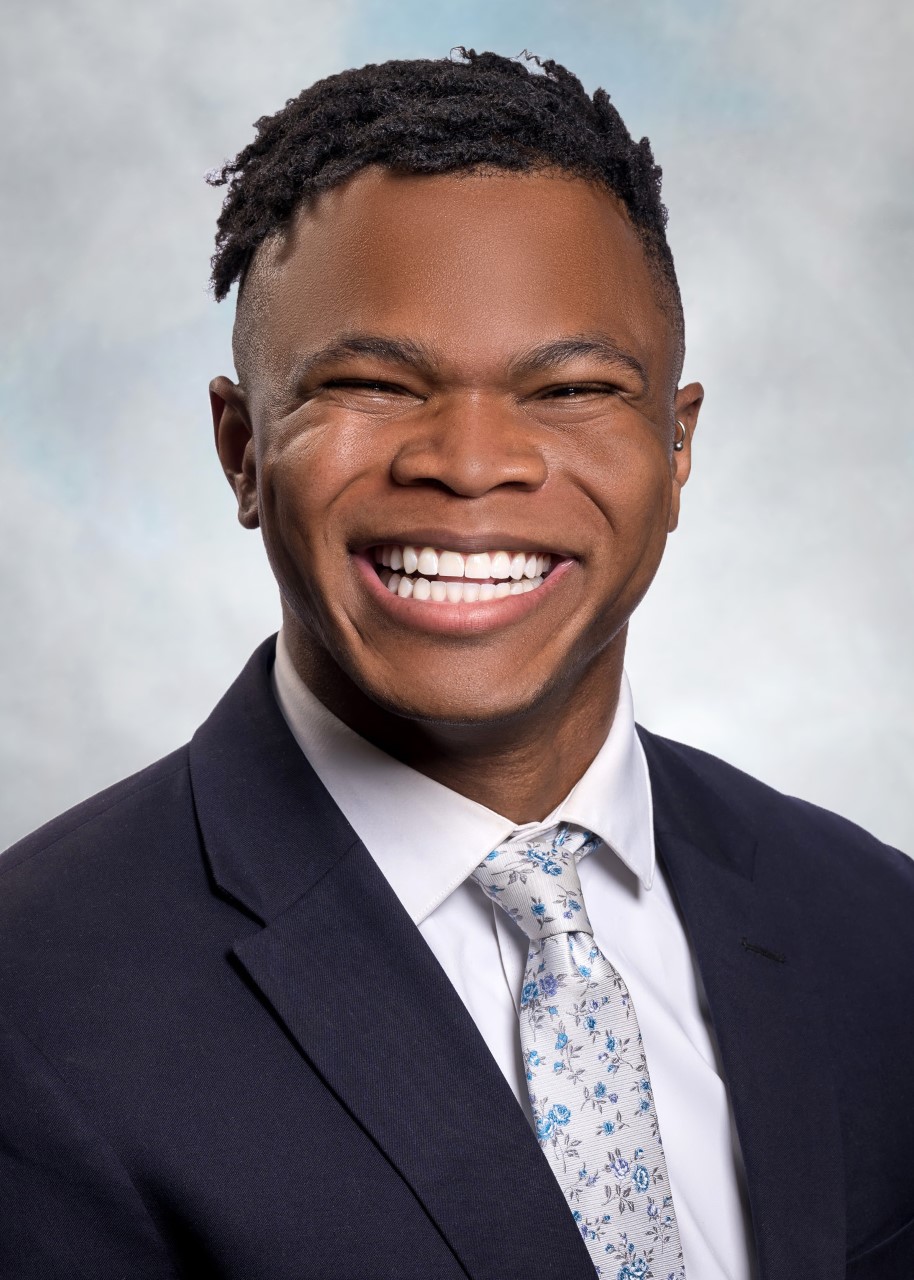 Jason Morris, MD
Addiction Medicine
Mount Sinai West
Dr. Morris is an Addiction Medicine fellow at Mount Sinai West. He completed medical school at Washington University in St. Louis School of Medicine, and completed a residency in Emergency Medicine at the Harvard Affiliated Emergency Medicine Residency Program at Massachusetts General Hospital and Brigham and Women’s Hospital. His academic interest is in improving care for people with substance use disorders in the emergency department, and his project for the RAMS program is to investigate ways to increase novel medication for alcohol use disorder prescriptions for patients who present to the ER.
 Vivian Tsang, MD, MPH
Addiction Medicine
University of British Columbia
Dr. Tsang is an addictions fellow and a psychiatry research track resident at the University of British Columbia (UBC). She obtained her MD from UBC, MPH from Harvard, and is currently completing her DPhil from Oxford University as a Clarendon Scholar. Her project is a substudy of the Road to Recovery Prospective Cohort Study which will provide a comprehensive overview of the psychiatric and medical profiles of patients admitted to this newly developed acute substance use stabilization unit for withdrawal management in Vancouver. The objectives of this study are to 1) characterize the medical and psychiatric comorbidity profiles of patients entering withdrawal management and 2) explore how these profiles may influence withdrawal management outcomes.
Cohort 14 Scholar and Mentor Faceboard