Student Updates
Nancy Sullivan, PhD, Appointed Inaugural Edward Avedisian Professor
 Nancy Sullivan, PhD, director of the National Emerging Infectious Diseases Laboratories (NEIDL), has been appointed the inaugural Edward Avedisian Professor, as well as professor of microbiology and biology. Prior to joining Boston University, Sullivan was the chief of the Biodefense Research Section at the Vaccine Research Center, National Institute of Allergy and Infectious Disease (NIAID), National Institutes of Health (NIH).
Sullivan’s appointment as Avedisian Chair marks an important moment for the University following the record $100 million naming gift last summer from late alumnus, investor, and musician Edward Avedisian. In addition to renaming the medical school, Mr. Avedisian’s grant included generous provisions to support future generations of medical students through need-based financial aid, support our faculty through professorships, and fund new education and research initiatives. The Avedisian Professorship, which is to be held by the director of the NEIDL, and provides annual support for research and teaching.
An internationally respected leader in infectious disease research, Sullivan brings extraordinary credentials to her appointment. She has devoted her career to high-impact science characterized by innovation and a vision for anticipating and preparing for emerging infectious diseases through insightful work on vaccines and therapeutics. Over the decades, her work has produced a host of translational breakthroughs, including the discovery of the first vaccine to protect primates from Ebola virus and of a protective monoclonal antibody, mAb114, that is being used in its treatment – work that contributed to her being named Time’s 2014 Person of the Year in “The Ebola Fighters” (the healthcare workers and scientists who tackled an outbreak of the disease in West Africa) and to her inclusion in the Politico Top 50 in 2015. She has additionally been an NIH subject matter expert in several areas including filoviruses, medical countermeasures for public health emergencies, accelerating COVID-19 therapeutic interventions and vaccines, and pandemic preparedness, and a World Health Organization subject matter expert on Marburg vaccines.
Submit an Abstract for McCahan Day

BUMC faculty, fellows, residents, students and staff who are interested in educational innovations and scholarship are invited to submit an abstract or workshop proposal of ongoing or completed education projects for the 18th Annual McCahan Medical Education Day.
Theme: Education Research
Keynote Speaker: Linda E. Hyman, PhD, Burroughs Wellcome Director of Education at the Marine Biology Laboratory, Woods Hole, Mass.
To find out more about McCahan Day, visit bumc.bu.edu/jmedday
To submit an education project:
This annual event is hosted by Department of Medical Sciences & Education.
AEDs on the Medical Campus
We have recently been reminded by the events surrounding Damar Hamlin on the football field how lifesaving rapid defibrillation and CPR can be. We want our community to be prepared, should one of us need similar attention. Please find the Automated External Defibrillators (AED) closest to your office and classrooms now, BEFORE you need them.
AEDs are located throughout Medical Campus buildings and are listed on BU Maps. Go to Medical Campus, then Safety, then AED, then building, where AED locations are described. Please check now and be ready.
For training on how to use an AED, contact BU Emergency Medical Services (EMS) at buems@bu.edu.
Retirement of Deborah Fournier, PhD, Assistant Provost, Institutional Research & Evaluation
 Deborah Fournier, PhD, has retired and stepped down from her role as Medical Campus assistant provost for institutional research and evaluation.
Dr. Fournier joined the Henry M. Goldman School of Dental Medicine in 1995 as an assistant professor in the Department of Diagnostic Sciences and served as executive director of the Office of Educational Research and Evaluation and associate dean for institutional planning and evaluation. In her roles, she led the development of program evaluation infrastructure, methods and practices for assessment of student learning, teaching, curriculum delivery, career outcomes, accreditation compliance and predictors of student board testing performance. She used participatory approaches to engage and collaborate with faculty, staff, students and administrative leaders in such evaluation-building and continuous improvement efforts, which strengthened school-wide evaluation capacities and accreditation commendations for excellence in outcomes assessment for individual programs within the school. She also routinely provided faculty development workshops to support the advancement of didactic and clinical teaching distinction and faculty teaching portfolios for its documentation.
As BUMC assistant provost for institutional research and evaluation, and director for evaluation and continuous improvement for the BU Clinical and Translational Science Institute, she collaborated with administrative leaders, faculty and staff to build and sustain capacity to conduct institutional assessment of biomedical research productivity, influence and translational impact; to develop and implement comprehensive program evaluation plans of grant funded projects and research training programs; and to enhance utilization-focused practices to routinely use collected data to guide decision-making that could drive organizational learning and change. She established evaluation processes, resources, and operationalized guidelines for metrics for examining biomedical research training, interdisciplinary team science, and career development, as well as increased capacities for using bibliometric analyses and dashboards. Dr. Fournier initiated the launch of BU Profiles as a research networking software that has since grown to enable investigators to self-monitor and evaluate their research productivity, influence and impact via automated metrics.
Most importantly, Dr Fournier emphasized that evaluation serves our University well when it is grounded in participatory evaluation practices that include diverse audiences in discussions and decisions at different stages of an evaluation process, from question and study design to methods to data interpretation and use of the findings to enable collective learning processes by which the University community makes sense of its environment and impact.
Dr. Fournier served on numerous Medical Campus, individual school and University committees and task forces for accreditation, curriculum, faculty development and affairs, teaching and learning, and research, as well as NIH NCATS national working groups and external advisory boards. She served on the editorial boards of The American Journal of Evaluation and Journal of Clinical and Translational Research. As a member of the American Evaluation Association, she established and chaired the Topical Interest Group, Theories of Evaluation, and served as national program conference chair.
We thank Dr. Fournier for her leadership and her many contributions strengthening evaluation methods, practices and infrastructure during her 28 years at BUMC. Dr. Fournier will continue to be part of the BUMC community as an emeritus clinical associate professor of medical sciences & education.
Thea James, MD, Lauds Health Equity Changes at Inaugural MLK Lecture
 Speaking at the inaugural MLK Health Activism and Social Change Lecture, Thea James, MD, MBA, associate professor of emergency medicine at the Chobanian & Avedisian School of Medicine, said that health care inequities and inequalities can be addressed by challenging preconceived ideas, having a plan that addresses root causes, and involving the community in solutions.
“Our patients have busy, complicated lives and I think medicine is built for medicine. It’s not necessarily built for the people we serve. For them, time is a luxury, when they have other things they must prioritize before coming to the hospital,” James said at the Jan. 23 virtual lecture, hosted by the Diversity & Inclusion office.
That is particularly true for the population served by Boston Medical Center (BMC), the School’s primary teaching affiliate and the largest safety net hospital in New England with 65 percent of its patients identifying as nonwhite, many residing in the surrounding neighborhoods that include some of the region’s most underrepresented and underserved populations. BMC data showed racial health inequities in Boston that included Blacks having 2.5 times the rate of prostate cancer as whites; 1.8 times the suicide rate and are 50 times more likely to die by gunfire. Infant mortality among Hispanics was 3.4 times that of whites; diabetes mortality 1.6 times, and Hispanics had over twice the rate of COVID-19 infection.
“People are able to create entire careers…on uncovering disparities without it being connected to a plan, an intentionality to eliminate them,” said James, who also is BMC’s vice president of mission and co-director of its Health Equity Accelerator, an innovative approach to attacking healthcare inequities using data analysis, community engagement, and focused multidisciplinary teams that look for novel solutions that can be enacted quickly.
The inequities and inequalities laid bare by the pandemic, combined with the success of addressing vaccine hesitancy through research and outreach, prompted a hospital-wide self-examination that led to the development of the Health Equity Accelerator in 2022.
It was a call to action not just for COVID-19 but on endemic health issues like cancer, diabetes, pregnancy, behavioral health. More than 80 BMC physicians, administrators and staff worked out various approaches to health equity, considering more than 100 analyses of baseline patient data to understand the main drivers of these inequities. In-depth patient interviews helped inform strategic planning and a prioritized list of 60 targeted areas where progress needed to occur over the next year to two years.
James used the example of preeclampsia, high blood pressure that develops during pregnancy and can damage maternal organs, restrict fetal development and cause pre-term births. BMC data showed 1.7 times the rate of severe complications during birth among Black patients than white patients that included a disparity in post-partum hemorrhaging, a serious and potentially fatal condition for the mother. Black mothers were 1.5 times more likely to develop severe maternal morbidity and 1.9 times more likely to deliver babies small for their gestational age.
“This was the first time we were interrogating that data, not just accepting that disparity but interrogating it to understand the root cause,” said James.
With a goal of reducing the complications from high blood pressure and optimizing the timing of delivery of the baby to offset preeclampsia impacts, BMC utilized the Health Equity Accelerator and developed a plan involving significant patient input over the past year. It included expanded patient outreach like multilingual education and a “Chatbot Hub” texting service to handle questions; an expansion of Birth Sisters, a multilingual program of people trained to assist mothers during pregnancy and first-year care; at-home monitoring and self-reporting blood pressure and glucose levels; and work by the hospital to address racism at the clinical level.
The Health Equity Accelerator is an example of a changing attitude among both patients and caregivers, a lesson learned during the pandemic, James said.
“Expectations are not what they used to be. The bar is really high,” said James. “People want to hear the truth. People don’t want to hear about things that are going to make us feel better when it hasn’t done anything to change the state of things.”
If you missed the event, click the box below and use passcode +b#3$J?h

Submit Work for Art Days 2023
 Calling All Artists!
Submit your work for Art Days 2023
Tuesday-Wednesday, Feb. 21-22
Instructional Building, Hiebert Lounge
Students, faculty and staff are encouraged to submit artwork of any medium to the annual BUMC Gallery for the Arts, sponsored by the Provost's Office. Art Days was started by Dean Emeritus Aram Chobanian to foster the support and growth of the creative arts at BUMC. The exhibition is mounted by the Creative Arts Society. To be placed on the "submit list" or if you have any questions, please contact Keith Tornheim, PhD, at tornheim@bu.edu or 617-358-4172.
Artwork (paintings, photos, poetry, sculpture, needlework, etc.) will be collected on Friday, Feb. 17. Pieces should be framed if possible. Security will be provided. Work will be returned Thursday, Feb. 23. Specific instructions will be sent at a later date to those who respond to this announcement.
Subsidized BioRender Software and Upcoming Webinars
BUMC IT is pleased to again announce the availability of BioRender Premium, giving Medical Campus faculty and staff access to icon libraries and templates to visually communicate science, at a reduced cost of $120 per person for CY2023. You can see frequently asked questions and learn more at our BioRender Request website.
BioRender will be hosting two webinars in February, which are open to anyone in the BU community. Please sign up!
----------
BioRender 101: Introduction at Boston University
Friday, Feb. 10, Noon-1 p.m.
Register here: https://biorender.zoom.us/webinar/register/WN_S6HdX-8aS_KNS4k8ITY5hg
Learn actionable tips and techniques for designing science figures for your posters, presentations, publications and more. A brief introduction to BioRender is given, followed by a live demonstration of the platform showcasing some basic and advanced capabilities of the tool while providing general practical tips on designing effective figures.
----------
Top 5 Tips for Designing Better Grant Figures at Boston University
Friday, Feb. 17, Noon-1 p.m.
Register here: https://biorender.zoom.us/webinar/register/WN_uUqxZmPoQLGmPxXxxtojow
Learn actionable tips and techniques for designing clear science figures for journal publications, including:
- How to select the right color palette for your illustrations
- How to optimize space and margins for clarity
- How to properly label and number sequential figures
- Tricks to optimize contrast and saturation for figures
- How to follow journal guidelines while adding your own creative flair
These webinars will be presented by Tim Fung, BioRender's Science Communication and Customer Success Manager, who has a research background in pharmacology and therapeutics.
Questions? Contact the BUMC IT service desk at bumchelp@bu.edu or 617-358-4540
SPH Faculty Appointments & Promotions Announced: January 2023
Congratulations to the following BU School of Public Health faculty on their recent appointment or promotion.
Professor
 Elizabeth McCuskey, JD, Health Law, Policy & Management, focuses on the roles of state and local governments in health reforms that promote health equity – particularly reforms related to private health insurance and access to care. Co-author of the leading health law textbook in the U.S., her body of work aims to translate legal concepts in ways that enable federal, state and local policymakers to design durable health reforms that respond to community needs and advance health justice. McCuskey’s research applies a health justice perspective to legal questions of federalism and preemption, interrogating the ways that law shapes relationships among federal, state and local authorities, and how those relationships may frustrate or catalyze health reforms designed to serve public health. She is PI on a Commonwealth Fund grant studying the influence of ERISA preemption on state-level health reforms.
Associate Professor
 Sara Lodi, PhD, Biostatistics, specializes in methods for assessing the comparative effectiveness of clinical interventions using randomized controlled trials and observational studies, mainly in the areas of infectious diseases and substance use disorder. Methodologically, she is interested in the development and application of causal inference methods to complex longitudinal data, (i.e., big data) and in the design and analysis of clinical trials. Over the past 15 years, she has led research studies on behalf of international HIV collaborations such as the NIH-funded HIV-CAUSAL Collaboration and URBAN ARCH, and the European Union-funded CASCADE and COHERE collaborations.
 Samantha Parker Kelleher, PhD, Epidemiology, is an epidemiologist who focuses on adverse pregnancy outcomes and maternal morbidity. The recipient of a National Heart, Lung and Blood Institute (NHLBI) Career Development Award, she also studies cardiovascular health during pregnancy and the postpartum period. She is a principal investigator on a NHLBI R01 to study postpartum blood pressure measurement and predictors of severe maternal morbidity in partnership with investigators at Boston Medical Center. In addition, she developed two new courses on applied methods in epidemiology and has earned two SPH teaching awards.
 Jennifer Ross, PhD, Healthy Law, Policy & Management, is a communication scientist with expertise in persuasion and health communication. Her work is centered on reducing tobacco disparities. Her research utilizes a combination of communication theories and methods applied to tobacco prevention and control to inform public health policy. She is PI of two National Cancer Institute R01s on cigar warnings. She serves as co-investigator on multiple NIH studies providing expertise on the tobacco regulatory landscape and message development and testing. She serves as associate editor for Health Communication and was elected to serve on the Advisory Committee of the Adolescent Network within the Society for Research on Nicotine and Tobacco, the leading research organization in tobacco and nicotine science.
’22 SPH Faculty Promotions Announced
Congratulations to the following BU School of Public Health faculty on their recent promotion.
Professor
 Christopher Gill, MD, MS, Global Health, is a clinician-scientist whose research aims to understand the burden of infectious diseases impacting infant morbidity and mortality, particularly respiratory pathogens among young children in low- and middle-income countries. He also focuses on novel technologies as tools to support global health, including the use of ear biometrics to uniquely identify infants, and the use of digital tools to support HIV care and treatment. Over the past few years, his focus has been on the epidemiology and impact of common pediatric respiratory infections, mostly notably Bordetella pertussis, the cause of Whooping Cough, and RSV. Once the SARS-CoV-2 pandemic surfaced, Dr. Gill extended his work to explore the impact of COVID-19 in Zambia and was able to show that COVID-19 associated deaths were, contrary to the prevailing belief at the time, extremely common but were being under reported. He uses his research extensively in classroom teaching to bring the material alive and for which he has received the two highest honors for teaching at BUSPH (Norman Scotch Award) and BU (Metcalf Cup).
 Lois McCloskey, DrPH, Community Health Sciences, specializes in the areas of racial inequities in maternal health, reproductive justice, multi-method research and community engagement. Since her last promotion to associate professor, she has taught and developed/co-developed 11 courses and received six awards for excellence in teaching. Dr. McCloskey’s research investigates harmful gaps in maternal health care over the life course, with an emphasis on the extended postpartum period when pregnant people, particularly those with gestational diabetes, hypertension and other chronic conditions, fall through systemic cracks that can lead to severe morbidities or pregnancy-associated mortality. She engages diverse stakeholders, including patients, policy-makers, clinicians, health system leaders and scientists, to translate the evidence into agendas and action for policy reform and systems transformation to address the fragmentation and racism in maternal health care. She also has conducted evaluations of strategies to increase systems capacity and quality of maternity care in low resource countries. Dr. McCloskey has held numerous leadership positions in SPH and currently serves as chair, ad interim, of CHS and director of the Center for Excellence in Maternal and Child Health Education, Science and Practice.
 Ziming Xuan, ScD, SM, Community Health Sciences, assesses the long-term impacts of socio-contextual determinants, particularly health policies, on substance use and related injuries among vulnerable populations. He develops and advances rigorous research methodologies, including randomized controlled trials and interrupted time series analyses, to find better answers to these complex and important public health questions. Specifically, his research and scholarship focuses on three key areas: alcohol policies and alcohol epidemiology; firearm policies and the prevention of gun violence; and the application of social epidemiology framework and methodology to medicine, especially for research among socially complex patient populations.
Associate Professor
 Jacob Bor, ScD, SM, Global Health, investigates the root causes of population health inequities and evaluates the real-world impact of interventions to address them. He primarily focuses on the prevention and treatment of HIV/AIDS in sub-Saharan Africa; economic and racial health disparities in the United States; and public health data science methods. His research has identified underlying reasons for the low demand for HIV care and treatment. In 2016, Dr. Bor played a significant role in initiating the BUSPH Annual Population Health Science Research Workshop, which aims to bridge collaboration between scholars of public health and the social sciences to push the frontier of population health science forward. Now in its sixth year, the PHS workshop has increased significantly in size to include hundreds of PhD students, post-docs and junior faculty scholars presenting their work, building networks and collaborations.
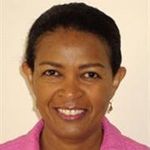 Serkalem Demissie, PhD, Biostatistics, specializes in the development and implementation of innovative statistical approaches with emphasis on statistical genetics, evaluation of exposure-outcome associations, temporal data clustering and biological age estimation. Dr. Demissie is the PI of an NIH grant to develop new algorithms for measuring biological age. Another key area of her current work is neuroscience research, which she conducts in collaboration with the Framingham Heart Study neurology research group. Her early applied research included studies of cardiovascular disease, lipids and musculoskeletal disorders and collaboration with researchers across many institutions nationally and internationally.
 Patricia Janulewicz Lloyd, DSc, MPH, Environmental Health, has expertise and training in behavioral neuroscience and environmental epidemiology, which she implements in interdisciplinary projects to study complex environmental exposures and health outcomes. Her earlier research investigated neurodevelopmental impacts for adults exposed to PCE during the prenatal and early postnatal stage. The findings resulting from this effort contributed to a larger understanding of the long-lasting impacts and risk associated with early life exposure to solvents. Dr. Janulewicz also focuses on neurodevelopment and exposures in military veterans and their children. In addition, she is examining the gene environment interactions in Gulf War Illness (GWI). Dr. Janulewicz’s research confirmed that mild traumatic head injuries (mTBI) among veterans effects the development of the illness. She also expanded the scope of her research focus to include the role of the gut microbiome on health outcomes, investigating this relationship in both human and animal models of GWI.
 Kimberly Nelson, PhD, MPH, Community Health Sciences and Psychiatry, is a clinical health psychologist who focuses her research/scholarship on understanding and intervening on psychological and structural determinants of health inequities with a particular focus on human immunodeficiency virus (HIV) and other sexually transmitted infection (STI) prevention among marginalized adolescents and adults. Additionally, her work focuses on the ethical and legal issues involved in sexual health research and interventions with adolescents and ways to use technology effectively and ethically for data collection and health promotion interventions. In addition to her appointments at BU, in 2020 she was invited to be a faculty member at Fordham University’s HIV and Drug Abuse Prevention Research Ethics Training Institute and to serve as core faculty at the Harvard TH Chan School of Public Health and Boston Children’s Hospital Sexual Orientation and Gender Identity and Expression (SOGIE) Health Equity Research Collaborative. She is PI on three extramural awards (two R01s and one R21) and serves as Co-I on two additional awards.
 Elaine Nsoesie, PhD, Global Health, specializes in the application of data science methods to global health problems. Specifically, she has developed approaches and technology that use data from non-traditional public health sources (including mobile phones, satellites and social media) for public health surveillance and health equity. Dr. Nsoesie has three areas of research focus: the use of data science methods for disease surveillance, bias/ethical limitations of health data and health equity. Her disease surveillance work has included developing tools to monitor reports of foodborne illness, unsafe food products, and the spread of infectious diseases such as, chikungunya and dengue; her research on bias/ethical limitations of health data highlighting has shown that persistent racial, gender and income bias in health data exacerbates societal inequalities; and her work on health equity has addressed obesity, COVID-19, gun violence and police brutality. Dr. Nsoesie also co-designed and leads the Racial Data Tracker project at BU’s Center for Antiracist Research.
 Junenette Peters, ScD, Environmental Health, is a scientist-educator with expertise in exposure science and environmental epidemiology. Her research focuses on effects of noise, metal and allergen exposures on health outcomes, and on the role of psychosocial context in modifying the relationship between environmental exposures and disease. She has served as PI and Project-PI of $4.8m million in extramural grant awards from the NIH and the Federal Aviation Administration (FAA) in support of research designed to develop novel scientific insights about the cardiovascular effects of noise exposure and to impact U.S. aviation environmental policy. In addition, she has directed multi-university teams working on an unparalleled national transportation noise database and well-renowned national study cohorts, such as the Nurses' Health Study (NHS).
 Peter Rockers, ScD, Global Health, uses experimental methods to evaluate the impacts of behavioral and health system interventions in low- and middle-income countries (LMICs). He is interested in two primary outcome areas: early childhood development and access to essential medicines. His work on early childhood development includes an effort to characterize biological pathways that influence child neurodevelopment, particularly the role of nutrition and inflammation. His work on access to essential medicines aims to affect system-level change by influencing the way that private pharmaceutical companies design and evaluate their access programs. He is director of the Global Health Program Design, Monitoring and Evaluation certificate within the MPH program. In 2018 he designed a new four-credit course, Methods for Impact Evaluation, which provides students with a set of theoretical and methodological skills to evaluate the causal impacts of public health programs and policies.
 Nancy Scott, DrPH, Global Health, has devoted her research career to understanding and developing strategies to improve access to maternal and child health services for remote populations in low- and middle-income countries, primarily in sub-Saharan Africa. She applies mixed methods understand the implementation and effectiveness of interventions, and meaningfully engages the community in the design, analysis and dissemination of her research. She has also brought this research and evaluation experience to the classroom, keeping the global health curriculum current and timely. Dr. Scott is a voice for the role of Maternity Waiting Homes and has been invited to speak on this and other work by organizations including the World Health Organization, Bill & Melinda Gates Foundation, World Bank Group, Government of Lesotho, the U.S. Congressional Sub-Committee on Global Health and MSD/Merck for Mothers.
GSDM Dean Leone Appointed CODA Commissioner
 Henry M. Goldman School of Dental Medicine Dean Cataldo W. Leone recently was appointed as a commissioner for the Commission on Dental Accreditation (CODA), the accrediting body for all dental and dental-related education programs in the U.S., at the conclusion of the annual meeting of the American Dental Association held in October.
Leone was nominated for the position via the American Dental Education Association (ADEA), with the support of then-Dean Jeffrey W. Hutter. He served six months as a commissioner-in-training before moving into the commissioner role, in which he will serve until fall 2026. As a commissioner, Leone will review and vote on all final accreditation reports. He also will play a role in reviewing and making policies related to accreditation matters.
As a commissioner, Leone will chair the predoctoral review committee, which reviews findings of site visit teams. He also will chair a new ad hoc committee that will review the commission’s accreditation standards for predoctoral dental education. This committee is being formed in response to a request from ADEA and U.S. dental school deans for a review of standards and how they align to the current climate of predoctoral dental education.
Previously, Leone served on the American Dental Association’s Joint Commission on National Dental Examinations (JCNDE) from 2016-20, including as chair for the last year of his term. Under his leadership, the JCNDE implemented two new examinations: the integrated National Dental Board Exam (INDBE) and the Dental Licensing Objective Structured Clinical Exam. Dean Leone also served as an accreditation site visitor for many years.