Student Updates
Two BUSM Faculty Receive Alzheimer’s disease Grants
David Harris, MD, PhD, chair and professor of biochemistry and Benjamin Wolozin, MD, PhD, professor of pharmacology and experimental therapeutics and neurology at Boston University School of Medicine (BUSM), have received Massachusetts Neuroscience Consortium (MNC) Awards. Each will receive a $250,000 grant allowing their teams to explore new therapeutic targets for Alzheimer’s disease.
Harris is developing a novel approach to the therapy of Alzheimer’s disease based on targeting a newly recognized molecular pathway responsible for neurodegeneration. Based on this approach, drug compounds have the potential to overcome some of the limitations of existing medications. Current treatments are largely ineffective and do not halt the cognitive decline associated with the disease.
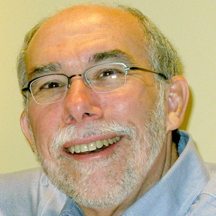
“This award will significantly enhance our ability to develop improved therapies for Alzheimer’s disease by allowing us to interact with industry partners, which is an important element of drug development,” said Harris.
Harris’ laboratory at BUSM investigates the molecular and cellular mechanisms underlying two classes of human neurodegenerative disorders: prion diseases and Alzheimer’s disease. Prion and Alzheimer’s diseases are part of a larger group of neurodegenerative disorders, including Parkinson’s, Huntington’s and several other diseases.
Wolozin is developing compounds that inhibit aggregation and toxicity caused by TDP-43, a protein that forms aggregates in Alzheimer's disease as well as other diseases, such as amyotrophic lateral sclerosis and frontotemporal dementia. His research investigates the molecular and biochemical mechanisms that cause diseases of brain aging, such as Alzheimer’s disease, Parkinson’s disease and Amyotrophic Lateral Sclerosis.
“This grant emphasizes the importance of collaboration between BUSM and development programs at major pharmaceutical companies in the Boston area,” said Wolozin.
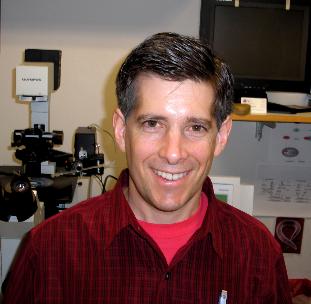
Principal Investigator of the project, Wolozin is working with Marcie Glicksman, PhD, and Kevin Hodgetts, PhD, co-directors of the Laboratory for Drug Discovery in Neurodegeneration (LDDN) at Brigham and Women's Hospital. The teams will divide the work between biology and chemistry.
MNC comprises six pharmaceutical companies that have joined together to identify new targets in neuroscience. Unique for its proposed short-term, results-oriented projects, the consortium funds research of an array of diseases in an attempt to bring patients and their families closer to a cure for certain neurodegenerative diseases.
Pediatric Residents get a Reality Check during Poverty Simulation
Goal: Keep food on your table, keep the lights on in your house, keep your kids in school, and get to work.
Sounds easy enough, right? Does it still sound easy when your family’s budget is consistently $250 short of what you critically need?
This was the challenge posed to 35 new pediatric residents of the Boston Combined Residency Program at BMC and Children’s Hospital Boston in a poverty simulation designed to spread awareness about the struggles many patients face. During four, 15-minute intervals, the residents were asked to go about a typical month in the life of a family living below the poverty line—some as children, some as parents, some as grandparents.
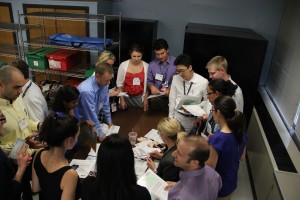
They were thrown into situations that the 46.2 million Americans face everyday.* One in five children live below the poverty line in the U.S. and children living in Mattapan, Dorchester and Roxbury, three communities in the closest proximity to BMC, have a combined poverty rate of 42 percent.
“If I were to tell you that 20 percent of your patients had a chronic disease, you would want to know more about it, right?” said Megan Sandel, MD, Pediatrics.
The residents were organized into various family situations simulating the very real situations of some of BMC’s patients. Walking in the shoes of these families, the residents had to make hard decisions quickly—choosing between picking up their paychecks or picking up their child at school, paying for food or paying for their rent.
“People have described poverty as choosing the lesser of two evils. You’re faced with either making a bad choice or a really bad choice,” said Sandel.
With pay checks that just did not cover their needs, and weeks that went by too quickly to work, take care of their children, shop for groceries and handle bills, the residents’ attitudes changed. At first, they were eager to figure out a way to make what they had work. Some tried to work extra jobs, longer hours, or find a way to get more government benefits the first week, only to realize that the paperwork and the unhelpful staff meant this process took so long it only hurt their situation.
“You learned quickly that you couldn’t just outsmart your way out of a problem; you just didn’t have enough resources,” said one attendee looking back on it.
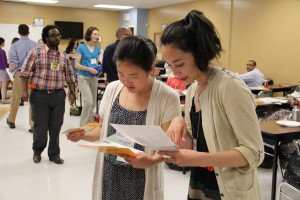
By the end, many had resolved to just go to work, pick up their children, and pawn their possessions for whatever money they could get.
“I think coming to the realization that staying afloat wasn’t even possible and had to focus on minimizing losses as opposed to even attempting to stay above water was quickly learned,” said one attendee.
Though the residents were lucky enough to be able to end the simulation and return to their lives, they were made aware that many of their patients could not walk away from these situations as easily. They will be interacting with patients over the next few years who will be just as frustrated as they were during the simulation because of the inability to make ends meet, patients who will have more pressing issues than their health sometimes.
“These are real life experiences you are going to experience throughout your residency here,” Sandel said.
*According to U.S. Census Bureau statistics in 2011.Submitted by Amy Gorel.
BUSM Investigator Receives National Blood Foundation Grant for Blood Disease Research
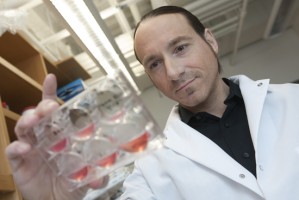
George Murphy, PhD, assistant professor of medicine in the division of Hematology and Oncology at Boston University School of Medicine (BUSM) and co-director of the Center for Regenerative Medicine (CReM) at Boston University and Boston Medical Center has received a two-year, $75,000 research grant from the National Blood Foundation to investigate blood disorders.
Murphy’s laboratory studies inherited blood disorders including sickle cell disease, amyloidosis and numerous thrombotic disorders. One goal of Murphy’s research is the development of targeted therapies for these conditions. Research of these disorders has been limited thus far due to a lack of in vitro disease models of disease processes.
“This grant will allow us to utilize a unique, immediately actionable, combinatorial basic and translational research platform to combat inherited blood disease,” said Murphy. “It is our hope that this program will both decipher how these disorders develop via disease modeling and simultaneously address the most serious complication of these diseases, which is the need for frequent blood transfusions.”
The rates of HIV infection associated with blood transfusions, for example, are .003, 0.1 and 0.6 percent in high, middle and low-income countries, respectively, according to data from the World Health Organization. Additionally patients receiving blood product transfusions are at risk for having an immune response to the transfused agent.
Murphy’s laboratory utilizes induced pluripotent stem cells (iPSC) that can develop into any cell type to create models of the inherited blood disorders of interest. They also will work to make use of the iPSC-based system to make an infinite supply of blood cells that could one day be used for transfusions into these patients, which would not be limited by either potential contamination or supply issues.
To read more about Murphy's research efforts, visit https://www.bumc.bu.edu/murphylab/ and www.murphylaboratory.com.
Boston University Study Identifies Molecular Circuitry that Helps Tuberculosis Survive for Decades
In a study from Boston University's National Emerging Infectious Diseases Laboratories (NEIDL), researchers have generated a map of the cellular circuitry of Mycobacterium tuberculosis, the causative agent of human tuberculosis (TB). This information, which is being published online as an Advanced Online Publication in the journal Nature, sheds new light on the bacterium's ability to survive inactive in the human body for decades, resist treatment and cause disease.
M. tuberculosis can cause devastating infections of the lungs and other body sites. In 2011 there were 8.7 million new TB cases worldwide causing an estimated 1.4 million deaths, according to the 2012 Global Tuberculosis Report by the World Health Organization. In the United States alone, there were approximately 10,500 new cases of tuberculosis reported in 2011, according to the Centers for Disease Control, and recent TB outbreaks have been reported in Virginia, Los Angeles and South Carolina.
"We have generated the first large-scale experimental map of thousands of molecular interactions in the bacterium that enable it to cause disease," said lead author James Galagan, PhD, associate director of Systems Biology at the NEIDL and associate professor of biomedical engineering, bioinformatics and microbiology at BU. "Based on this map, we have developed the first computer models that will ultimately enable us to more easily study this challenging infectious organism and develop new drugs, therapeutics and diagnostics." Galagan and his co-investigators expanded their ongoing research of the infectious disease to the NEIDL in April 2012, after the lab had been approved for Biosafety Level 2 (BSL-2) research.
"As with any map of a previously unexplored territory, we have made a number of surprising discoveries," Galagan said. The researchers looked at the interactions of 50 transcription factors, which are proteins in cells that decide how the cell responds to its environment.
The researchers also mapped the molecular response of the bacterium to low oxygen, a condition that reflects the host environment within which the bacterium must survive. "We pinpointed many molecules, interactions and responses that appear important for the bacterium but that had been previously overlooked. These provide new avenues for combating this disease," he said.
One important process studies is the ability of the bacterium to break down cholesterol. "The bacterium is thought to eat cholesterol during infection. But it does not make its own cholesterol. It eats cholesterol derived from human cell," added Galagan. The researcher's results generate new insight into this process by uncovering the interactions that potentially link cholesterol break down to changes in the host cell environment.
The work reported utilized technologies and approached developed for the Human Genome Project. "We co-opted these approaches to study this organism that is much smaller than us, but is still quite complicated," explained Galagan, who also worked on the human genome.
In the next step, the researchers will apply these technologies to M. tuberculosis while it is residing in a macrophage, one of the body's immune cells that the bacterium tends to inhabit, in order to enhance knowledge on how it is able to survive in the body for an extended amount of time.
Boston University officials announced in April 2012 that researchers would be moving into the NEIDL and would begin TB research that had been approved for the BSL-2 laboratories.
The work was the result of an international consortium of researchers led by James Galagan and Gary Schoolnik, at Stanford University, and included scientists from the Seattle Biomedical Research Institute, The Brigham and Women's Hospital, Metabolon Inc., Caprion Proteomics Inc., and the Max Planck Institute for Infection Biology
This research was funded by the National Institute of Allergy and Infectious Diseases of the National Institute of Health, Department of Health and Human Services, the Paul G. Allen Family Foundation, the National Science Foundation Pre-doctoral Fellowship Program, and the Burroughs Wellcome Fund Award for Translational Research.
About NEIDL:
Boston University's National Emerging Infectious Diseases Laboratories is part of a national network of secure facilities studying infectious diseases that are—or have the potential to become—major public health concerns. The 192,000-square-foot, seven-story facility, located on the Boston University Medical Campus, houses BSL-2, BSL-3 and BSL-4 laboratories dedicated to the development of diagnostics, vaccines, and treatments to combat emerging and re-emerging infectious diseases. Using state-of-the-art technologies developed to conduct research in safe and secure environments, the facility was designed and constructed with the highest attention to community and laboratory safety and security.
BUSM/BMC Radiologist Named Deputy Editor of Leading Radiology Journal
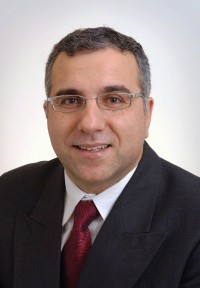
Ali Guermazi, MD, PhD, professor of radiology at Boston University School of Medicine (BUSM) and section chief of Musculoskeletal Imaging at Boston Medical Center (BMC), was appointed a Deputy Editor of the Radiology Editorial Board by the Radiological Society of North America (RSNA). Guermazi is the first faculty member from either institution to take on this role. With this appointment, he will also serve as a member of the Margulis Award for Scientific Excellence Nominating Committee.
Guermazi, who joined both institutions in 2007, also is the director of the Quantitative Imaging Center at BUSM. Prior to his arrival in Boston, he was the director of the Osteoporosis and Arthritis Research Group at the University of California, San Francisco and then the director of clinical research at Synarc, Inc. in San Francisco.
Guermazi has a particular interest in imaging of musculoskeletal diseases, contributing in the diagnosis and disease progression assessment of osteoarthritis using MRI. He has given more than 500 scientific talks in more than 50 countries. He received awards from the French Radiological Society in 1997, the European Society of Radiology in 1998 and the Honored Educator Award from the RSNA in 2012. Guermazi served on the review board for more than 20 journals and has been on the editorial board of European Radiology and Osteoarthritis and Cartilage. He also received the Editor’s Recognition Award, with special distinction, from the RSNA in 2012. He has been an investigator on multiple research grants related to MRI reading for osteoarthritis and has published more than 260 papers in peer-reviewed journals. He was born in Tunisia, spent 12 years living in Paris, and now resides in Chestnut Hill, Mass.
Radiology is a leading, monthly, peer-reviewed journal devoted to clinical radiology and allied sciences, owned and published by the RSNA. The RSNA is an international society of radiologists, medical physicists and other medical professionals with more than 51,000 members from 136 countries across the globe.
Medical Schools Using Social Media for Faculty Development
Physicians and scientists at academic medical centers face many competing demands for their time. Efforts to help them improve their teaching or scholarship traditionally have taken place in face-to-face lunchtime workshops. As clinical volume and the difficulty of obtaining external funding increases, faculty members have less opportunities to devote to their own professional development.
Researchers from BUSM and BUSPH surveyed the websites of all 154 accredited medical schools in the U.S. and Canada to locate examples where medical schools have used social media to engage with faculty in a virtual environment. Their findings were recently reported in Medical Education Online.
The researchers found 22 medical schools (14.3 percent) employed at least one social media technology tool in support of faculty development. In total, 40 instances of social media tools were identified -- the most popular platforms being Facebook (nine institutions), Twitter (eight institutions) and blogs (eight institutions). Four medical schools have developed integrated strategies to engage faculty in online communities. “Our results show that only a few medical schools, including BUSM, are experimenting with online tools to boost faculty productivity and effectiveness,” said senior author Christopher Shanahan, MD, assistant professor of medicine at BUSM.
According to the researchers, although relatively few medical schools have embraced social media to promote faculty development, the present range of such uses demonstrates the flexibility and affordability of the tools. “The most popular tools incorporate well into faculty members’ existing use of technology and require minimal additional effort,” added Shanahan. The researchers believe more research into the benefits of engaging faculty through social media may help overcome hesitation to invest in new technologies.
BUSM Researcher Warns Banned Fountain of Youth Drug May be Making a Comeback
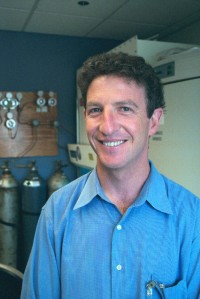
Despite it being more than 30 years since the “fountain of youth drug” Gerovital H3 was banned in the United States, it may be making a comeback. In an editorial published in this month’s Journal of the American Geriatrics Society BUSM researcher Thomas Perls, MD, points out that a few U.S.-based anti-aging and longevity clinics have begun to advertise Gerovital H3 in pill form and as intravenous infusions despite the fact that the U.S. Food and Drug Administration (FDA) banned it in 1982.
Gerovital H3 is the dental anesthetic procaine hydrochloride (novocaine), yet in the 1950s, this drug was abused among Hollywood stars. According to Perls governmental bodies such as the FDA are relied upon to protect their citizens from drugs that do not do what they are claimed to do or are unsafe, yet in communist Romania, the opposite occurred with the state-sponsored marketing of Gerovital H3. In 1956, a paper titled “A new method for prophylaxis and treatment of aging with Novocain-eutrophic and rejuvenating effects” was published in the now discontinued journal Therapiewoche by Ana Aslan, director of the Geriatrics Institute of Bucharest. As a result the communist regime established an anti-aging resort and clinic for foreigners.
Perls explains that by the 1970s, the National Institute on Aging commissioned a thorough evaluation of the studies and claims surrounding Gerovital H3. “The conclusion of that work was that, except for a possible mild monoamine oxidase (MAO) inhibitor effect that would potentially ameliorate depression, there was no scientifically credible evidence supporting the claims that procaine hydrochloride is beneficial in treating age-related diseases or syndromes,” said Perls, professor medicine at BUSM and director of the New England Centenarian and Supercentenarian Studies at Boston Medical Center. Perls points out that a plausible explanation for why some subjects might have experienced some improvements in health was that, in addition to receiving Gerovital H3, they were receiving other interventions such as exercise, stress reduction and healthy nutrition. “Thus, a glaring problem for the demonstration of any benefit associated with Gerovital H3 or similar compounds is the absence of any double-blind, placebo controlled trials demonstrating a significant improvement in the outcomes that anti-aging doctors and entrepreneurs claimed,” he added.
Additional studies were later performed to further investigate a possible MAO inhibitory effect from procaine hydrochloride and any subsequent neurocognitive benefit but there was no evidence that procaine and its preparations could treat or preventing cognitive impairment or dementia.
“Gerovital H3 appears to have experienced a recent rebound in marketing and sales in the United States, primarily because of Internet-based marketing. A search for “Gerovital H3” on Google or Yahoo! results in more than 300,000 hits. Inquiring patients and the public need to be informed about the approved and unapproved uses of procaine hydrochloride and aware that there is no scientific evidence supporting any systemic health benefits or “anti-aging” effects of the drug,” said Perls.
Weekly Yoga Class Yields Similar Lower Back Pain Relief as Twice Weekly Classes for Low-Income Minority Patients
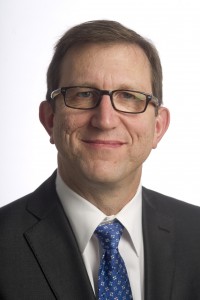
Researchers at Boston University School of Medicine (BUSM) and Boston Medical Center (BMC) have found that a weekly yoga class provided similar lower back pain relief and reduced the need for pain medication as twice weekly classes in lower income minority patients. The results of the study indicate that patients interested in trying yoga for lower back pain could benefit from attending a medically appropriate weekly yoga class.
The study, published in Evidence-Based Complementary and Alternative Medicine, was led by first author Robert Saper, MD, MPH, associate professor of family medicine at BUSM and director of integrative medicine at BMC.
While previous studies have shown that yoga can be an effective treatment for chronic lower back pain, few studies have studied this among specific populations.
“Lower income patients often have worse lower back pain due to limited access to both mainstream health care treatments and complementary treatments such as yoga, massage and acupuncture,” said Saper.
In this 12-week randomized trial, 95 predominantly low-income adults suffering from moderate to severe lower back pain were divided into two groups. One group attended yoga class once a week and the other attended twice a week, and both groups were encouraged to practice the poses and techniques at home. At the end of the 12 weeks, both groups of participants experienced similar and substantial decreases in their pain level and need for pain medications, but there was no additional benefit seen in those attending twice a week. Also, their ability to perform daily functions improved.
“Given the similar improvement seen in once weekly yoga classes, and that once a week is more convenient and less expensive, we recommend patients suffering from lower back pain who want to pursue yoga attend a weekly therapeutic yoga class,” said Saper.
Funding for this study was provided in part by the National Institutes of Health’s National Center for Complementary and Alternative Medicine under grant award number 1R01AT005956.
Fertility peaks around age 30 for both males and females, Boston University study finds
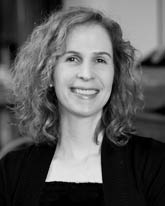
A new study co-authored by researchers from the BU Schools of Public Health and Medicine found that declines in fertility occurred slightly later than previous studies have suggested. Most previous studies have been conducted in fertility clinic populations or populations using natural family planning, whereas this study was conducted in a population of Danish women with no known fertility problems. The study found that among females, fertility declines were not marked until after age 35; women aged 35-40 had a 23% lower chance of conceiving in each menstrual cycle than women aged 20-24. Males had a later and smaller decline in fertility than females, with only a 5% reduction among men aged 35-39. Some of the decline in fertility at older ages was offset by volitional factors affecting conception, such as frequency and timing of intercourse. Despite the somewhat more optimistic view of age-related fertility than in prior studies, the study says that “couples will experience a compounded effect of their separate age-related declines….For example, if both partners are the same age…., then their fecundability at age 40 years is nearly half of what it is at age 30 years." The study, called Snart Gravid, or ‘Soon Pregnant,’ is a collaboration between researchers at BUSPH and the Univeristy of Aarhus in Denmark. Data for the study, based in Denmark, are collected via the internet and include questions on socio-demographic background, reproductive and medical history, as well as follow-up questions on pregnancy status, frequency and timing of intercourse, and other lifestyle factors. More than 3,700 women, aged 18 to 40, were enrolled.
Dr. Kenneth J. Rothman, Professor of Epidemiology, was the lead author on the study. Other authors of the study included: Elizabeth E. Hatch, Lauren A. Wise, and Henrik Toft Sørensen of the BUSPH Epidemiology Department, and Ellen M. Mikkelsen and Anders H. Riis of the Department of Clinical Epidemiology at Aarhus University Hospital in Denmark.
The study was supported by the National Institute of Child Health and Human Development and the Danish Medical Research Council.
Of additional interest: The research team recently launched a new Internet-based fertility study here in the United States, called PRESTO. For more information about the study, please visit the website.
BUSM’s Anurag Singh, PhD, Receives Top American Lung Association Grant
Anurag Singh, PhD, assistant professor in the Department of Pharmacology and Experimental Therapeutics at Boston University School of Medicine, has received an American Lung Association (ALA) Lung Cancer Discovery Grant to expand his research on targeted therapies for drug resistant cancers.
The Lung Cancer Discovery Grant, an award of $100,000 per year for up to two years, is the largest grant amount the ALA provides and is only given to two recipients annually. The highly competitive award is given to investigators focused on developing innovative medical treatments, advancing current treatment options or finding a cure for lung cancer through clinical, laboratory, epidemiological or any other kind of research.
Singh’s lab studies global mechanisms that contribute to oncogene-driven cancer progression, focusing mainly on lung, pancreatic and colorectal cancers. The lab is particularly focused on the KRAS oncogene, which is mutated in one-third of lung cancers. He will utilize the grant money for research on strategies to clinically manage drug-resistant KRAS-mutant lung cancers, which are often found in patients with a history of cigarette smoking. KRAS-mutant lung cancers are very resistant to chemotherapeutic agents, resulting in a poor prognosis for those with these mutations, and a method of blocking KRAS protein function has not yet been discovered. Singh hypothesizes that interfering with the function of small non-coding microRNAs that are controlled by mutant KRAS may make therapeutic agents more effective in treating lung cancers.
Singh, who also is a faculty researcher in the BU/Boston Medical Center Cancer Center and the Division of Hematology and Medical Oncology, received his PhD in pharmacology at the University of North Carolina at Chapel Hill. He completed a postdoctoral fellowship and was an instructor at Massachusetts General Hospital with Harvard Medical School. Originally from Dartford, England, Singh currently resides in Malden, Mass.