Student Updates
Pediatric Neurologist joins Boston Medical Center and Boston University School of Medicine
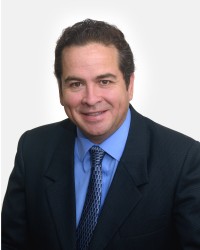
Alcy Torres, MD, will join Boston Medical Center (BMC) in the department of pediatric neurology and Boston University School of Medicine (BUSM) as an assistant professor of pediatrics on Aug. 1. Torres, who has been named one of the city’s best pediatric neurologists by Boston Magazine and other organizations, has dedicated his life to pediatric neurology with an emphasis on serving the bilingual community.
Torres will undertake multiple initiatives upon joining BMC to strengthen the hospital’s presence in pediatric neurology and in the Hispanic community. Most importantly, he will open the hospital’s first open-access clinic for pediatric neurology, which will enable more children with head injuries and headaches to be seen more quickly.
Second, Torres will pioneer an international clinic as well as direct Hispanic services to offer additional care for the Spanish-speaking population. “We want to offer bilingual services so that our Spanish speaking patients can speak with a physician in their native language,” he said. He will also work to make materials about neurological disorders, injuries and concussions available in Spanish.
Torres, who has an international following of patients from South America, also will work to attract more international patients to BMC. “Utilizing my established professional networks and continuing to publish and lecture internationally, I will work to strengthen BMC’s presence in pediatric neurology throughout the world and present the international program and its exceptional services to the populations it has been established to care for,” he said.
He also plans to establish the city’s first specifically bilingual pediatric neurology clinic at East Boston Neighborhood Health Center as well as clinics serving the Lawrence-Lowell and Fitchburg regions.
Torres is well known for his work on the diagnosis and treatment of PANDAS syndrome (Pediatrics Autoimmune Neuropsychiatric Disorders Associated with Streptococcal infections), an uncommon, but important, neurological disorder that involves rapid onset of obsessive-compulsive disorder caused by group A streptococcal infections.
Torres graduated summa cum laude from Central University School of Medicine in Ecuador in 1990. He completed residencies in pediatrics and neonatology at Carlos Andrade Marin Hospital in Ecuador and another in pediatrics at Miami Children’s Hospital. He continued with a pediatric neurology residency at Boston Children’s Hospital, where he remained on staff as a full-time faculty member for 12 years.
Torres has written nearly 40 peer-reviewed publications, reviews and book chapters, and is an editor of the Journal of Child Neurology.
Architecture of a Fruit Fly: New Clues for Reducing Electrical Surges in the Human Brain

A research team at Boston University School of Medicine (BUSM) has identified an important and novel connection between genes that guide the body plan of the common fruit fly and nerve cells in humans that underlie disorders such as epilepsy and anxiety. Results from this study, conducted by faculty within the department of pharmacology and experimental therapeutics at BUSM, were published online in the journal BMC Pharmacology and Toxicology.
“It is well known that humans and Drosophila melanogaster hold many neurological properties in common, with almost three-fourths of genes related to disease in humans having a similar counterpart in the fruit fly,” said David H. Farb, PhD, director of the university-wide National Institute of General Medical Sciences (NIGMS) pre-doctoral training program in Biomolecular Pharmacology and chair of the Department of Pharmacology & Experimental Therapeutics at Boston University and BUSM. “What is surprising in our study is the seemingly disparate nature of the human and fruit fly counterparts; we found that a specific inhibitory receptor in the human brain can be modulated by a protein that governs homeotic, or ‘body plan’, genes in the fruit fly.”
This receptor, known as the Type-A GABA receptor, is normally activated by the neurotransmitter GABA in the central nervous system and serves as a brake on transmission of electrical signals in the brain. A malfunction in this inhibitory system can produce a range of neurological disorders, including epilepsy, a condition in which uncontrolled surges of electrical activity in the brain produce muscular seizures. Nearly 3 million people in the U.S. have epilepsy, and almost 200,000 new cases are diagnosed each year.
Farb and Shelley J. Russek, PhD, director of BU and BUSM’s Graduate Program for Neuroscience, showed that a fruit fly protein, PHF1b, increases the expression of the GABA receptor by binding to a unique genetic “start site” in humans known as β1-INR. In the fruit fly, PHF1b is a member of a group of Polycomb proteins that guide how the fly’s body will develop (for example, by specifying placement of legs, wings and antennae). Why PHF1b would stimulate the genetic expression of neural receptors in humans remains a mystery, particularly given that Polycomb group proteins maintain repression of homeotic genes in fruit flies. Continuing research at BUSM may shed further light on the “electric connection” between humans and fruit flies, with the hope of one day developing novel treatments for epilepsy and other GABA-related disorders such as anxiety.
Research team: Shamol Saha, Yinghui Hu, Stella C. Martin, Sabita Bandyopadhyay, Shelley J. Russek, David H. Farb.
Polycomblike protein PHF1b: a transcriptional sensor for GABA receptor activity.
Submitted by David H. Farb, PhD.
BUSM and Boston Medical Center Partner with Jawaharlal Institute of India to Study TB
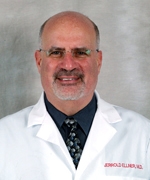
Boston University School of Medicine (BUSM) and Boston Medical Center (BMC) are partnering with the Jawaharlal Institute of Postgraduate Medical Education and Research (JIPMER) to study tuberculosis (TB). This research is supported by a five-year, $2.5 million grant from the Indo-U.S. Vaccine Action Program (VAP).
The joint program, based in Pondicherry, India, will establish cohorts of TB patients and their household contacts, or people who live in the same household who have been exposed to the disease. This will allow the researchers to determine the impact of co-morbidities, such as smoking, alcoholism, worm infections, diabetes mellitus and malnutrition on the risk of developing TB and patient’s response to treatment.
“India accounts for 30 percent of the global burden of TB and is one of the countries with the highest burdens of the disease,” said Jerrold Ellner, MD, chief, section of infectious diseases at BMC, professor of medicine at BUSM and U.S. principal investigator. “This study will identify new diagnostic biomarkers that will help determine which, among heavily exposed persons, are at greatest risk of contracting the disease and targets for intervention,” he added.
As study participants are identified, questionnaires, surveys and physical examinations will be conducted. Specimens will be collected, stored and compared to control specimens from the same cohort and sent to a specialized laboratory at the University of Medicine and Dentistry of New Jersey, where they will be analyzed.
One of the most successful initiatives of the U.S.-India collaboration in the advancement of science and technology, VAP recognizes that vaccines are among the most cost-effective ways to control preventable diseases globally. The goal of the partnership is to develop experience in setting up cohorts of populations at high-risk for developing TB suitable for trials of new vaccines.
Framingham Heart Study Carries on, Despite Budget Cuts
65-year-old core contract loses 40 percent of funding

The Framingham Heart Study, the nation’s longest running large-scale analysis of cardiovascular disease, is facing a budget reduction of $4 million, or about 40 percent of the money it receives through its core contract with the National Heart, Lung, and Blood Institute (NHLBI).
The study will remain open, but the cuts, which are effective Thursday, will force layoffs in November of 19 clinical and administrative workers, as well as the elimination of examinations and lab operations. The FHS, which began in 1948 with 5,209 residents of Framingham, Massachusetts as its subjects, has produced more than 2,850 papers and is credited with coining the term “risk factors” as well as saving or improving the lives of countless people.
The cuts are the result of both the automatic federal spending reduction known as the sequester and shifting budget priorities of the NHLBI, which is part of the National Institutes of Health.
“We generally receive a seven-year contract to conduct examinations of the Framingham Heart Study participants,” says FHS principal investigator Philip Wolf and a professor at the School of Medicine. “In the past we have received approximately $9 million per year. Last month, we learned we would receive only a two-year contract renewal beginning April 1, 2015, for approximately half the usual amount, and no exams were included. Instead, contact between the participants and investigators was to be by mail with follow-up by telephone, and additional examinations were to be funded from as yet unspecified research grant submissions.”
Wolf described the exams as “the lifeblood of the study.” The exams, he says, maintain continuity, participant loyalty, and the opportunity to obtain medical information, from blood pressure to electrocardiographs to blood, urine, and cell specimens. They also collect information for ancillary research not funded in the contract, such as data on vascular stiffness, bone mineral density (for osteoporosis), physical activity, sleep, and cognitive performance (to track mental decline with age and time), as well as from brain MRI scans (for changes with aging and dementia).
“We have maintained outstanding participant retention over decades to a great extent by maintaining a strong relationship between Framingham participants and investigators,” he says. “We fear that will be lost if no exam is done.”
MED Dean Karen Antman points out that beyond the NHLBI contract with the FHS, BU faculty receive $6.2 million from other National Institutes of Health resources for research projects using Framingham’s data. Other universities use the data as well. She says those funds cannot be used to make up the $4 million cut.
The NHLBI issued a statement acknowledging that broad-based budget reductions resulting in “cuts in our nation’s investments in biomedical research are expected to slow the pace of scientific discoveries that advance human health.
“We value the remarkable history and contributions of the Framingham Heart Study,” the statement said, “and trust that scientific innovations, technological advances, and the evolution of the field of epidemiology will enable this proud legacy of scientific discovery to continue.”
In its six and a half decades, the FHS is distinguished by numerous research breakthroughs, including smoking’s contribution to heart disease risk (1960); the benefit of physical activity, and the risk from obesity, in regard to heart disease (1967); heightened stroke risk from high blood pressure (1970); and the benefits of so-called good cholesterol in reducing death risk (1988). Just three years ago, the FHS found the first definitive evidence that a parent’s stroke by age 65 increased the risk of stroke threefold in children. The same year, researchers also identified new genes behind risk factors for heart disease.
Control of heart-disease risk factors uncovered at Framingham “has significantly decreased deaths from cardiovascular disease in the US,” Antman says. “The FHS also has trained a generation of medical epidemiologists who are now the leaders in their fields internationally.” The FHS placed fourth on a Washington Post top-10 list of 20th-century medical advances, she adds.
Massachusetts’ US senators, Elizabeth Warren and Ed Markey, are both working to reverse or mitigate the budget cuts. “Slashing critical federal investment in medical research jeopardizes the health of many Massachusetts residents while putting at risk tens of thousands of jobs in the commonwealth’s innovation economy and the industries they support,” Markey said in a statement. “We should be doubling NIH funding, not cutting it.”
“We need to ensure that current budget constraints do not damage the Framingham Heart Study … [which] has saved lives by providing unparalleled insights into heart disease and advances in cardiovascular medicine,” Warren said in a statement.
Meanwhile, Friends of the Framingham Heart Study, a nonprofit organization formed by study participants, is rallying to find business contributions to help offset the cuts.
Although there is great value to new, technology-driven research methods that were unimaginable at the FHS’ birth, says Wolf, they can’t replace its examinations. “While other approaches to population research and disease prevention, such as the use of big data, need to be pursued, there is clearly a role for studies such as Framingham,” he says. “We continue to perform cutting-edge research in risk prediction, in defining subclinical and preclinical indicators of disease—ideal for preventive measures—as well as intensive and innovative genomic research. I will do everything I can to see the exams continue.”
This BU Today story was written by Rich Barlow.
BUSM/BMC Researcher Receives NIH Grant to Study Gonococcal Vaccine Development
Lee Wetzler, MD, associate program director for research in the section of infectious diseases at Boston University School of Medicine (BUSM) and an attending physician in the section of infectious diseases in the department of medicine at Boston Medical Center, was awarded a four-year, $2.35 million grant from the National Institutes of Health (NIH) to study the development of a gonococcal vaccine. This goal of this work, which is being done in collaboration with Scott Gray-Owen, PhD, at the University of Toronto, is to develop a new model for gonococcal vaccine evaluation and prioritize the feasibility of vaccine candidates to guide future research.
Wetzler, who also is a professor of medicine and associate professor of microbiology at BUSM, has a three-phase plan for developing a gonococcal vaccine. First he will analyze the immune response to vaginal gonococcal infection in laboratory models. The second phase is to determine whether infection with live or killed organisms will provide any protection in this model. The final phase is the evaluation of several vaccine candidates consisting of several bacterial outer membrane antigens.
For the past 30 years, researchers have unsuccessfully been working on the development of a gonococcal vaccine. Increasing antibiotic resistance has made the development of a vaccine for this disease vital and now urgent. The Centers for Disease Control now recommends only one class of antibiotics to treat gonorrhea due to antibiotic resistance in the previous alternative treatment options. Cases of resistance in this remaining class of antibiotics also are a worsening problem with treatment failures seen abroad though not yet in the US.
Wetzler and his team investigate innate and adaptive immunity – primarily in regards to vaccine development. He has done extensive research and has more than 50 publications regarding mostly Neisseria gonorrhoeae and Neisseria meningitides, the pathogens responsible for gonorrhea and a common cause of meningitis respectively. The team analyzes specific bacterial surface molecules in order to determine which antigens will trigger the appropriate host immune response seen in vaccination.
According to Wetzler, gonorrhea has numerous medical and public health repercussions. “This disease has potentially devastating outcomes specifically in women, causing pelvic inflammatory disease, tubal fibrosis and ectopic pregnancies. Additionally, concurrent gonorrhea infection in HIV patients facilitates the transmission of HIV by increasing viral replication,” he said.
Worldwide 88 million new cases of gonorrhea develop each year. In the setting of limited treatment options, abatement of the disease via vaccine is crucial. Wetzler and his team are optimistic that over the next few years they will make significant headway in regards to prevent this widespread and morbid disease.
Dangerous YouTube Challenges: Fun or Deadly?
“What’s so challenging about cinnamon? ” asks GloZell Green, a comedienne and YouTube personality, before she pours cinnamon into a ladle and proceeds to ingest it in one gulp. Seconds later, viewers watch puffs of cinnamon powder spew from her mouth as though from an erupting volcano. GloZell proceeds to scream and grasp for a pitcher of water from which she frantically pours water down her throat. This is the “Cinnamon Challenge.”
In another YouTube video, GloZell unsuccessfully makes several attempts to insert a condom up through one nostril. This is to be followed by snorting it back through the throat to be coughed out via the mouth. Known as the “Condom Challenge,” this is the most recent of dangerous YouTube dares to gain popularity.
In a third video titled “The Salt and Ice Challenge,” GloZell tries to “exfoliate” by applying salt and ice to her arm for as long as she can stand it. “Oh, my goodness…I froze my skin!” she exclaims in disbelief, after only 75 seconds, and flings the ice off of her skin.
Although at the age of 40 she is about 20-25 years older than most of her online followers, GloZell,has found herself engaging in the most recent trend to become popular with adolescents: YouTube challenges.

Dangerous YouTube dares are the latest behavioral phenomenon sweeping the nation. Teens are videotaping themselves attempting outrageous activities and then uploading them to the site to gain popularity. According to an article published in the April 22 issue of Pediatrics, videos of adolescents ages 13-24 attempting the “Cinnamon Challenge” received 2.4 million hits in the first half of 2012. These challenges run the risk of serious health consequences and even death, pediatricians warn.
GloZell has experienced first-hand a number of negative consequences from many of the challenges she has attempted. She states that her throat is now more sensitive and scratchy since attempting the “Cinnamon Challenge” more than one year ago. She can no longer hold notes as long when singing, requires throat drops regularly to soothe her throat and becomes short of breath more easily. Similarly, the “Salt and Ice Challenge” left her with extensive scarring on her arm. “I had no idea salt and ice could cause this much disfigurement!” GloZell exclaims.
Although most of the health risks related to the “Cinnamon Challenge” are minor such as coughing and burning of the mouth, nose and throat, more serious side effects such as extensive coughing, nosebleeds, scarring of the lungs and even death from lung collapse or choking can occur. The “Condom Challenge” can similarly cause choking and even death. Seemingly harmless, the “Salt and Ice Challenge” can actually quickly cause second- and third-degree burns with significant nerve damage similar to frostbite.
You may find yourself wondering what drives the continued participation in these dangerous activities when participants such as GloZell have already suffered negative consequences?
GloZell states that she feels a sense of “YouTube peer pressure.” “My fans wanted me to do it and I thought, what’s the big deal about cinnamon?” She further explains, “I figured I got away with the last one so I’ll be fine if I try the next one,” but does acknowledge that “eventually someone is gonna die doing this.”
According to a psychology professor at Emory University Nadine Kaslow,PhD, there are a number of reasons that young adults participate in these challenge activities. “Many succumb to peer pressure,” she says. “They want to look cool and do what others are doing.” Using social media to let others know they have taken the challenge is a way to “get an audience, get recognized, and be seen as popular, funny and powerful.” Young people often believe themselves to be invincible so they are more willing to engage in risky behavior. Some also enjoy taking risks and seeking thrills.
Mark Reineke, PhD, a psychology professor at Northwestern University, explains, “Adolescents often lack good judgment when it comes to decision making because the inhibitory fibers in their brains have not fully matured.” Inhibitory fibers continue to develop until the early to mid-20s and therefore are not successful in deterring adolescents from outrageous actions.
Not only are there physical consequences to these activities, but experts say negative psychological effects also can result. For example, teens may become addicted to the thrill of engaging in risky behavior, which may serve as a gateway to more dangerous behavior.
Experts emphasize that parents can play a major role in deterring teens form engaging in such behaviors. How they speak to their teens about relevant sensitive topics, such as peer pressure, is very important. Giving teens attention for positive things and making sure they feel loved and cared for makes them less likely to rebel and participate in risky activities. Parents need to recognize psychological signs of distress that may lead to such behaviors and seek professional help if necessary. Rather than admonishing their teens, parents should share their concerns about these dangerous behaviors and help them to gain insight about possible risks.
Instead of feeling irresponsible for publicizing herself by engaging in risky YouTube challenges, GloZell says that she does it to promote awareness of the consequences of these types of behaviors. She hopes young people will see her videos and think, “You’re so stupid, you’re so dumb, don’t do it,” rather than copying her. For parents who don’t know that these challenges exist, she hopes her videos will inform them and prompt them to discuss these behaviors with their teens. Her greatest regrets are having completed the “Cinnamon Challenge” and the “Salt and Ice Challenge” due to the chronic sore throat and burn scars she sustained from them respectively. From all of her dalliances with YouTube challenges, she leaves us with the motto, “Don’t do drugs, don’t do cinnamon.”
Submitted by Ami Patel, MD, BMC Hematology Oncology Fellow, PGY IV.
BUSM’s Sege Named Senior Fellow at the Center for the Study of Social Policy
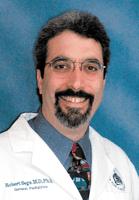
Boston University School of Medicine (BUSM) professor and Boston Medical Center (BMC) physician Robert Sege, MD, PhD, was named a Senior Fellow at the Center for the Study of Social Policy (CSSP) in Washington D.C. The CSSP is a nonpartisan Washington D.C. nonprofit that works with policymakers and communities across the country to promote smart policies that improve the lives of children and their families.
Sege will work with CSSP staff on special projects that help to accomplish their goal of achieving equity for children of all races, ethnicities and income levels.
“Bob Sege’s pioneering work to generate evidence about the impact of protective and promotive factors for families will accelerate our work to promote child well-being,” said Frank Farrow, director of CSSP. “We are excited and honored to have his experience and expertise, along with that of our new board members, to help us accomplish our mission of building strong communities and systems that help children and families thrive.”
Sege is a professor of pediatrics at BUSM and chief of the Division of Family and Child Advocacy and medical director of the Child Protection Team at BMC. He serves as a member of the American Academy of Pediatrics’ Committee on Child Abuse and Neglect, and the Centers for Disease Control and Prevention’s Knowledge to Action think tank on child maltreatment prevention.
MED Researchers’ Latest Networking Tool
BU Profiles shares expertise, spurs collaboration
Imagine a LinkedIn for academic researchers only, and you’ve got the general idea behind BU Profiles, a web-based research networking system aimed at helping researchers build a professional network and find expertise and connections that can supercharge collaborations. The system, which launched on the Boston University Medical Campus in February 2012 as part of its Research Networking Initiative, now includes more than 2,000 researchers. In a second phase, a pilot test of BU Profiles with biomedical researchers on the Charles River Campus will take place this year.
“Typically, investigators network with other faculty interested in similar topics or build a research team of overlapping areas of expertise through their own institutional knowledge or by using search engines like Google to peruse a variety of websites,” says Deborah Fournier, Medical Campus assistant provost for institutional research and evaluation and a School of Public Health clinical associate professor. “BU Profiles takes that time-consuming process and integrates this information to make it effective by surveying the full spectrum of expertise of our BUMC faculty and postdocs. It also makes it easy for the public to learn more about BU and the caliber of research that’s done here.”
The networking system, which helps researchers find collaborators and mentors, evaluate research trends, and survey the scientific community, is a BU-branded implementation of Profiles Research Networking Software (Profiles RNS). Funded by the National Institutes of Health (NIH) and developed by the Harvard Catalyst using MEDLINE literature, it has been made available to National Clinical and Translational Science Awards Consortium members at no cost. More than 45 other US research institutions have tailored the open source software to meet their needs. On the Medical Campus, the effort was guided by the BU Profiles Working Group and Advisory Group, comprising faculty and staff. Information Services & Technology staff members in these groups played key roles in ensuring the successful introduction of the network.
“Making research networking easier is an important way to support our investigators,” says Fournier. “It enables them to find connections between researchers across our schools and the global network in ways that can catalyze new partnerships and cross-disciplinary opportunities.”
Fournier points to a recent NIH grant application, for which a group of investigators who wanted to respond to the request for applications used BU Profiles to find a rank ordering of 82 faculty members with relevant expertise and were able to quickly assemble a team to plan and write the proposal.
To further enhance the potential for external connections, MED and Boston Medical Center recently provided hundreds of links from BU Profiles to the NIH’s RePORTER (Research Portfolio Online Reporting Tools) database, which allows the public to search through NIH-funded research projects and access publications and patents resulting from NIH funding. BU is the first institution to connect the two databases, which makes it easy for principal investigators to add links from RePORTER to their faculty page, professional profile, biosketch, or lab website, allowing others to learn more about their research. Now, wherever a BU researcher’s name appears in RePORTER, it is linked back to their BU Profiles page.
Also, says Fournier, BU investigators will soon be offered participation in the ORCID ID Initiative, a national registry that creates automatic links to their scholarly work and funding. Each profile takes publicly available information and integrates it into a searchable portfolio that shows contact information, PubMed publications, grants, coauthor networks, research topics, honors and awards, and other BU investigators with similar interests.
“Profiles are automatically populated each month with new publications from PubMed, NIH grant awards, and appointments to ensure information stays updated,” Fournier says.
Research networking also provides a way for PhD and postdoctoral applicants and trainees to find mentors, faculty to search for relevant panel members and advisory board expertise, and monitor the career outcomes and pathways of researchers.
Fournier says the next phase of the initiative, its implementation on the Charles River Campus, will start with the College of Engineering, because of the predominance of biomedical publications. Administrators will then examine its expansion into other disciplines and schools.
This BU Today story was written by Kira Jastive.
BU Researchers Conduct Innovative Internet-Based Fertility Study
 BU researchers are studying whether selected lifestyle factors can affect fertility, miscarriage and adverse birth outcomes over a 12-month period. PRESTO (PREgnancy STudy Online) is an innovative online fertility study funded by the Eunice Kennedy Shriver National Institute of Child Health and Human Development (NICHD) and conducted by researchers at Slone Epidemiology Center at Boston University and the Boston University School of Public Health (BUSPH).
“Internet-based research has potential to substantially reduce the expenses of large prospective cohort studies and change the practice of epidemiology as we know it,” said Lauren Wise, SciD, Associate Professor at BUSPH and the Primary Investigator for PRESTO. “We have been conducting a similar Internet-based study in Denmark since 2007, and both recruitment and follow-up have been very successful. In our new study, we are particularly interested in finding out whether Americans are as receptive to Internet-based research as are Danes. We predict that we will achieve the same level of success in the United States.”
Wise recently conducted a separate study which similarly explored body size and fertility, finding that African-American women who were overweight had a greater risk of delayed conception and infertility compared with women who were of normal weight.
To participate in PRESTO, eligible female residents of Massachusetts will be asked to complete one 30-40 minute online questionnaire at enrollment and up to six shorter questionnaires (10-15 minutes) every two months or until pregnancy occurs. An optional online dietary questionnaire will be e-mailed to the female participant 10 days after enrollment. Female partners also will be given the opportunity to invite their male partners to complete a 20-25 minute questionnaire via the Internet. Half of female participants will be randomized to receive a complimentary subscription to FertilityFriend.com.
Interested individuals should visit the PRESTO study website, or contact Alexandra “Lexi” Kriss at aekriss@bu.edu or 617-734-6006.
Physicians Slow to Implement HPV Vaccination and Cervical Cancer Screening Guidelines
Despite recent breakthroughs in cervical cancer prevention resulting in new vaccination and cervical cancer screening guidelines, a Boston University School of Medicine (BUSM) study published this month’s American Journal of Preventive Medicine found that physicians are slow to implement these guidelines into their practices.
Researchers found that less than one third of obstetrician-gynecologists vaccinate their eligible patients against HPV and only half follow cervical cancer prevention guidelines published three years ago. Patient and physician interactions were also identified as a crucial component of whether patients adhere to the recommended vaccinations and screening guidelines.
“Providers stated that the largest barrier to human papilloma virus (HPV) vaccination was patients and parents declining to receive the vaccine. However, studies indicate that most patients support HPV vaccination, and that a strong physician recommendation is the most important determinant of vaccine uptake in young women,” said principal investigator Rebecca Perkins, MD, MSc, an assistant professor at BUSM.
Vaccination against HPV has been recommended for women aged 11–26 years since 2006. In 2009, the American Congress of Obstetricians and Gynecologists (ACOG) issued guidelines recommending the initiation of Pap tests for 21-year-old women, decreasing the frequency of screening with age. The survey, which analyzed responses from 366 ACOG obstetrician-gynecologists, found low rates of HPV vaccination. Although 92 percent of respondents offered HPV vaccination to patients, only 27 percent estimated that most eligible patients received vaccination.
Approximately half of the respondents followed guidelines set by the ACOG in 2009 and most physicians continued to recommend annual Pap test. However, the physicians surveyed believed that patients were uncomfortable with extended screening intervals and would not come for annual exams if a Pap was not offered.
Solo practitioners were less likely to follow both vaccination and screening guidelines than those in group practices. Only four percent of physicians reported adherence to all 2009 ACOG guidelines for cervical cancer screening.
In 2012, the U.S. Preventive Services Task Force, American Cancer Society, American Society for Colposcopy and Cervical Pathology, and American Society for Clinical Pathology issued new guidelines, which have subsequently been endorsed by the ACOG. The guidelines recommend triennial Paps for women aged 21–29 years and co-testing with Pap and HPV tests at five-year intervals for women aged 30–65 years, regardless of whether they have received HPV vaccination.
“In the light of persistently low HPV vaccination rates and new guidelines recommending Pap and HPV co-testing, programs to educate physicians and patients on the evidence behind universal HPV vaccination and extended-interval cervical cancer screening with Pap and HPV co-testing could help improve the quality of cervical cancer prevention,” said Perkins.
Submitted by Amy Gorel.