Student Updates
The Trouble with Molly
Drug was used in spate of overdoses, fatalities

A series of recent overdoses—three of them fatal—attributed to the club drug MDMA, known as molly, has raised new concerns about its potentially lethal consequences.
Late last month, three people at the House of Blues in Kenmore Square overdosed on the drug, a purportedly pure powdered form of 3, 4-methylenedioxy-N-methylamphetamine, the active ingredient in ecstasy. One of the three, a 19-year-old student from Derry, N.H., died. Over Labor Day weekend, there were two more molly-related deaths, at a music festival in New York City, and three overdoses at a Bank of America Pavilion concert here in Boston.
Use of the drug appears to be on the rise. Government data show that the number of emergency room visits by people who had taken molly increased 123 percent from 2005 to 2009, the most recent year for which statistics are available. And the drug has become a popular topic among musicians, with artists Kanye West, Rick Ross, and Miley Cyrus referring to it in their songs.
The drug—popular because it creates feelings of euphoria and increased energy—is easy to get and relatively inexpensive, selling for $20 to $50 a dose. But the recent surge in deadly overdoses has law enforcement officials concerned that a bad batch of the drug is available in the Northeast.
Makers and sellers of the drug often cut it with dangerous substances such as amphetamines, cocaine, caffeine, and PCP. Anthony Pettigrew, a spokesman for the New England division of the Drug Enforcement Agency, recently told the Boston Herald that “there’s no good batch of molly, MDMA,or Ecstasy….you have no idea what’s in this stuff. Dealers want to make more money, so they’ll mix and adulterate the stuff with meth and any number of other drugs.”
The recent spate of overdoses has prompted the Boston University Police Department to post a fact sheet about molly and ecstasy to its website and Twitter account. Citing information compiled by the National Institute on Drug Abuse and NIDA for Teens, the fact sheet warns that the drug can cause anxiety and agitation as well as depression. Users are vulnerable to dehydration, particularly if they’re in a space where temperatures are high. Molly can also interfere with the body’s ability to regulate temperature, leaving those taking it at risk of developing hypothermia.
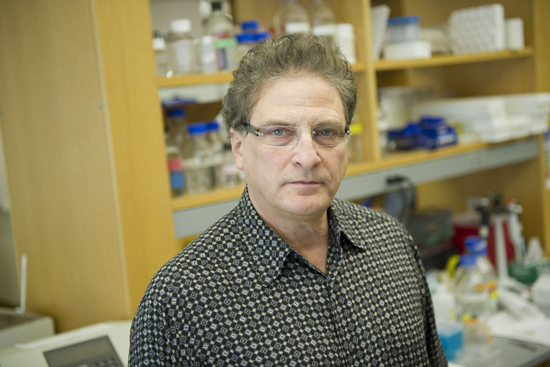
BU Today spoke about molly with David Farb, a School of Medicine professor and chair of the pharmacology and experimental therapeutics department.
BU Today: What exactly is molly?
Farb: Molly is just a new name for MDMA, but there are some designer drugs and additives that may be part of the substance.
How does the drug work in the brain?
It increases serotonin and dopamine levels in the limbic system.
Is there a way to quantify how dangerous the drug is?
One would have to define “dangerous,” but the cluster of recent cases of overdoses and deaths suggests that there is something bad about the batch that’s going around. It could, of course, be mixed with something that increases risk (MDMA plus methamphetamine would be a bad combination). Or maybe the MDMA dose is just unusually high.
Is the fact that molly is often cut with other substances—e.g., crystal meth or cocaine—one of the reasons it can be deadly?
Yes. If MDMA is combined with other drugs in the formulation known as molly, rather than pure MDMA, it can have more adverse side effects.
How addictive is it?
The addictive potential hasn’t been demonstrated.
You’ve said that any use of this drug constitutes drug abuse. Can you explain that?
The use of a drug for purposes other than therapeutics is ill-advised, and in particular, using a drug for the purpose of inducing an altered state of consciousness without being under the care and advice of a physician, i.e., obtaining the drug illegally, is abuse of the drug.
What symptoms would indicate someone is in danger of overdosing?
Severe adverse reactions to MDMA are generally attributed to hyperthermia. Dehydration and physical exertion—for example, dancing—in an overheated environment and/or exposure to diuretics (alcohol and caffeine) can exacerbate it. Serotonin syndrome (which includes hyperthermia among its symptoms) is a known, if uncommon, idiosyncratic effect of drugs that increase serotonin.
This BU Today story was written by John O’Rourke. He can be reached at orourkej@bu.edu.
David McAneny, MD, Named New Vice Chair of Surgery
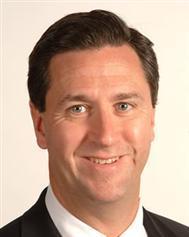
David McAneny, MD, associate professor of surgery at Boston University School of Medicine (BUSM) and associate chair for clinical quality and safety at Boston Medical Center (BMC), has been named vice chair of the department of surgery at BUSM and BMC. In this role, he will serve as division chief of general surgery and section chief of surgical oncology.
McAneny has devoted his career to surgical oncology, endocrine and general surgery, specializing in gastrointestinal (GI) surgery. His surgical expertise is in tumors and other diseases of the endocrine organs, GI tract, pancreas, hepatobiliary system and spleen. He is experienced in laparoscopic surgery for gallbladder disease, splenectomy, adrenalectomy, bowel resection, gastroesophageal diseases and tumor staging.
“I’m honored to announce David McAneny as vice chair of surgery,” said Gerard Doherty, MD, chief and chair of surgery at BMC and BUSM. “David brings tremendous experience and broad leadership skills to this role.”
McAneny is the recipient of the 2005 Grant V. Rodkey Award from the Massachusetts Medical Society for outstanding contributions to medical education and medical students. He is the 2008 Boston University faculty selection for Alpha Omega Alpha (AOA), as well as the Councilor of the AOA chapter at BUSM. He received the 2008-2009 Erwin F. Hirsch, MD Teaching Award from the graduating surgery chief residents, the 2010 Stanley L. Robbins Award for Excellence in Teaching and the 2013 Educator of the Year Award in Clinical Sciences.
He is a member of the Board of Governors of the American College of Surgeons and an active member of the American Association of Endocrine Surgeons, the Society of Surgical Oncology, the New England Surgical Society and the Boston Surgical Society. McAneny served as past-president of the Medical-Dental Staff at BMC and the Massachusetts Chapter of the American College of Surgeons, as well as former Massachusetts state chairman of the Commission on Cancer.
A graduate of Georgetown University School of Medicine, McAneny completed his residency at Boston City Hospital, now BMC, and a fellowship in GI surgery at the Lahey Clinic Medical Center.
BU Alums Gather in Thailand to Celebrate GSDM’s 50th Anniversary

Earlier this summer, Dean and Mrs. Jeffrey W. Hutter along with Professor of Restorative Sciences and Biomaterials Dr. Lee Chou hosted an alumni reception at the Plaza Athénée Hotel in Bangkok, Thailand, during the International Association of Dental Research–Asia Pacific Region meeting.
Sixty-eight Boston University and Boston University Henry M. Goldman School of Dental Medicine (GSDM) alumni, family, and friends gathered in the Princess Valaya Alongkorn Drawing Room of the Plaza Athénée to reconnect and to celebrate the 50th Anniversary of the founding of GSDM.
Dean Hutter addressed the guests, providing updates on Boston University’s historic One Billion Dollar Campaign, plans for a new GSDM facility, progress in implementing the School’s Applied Strategic Plan, and the ongoing 50th Anniversary Celebrations.
Introducing a video commemorating the School’s 50th Anniversary, Dean Hutter said to the guests, “Together, we can build on the momentum of a legacy of innovation and fund our proposed new facility and build a future that is truly great.”
Photos from the reception are available on Facebook and Flickr.
Sept. 11 BUSPH Forum to Discuss Public Health Issues at Guantanamo Bay Prison

The BU School of Public Health (BUSPH) will hold the semester's first public health forum on Wednesday, Sept. 11, and will examine timely and critical public health issues among prisoners at the Guantanamo Bay Detention Camp.
Sondra Crosby, MD is the featured speaker. She is an associate professor of medicine at BU School of Medicine and Medical School and BUSPH.
An internist and former co-director of the Boston Center for Refugee Health and Human Rights at Boston Medical Center, her clinical practice focuses on care of asylum seekers and refugees. Crosby has written over 200 affidavits documenting medical and psychological sequelae of torture. She has published scholarly papers in multiple peer-reviewed journals in the field of caring for survivors of torture and was awarded the 2008 Leonard Tow Humanism in Medicine Award by the Arnold P. Gold Foundation.
Crosby served as a medical consultant to the Bahrain Independent Commission of Inquiry (BICI) to review evidence of torture. In addition to her work for the Commission, she was to return to Bahrain to examine dozens of hunger strikers protesting government actions.
During the past year, Dr. Crosby taught medical forensics and implemented the Istanbul Protocol for physicians in Kyrgyzstan, Kazakhstan and Tajikistan. She has also traveled to Reyhanli, Turkey conducting training on effective medical documentation of alleged torture and mentoring Syrian physicians. In Istanbul, Crosby trained Middle East and North Africa (MENA) region physicians on medical documentation of torture.
This forum will be held Sept. 11, noon-1 p.m. in Room L112. It is presented by the BUSPH Department of Health Law, Bioethics & Human Rights and Global Lawyers & Physicians, a BUSPH-affiliated non-profit, non-governmental group that focuses on health and human rights issues.
Dr. Tsuneya Ikezu honored by Alzheimer’s Art Quilt Initiative
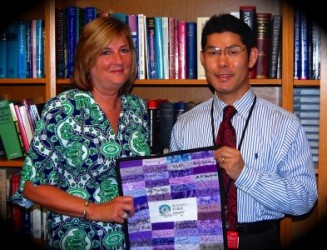 The Alzheimer’s Art Quilt Initiative (AAQI) honored Dr. Tsuneya Ikezu, Professor of Pharmacology and Neurology, last week for his continued efforts in Alzheimer’s disease research. AAQI is a national grassroots charity that raises awareness and funds research through the donation and sale of small art quilts.
Marge Farquharson and Dawn Forde, AAQI representatives, visited the Department of Pharmacology & Experimental Therapeutics at Boston University School of Medicine to present a quilt to Dr. Ikezu and the Laboratory of Molecular NeuroTherapeutics. This particular quilt displays 54 names of those afflicted by Alzheimer’s disease on the dull side of the fabric to symbolize the mental fading that occurs in 5.4 million patients in the nation and their loss of memories and skills. Each name represents the story of a once vital and productive individual.
 Dr. Ikezu also received $60,560 for future AD research projects. His earlier study, “Exosome-mediated dissemination of tau aggregation in Alzheimer’s,” investigated the role of microglia in mediating the spread of tau aggregation. Hopefully this study will provide a new therapeutic target for the treatment of Alzheimer’s disease.
The Alzheimer’s Art Quilt Initiative is an all-volunteer organization that has raised more than $925,000 for Alzheimer’s disease research since January 2006. AAQI’s goal is to raise $1,000,000 by the end of 2013 and to provide funding directly to Alzheimer’s disease researchers. In this way AAQI aims to make a difference, one quilt at a time! For more information on the Alzheimer’s Art Quilt Initiative, please click here.
You can find out more about ongoing Alzheimer’s disease research in the Laboratory of Molecular NeuroTherapeutics and Principal Investigator Dr. Tsuneya Ikezu by following the respective links.
Congratulations on your award and recognition, Dr. Ikezu!
Researchers Find Insulin Status an Important Determinant of the Positive Effect of Weight Reduction on Vascular Function

Researchers from Boston University School of Medicine (BUSM) and Boston Medical Center (BMC) have found that among obese people who had lost considerable weight, those with high insulin levels--a marker of insulin resistance in the body--were the most likely to experience better blood vessel function following the weight loss. These findings appear online in the Journal of the American College of Cardiology.
Obesity has emerged as one of the most critical health care problems in the U.S. and worldwide with nearly 70 percent of the U.S. population currently overweight or obese. Of major concern are the disproportionate cases of severe obesity (body mass index [BMI] ≥ 40 kg/m2), which tripled during the 1990s. Nearly a third of adults and 17 percent of children in the U.S. are now obese with 65 million additional cases estimated by 2030. While obesity confers serious health concerns and increased all-cause mortality, the vast majority of deaths are due to cardiovascular causes such as ischemic heart disease and stroke.
Researcher prospectively followed 208 overweight or obese patients (BMI ≥25 kg/m2) receiving medical/dietary (48 percent) or bariatric surgical (52 percent) weight loss treatment during a period of approximately one year. They measured plasma metabolic parameters and vascular endothelial function using ultrasound at baseline and following weight loss intervention, and stratified analyses by median plasma insulin levels.
They found that individuals with higher baseline plasma insulin levels (above median >12 uIU/ml), who had greater than 10 percent weight loss had significantly improved brachial artery macro-vascular flow-mediated vasodilation and micro-vascular reactive hyperemia. In contrast, vascular function did not change significantly in the lower insulin group (≤12 uIU/mL) despite similar degree of weight loss. In analyses using a five percent weight loss cut-point, only micro-vascular responses improved in the higher insulin group.
“Our study has shown that insulin status is an important determinant of the positive effect of weight reduction on vascular function with hyperinsulinemic patients deriving the greatest benefit,” explained corresponding author Noyan Gokce, MD, FACC, associate professor of medicine at BUSM and Director of Echocardiography at BMC. “Reversal of insulin resistance and endothelial dysfunction may represent key therapeutic targets for cardiovascular risk reduction in obesity,” he added. Their data also suggest that at least 10% weight loss is needed for comprehensive vascular benefit, which may in part explain the negative findings of the recently published Look Ahead study findings (NEJM 2013).
Funding for this study was provided by National Institutes of Health (NIH) grants HL081587,HL1145675; HL084213; HL109790; HL102299; HL081587; HL083801; HL083269; HL75795; K12 HL083781; HL081587; HL1145675; HL081587; HL1145675; HL084213 and P30DK046200.and an American Heart Association Postdoctoral Fellowship grant 12POST11780028.
Sept. 17 – 19: National Postdoc Appreciation Week at BUMC
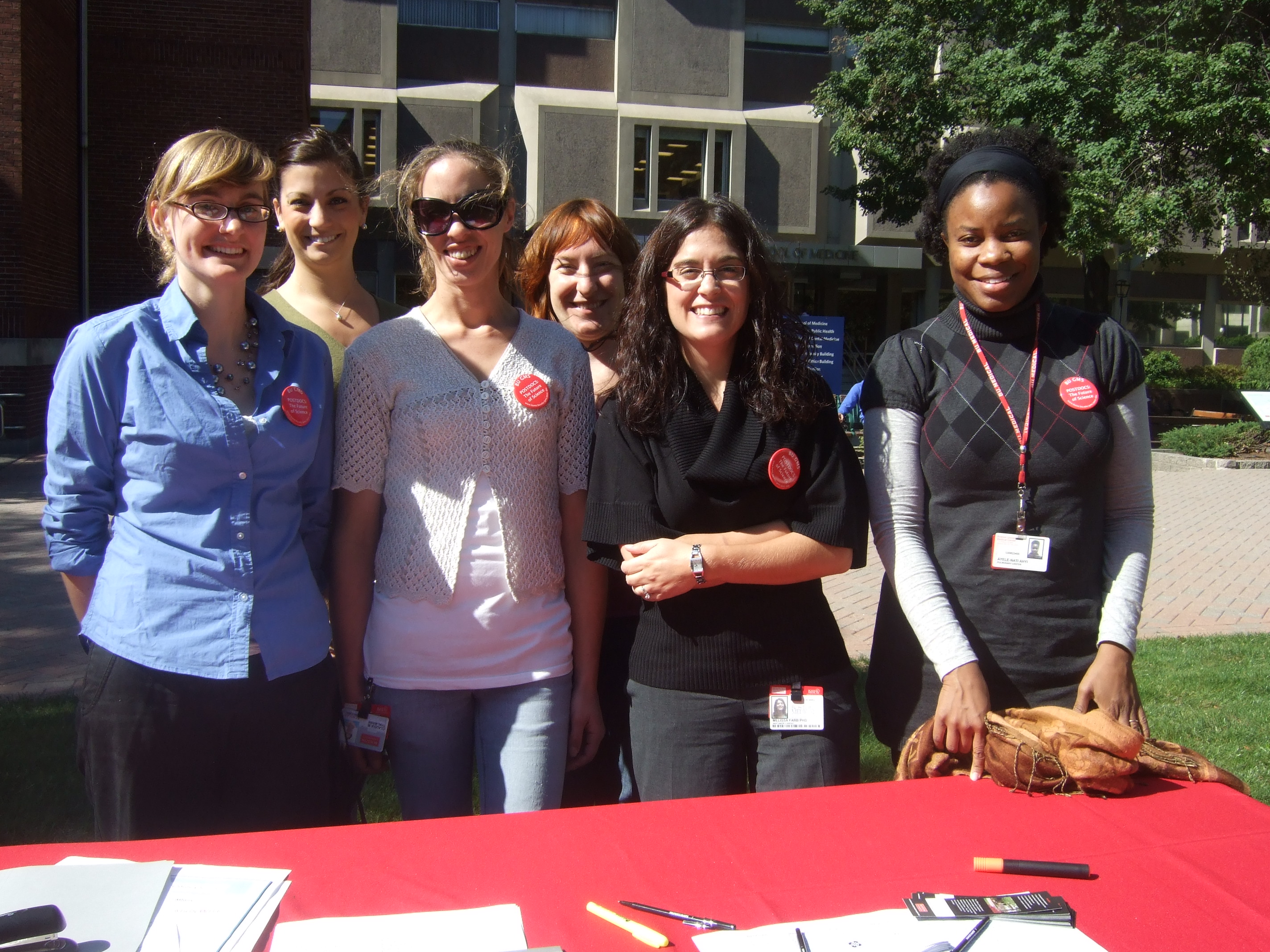
The Graduate Medical Sciences Office of Professional Development and Postdoctoral Affairs presents the third annual National Postdoc Appreciation Week (NPAW) beginning Tuesday, Sept. 17 through Thursday, Sept. 19. See below for a list of events.
- Tuesday, Sept. 17: The NPAW will begin with an Ice Cream Social held on Talbot Green right in front of the BU School of Medicine Instructional Building, weather permitting. In the event of rain, the social will be moved to Hiebert Lounge on the fourteenth floor of BUSM Instructional Building. Join us in celebrating the contributions and achievements of our postdocs!
- Wednesday, Sept. 18: Dr. Rafael Luna will present a seminar on “Scientific Storytelling” relevant to trainees. The seminar will be held from 12:00 p.m. – 1:50 p.m. in room L-212/214 and lunch will be provided.
- Thursday, Sept. 19: Sarah Cardozo Duncan, a career strategist, will present a second seminar, titled “Communication Styles” also relevant for all trainees. The seminar will be held from 5:30 p.m. – 7:00 p.m. with a reception preceding the presentation.
Since 2009, the National Postdoc Association has sponsored NPAW to recognize the significant contributions that postdoctoral scholars make to U.S. research and discovery. Institutions from across the country and other parts of the world participate by holding special events. In 2010, this week was officially recognized by the U.S. House of Representatives. In 2012, 112 institutions in 32 states and Canada hosted 203 events to show their appreciation of postdocs.
All of those who support the postdoctoral community at BUMC are invited to attend the week’s events. Please email Yolanta Kovalko to register or for more information.
BUSM Researchers Call for Individualized Criteria for Diagnosing Obesity
 With soaring obesity rates in the U.S., the American Medical Association has classified obesity as a disease. This major shift in healthcare policy brings much needed medical attention to obese patients. However, this definition of obesity focuses on a single criterion of Body Mass Index (BMI), which includes a large group of persons with high BMI who are metabolically healthy and not at high risk for type 2 diabetes, cardiovascular disease or obesity-associated cancers.
In a review article published online in Endocrinology, Gerald V. Denis, PhD, professor of pharmacology and medicine and James A. Hamilton, PhD, professor of physiology and biophysics at Boston University School of Medicine (BUSM), discusses the importance of eliminating healthy obese persons from unnecessary pharmaceutical treatments of the disease.
Previous studies have shown that the total volume of fat around the heart in obese persons is detrimental to some organ functions, but that total pericardial fat is not predicted by BMI. Thus, noninvasive imaging, such as magnetic resonance imaging (MRI), of pericardial fat could help to identify cardiovascular risks that are not clearly coupled with BMI. In addition, this could provide an opportunity to find blood biomarkers, which are the best indicators of relative metabolic status.
“These insights strongly suggest that BMI alone is insufficient to classify patients as obese and unhealthy; metabolism, body composition, fat deposition and inflammatory status must be part of a comprehensive health evaluation,” said Denis.
Certain non-obese individuals may also benefit from a noninvasive imaging approach, as well. Although not apparent physically, many lean people experience significant risks for these same diseases because of chronic low-level inflammation and fat deposition in or around vital organs. Where BMI alone would exclude this group from screenings, weighing more factors that contribute to pericardial fat could save lives.
“By using a more individualized approach, some obese persons can be relieved of the additional stigma of classification in a major disease category. In addition, unnecessary medical interventions and costs can be reduced,” added Hamilton.
The work was supported in part by grants from the National Institutes of Health (NCI and NIDDK; R56 DK090455 –GVD) and a subcontract from the Boston Area Diabetes Endocrinology Research Center (BADERC; P30 DK057521). G.V.D. is Chair-Elect of the Obesity and Cancer Section of The Obesity Society.
Salih Reveals Protein’s Functions in Tissue and Bone Formation
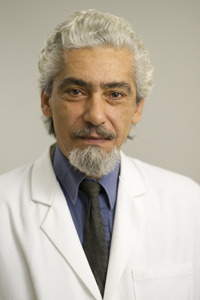
Dr. Erdjan Salih, associate professor in the Department of Molecular & Cell Biology, has published his second paper of 2013 on the egg yolk protein phosvitin in the journal Development Biology. The new research has implications for evolution, ex vivo egg embryo development, and regenerative medicine and provides a new understanding of vitamin C (ascorbate). “The study culminated in providing paradigm shifting alternative mechanism to synthesis of collagen, hydroxyproline formation and general connective tissue and bone organogenesis which has been classically known for almost a century to occur through a mechanism involving only vitamin C (ascorbate),” said Dr. Salih.
The paper, “Novel bioactivity of phosvitin in connective tissue and bone organogenesis revealed by live calvarial bone organ culture models,” highlights yet-unknown biological functions of egg phosvitin:
- Phosvitin inhibits PTH-induced osteoclast formation/differentiation in live calvarial bone organ cultures.
- Phosvitin induced osteoblast differentiation, synthesis of collagens, and new bone formation, of particular interest in the fields of tissue engineering and regenerative medicine and dentistry.
- Biological functions of egg phosvitin mirror those of ascorbate as an anti-oxidant/reducing agent. Previously, ascorbate was thought to be the only molecule with such properties.
This last point makes phosvitin critical in ex vivo embryo development in birds, fish, and reptiles that lack Vitamin C. Dr. Salih explains:
“Similar to humans and primates, who are incapable of synthesizing vitamin C and hence completely dependent on nutritional intake of this crucial biomolecule, several species of birds, fish, and reptiles also lost the capacity to synthesize vitamin C. That indicates that their ex vivo egg embryos should never develop and hatch. Despite this, they do.”
Contributing to the paper are masters candidates Drs. Jess Liu and Drew Czernick, and Shin-Chun Lin; DSc student Dr. Abeer Alasmari; and Chair of Periodontology Dr. Serge Dibart.
“Dr. Salih’s recent work on the abundant egg yolk protein phosvitin suggests that it may play an anti-oxidant role similar to ascorbate in the development of collagen and bone in egg-laying species such as birds, reptiles, and fish,” said Professor and Chair in the Department of Molecular & Cell Biology Dr. David E. Levin. He continued, “This work reveals an important biological function for phosvitin and may explain how the skeletal system of these animals is able to develop in the absence of ascorbate. Dr. Salih’s contributions shed new light on the mechanisms underlying bone and connective tissue development. ”
This story was written by the GSDM Communications and External Relations staff.
BUSM Researchers Find MC1R is a Potent Regulator of PTEN
 A person's skin pigment, which determines hair color and skin tone, is influenced by the melanocortin-1 (MC1R) gene receptor. For the population's one to two percent of redheads, a mutation in MC1R accounts for their red hair color and typical light skin.
Now researchers from Beth Israel Deaconess Medical Center (BIDMC) and Boston University School of Medicine (BUSM) have discovered that the same MC1R mutation responsible for the red hair phenotype also promotes an important cancer-causing pathway. The new findings, reported on-line today in the journal Molecular Cell, help to explain the molecular mechanisms that underlie redheads' well-known risk of developing melanoma, providing new insights for treating and preventing this dangerous type of skin cancer.
Melanoma is the least common but the most lethal of skin cancers. Accounting for 75 percent of all skin-cancer deaths, melanoma originates in pigment-producing skin cells called melanocytes. Melanoma is believed to be a multi-step process (melanomagenesis) of genetic mutations that increase cell proliferation, cell differentiation and cell death and increase an individual's susceptibility to ultraviolet (UV) radiation. Two types of UV radiation – UVA and UVB – can mutate DNA in skin cells and lead to melanoma.
"In this current study, we have demonstrated that the mutation MC1R-RHC promotes the PI3K/Akt signaling pathway when a red-haired individual is exposed to UV radiation," explains co-senior author Wenyi Wei, PhD, an investigator in the Department of Pathology at BIDMC and Associate Professor of Pathology at Harvard Medical School. PI3K/Akt is a well-known cancer-causing pathway, implicated in breast cancer, ovarian cancer and lung cancer.
Previous work by the study's co-senior author Rutao Cui, MD, PhD, a member of the BUSM Department of Dermatology, had demonstrated that MC1R plays a key role in protecting melanocytes from UV-induced DNA damage. In this current study, Wei and Cui wanted to find out how this was happening.
Led by co-first authors, Lixin Wan, PhD, a member of the Wei laboratory at BIDMC and Juxiang Cao, PhD, a member of the Cui lab at BUSM, the scientific team embarked on a series of experiments in both cell cultures and mouse models. Their experiments showed that in normal circumstances, MC1R was binding to PTEN, a well-known tumor suppressor gene. PTEN acts to safeguard against cancer; without PTEN, the end result is elevated signaling in the cancer-causing P13K/Akt pathway.
The team then went on to demonstrate that MC1R-RHC mutations found in red-haired individuals lacked this protective mechanism. "As a result, upon UVB exposure, we saw an increased destruction of PTEN in the mutated pigment cells," says Wei. The team additionally found that in these same MC1R-RHC pigment cells, elevated PI3K/Akt activity was boosting cell proliferation and was synchronizing with another well-known cancer mutation in the BRAF gene (found in nearly 70 percent of human melanomas) to further accelerate cancer development. In support of these results, note Wei and Cui, another research group at Massachusetts General Hospital recently demonstrated that expression of the BRAF gene mutation in the melanocytes of mice carrying a mutated MC1R gene led to a high incidence of invasive melanomas.
"Together, our findings provide a possible molecular mechanism as to why red-haired individuals harboring MC1R mutations are much more susceptible to UV-induced skin damage than individuals with darker skin, resulting in a 10-to100-fold higher frequency of melanoma," says Wei.
The authors note that this newly established link between MC1R and PTEN will be a starting point for future studies, adding that it remains unclear why only MC1R genetic variants linked to the red hair phenotype – but not all MC1R variants – are unable to bind to PTEN following UV exposure.
"We think that MC1R variants, in combination with mutations in the BRAF gene, could be used as markers of an increased risk of developing melanoma," explains Wei. The authors add that these new findings suggest that drug inhibitors that target the PI3K/Akt signaling pathway might be used in combination with Vemurafenib, a drug that targets the BRAF oncogenic protein, to treat melanoma patients who have both BRAF and MCIR variants.