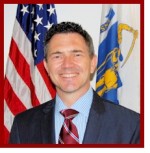
Beginning Sept. 1, BU Henry M. Goldman School of Dental Medicine (GSDM) student Matthew Green DMD 15 began a one year term as the New England Regional Representative for the American Association for Dental Research (AADR) National Student Research Group (NSRG).
AADR NSRG is a student-run organization motivated by a mission to cultivate a rich environment for research in dental education. The organization comprises a network of self-governing Student Research Group (SRG) chapters at individual US dental schools. Nationally, the NSRG is led by elected officers.
Green is currently Secretary of the GSDM SRG chapter. In his new national role as NSRG New England Regional Representative, Green will network with local SRG chapters to encourage excellent and abundant student research in the region. Institutions that Green will work with include Tufts University, Harvard University School of Medicine, University of Connecticut, Dalhousie University, the Forsyth Institute, McGill University, University of Laval, University of Montreal, and the University of New England.
Green said, “As modern dental medicine evolves rapidly, it is critical to have a solid core of young dental researchers. As a regional representative, it is important for me to gather support and people willing to tackle the most pressing issues facing dentistry.”
Green continued, “My role as a regional representative is critical in keeping an open line of communication between the national and local levels. I am excited for my role, ensuring my fellow dental researchers have proper guidance, support, and funding for the research of oral and craniofacial sciences.”
Dean Jeffrey W. Hutter said, “Congratulations to Matthew on his appointment as NSRG New England Regional Representative. I am proud to have a student from our School take this important role of communicating on a national level on behalf of the entire New England region.”
Professor and Chairman of the Department of Urology at BU School of Medicine Richard K. Babayan, MD, has received the Joseph B. Dowd, MD, New England Section Lifetime Achievement Award. Dr. Babayan also serves as the Chief of Urology at Boston Medical Center.
In recognizing Dr. Babayan, New England Section President, Dr. Mark Plante stated that “he has always cared not only about the Section, but in mentoring young urologists both at his own institution and throughout all of New England. He never tires of sharing his time, his insight, and his passion for urology and service. We are grateful and fortunate to have Dr. Babayan as a part of our Section.”
Since its inception in 1999, the Dowd Award has only been given to three other urologists who have been recognized for their exceptional service and dedication to the New England Section. The award criteria states “Upon the unanimous consent of the Board of Directors, this honor shall be bestowed to a deserving individual who aspires to the many ideals set forth by the late Dr. Dowd – dedication to the practice of urology and longstanding service to the New England Section.” The award was presented at the NEAUA annual meeting in Hartford, Conn. in September.
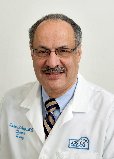
Researchers from Boston University School of Medicine (BUSM) and Boston Medical Center(BMC) have found that chronic hepatitis C virus (HCV) infection is associated with all-cause and liver-related mortality in a group of human immunodeficiency virus (HIV)-infected patients with alcohol problems. The findings appear online/in the current issue of Addiction.
HCV is a known cause of cirrhosis and liver cancer. Prior studies have confirmed that liver disease is a major cause of death among patients with HIV infection. Persons with HCV are more likely to use alcohol and other drugs compared to those who are uninfected. Prior studies that have examined the association between chronic HCV infection and mortality have often lacked person-level data on alcohol and other drug use.
The researchers analyzed data from a cohort of HIV-infected adults with current or past alcohol problems enrolled between 2001 and 2003, searching for causes of death using the National Death Index.
A total of 397 adults (50 percent HCV-infected) were included in the study. As of December 31, 2009, 83 cohort participants had died (60 HCV-infected, 23 HCV negatives), and 26 of those deaths were liver-related (21 HCV-infected, 5 HCV negatives). “HCV infection was independently associated with all-cause and liver-related mortality, even when adjusting for alcohol and other drug use,” explained lead author Daniel Fuster, MD, a postdoctoral scholar from the Clinical Addiction Research and Education Unit at BMC and BUSM.
According to Fuster says “these results underscore that HCV is a risk-factor for all-cause mortality, and not just liver-related death, among patients with HIV with alcohol problems even with adjustment for potential confounders such as alcohol, smoking and other drug use.”
This study was supported by funding from the NIAAA R01-AA13216 and K24-AA015674, and from the NIDA R25-DA13582.
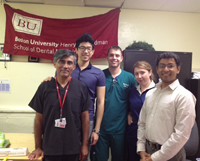
(l-r) Dr. Martin Ugarte-Chavez, Albert Song, Peter Meaney DMD 14, Arina Sorokina, and Rohit Gupte
On the sunny and crisp fall day in September, volunteers representing the Boston University Henry M. Goldman School of Dental Medicine (GSDM) participated in the Bay Cove Human Services annual wellness fair at the Gill Wellness Center in Jamaica Plain.
Bay Cove Human Services is a private, non-profit corporation that provides a wide range of services to individuals and their families with developmental disabilities, aging, mental illness, and drug and alcohol addiction. The organization holds the wellness fair to improve health awareness through education and prevention.
Some of the offerings to attendees of the fair were health screenings, blood pressure and glucose checks, and information on community-based health services. Attendees were treated to music and food and also participated in wellness activities, such as yoga.
Led by Oral Health Promotion Director Kathy Lituri, the GSDM volunteers offered oral health care education, screenings, and referrals to the fairgoers. The volunteers were Clinical Instructor of Health Policy & Health Services Research Martin Ugarte-Chavez, Peter Meaney DMD 14, and pre-dental students Rohit Gupte, Albert Song, and Arina Sorokina (GMS).
Garden, recreation space offers students welcome respite
One of the amenities of the Field of Dreams behind the Medical Student Residence on Albany Street is the NBA-sized basketball court, where students can play a pickup game. Photo by Cydney Scott
Just over a year ago, Karen Antman was strolling past the newly opened Medical Student Residence on Albany Street when she spotted students tossing a football in the small courtyard abutting the building. The tight space called for some creative, and potentially dangerous, catches.
“They kept careening into the benches and rose bushes,” says Antman, dean of the School of Medicine and Medical Campus provost. “Clearly they needed a field.”
Coincidentally, there was a wide-open space behind the building, where two additional residences will be built once funding and city approval are secured. Realizing that students needed recreation space immediately, Antman approached John Barton, Medical Campus executive director of facilities, with the idea of transforming the site into a green space that could be used for sports and other activities. Working together, they developed a plan and a budget. Antman says that Barton was the one who dubbed the space the “Field of Dreams.”
“The name stuck,” says Antman, MED’s John Sandson Professor of Health Sciences. “I presented a plan at our Dean’s Advisory Board this spring, and volunteers had funded it by the end of the meeting.”
The donors, who prefer to remain anonymous, covered the $90,000 construction cost, and work was completed in August. The field now boasts an NBA-sized basketball court, a sand volleyball court, and a grass field for sports like soccer, Ultimate Frisbee, and football as well as nine raised vegetable beds, where students can help themselves to fresh produce.
Claire Wang (MED’16) examines the green beans growing in raised beds on the Field of Dreams. Photo by Cydney Scott
The Field of Dreams offers an essential respite to the stress of medical school. “No matter how wonderful a student you were before, medical school is difficult,” says Angela Jackson, a MED associate professor of medicine and associate dean for student affairs. “It’s more demanding, more anxiety-producing, and just being able to balance life is impossible.” And while extracurricular activities are available for MED students, Jackson says, “there is something about just getting your hands in the dirt and eating the product of your work.”
On a recent autumn afternoon, Barton swipes his BU identification card to enter the gated field. Any BU student with a valid ID has access to the area. So far, Barton says, the University has had no problems with trespassing or vandalism, despite the high-traffic area.
There’s still some work to do on the field. Barton points to the volleyball court, which he’d like to expand in the coming months, and the grass that’s been reluctant to take hold. Still, the field is already popular. On a recent weeknight, students were playing a pickup basketball game on the new court. And the garden, although tired and wilting after a long growing season, produced a nice crop of eggplants, kale, Brussels sprouts, tomatoes, and a wide variety of herbs.
Claire Wang (MED’16) comes to the garden occasionally to pick bell peppers and chilies to mix into stir fries, and she sees people playing basketball nearly every night. Without the field, most students would have to go to a gym, the Charles River Campus, or the South End to play sports, she says. “It definitely allows students to have access to their hobbies.”
Red bell peppers were among the many vegetables planted this summer. Photo courtesy of Angela Jackson
Jackson recruited students via email to participate in the garden. Those interested compiled a wish list of fruits, vegetables, and herbs. Some even solicited suggestions from parents knowledgeable about gardening. After pruning their choices, the students presented a list to Jackson, Antman, and Barton, and Barton’s team planted them in early summer.
“This year was trial and error,” says Barton, who envisions planting fruit trees and blueberry bushes in the future.
Although the field is enhancing the quality of life for current MED students, it will eventually be replaced by two buildings that will provide critically needed additional housing. The first will eliminate the raised beds and sand volleyball court; the second will occupy the remainder of the field.
“Given the fundraising required for either building,” Antman says, “I believe we will have most of the field for some time.”
This BU Today story was written by Leslie Friday. She can be reached at lfriday@bu.edu.
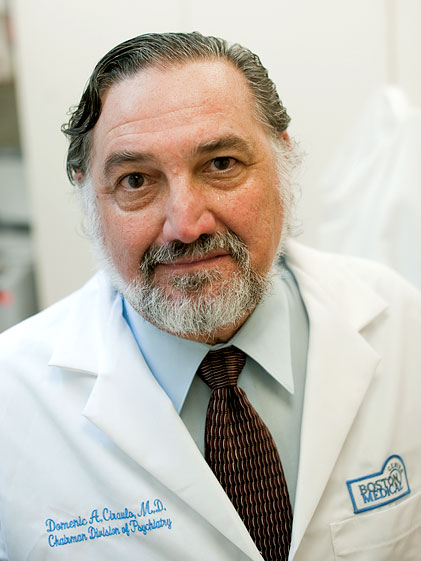
Domenic Ciraulo, MD, chair of psychiatry at Boston University School of Medicine (BUSM) and David H. Barlow, PhD, professor of psychology at Boston University (BU), have collaborated to study the effect of behavioral and medication treatments on patients with alcoholism and anxiety.
The findings, published in the journal Behaviour Research and Therapy, suggest that Transdiagnostic cognitive behavioral therapy (CBT) was more effective in reducing heavy drinking in anxious alcoholics than progressive muscle relaxation therapy (PMR). They also found that the addition of medication to either CBT or PMR participants did not decrease their alcohol consumption.
Participants were divided into four groups; one receiving the antidepressant Venlaflaxine coupled with CBT, one receiving Venlaflaxine with PMR, and the other groups receiving a placebo coupled with either CBT or PMR. After 11 weeks the participants in the group receiving a placebo and CBT alone reported their heavy drinking had significantly decreased when compared to the other groups receiving treatment.
"It is vital to find better treatments, whether they are medication therapies or behavioral interventions,” said Ciraulo, principal investigator of the study. “This study points to the importance of behavioral approaches to decrease heavy drinking through strategies to improve emotional regulation.”
According to the researchers, while anti-depressant medications may help to control anxious feelings, the ability to acknowledge and respond to such intense feelings may be one reason that CBT is effective. This may be why the addition of an anti-depressant to CBT did not lead to improved outcomes.
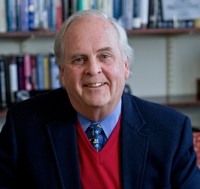
David H. Barlow, PhD
“The goal of Transdiagnostic CBT in this study was not to directly treat the specific anxiety symptoms of each anxiety disorder, but rather teach broad skills to cope with emotional issues that underlie a cluster of internalizing (mood and anxiety) disorders that often accompany alcoholism and may contribute to its onset and maintenance,” said Barlow co-author of the study.
Learn about the latest updates from renowned PTSD and TBI researchers and clinicians
Agenda:
8:45-9:15 a.m. Registration
9:15 a.m. Introductions and discussions of the programs, Drs. Hohler and Kaplan
John BradlyMark Miller
9:30-10 a.m. PTSD clinical speaker, Dr. John Bradly
10-10:30 a.m. PTSD research speaker, Dr. Mark Miller
10:30-11 a.m. Questions and Break
11-11:30: TBI clinical speaker Dr. Douglas Katz
11:30-noon: TBI research speaker Dr. Lee Goldstein
Lee GoldsteinDouglas Katz
noon-12:30 p.m. Questions and Break
12:30-1:30 p.m.: Lunch and Posters
1:30-2:30 p.m. Panel presentation: Optimizing the Care for Our Veterans and the Education of our Future Physicians. Featuring Drs. Michael Charness, Anna Hohler, Gary Kaplan, Terence Keane.
Contact Dianna Gromczynski to dgrom@bu.edu in the BUSM Department of Neurology by Nov. 1 with questions, for early registration and/or to submit a poster.
Brian Jack, a MED professor and chair of family medicine, earned the Drucker Award for his team’s innovative hospital discharge plan, called Project RED. Photo by Melody Komyerov
Brian Jack redesigned hospital discharge procedures
The problem first came to Brian Jack’s attention 10 years ago. The School of Medicine professor and chair of family medicine noticed that patients at Boston Medical Center (BMC), like patients at most hospitals, were leaving without a good understanding of how to care for themselves in the short term. Jack started to track the amount of time that nurses and doctors spent with patients before sending them home. The average was five minutes.
“Patients in the hospital are not at the top of their cognitive game,” says Jack, explaining that sick, feverish, or sleep-deprived people are unlikely to comprehend first-time instructions about prescriptions or at-home care procedures.
Jack and his team found that nearly a third of patients experienced a medical setback after going home, and that one in five returned to the hospital within 30 days. That’s when the team started brainstorming solutions and identified 11 areas that must be covered during each discharge—steps like making appointments for follow-up care, identifying and creating a plan for prescriptions, and educating patients about their diagnoses. That list formed the foundation of Project RED (Reengineered Discharge), a practice that has been shown to lower the rate of returns to the hospital in the month after discharge by 30 percent.
It also led, this fall, to Jack earning the Peter F. Drucker Award for Nonprofit Innovation, a respected prize that has been given annually since 1991 to recognize existing programs that meet famous business guru Drucker’s definition of innovation—“change that creates a new dimension of performance.”
This year, 864 nonprofits applied for the award. Boston Medical Center officials nominated Jack’s Project RED, and it won the top prize of $100,000, which he will accept on behalf of BMC at in a November ceremony in Vienna, Austria.
“Project RED is an example of the innovative work we do here to provide safe, effective care to the whole patient,” says Kate Walsh, BMC president and CEO. “I am extremely proud of Dr. Jack, and the Project RED team, and pleased to see them honored with the Drucker Award for this creative approach to decreasing hospital readmissions.”
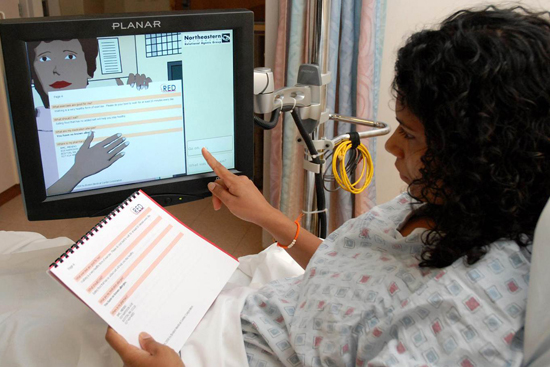
These days, before leaving BMC, patients are given a personalized package of information, with details about prescriptions and follow-up appointments, exams, or stress tests color-coded on a calendar. The plan, Jack says, reads like a comic book, with big font sizes, multiple colors, and plenty of icons.
A BMC patient works with Project RED virtual patient advocate Louise to understand her hospital discharge plan. Photo courtesy of Brian Jack
Initially, nurses were responsible for going over each part of the plan with patients, but after they found it was too time-consuming, Jack and Timothy Bickmore, a Northeastern University associate professor of computer and information science, designed a computer program with a virtual patient advocate named Louise, who methodically explains the plan to patients at the end of their hospital stay.
Critics might scoff at Louise’s unpolished animation, but, Jack says, the point isn’t to entertain. “Every time she talks to a patient, it’s about their unique tailored information,” he says. “Louise is still four to five years ahead of her time. That really is the future of health care.”
And that future may have lower system-wide costs. A randomized trial performed in 2009 with 749 patients found a 30 percent lower rate of hospital use in the Project RED intervention group compared to those receiving the usual care one month after a patient’s discharge. One readmission or ER visit was prevented for every seven RED participants. According to Jack’s estimates, if readmission rates can be lowered from the current 20 percent to 15 percent over five years, that would save Medicare $17 billion and the private sector another $17 billion.
Project RED developed “at the right place, at the right time” in terms of federal public policy, Jack says. President Barack Obama’s Affordable Care Act, signed into law in 2010, emphasizes efficiency, reducing hospital readmission rates, and increasing the quality of care and patient safety. Federal agencies are now pushing Project RED as an example among the top 10 best practices for reducing cost while maintaining quality, and Jack estimates that at least 500 hospitals have adopted his team’s new discharge procedure so far.
“Many health care institutions are now studying and implementing Dr. Jack’s Project RED strategies,” says Karen Antman, MED dean and Medical Campus provost. “Clearly, reengineering discharge planning to keep patients safe is key to their recovery and to prevent unneeded readmissions.”
While Jack relishes the national attention and awards Project RED has received, he has other things on his mind—like learning how to waltz and finding something to wear to a formal ball in Vienna.
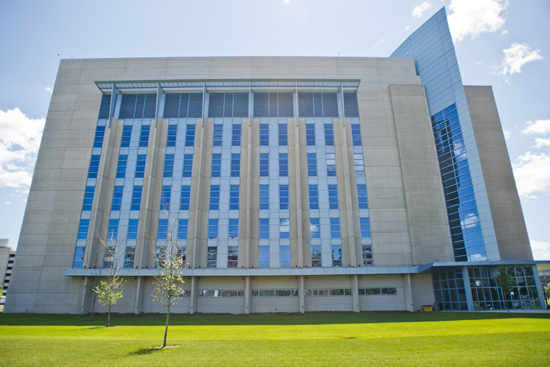
A federal court judge has ruled that research involving BSL-3 and BSL-4 pathogens can be done safely at BU’s National Emerging Infectious Diseases Laboratories, based on a National Institutes of Health Final Supplementary Risk Assessment. Photo by Cydney Scott
In an action that moves BU’s National Emerging Infectious Diseases Laboratories (NEIDL) closer to full operation, a federal court judge has ruled that a Final Supplementary Risk Assessment prepared by the National Institutes of Health (NIH) adequately analyzes the risks associated with research involving pathogens at BioSafety Level 3 (BSL-3) and BioSafety Level 4 (BSL-4) and that such research can be done safely at the BU Medical Campus site.
That risk assessment, which examined a series of scenarios and potential consequences of procedural failures, including containment system failures and malevolent acts, had been challenged in court by a number of Boston residents and the Conservation Law Foundation. The groups claimed that the risk assessment prepared by the NIH was not adequate and that the NIH decision to approve it was arbitrary and capricious.
In a 76-page opinion, US District Court Chief Judge Patti Saris found that “the NIH provides sufficient scientific support for its ultimate conclusions that the risks to the public are extremely low to not reasonably foreseeable, and the differences between the Boston location and the suburban and rural sites are not significant. In light of the benefits of placing the biolab in an urban area like Boston, which provides opportunity for expert medical research collaboration, and the low risk of harm to the public, NIH’s decision is rational.”
John R. Murphy, NEIDL director ad interim and a School of Medicine professor of medicine and microbiology, says he is pleased that the federal court “went through each and every objection of the plaintiffs in a methodical way and found that they were not warranted.”
“The court is saying that it’s reasonable for the NIH to determine that research using these types of pathogens can be done safely at the NEIDL,” says Murphy. “This is one more step to the opening of the lab.”
Murphy says that one additional judicial hurdle, a similar lawsuit filed in state court, will be heard later this year.
The University has also asked the Boston Public Health Commission for required permits to operate the facility as a BSL-3, and will soon submit documents required for permission to operate as a BSL-4 lab.
Once the lab is open, all research will be subject to at least three systems of supervisions and safeguards. Those include approvals from the Centers for Disease Control, the Institutional Biosafety Committee, and the Boston Public Health Commission.
Construction of the $200 million NEIDL facility was completed in September 2008, but controversy and litigation have kept much of the building’s 192,000 square feet of laboratory space closed. In March, BU researchers moved into the NEIDL, at 620 Albany St., to work on tuberculosis research that has been approved for Biosafety Level 2 (BSL-2) laboratories.
This BU Today story was written by Art Jahnke. He can be reached at jahnke@bu.edu.
Millions of individuals worldwide suffer from cardiovascular and metabolic diseases. Current drugs to treat these conditions are limited and the need for novel therapeutics is increasing.
Cross-talk between cardiac and metabolic tissues (liver, skeletal muscle, heart muscle, fat and pancreas) through secreted proteins, especially under conditions of metabolic stress, offers a rich source of potential novel biologics for the treatment of obesity, diabetes and cardiovascular disease. Recent studies have shown that “myokines” secreted by skeletal muscle are likely to possess important regulatory effects on cardiac function and nutrient metabolism.
A new collaboration between the New Frontier Science Group at Takeda Pharmaceutical Company Limited and Kenneth Walsh, PhD, director of the Whitaker Cardiovascular Institute and Aram V. Chobanian Distinguished Professor of Cardiovascular Medicine at Boston University School of Medicine, will collaborate on studies to identify and characterize novel myokines that demonstrate beneficial effects on cardiovascular and metabolic diseases. This research will provide an enhanced understanding of the physiological actions of these important circulating molecules and may lead to the discovery of innovative biologic medicines.
 Researchers from Boston University School of Medicine (BUSM) and Boston Medical Center(BMC) have found that chronic hepatitis C virus (HCV) infection is associated with all-cause and liver-related mortality in a group of human immunodeficiency virus (HIV)-infected patients with alcohol problems. The findings appear online/in the current issue of Addiction.