Student Updates
Seeking New Homes for Gently Used Lab Equipment
Attention researchers! Did you know that there is a resource to facilitate the reuse/recycle of surplus research equipment within the BU Medical Campus community? Visit the BUMC Equipment Exchange.
 This week the Exchange is featuring a donation from the Department of Anatomy & Neurobiology: a JEOL 100S TEM microscope. This one owner scope can be fitted with a digital camera. It has been meticulously maintained and is under maintenance contract with Jeol. The scope is fully functional and currently plugged in and under vacuum. Although it is approximately 25 years old, it was last used about six months ago. It is valued at $250K.
Here are particulars on the piece of equipment
- Tungsten filament
- Voltage acceleration range: from 40 to 100 kV
- Maximal resolution: 5 Å
- Magnification range: from x 1000 to x 200 000
- Specimen tilt angle: ± 10 °
- Data acquisition on photographic film
Keep in mind that the cost of moving this scope is approximately $11K and maintenance is about $16k annually.
To learn more, please contact Office of the Vice Provost for Research, at aprbumc@bu.edu
BUSM’s Streeter Continues to Find Connections Between Yoga, Improved Mood
Yoga – whether it’s your cup of tea or not – may be more than just a form of alternative exercise according to BUSM Professor of Psychiatry and Neurology Chris Streeter, MD.
In her research published in the Journal of Alternative and Complementary Medicine, Streeter found that those who practiced yoga, compared with walkers, had greater improvements in mood and a decrease in anxiety. This study is the first to demonstrate a relationship between increased levels of GABA, a neuro-transmitter that is associated with improved mood and decreased anxiety, and yoga using scans of the physiological changes in the brain.
To take the next step in validating yoga’s potential to treat depression and anxiety, Streeter is conducting another study to evaluate the effectiveness of yoga for symptoms of depression, a disorder where GABA levels have been shown to be low and increase when treated with antidepressants like Prozac. She is recruiting people for the study with mild to moderate depression without suicidal ideation who are not on medication for depression who are interested in participating. For more information or to participate in the study, call the research line at 617-638-8046 or email yogast@bu.edu.
Social Service Barriers Delay Care among Women with Abnormal Cancer Screening

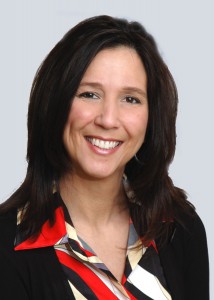
A recent study performed by researchers at Boston Medical Center (BMC), Boston University School of Medicine (BUSM), Boston University School of Public Health (BUSPH), and Tufts Medical Center found that women with multiple barriers to healthcare, especially those with social barriers such as problems with housing and income, experienced delays in cancer screening follow up compared to those with fewer barriers or no social barriers.
The study, which appears online in the Journal of General Internal Medicine, was led by Sarah Primeau, MSW, research assistant in the department of general internal medicine at BUSM.
Previous studies on healthcare barriers have shown that training individuals from the community, known as patient navigators, to provide emotional and logistical support to patients is an effective way to care for patients in a culturally sensitive way. However, these studies have not addressed whether patient navigators are also effective in addressing social service barriers such as financial problems, employment issues, health insurance, housing constraints and adult and child care.
“Social barriers are more complex than other obstacles to healthcare such as transportation or language and will likely require interventions that healthcare providers and patient navigators aren’t traditionally trained to provide,” said Primeau.
The study looked at 1,493 subjects enrolled in the Boston Patient Navigation Research Program (PNRP), a study performed at BMC from 2007-2010 that used patient navigators to help women with breast and cervical cancer screening abnormalities. The researchers used the data to separate the women into groups based on how many social barriers the navigator was able to identify. They then examined the data to see how long it took for each patient to reach a final diagnosis from the time of the initial abnormal screening test.
The researchers found that it took longer to achieve a final diagnosis in the patients with multiple barriers to healthcare, and that having one or more social barrier further increased the follow up time. The results of this study indicate that there is a continued need to better understand and overcome complex social obstacles to patient care.
“The findings suggest that not all women benefit equally from patient navigation and there is a need for more research into the innovation of cancer care delivery, and into a possible new model of patient navigation enhanced by legal advocacy,” said senior author, Tracy A. Battaglia, MD, director of the Women’s Health Unit at BMC and associate professor of medicine and epidemiology at BUSM.
Funding for this study was provided in part by the Susan G. Komen Foundation (KG101421).
Two BU Profs Inducted into Institute of Medicine
MED’s Jack, SPH’s Jette earn honor for research, service
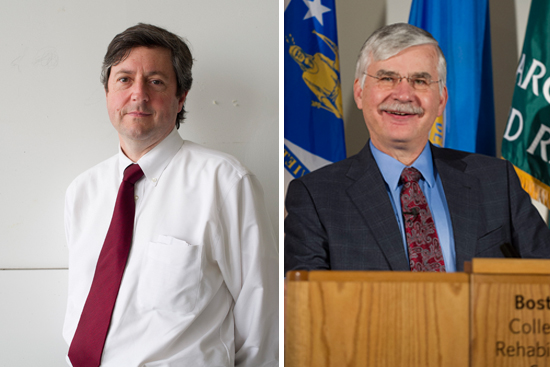
Two BU professors have been inducted into the Institute of Medicine (IOM), a branch of the National Academy of Sciences (NAS) that confers membership on people in the health and medical fields who combine outstanding professional achievements with a commitment to service. Among the 70 new IOM members nationwide are Brian Jack, a School of Medicine professor and chair of family medicine and chief of family medicine at Boston Medical Center, and Alan Jette, a School of Public Health professor of health policy and management and director of the Health & Disabilities Research Institute. They join IOM’s active membership of just 1,753, a respected body that offers independent analysis and recommendations on important health issues.
“Election to the IOM is considered one of the highest honors in the fields of health and medicine,” says Karen Antman, dean of MED and provost of the Medical Campus, who is also a member. “Dr. Jack has made invaluable contributions to the field of medicine, specifically his extensive research regarding hospital readmissions.” Robert Meenan (MED’72, GSM’89), dean of SPH, who has worked closely with Jette for three decades, lauded his colleague for his longtime leadership in the field of disability. “Through Alan’s insightful studies, disability has become better understood by being more measurable, and his findings have led to important changes in major government policies and programs,” Meenan says.
Although his election came as a pleasant surprise, Jette, who from 1996 to 2004 was dean of Sargent College of Health and Rehabilitation Sciences, has been working with IOM for several years. He chaired the institute’s Future of Disability in America project, which led to the release of a landmark report in 2007 that shaped national priorities in the field of disability. Trained as a physical therapist, he worked with patients in the clinical setting before earning a doctorate in public health, hands-on experience that informs his work helping communities and the Social Security Administration to develop assessment tools. Jette, whose work embraces several fields, recently completed a study of older people who have fractured a hip, and did a clinical trial looking at the benefits of extending traditional rehabilitation.
“We work with social scientists, physicians, nurses, epidemiologists, physical and occupational therapists,” says Jette. He sees the aging of the American population—a major focus of the IOM panel he chaired—as a huge challenge to researchers studying prevention and management of late life disability.
“Election to the IOM is a great honor,” says Jack, whose team has earned international recognition for developing Project RED, a set of 12 detailed steps for reengineered discharge, which reduces hospital readmissions. The IOM membership also recognizes Jack’s work with the Centers for Disease Control and Prevention, which presented him with its External Partner award for his role on a panel on preconception care. Jack has devoted much of his career to improving global health, working on family medicine training programs in Hungary, Romania, Albania, and Lesotho. He believes that preventing “poor maternity outcomes is indeed possible, and in developing family medicine training programs around the world that meet the needs of society, all came about from observations in my clinical work and my reflections on how we can do better.”
The IOM is one of several branches of the National Academy of Sciences, along with the National Academy of Engineering and the National Research Council. It seeks to help both government and the private sector make informed health decisions. Every year, thousands of professionals, IOM members and nonmembers, volunteer their expertise to work on studies launched as specific mandates from Congress or at the request of federal agencies and independent organizations.
This BU Today story was written by Susan Seligson. She can be reached at sueselig@bu.edu.
GSDM-Led Team Identifies Molecular Explanation for Sjogren’s
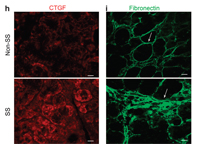
A collaborative research team led by GSDM Professor of Molecular & Cell Biology and Associate Dean for Research Dr. Maria Kukuruzinska has identified a molecular explanation for at least a subset of cases of the disabling autoimmune disease Sjogren’s Syndrome. The team’s findings are published in the journal Laboratory Investigation.
Sjogren’s Syndrome (SS) is a complex autoimmune disease manifested by defective salivary and lacrimal gland function. The most common symptoms of SS are dry mouth and dry eyes, which can lead to dental cavities, vision problems, and thrush. SS also carries an increased risk for developing B cell lymphoma.
While the cause of SS has remained controversial, the prevailing dogma has been that immune system pathology drives the disease. The manuscript now provides evidence that defects in cell polarity, or cell structure, are the likely culprits in at least some cases of SS.
The collective expertise of the international multidisciplinary team of investigators—which included oral & maxillofacial surgeons, oral & maxillofacial pathologists, immunologists, as well as developmental, molecular, and cell biologists—facilitated the application of studies with models to human SS patients.
The authors showed that structural abnormalities acquired during embryonic development of the model salivary submandibular gland (SMG) mimic defects observed in embryonic SMGs from non-obese diabetic models predisposed to develop SS after birth. Furthermore, the authors provide a molecular explanation for SS by identifying dysregulation of the Hippo signaling pathway, a central pathway regulating the organ size, cell proliferation, and differentiation, as an underlying basis of this disease, which they validate in human labial biopsy specimens from SS patients.
The authors postulate that defects in embryonic salivary cell polarity may have a role later in adult tissue homeostasis and be exacerbated by hormonal conditions and/or environmental insults, potentially explaining the frequently observed late onset of this disease.
Submitted by GSDM Communications.
Transporting Nutrients into Cells without Energy or a Transporter: BUSM Researchers Make a Case for Free Fatty Acids

The current global epidemic of obesity-linked diabetes and its associated consequences -cardiovascular, neurological and renal diseases - is a growing public health problem for which therapeutic options are limited.
In obesity, fatty acids, derived mostly from adipose tissue, alter lipid metabolism in other tissues such as liver and skeletal muscles. Both impaired fatty acid metabolism and glucose are hallmarks of diabetes.
In a recent study published in the journal Biochemistry, a research group led by James A. Hamilton, PhD, professor of physiology, biophysics and radiology at Boston University School of Medicine (BUSM), applied novel fluorescent methods to measure the rate by which fatty acids bind to and move across the fatty acid membrane to become metabolized.
“Our study shows that fatty acid entry into cells occurs by diffusion without catalysis by a protein previously described as a fatty acid transport protein. However, this protein promotes intracellular metabolism and storage,” said Hamilton. “With this advance in basic science, new drugs can be designed that target the exact mechanism more precisely than currently available drugs.”
Previous research has shown that glucose transport under the control of insulin is mediated by a transport protein called GLUT4. However, how fatty acids enter into cells has been an important unsolved problem, especially whether there are gatekeeper plasma membrane proteins that regulate fatty acid translocation across the membrane, thereby controlling the supply of fatty acids to the interior of the cell. Although several proteins postulated to be fatty acid transporters have now been shown to have other roles, the mechanistic roles of the protein CD36 have remained elusive and are widely debated.
After measuring the products of fatty acid metabolism over time, the researchers found that CD36 enhances fatty acid metabolism into triglycerides (fat deposits), without increasing fatty acid translocation across the membrane in a cell line that does not normally synthesize triglycerides. Thus, CD36 increases fatty acid uptake by increasing intracellular metabolism, which promotes diffusion of fatty acids into cells.
The work was supported by a grant from the American Diabetes Association. The study’s co-authors are Su Xu, Anthony Jay, Nasi Huang, and Kellen Brunaldi.
Focusing on Weight May Be Hazardous to Your Health
SPH Bicknell lecturer: what’s wrong with approach to obesity epidemic
This summer there was much rejoicing in the public health community over the recently announced falling obesity rate among preschoolers in many states, the first time in decades the rate has gone down.
“Although obesity remains epidemic, the tide has begun to turn for some kids in some states,” said Thomas Frieden, director of the Centers for Disease Control and Prevention (CDC), which had released the data. “While the changes are small, for the first time in a generation, they are going in the right direction.”
But for Paul Campos, a University of Colorado at Boulder law professor, concerns about obesity have been headed in the wrong direction for generations.
Campos, the author of the controversial 2004 book The Obesity Myth: Why America’s Obsession with Weight Is Hazardous to Your Health, has been a vocal critic of what he considers a self-defeating war on fat that has no basis in science and can have devastating consequences for women.
Campos argues that the health risks of obesity have been exaggerated by medical and public health professionals and the $50 billion a year weight-loss industry. Against a cacophony of voices calling attention to weight—from the CDC to First Lady Michelle Obama—he concludes that the health risks associated with body fat have been overblown, save for a small minority of people who are at the extremes of body weight.
Studies support the idea, says Campos, that a moderately active, moderately overweight person is likely to be healthier than someone who is thin but sedentary. He sees cardiovascular and metabolic fitness as more significant keys to health than a person’s body mass index (BMI).
Even if obesity carries risks, Campos argues, the solution is not to try to make fat people thin. In his view, the cycle of short-term weight loss, usually followed by weight regain, poses potentially serious health risks.
On Thursday, Campos will bring his critique of America’s obsession with weight to the School of Public Health, where he will deliver the 2013 William J. Bicknell Lecture. The lecture, titled The Obesity Epidemic: Is Focusing on Weight Hazardous to the Public’s Health? is free and open to the public and will be followed by a panel discussion on obesity that includes Frank Hu, a Harvard School of Public Health professor of nutrition and epidemiology, and Abigail Saguy, a UCLA associate professor of sociology and gender studies and author of What’s Wrong with Fat?
BU Today spoke with Campos about the hazards of fighting the war on weight.
BU Today: What was your reaction to the CDC’s childhood obesity findings?
Campos: Like most of these reports that come out about weight, I think it’s important to contextualize. Obesity among preschoolers, as an indicator, was just invented a few years ago by the CDC—not based in science, but just an arbitrary definition. Basically, they took the 95th percentile of the height-weight chart from the 1960s and 1970s and treated that as a definition of childhood obesity. So it’s kind of a made-up definition. And I have trouble seeing a decline in a made-up definition as a big deal.
In terms of context, rates of obesity and overweight have flattened out or declined all over the world. Much of the alarmism about obesity is based on projections that people were just going to get fatter and fatter, and it appears from the data over the last 10 to 12 years that this has just stopped. The alarmism in many ways has never been based on a sound scientific analysis, but on classic moral panic, in the sociological sense.
Where is that moral panic coming from?
There are several factors. One is a very straightforward economic one—there’s an enormous weight-loss industry in the United States. I don’t think most of this is really conscious at all—people’s economic interests just dovetail with beliefs. We have a very strong aesthetic preference for thinness in this society, and this gets medicalized. It becomes a sign of moral quality, essentially.
Another factor is that we have, in many ways, an eating-disordered culture in this country. Anorexia nervosa is rampant. If you look at the normal representation of a female body, it’s in the second percentile. That just feeds into this tremendous anxiety about weight.
There’s also a generalized anxiety about overconsumption, especially among the upper classes. Look at the popularity of the TV shows about hoarding—there’s a fascination with people consuming too much.
So there’s a social class element to this?
Absolutely. Obesity in our culture has become a marker for lower class status. This is something that makes people in higher economic status nervous. We think—who are these overweight people? Well, they’re people of color who are shopping at Walmart—and since we have a culture with a lot of downward mobility at present, that anxiety gets fueled by weight. It’s tied up with a lot of discriminatory beliefs and actions.
With women particularly, you have to get to extreme emaciation before you evoke a similar kind of revulsion from mainstream culture. Fatness is considered a respectable reason for scorn. We have this very stigmatizing culture surrounding weight.
If it’s so ingrained in our thinking, how do we fix it?
Well, first we have to give up on this phony notion that we somehow know how to make fat people thin. We don’t. Every discussion of this subject should start with an acknowledgment that we don’t know how to turn fat people into thin people.
I’m all for encouraging people of all sizes to be active and avoid eating-disordered behavior. Physical activity and nutrition are good things. What I’m not for is stigmatizing people and haranguing them about their weight. It doesn’t make them thinner, and it doesn’t make them healthier.
It’s like that old aphorism that defines insanity: Doing the same thing over and over again and expecting different results. That’s where we are with weight in this culture.
You are by training a law professor, not a health expert. What do you say to critics arguing that you lack the expertise to weigh in on weight?
I think what we’re talking about, when we talk about obesity, is a cultural phenomenon. That is, to refer to it as a health issue is already to engage in a kind of question-begging.
What academics from a whole bunch of disciplines have been criticizing is the idea of obesity and overweight, as it’s being defined, as a health issue. There’s a kind of language issue at the core of this. Obesity is a word that, by its very definition, pathologizes higher weight. Higher-than-average weight is being framed as a disease state. If the people who were authorized to speak on this are pathologizing weight to begin with, we have to ask: Should this be framed that way? I think it’s valuable to have people from a variety of disciplines talking about this issue. This is something that has many facets, health being one of them.
Health experts have criticized you for downplaying a serious public health problem. Why hasn’t your point of view gotten more traction?
Actually, there’s quite a vigorous debate within the health community on the question of how much is weight a causal factor in terms of health risk.
There are people who have criticized my work, but others who have been supportive of it. I think people mischaracterize what I say about the issue. I’m not saying obesity can’t pose a health risk for some people; it certainly can. I’m saying the cures that are being proposed are sometimes worse than the disease.
If the problem is that overweight people are more prone to disease than thin people, it does not mean the solution is to make people thinner. That can make the health consequences worse. There’s a debate right now because some people in the health community are beginning to grapple with the sort of crude and overly simplistic model that says, “If A has bad effects, then what we should be doing is getting rid of A.” It’s so much more complicated than that.
The 2013 William J. Bicknell Lecture in Public Health is Thursday, October 24, from 10 a.m. to noon at the School of Public Health Bakst Auditorium, 72 East Concord St. It is free and open to the public. The lectureship is named in honor of the late William J. Bicknell, founder and chair emeritus of the SPH international health department.
This BU Today story was written by Lisa Chedekel. She can be reached at chedekel@bu.edu.
Federal Shutdown Shuts Down Some BU Research
D.C. brawl touches Boston

Alan Jette has been trying to save the government a little money. The School of Public Health professor has been researching cost-effective ways to assess applicants claiming work disabilities so that they can receive Social Security benefits.
But his research has been has been halted by, um, a putative attempt to save the feds money.
“We have been asked to stop that work” as a result of the government shutdown, says Jette, a professor of health policy and management and director of the Health & Disabilities Research Institute, who had been collaborating with both the Social Security Administration and the National Institutes of Health. “We meet on a regular basis with our collaborators. But they’re all gone…furloughed, and they’ve been told they can’t use their emails. It has set back our work. It’s absolutely delayed everything.”
The shutdown, resulting from a standoff between President Obama and some congressional Republicans who have demanded he kill or delay his health reform law, has prompted full or partial stop-work orders on about seven BU research projects, including Jette’s, says Andrew Horner, vice president for research finance and operations. Among the affected efforts is the famous Framingham Heart Study (FHS), already reeling from the automatic spending cuts known as the sequester and federal policy changes. The study, begun in 1948 and run by BU since 1971, is the nation’s oldest large-scale study of cardiovascular disease.
The FHS is in the final weeks of studying offspring of the original participants, as well as minority participants. “Dozens of scheduled appointments for subjects from out of town have had to be canceled since the shutdown began” two weeks ago, says principal investigator Philip Wolf, a School of Medicine professor of neurology and a School of Public Health professor of public health. “This has created a significant hardship, since these subjects include participants who are the least likely to attend and the most difficult to encourage, as they are typically elderly and less well.”
Robert Kennedy got a full stop-work order for his work through the US Geological Survey capturing space-based views of Earth’s landscapes and studying how humans and nature change them. Projects with other agencies are continuing, but like Jette’s, Kennedy’s research is hampered by the unavailability of federal collaborators and data, says the College of Arts & Sciences assistant professor of earth and environment.
With deadlines approaching, “Each day of continued closure causes increasingly detrimental effects,” Kennedy says.
At least one affected researcher says the hit to his work has been minimal. Daniel Miller, a School of Social Work assistant professor, is part of a multi-institution project studying how the involvement of fathers who don’t live with their children can affect food insecurity for those children.
His project analyzes existing data, Miller says, obviating the need to pay for subjects or additional materials. Also, the project is scheduled to end in December, and he is spending less time on it. The one outstanding question, he says, is whether he and his collaborators will have federal money to travel to a conference next month to present their results.
Most non–University-funded research at BU is through grants, and those are proceeding, although some routine work has had to stop because the shutdown has idled federal personnel and administrative systems, Provost Jean Morrison wrote in an email last week to the BU community. But the University also has research that’s funded through 25 to 30 contracts with various agencies, representing “not a small dollar amount,” Horner says. Of those, “we have approximately seven contracts that received partial or full stop-work orders.”
Student recipients of federal financial aid would not be affected by the shutdown, according to Morrison. Active duty military personnel and veterans who have been approved for tuition assistance will receive the money, but the government closure has stalled applications for new benefits, she wrote.
Gloria Waters, vice president and associate provost for research, emailed researchers earlier this month with advice on what they could and could not do, depending on their government funding source–a tricky task, she wrote, as agencies’ information kept changing, and “each agency has provided separate guidance related to ongoing activities during the shutdown.”
Senators Monday scrambled to approve a deal that would reopen the government until January 15 and lift the debt ceiling—another battle between Tea Party Republicans in Congress and Democrats there and in the White House—until February. House Republicans meanwhile were stymied yesterday in coming up with their own plan.
Even temporary funding “would be preferable to the shutdown,” Wolf says, but the FHS “requires a clear path for research project planning and execution, and stopping and starting is a major problem.”
Congress has agreed to pay furloughed federal workers retroactively to October 1, the start of Uncle Sam’s fiscal year. “However, it’s unclear if that legislation will carry over to contracts,” says Horner. Once the shutdown ends, “we have some expectation that the government will make us whole, retroactive to October 1, but I wouldn’t take any money to the bank” on that.
In a statement cosigned by various education leaders, the Association of American Universities, a research consortium that admitted BU last year, decried the shutdown and looming debt default for their economic and human toll. “This stalemate threatens to exacerbate the cynicism Americans already feel about the function and importance of their government,” the statement says.
This BU Today story was written by Rich Barlow. He can be reached at barlowr@bu.edu.
BUSM’s Pokines Edits New Taphonomy Textbook

James Pokines, PhD, DABFA, assistant professor in the Forensic Anthropology Program at Boston University School of Medicine, recently co-edited a groundbreaking reference book, Manual of Forensic Taphonomy. The word ‘taphonomy’ derives from ancient Greek, ‘tapho’ referring to ‘burial’ and ‘nomos’ to ‘laws.’ The book presents the first update in the entire field in more than a decade.
The field of taphonomy examines postmortem changes in bodies, for both recent forensic cases and archaeological/palaeontological research on more ancient remains. The work examines changes to bones caused by multiple forces, including the effects of marine and freshwater environments, scavenging, thermal alteration, and human ritual and cemetery practices. The inherent variations in bone structure and morphology affecting their differential survival and the survivability of DNA in varying environments are also examined.
Dr. Pokines has over a decade of experience as a forensic anthropologist and forensic archaeologist. He holds an undergraduate degree in anthropology and archaeology from Cornell University, advanced degrees in anthropology from the University of Chicago and ABFA board certification in forensic anthropology. His research includes vertebrate osteology, zooarchaeology, taphonomy and paleoecology, and he has ongoing archaeological projects in the Bolivian Andes (Tiwanaku and related sites), the Nile Delta (Tell Timai) and the Paleolithic of northern Jordan. He is also the forensic anthropologist for the Commonwealth of Massachusetts, Office of the Chief Medical Examiner, Boston.
Trauma-Related Psychophysiologic Reactivity Identified as Best Predictor of PTSD Diagnosis
Researchers from Boston University School of Medicine (BUSM) and several other institutions including the National Center for PSTD, VA Boston Healthcare System, Suffolk University, Massachusetts General Hospital and Harvard University, have determined that psychophysiologic reactivity to trauma-related, script-driven imagery procedures is a promising biological predictor of a post-traumatic stress disorder (PTSD) diagnosis. These findings appear online in the Journal of Abnormal Psychology.

Approximately seven to12 percent of the general adult population in the U.S. suffers with PTSD. This disease develops after an inciting trauma. PTSD commonly affects military personnel who have faced combat, victims of sexual assault, people from conflict-ridden areas of the world, and patients who have survived intensive care unit admissions.
The researchers analyzed data from five prior studies with 150 study participants: 78 diagnosed with PTSD and 72 who had experienced trauma but did not develop PTSD. Researchers studied four main predictor classes including the measurement of psychophysiologic reactivity to trauma-related scripts; psychophysiologic reactivity to other stressful but non-trauma related scripts; self-reported distress in response to trauma-related scripts; and self-reported distress to other stressful but non-trauma-related scripts. Of the four indices examined, psychophysiologic reactivity to trauma-related cues appeared to be the most robust predictor of PTSD.
The researchers believe that these findings have significant implications for the field of psychiatry. “Psychophysiologic reactivity to script-driven imagery is a potential experimental paradigm that could be used to index an individual’s fear response,” explained principal investigator Suzanne Pineles, PhD, assistant professor of psychiatry at BUSM and clinical psychologist at the National Center for PTSD at the VA Boston Healthcare System. “Future research may extend the use of this paradigm to other populations. For example, it is possible that individuals with other fear-based disorders, such as phobias or panic disorder, would exhibit similar patterns of reactivity to scripts describing their fear.”
Funding for this work was provided by a VA Career Development Award from the Clinical Sciences R&D Service, Department of Veterans Affairs.