Student Updates
Two Faculty Recognized with Spencer N. Frankl Award for Excellence in Teaching


Drs. Monica Ann Pessina from Boston University School of Medicine (BUSM) and Hesham M. Nouh from the Henry M. Goldman School of Dental Medicine (GSDM) received the Spencer N. Frankl Award for Excellence in Teaching. They were honored at 2018 GSDM Commencement Convocation on Friday, May 18.
Dr. Pessina received her Bachelor’s degree in Occupational Therapy from Boston University’s Sargent College in 1990. Her clinical work as an occupational therapist at Massachusetts General Hospital and as the Director of Rehabilitation at Shriners Hospital for Children resulted a deep interest in the anatomical sciences. In addition, these teaching hospitals inspired her to pursue teaching and academic research.
After completing a Master’s Degree in Education from Northeastern University, Dr. Pessina earned a PhD in Anatomy & Neurobiology from BUSM in 2005 and soon joined the faculty of the BUSM Department of Anatomy & Neurobiology. Dr. Pessina holds the rank of Assistant Professor and teaches numerous courses for medical and graduate students where she consistently receives excellent feedback for her teaching skills and compassion for her students. She also serves as a mentor in the department’s Vesalius program which trains students to be educators in the Anatomical Sciences. Dr. Pessina participates in ongoing research investigating the recovery of motor function after cortical injury and has numerous research articles to her credit. As a continuation of her clinical work, Dr. Pessina has travelled to China and Taiwan to advocate for burn survivors and educate health care professionals in the best practices in burn rehabilitation.
Dr. Pessina began teaching at GSDM in 2005 and truly enjoys her collaborations with the GSDM faculty, staff and students. At GSDM, Dr. Pessina teaches Histology in the Anatomical Sciences I course and serves as the Course Director for Anatomical Sciences II, Gross Anatomy, both DMD I courses. In recognition of her excellence in teaching, in 2015, Dr. Pessina received the GSDM Proctor and Gamble Outstanding Faculty Award for Basic Sciences. In addition, she has presented with colleagues at the Annual Session of the American Dental Education Association and she serves on several committees at BUSM and GSDM including Chair, BUSM Department of Anatomy Vesalius Mentored Practicum Committee; GSDM Promotions Committee; GSDM Committee of Directors of the Biomedical Sciences; and GSDM Advisory Search Committee for a Chair, Department of General Dentistry. She is also a member of the American Association of Anatomists and the American Dental Education Association.
Dr. Pessina is known to her students for her engaging style, organization and genuine excitement about the topics she teaches. She reinforces the clinical relevance of the Anatomical Sciences by incorporating current events and unique cases from dental and anatomical literature into her lectures. In order to appeal to a variety of learning styles, she also uses hands-on activities like making clay models in class or having students transform their classroom into a larger than life replica of the region they are studying. Every day, she is grateful to the mentors that have guided her, her teaching team that brings out her best, and the students who continue to inspire and educate her.
Dr. Hesham M. Nouh received his dental education at the October 6 University, Egypt, earning a Bachelor of Dental Surgery (BDS) in 2006. From 2006-2007, he was a General Dentistry Resident at October 6 University Hospital where upon completion, he practiced General Dentistry at the El Nada Clinics, Giza Egypt and served as a Teaching Assistant in the Department of Restorative Dentistry at MSA University, Egypt. In 2009, Dr. Nouh settled in the United States where he completed a Doctor of Science (DSc) in Oral Biology at GDSM, completing his degree in 2012. Dr. Nouh finished his education at GSDM in 2015, when he earned his Certificate of Advanced Graduate Studies (CAGS) in Prosthodontics and a Master of Science in Dentistry (MSD) in Biomaterials.
Upon completing his CAGS and MSD, Dr. Nouh was appointed Clinical Assistant Professor in the Department of General Dentistry at the School in 2015. In this position he served as Director for multiple predoctoral courses taught to DMD and DMD AS students, such as Occlusion, Fixed Prosthodontics and as Supervisor for Restorative Faculty in the Department of General Dentistry. He also continues to teach Prosthodontic/Restorative Dentistry to DMD III and DMD IV students in the Predoctoral Patient Treatment Center.
In 2016, Dr. Nouh was appointed Director of Predoctoral Prosthodontics and Restorative Dentistry at GSDM. In this role, he serves as the Course Director for three different courses, as well as the supervisor for restorative faculty in the Department of General Dentistry. In conjunction with Dr. Neal Fleisher, Dr. Nouh developed and Co-directs the pre-clinical digital implantology course now required of all DMD II and DMD AS I students; the first of its kind in the country. Throughout his time at GSDM, Dr. Nouh has demonstrated a true dedication to shaping the future of dentistry by challenging conventional wisdom in the dental field using new techniques and technologies; and providing an environment where greatness can happen for both students and faculty.
Dr. Nouh is deeply invested in the future of GSDM, which is evident in his commitments outside of the classroom. He is a member of the DMD III / DMD AS I Student Promotions Committee; the Digital Dentistry Committee; the Applied Strategic Planning Committee; and the Clinical Working Group, Design and Development Committee for the GSDM Addition & Renovation Construction project. He is also the Co-Chair of the Quality Committee, the Materials Committee, and the Implant Committee; and the Chair of Quality Control. Dr. Nouh is also an Alternate GSDM member on the BU Faculty Council, and a member of the Curriculum Management Task Force, Instrument Committee and Student Government Committee, as well as the Faculty Advisor for both the Muslim Student Association and the Student National Dental Association.
Throughout his career, Dr. Nouh has received many recognitions including induction into the International College of Dentists in October 2017. He has also been honored within GSDM; as Clinical Instructor of the Year in 2016 and 2017 by the DMD Classes of 2016 and 2017 and as Clinical Instructor of the Year in 2016 by the DMD AS Class of 2016; and for the Best Faculty Abstract at the 2016 BUMC Dr. John McCahan Education Day.
Dr. Nouh is an active member of the larger dental community, serving as Secretary of the Massachusetts Chapter of the American Board of Prosthodontics. He also holds membership in the International College of Dentists, the American Dental Association, the Massachusetts Dental Society, the American College of Prosthodontists, and the American Dental Education Association. He also serves as a Reviewer for the American College of Prosthodontists Journal of Prosthodontics.
Parking & Transportation Information for Memorial Day
Memorial Day is observed on Monday, May 28.
Shuttle Services: There will be no shuttle services, including the HealthNet service and Boston University Shuttle (BUS).
Parking: All parking facilities will be open. 610 Garage monthly parkers may park in the 710 Albany St. or Doctors Office Building (DOB) garages. All valid 610 Garage access will be programmed to work in the 710 Albany Street and DOB garages on Monday, May 28 ONLY. Those who are not enrolled in the monthly parking program may park in 710 and DOB garages for $8 on Monday, May 28 ONLY.
MBTA: The MBTA is operating on a Sunday schedule, except the CT buses (CT1, CT3) which will not be operating. The Commuter Rail is operating on a Sunday schedule. For detailed information, please visit http://www.mbta.com/events/
Any questions? Please call TranSComm at 638-7473 or the Parking Office at 638-4915.
Twenty-four Faculty Promoted to Associate Professor
The following BUMC faculty have been promoted to the rank of Associate Professor:
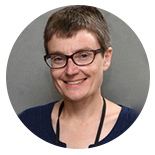 |
Inna Afasizheva, GSDM, Molecular & Cell Biology, is considered by her peers to be one of the top experts in studies of mitochondrial mRNA processing. The PI on an NIH R01 grant from the National Institute of Allergies and Infectious Diseases to study pentatricopeptide repeat (PPR) proteins as key regulators of mitochondrial gene expression, she has published 36 research articles and five authoritative reviews. She is particularly known for the high level of rigor and experimental virtuosity she brings to her field. . |
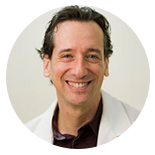 |
Louis Brown, GSDM, General Dentistry, is a dedicated teacher and clinician. A part-time faculty member for many years, he has been the Course Director for Preclinical Fixed Prosthodontics (didactic and lab) for more than 20 years, as well as an instructor in the clinic, and the Dental Anatomy and Occlusion courses. With more than 100 students in each course, Dr. Brown regularly introduces state-of-the-art and evolving concepts to his courses, including full digital dentistry, and he has made changes to the curriculum whenever needed to accommodate the School’s mission. . |
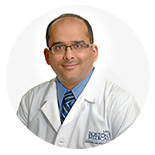 |
Vipul Chitalia, MED, Medicine (Nephrology), is an emerging national and international physician scientist in the field of chronic kidney disease (CKD). Focusing on cardiovascular manifestations in patients with CKD and using thrombosis as a disease model, he was the first to uncover the highly prothrombotic effect of some of the retained solutes in CKD patients. This work explained observations from several clinical trials that in the past had shown CKD as a strong and independent risk factor for thrombosis. These discoveries now have been developed into a ‘theranostic’ platform with a biomarker program and potential druggable therapeutic targets, which has attracted interest from the biotech industry. Dr. Chitalia serves as a scientific advisor to several leading biotech companies in the greater Boston area and also is an Associate Scientific Advisory Board Member of Science Translational Medicine, where his work has been lauded as “the most mechanistic contribution to the field of chronic kidney disease and vascular biology.” . |
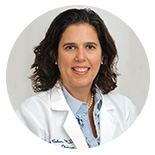 |
Robyn T. Cohen, MED, Pediatrics, is an outstanding clinician and Director of the Division of Pediatric Pulmonary and Allergy. She has been responsible for the growth of the Division, which includes the expansion of services offered to pediatric pulmonary patients and the development of a program in Pediatric Allergy. These clinical expansions include a more comprehensive inpatient consult service, and the creation of a pediatric bronchoscopy service and an oral food challenge program. A national expert on asthma health disparities as well as the pulmonary complications of sickle cell disease, Dr. Cohen has 29 original research publications, co-chaired the American Thoracic Society workshop on the Clinical and Research Priorities for Sickle Cell Lung Disease, and is an invited member of the American Society of Hematology expert panel to create and publish evidence-based clinical practice guidelines for the cardiopulmonary care of patients with sickle cell disease. . |
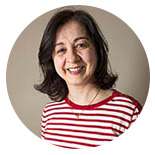 |
Marisol Figueira, MED, Pediatrics, is a clinician and investigator who has made significant contributions to the care of children at Boston Medical Center. In addition, Dr. Figueira has mentored dozens of pediatric infectious diseases fellows. She bridges both primary and subspecialty care, and over the past decade, she has established a primarily Latino practice within BMC where she delivers high-quality care using evidence-based practice and receives high ratings from both her patients and staff. Dr. Figueira also has been a critical member of the Maxwell Finland Laboratory of Infectious Diseases, to assess treatments and new vaccine antigens in the treatment and prevention of Experimental Otitis Media. . |
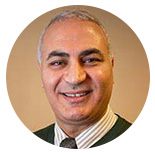 |
Jean M. Francis, MED, Medicine (Nephrology), is a clinician educator and innovator. His work has led to improved care of patients with thrombotic microangiopathy (TMA) on a national level through the adoption in other institutions of a multidisciplinary team approach for management of patients with TMA, which he began at BMC. He has been invited to give more than 25 national and international lectures on TMA and TMA team building. His clinical innovation also is reflected by a collaborative effort between BMC and Brigham and Women’s Hospital to create a pancreas transplant program, for which he serves as medical director. Dr. Francis has been elected as one of 11 national representatives for the Organ Procurement and Transplantation Network (OPTN) and United Network of Organ Sharing (UNOS) Pancreas Transplantation Committee. He represents all pancreas and islet cells transplant programs in UNOS Region One (New England). . |
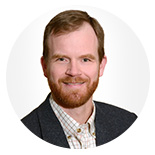 |
Christopher V. Gabel, MED, Physiology & Biophysics, Pharmacology & Experimental Therapeutics, is a leader in the field of axon regeneration in C elegans neurobiology. His lab also develops various biophotonic techniques and applications including sub-cellular laser ablation. Although the field of C elegans is particularly competitive, Dr. Gabel has continued to be well funded for his innovative research, with numerous high-impact publications on the intrinsic cellular mechanisms of neuronal regeneration, including the roles of critical subcellular calcium signaling, activity dependent cellular mechanisms and post-translational modifications. He has a number of ongoing collaborations with scientists at Harvard, Rutgers and Princeton, and his work has been presented at numerous national conferences. Dr. Gabel has served on an NIH study section and as an invited grant reviewer for the National Science Foundation, the European Cooperation in Science and Technology, the European Research Council and the UK Research Council. . |
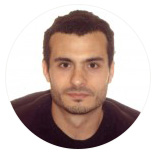 |
Mikel Garcia-Marcos, MED, Biochemistry, is a pioneering investigator studying the mechanisms by which intercellular communication takes place and how its dysregulation underlies human disease. His work in this field since his arrival at BUSM in 2015 has resulted in more than 15 publications, many as corresponding author, in high-impact journals such as Nature Communications, Science Signaling and Journal of Cell Biology. He has led collaborations not only within the University but also with investigators at institutions including Yale and University of California. His well-funded research program includes two R01 NIH grants and a prestigious four-year award from the American Cancer Society. He has been named the Karin Grunebaum Cancer Research Fellow, an award given to junior investigators at BUSM and Harvard Medical School, for two years in a row, one of only four fellows in the history of the Foundation to do so. . |
 |
Craig Eric Gordon, MED, Medicine (Nephrology), is recognized as an international expert in the management of hepatitis C virus (HCV) in patients with chronic kidney disease (CKD). Dr. Gordon has served as Associate Director of the Evidence Review Team for three clinical practice guidelines developed by Kidney Disease Improving Global Outcomes (KDIGO), the leading international organization for clinical practice guidelines in Nephrology, including an upcoming update to the KDIGO guidelines on HCV in patients with CKD. The KDIGO guidelines as well as publications and national/international presentations delivered by Dr. Gordon paved the way toward an increased awareness of the importance of HCV in CKD patients from a diagnostic, treatment and infection control perspective. Recently, Dr. Gordon served as guest editor of a supplemental issue of Hemodialysis International focused on HCV in CKD. Additionally, Dr. Gordon has worked in the area of procedural safety beginning with the development of the concept of a medical procedure service and later through publications identifying best practices in procedural safety for kidney biopsy and thoracentesis. He has lectured extensively related to procedural safety in various venues nationally. . |
 |
Jaimie L. Gradus, MED, Psychiatry and SPH, Epidemiology, has achieved national recognition for her research addressing the epidemiology of trauma and trauma-related disorders and suicide outcomes among people with these experiences. An epidemiologist at the VA National Center for PTSD, Dr. Gradus’ trauma research focuses on suicidal behavior, health risks associated with exposure to traumatic stress and PTSD, and gender differences. Twenty-five of her 50 peer-reviewed papers are as first or senior author. She is the PI on two NIH R01 grants. In addition, Dr. Gradus designed a nationally disseminated PTSD 101 web-based curriculum on the epidemiology of PTSD, and has contributed to the development of nationally disseminated web-based courses on suicide prevention for VA clinicians. . |
 |
Christopher Huang, MED, Medicine (Gastroenterology), is a clinician-educator with a special interest in endoscopy education and training, and expertise in performing advanced procedures such as endoscopic retrograde cholangiopancreatography, endoscopic ultrasonography, endoscopic mucosal resection of premalignant tumors and stenting of malignant gastrointestinal strictures. His skill set allows him to provide a unique service to patients with oncologic, biliary or pancreatic disorders. Dr. Huang has made significant contributions toward improving the Fellowship Program’s endoscopy training curriculum by developing several endoscopy-related lectures, integrating simulation training and implementing tools for the evaluation of procedural competency. . |
 |
Matthew Jones, MED, Medicine (Pulmonary, Allergy, Sleep & Critical Care), studies inflammatory responses to acute bacterial pneumonia. Dr. Jones is the director of the GMS PhD Program in Molecular and Translational Medicine and regularly mentors graduate students. He is a member of several institutional committees and a reviewer of several peer-reviewed journals in addition to being co-PI on an NIH R01 grant extending through 2022, and is co-I on six others (U01, R35, R56 and 3 R01s). Dr. Jones has given invited national and international presentations and has served as a member of multiple Department of Defense research review panels on respiratory health. . |
 |
Laura Kaufman, GSDM, General Dentistry, is an accomplished clinician educator. Since 2010, she has been providing care to ambulatory and home-bound geriatric patients, frequently supervising dental students on home visits. She delivers lectures on geriatrics and evidence-based dentistry to dental students, and teaches medical and physician assistant students about oral health. She is the recipient of several local, national and international research awards and has published seven articles in peer-reviewed journals since 2013, four as first author. . |
 |
Melih Motro, GSDM, Orthodontics & Dentofacial Orthopedics, is a dedicated educator and researcher. He supervises orthodontic residents, directs two courses for the Advanced Specialty Education Program in Orthodontics & Dentofacial Orthopedics and serves as Research Director for the Department of Orthodontics, where he oversees approximately 35 research projects. In addition to his academic activities, he has been organizing an annual continuing education symposium on Sleep Apnea and Sleep-Disordered Breathing, which attracts dentists from all specialties as well as physicians. . |
 |
George James Murphy, MED, Medicine (Hematology & Medical Oncology), is an accomplished investigator, mentor and teacher. Dr. Murphy is one of the founding co-directors of the Boston University and Boston Medical Center’s Center for Regenerative Medicine (CReM), which now houses 50 members and 100 affiliated faculty with sizable extramural funding. His research focuses on the creation and differentiation of induced pluripotent stem cells (iPSCs) and their use in understanding both development and disease. His laboratory’s accomplishments include the generation of widely used protocols and platforms for the study of sickle cell anemia and hereditary amyloidosis. He also has pioneered methodologies for the large-scale production of blood cells from stem cells allowing for the first in human trials of iPSC-derived platelet transfusions. A sought-after speaker, Dr. Murphy plays a central role in the Hematology T32 Training Program, and is engaged in community outreach to inspire the next generation of scientists. . |
 |
Sharon E. O’Brien, MED, Pediatrics, is a distinguished clinician educator and leader. In addition to directing the division of Pediatric Cardiology for the past 16 years, she has been co-directing/directing the Pediatric Specialty Group within the Department for the last 13 years overseeing its expansion in multiple clinical areas. Most recently she was promoted to Vice-Chair for Subspecialty and Acute Care Services, Pediatrics. Dr. O’Brien has taught clinical cardiology to medical students, pediatric residents and fellows in the lecture halls as well as the ambulatory clinics for almost 20 years. She is a thought leader within the Department directing the Pediatric Faculty Development program, which provides an innovative 10-month curriculum for early faculty to explore topics important to their career advancement. She is a dedicated member of the organization, serving on the BU Medical Group's Development and Governance committees. . |
 |
Julia C. Prentice, MED, Psychiatry, is an emerging leader of VA health policy. Her research focuses on health quality and treatment outcome correlations with appointment wait times in the VA healthcare system that has resulted in major policy changes throughout the VA system. Dr. Prentice also has mapped treatment outcomes to specific medications now supported by grants totaling about $3M. Dr. Prentice serves on several national VA committees. She has mentored or is mentoring eight PhD students, MD fellows, post-doctoral fellows or junior investigators and has had 20 invited national lectures and policy presentations, including several with top VA administration. . |
 |
Nicole Prudent, MED, Pediatrics and SPH, Community Health Sciences, is a physician, educator, mentor and public health practitioner. A trusted and established voice in the Haitian community, Dr. Prudent was instrumental in developing health-related leadership and mentoring programs for youth, which provide multi-disciplinary and multi-level public health interventions for improving the care and health status of this community. Her work encompasses community health promotion and health education. Dr. Prudent co-founded the nonprofit community-based organization Youth and Family Enrichment Services Inc., which provides remedial and enrichment academics after school and during the summer for new immigrant children, and a music education program where children learn discipline, perseverance, harmony and teamwork, in addition to new means of self-expression, through orchestra practice and public performance. . |
 |
Andrew Salama, GSDM, Oral & Maxillofacial Surgery, has established an impressive didactic and clinical teaching record at GSDM. He is the Residency Program Director for the Advanced Education Program in Oral & Maxillofacial Surgery where he is responsible for the clinical training of postdoctoral Oral & Maxillofacial Surgery residents in the clinic and at Boston Medical Center in the operating room setting. Frequently invited to present at national and international meetings, he has authored seven textbook chapters in addition to 33 articles in peer-reviewed journals. . |
 |
Madeleine L.K. Scammell, SPH, Environmental Health, is an expert in community-driven and interdisciplinary environmental health research, primarily in low-income communities with numerous social and environmental stressors. She has a national reputation in community-based participatory research, and the use of qualitative methods in environmental health sciences. She has produced more than 50 publications that include peer-reviewed journal articles, reports and papers in practice-oriented publications. She has developed and maintained a robust externally funded research portfolio. Dr. Scammell is the recipient of the JPB Environmental Health Fellows Award at Harvard T.H. Chan School of Public Health and, more recently, the prestigious Outstanding New Environmental Scientist (ONES) R01 award from the National Institute of Environmental Health Sciences to conduct a cohort study of workers in El Salvador and their exposure to heat, heavy metals and agrichemicals. . |
 |
Richard A. Serrao, MED, Medicine (Infectious Diseases), is a consummate clinician in general medicine and infectious diseases. Predominantly at the VA Boston Healthcare System, his impact is evident across BU and other VA affiliates. His yearly commitments are spread among an impressive 10 months on five different teaching services (medicine wards, inpatient and outpatient medicine consults, inpatient infectious disease consults, and primary and subspecialty care in ID/HIV clinic). Most notable is Dr. Serrao’s development and leadership (Medical Director) of the Ambulatory Diagnostic Treatment Center (ADTC), an extraordinary model for providing timely quality care to patients and educating the next generation of primary care providers. Dr. Serrao’s work in the ADTC has left an indelible imprint on scores of BMC residents and BU students. He is the recipient of several teaching awards and continues to serve as an associate director for the inpatient internal medicine core clerkship, contributing to innovative teaching curricula and the mentoring and career development of a significant portion of the medical student body. . |
 |
Jeffrey J. Siracuse, MED, Surgery and Radiology, is an expert in both peripheral and aortic vascular surgery. He led BMC in becoming certified to perform complex endovascular fenestrated abdominal aortic aneurysm repair. He has authored or coauthored more than 90 peer-reviewed original manuscripts with a research focus on perioperative optimization and comparative effectiveness of vascular and endovascular surgical procedures. He has received both NIH and specialty society funding. Dr. Siracuse serves on multiple regional and national committees, including the Society for Vascular Surgery’s (SVS) Coding and Reimbursement Committee, and is the Chair of the SVS Appropriateness Committee and the Vascular and Endovascular Surgical Society’s (VESS) Membership Development Committee. He has also been a principal and co-investigator in many clinical trials as well. Dr. Siracuse recently received a grant from the VESS to perform a prospective study examining perioperative nutritional optimization in patients with critical limb ischemia. . |
 |
Allan Walkey, MED, Medicine (Pulmonary, Allergy, Sleep & Critical Care), is a leading expert in the clinical impact of atrial fibrillation in sepsis. Dr. Walkey’s research seeks to improve processes and outcomes of critical care, reduce cardiovascular complications of sepsis, better account for patient goals in the delivery and evaluation of healthcare, and develop novel methods to compare outcomes in observational research. He has a demonstrated track record of high-impact research with >100 publications, many in top-tier journals such as JAMA, JAMA Internal Medicine and the American Journal of Respiratory and Critical Care Medicine. Dr. Walkey also serves as co-Director of the Center of Implementation and Improvement Sciences, seeking to improve the rigor of efforts to translate research into practice. . |
 |
Andrew A. Wilson, MED, Medicine (Pulmonary, Allergy, Sleep & Critical Care), is a pulmonary and critical care clinician-scientist with long-standing focus on regenerative medicine and stem cell biology. His research seeks to advance the understanding of and treatment for genetic causes of chronic obstructive pulmonary disease (COPD) and the lung and liver diseases associated with the alpha-1 antitrypsin deficiency (AATD), largely through the platform of patient-derived stem cells. He has overseen the creation of and directs one of the world’s largest repositories of reprogrammable blood samples associated with highly characterized participants in the Framingham Heart Study. In addition to laboratory-based science, he also leads an epidemiological study to define the incidence of and risk factors for liver diseases associated with AATD. Dr. Wilson is the founding director of the Alpha-1 Center at BU and BMC, one of the largest clinical centers for patients with AATD in the region. Since 2008 he has supervised 19 trainees in one of the most demanding scientific laboratory disciplines. |
BUMC Volunteers at Global Days of Service

For the past nine years, staff, faculty, students and alumni have participated in Boston University’s annual Global Days of Service, a month long event sponsored by the BU Alumni association and the BU Community Service Center.
This year, BU students, alumni and employees of the Office of Financial and Grants Administration and the Office of Proposal Development volunteered at:
- Pine Street Inn, the largest resource for homeless men and women in New England
- A Room to Grow, a resource that serves families from just before their child’s birth through age three with individualized parenting education and support, high-quality material items, and specialized referrals to vital community resources to ensure a healthy and secure start in life.

BUMC Honors Tom Moore, MD
On Monday, April 23, faculty, staff, students, family and friends gathered to honor Tom Moore, MD, for his 17 years of service to Boston University.
Dr. Moore will be stepping down from his roles as BUMC Associate Provost and Executive Director of the Office of Human Research on July 1, but will continue to work on important projects, including serving as chair of the Task Force for LCME reaccreditation
The two-part recognition event held in Hiebert Lounge began with a presentation, “A DASH Diet Revival (and Other Implications of the New Blood Pressure Guidelines)” with Aram Chobanian, MD, BU President Emeritus, BUMC Provost Emeritus, and BUSM Dean Emeritus, and Larry Appel, MD, MPH, Appel, Professor of Medicine at Johns Hopkins University. Dr. Appel was a collaborator with Dr. Moore in the development of the DASH diet. In his lecture, he highlighted the importance of the eating patterns that have been shown to lower blood pressure.
Following the discussion, friends, family and colleagues shared stories, highlighting humorous and memorable moments involving Dr. Moore.
BUMC Provost and BUSM Dean Karen Antman, MD, thanked Dr. Moore for his work. “We appreciate your candor, your level-headed leadership, and your very real statesman-like skills for negotiating differences.”
Gordon Williams, MD, a professor of Medicine and Endocrinology at Harvard Medical School and Brigham and Women’s Hospital, shared fond memories of time spent at the Brigham together.
Dr. Chobanian recalled, “He never said ‘no.’ He was always willing to work for the total good of the institution.”
Dr. Moore’s children also shared remarks. Son Ryan Moore said, “I have to come to seek his advice so regularly that it has become second nature to me, whether it be advice on mortgages or grilling steak … I probably should have said asparagus or something!” Daughter Meghan Murphy, who helped create an online program (with other BU colleagues) to teach the DASH diet, explained how she developed an entirely new relationship with her father as a social peer. “I’m very lucky to love my job while working with someone I love.”
Dr. Moore humbly wrapped up the ceremony. “There wouldn’t be nearly enough time to thank all the people I want to. I am blessed and grateful for the wonderful career I’ve had at BU.”
View photos from the event on Facebook.
SPH Hosts Climate Change Symposium
Policymakers, journalists discuss cities, the media, and climate solutions
The signs are grim, and grimly familiar: 2016 was the hottest year on record since 1880, future warming is inevitable, and by the end of the century, Boston may see entire summers with daytime temperatures over 90 degrees Fahrenheit. Extreme rainfall is forcing migration worldwide. West Nile virus is increasing in Los Angeles county. And 2017 saw the worst wildfires in California history.
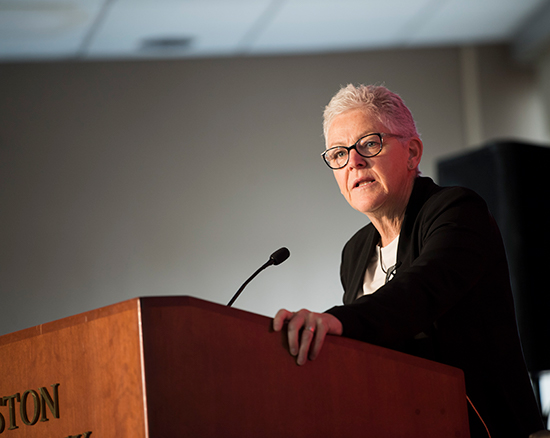
Despite this dire litany, when former Environmental Protection Agency administrator Gina McCarthy addressed the students, academics, communicators, and policymakers gathered at the School of Public Health last Friday, she delivered a forceful and unexpected message: “Stop looking so mopey! Nobody follows a mope,” she said. “This is a time of change, and every time of change means there are massive opportunities. I am grabbing them and you can too.”
McCarthy was the keynote speaker at a daylong SPH symposium called Changing the Climate: How Public Health, Cities, and the Media Can Advance Climate Solutions. The school convened the symposium, which was cohosted with the Pulitzer Center, to bring together thought leaders from public health, government, and journalism to share solutions to the global climate challenge, and to discuss ways to bring greater attention to the issue. Other collaborators were the BU Initiative on Cities, Center for Climate, Health, and the Global Environment at Harvard T. H. Chan School of Public Health Innovate@BU, and Sustainability@BU.
McCarthy’s surprisingly optimistic message noted that changes needed to address climate change will create jobs, add stability to the world, and reduce “traditional” air pollution. “This is not a struggle or a trade-off, this is how you save the planet and our kids,” she said. “We can make the world healthier and more prosperous as we move away from fossil fuels.”
And, she added, “We can use climate change as momentum to get the investment in public health that we’ve been bitching and moaning about since day one.”
Other speakers also voiced optimism, some of them focusing on the critical role of states and cities in the absence of federal or global leadership. Several speakers noted that cities have moved to the forefront on climate change action, for several reasons: most of the world is now urban, cities are responsible for a disproportionate share of carbon emissions, city dwellers are vulnerable to climate extremes, and city governments tend to be less politicized than their federal counterparts.
“Mayors by nature are practical because we’re responsible for real things that affect people’s everyday lives,” said David Miller, former mayor of Toronto. “I’m an optimist on climate. Not only do we know where the emissions are, we know what to do about them.”
“This is not a struggle or a trade-off, this is how you save the planet and our kids,” she said. “We can make the world healthier and more prosperous as we move away from fossil fuels.”—Gina McCarthy
Miller said that most cities’ emissions come from four sources: the electric grid, the heating and cooling of buildings, transportation, and waste management. “If we can control these things, we can mitigate climate change and also make cities better places to live,” he said, noting that heating and cooling aging buildings accounts for 70 percent of Boston’s emissions, and 60 percent of Toronto’s. “How we heat and cool old buildings is going to decide whether most cities are able to meet their carbon reduction goals.”
Austin Blackmon, Boston’s chief of environment, energy, and open space, focused on the city’s plans to cope with rising sea levels. “Four hundred years ago, 30 percent of Boston was under water,” said Blackmon. “Over the past 100 years, we have already seen about 10 inches of sea level rise.”
He described how Imagine Boston 2030, Boston’s first citywide plan in more than 50 years, took environmental justice into account. For instance, adding greenspace to East Boston that doubles as floodplain would increase the neighborhood’s resilience against sea level rise, while also adding outdoor space that would contribute to community health.
Speakers and panelists also discussed the best ways to communicate information about climate change to the public, arguing that public health—caring for children, the elderly, and other vulnerable groups—may offer common ground and shared values. Speakers also noted the importance of reaching the public by focusing on people, stories, local issues, and solutions. “People who accept the science and want to act feel kind of paralyzed,” said Miller.
Hannah Fairfield, New York Times climate editor, described a recent Times series about cities and climate change, which was written by the paper’s chief architecture critic. Fairfield was surprised by readers’ response to the series, which heavily favored a story about Rotterdam, a city that she described as “half underwater” and looking for solutions. “Now the city is making money by exporting their solutions,” she said, and readers responded to the positive message.
Fairfield added that it’s important to talk about what individuals can do. “So many of the solutions we see are big solutions. They are policy solutions,” she said, noting that purchasing better consumer electronics—more energy-efficient air conditioners, for instance—is one way that individual people can make a difference. “Not many of us are lucky enough to be policymakers,” she said. “But we are all consumers.”
This BU Today article was written by Barbara Moran.
Two-factor VPN Begins May 31
Starting Thursday, May 31, you will no longer be able to access Y Drive when off campus without using the BU two-factor VPN with Duo Security. No extra steps will be required when connecting while on campus, using the wired or wireless network.
What should I do now?
Take the time now to start using, and becoming familiar with the BU two-factor VPN. Follow these steps.
Why are we making this change?
Requiring the BU two-factor VPN from off-campus prevents an attacker from accessing the Y drive. BU faculty, staff and students are frequent targets of phishing emails, and attackers regularly compromise Terrier accounts. Learn how to fight phishing at our Tech Web Page.
If you have any questions or concerns, please contact BUMC Information Security Officer David Corbett at corbettd@bu.edu or 617-414-1475.
Active Shooter Exercise Planned for April 25, 11:50 a.m.
***This is a Drill***
On Wednesday, April 25, Boston University’s Emergency Management Department will conduct an “active shooter” emergency preparedness drill. The exercise will test BU’s emergency response plans. BU conducts exercises like these regularly to ensure readiness to act in the case of a real life situation. It includes a limited number of staff and volunteers, who already have been identified. In addition, the BUMC Department of Public Safety, BU Police, Boston Police and Boston EMS will participate in the drill.
The “active shooter” drill will begin at 11:50 a.m. in the Medical School Library, Instructional Building, and is expected to conclude by 12:30 p.m. Please note that we have alerted our neighbors and first responders about this event and have the appropriate protocol in place to ensure that there is no disruption to classes or other scheduled activities.
Please contact Steve Morash at 617-358-1577 if you have any questions prior to the drill.
***This is a Drill***
BUMC Hosts Annual Health Equity Symposium

In Baltimore’s Upton/Druid Heights neighborhood, half of the families have single parents, a third of the boys have a criminal record by age 17, and the median household income in 2010 was $17,000. The life expectancy is 63.
In Baltimore’s Roland Park neighborhood, 93 percent of the families have two parents, juvenile arrests are rare, and the median household income is $90,000. The life expectancy is 83.
Michael Marmot, a University College London professor of epidemiology and director of its Institute of Health Equity, offered these stark statistics at the BU Medical Campus Annual Health Equity Symposium, held April 10. In his keynote address, Marmot, a world expert on health equity, described driving through the Upton/Druid Heights neighborhood and seeing red slashes marking houses for demolition. “Can you imagine what it’s like to live in a neighborhood where every second house is condemned?” he asked. “Why treat people and then send them back to the conditions that made them sick?”
Health disparities—any difference in health outcomes between populations—are a tough nut to crack. They involve myriad factors that lie outside the traditional health-care system, such as housing, employment, racism, gun violence, immigration status, availability of food, and access to public transportation.

Hospitals, medical schools, and health-care providers are starting to tackle these disparities, from many different angles. The half-day symposium was part of that effort, said event co-organizer Jenny Siegel, MD, a BUSM assistant professor of medicine. The symposium gathered researchers from across the Medical Campus to network, find future collaborators, and learn about health equity efforts at BU and throughout the area.
“It’s a new time in health care,” said Thea James, a BUSM associate professor and Boston Medical Center associate chief medical officer and vice president of mission, speaking at the symposium. Health-care providers need to go beyond treating emergencies over and over, said James—“those are just downstream consequences of what happened upstream.” They need to help dismantle the barriers that keep patients from thriving and shift focus “from charity to equity.”
Speakers, panel discussions, and a poster session captured both the breadth of the issue and the many programs attempting to address it. Researchers presented posters on topics that included improving hospital experiences for patients with autism, how doctors can address immigrants’ legal needs, and disparities in prenatal screening. Third-year medical student Anita Knopov (BUSM’19) presented data on racial residential segregation and firearm homicides. Her study noted that black people make up 59 percent of firearm homicide victims, but only 14 percent of the US population, and her work correlated these homicide rates to areas with high racial segregation. She said she decided to research the topic after seeing a preponderance of patients with gunshot wounds or scars. “The term ‘health disparities’ is a huge umbrella,” she said, “but the first right to health should be a right to live.”

The health effects of violence also came up during a patient perspective panel, where BMC patient Sarah Zene related leaving a violent husband decades ago. “I never knew there was help for battered women until I went to my doctor and she told me about it,” said Zene. “I think if I didn’t ask for the help, I would be dead by now.”
Zene’s story offered some prescriptions for overcoming health disparities with a holistic array of treatments. After a doctor helped her escape a bad relationship, a violent neighborhood, and a drug addiction, she said, her health-care team at BMC turned to treating her diabetes and high blood pressure. The hospital staff tackled her health conditions not only with medication, but also with acupuncture and Zumba, and by providing her with fresh food and teaching her how to cook with fewer carbs. “My diabetes was out of control, and now it’s under control,” she said. “It’s what you eat!”
In his keynote address, Marmot said he was heartened by his visit to BU, and he noted a growing interest in the social determinants in health throughout the world. He said colleagues often complain that Americans aren’t interested in solving these problems, but he disagrees. “There is a great deal of activity in the United States, it’s just not at the federal and state government level. Seeing places like this is hugely encouraging.”
This BU Today story was written by Barbara Moran.
Julie Palmer, ScD, MPH, Named a Komen Scholar

Julie Palmer, ScD, MPH, has been named a Komen Scholar by the breast cancer research nonprofit Susan G. Komen.
“I am honored to be selected as a Komen Scholar,” Palmer says. “Susan G. Komen has a long history of working to decrease breast cancer health disparities, most recently with their African American Health Equity Initiative, which makes community engagement the foundation of change. I hope to contribute to these activities in my role as an advisor, while continuing with my own research projects.”
Read the full article on the SPH website.