Student Updates
APEX Program Celebrates 20 Years at GSDM
The Boston University Henry M. Goldman School of Dental Medicine (GSDM) Applied Professional Experience (APEX) program celebrated its 20th anniversary with a dinner on April 16. The night honored the efforts and dedication of the dental practitioners who serve as APEX mentors.
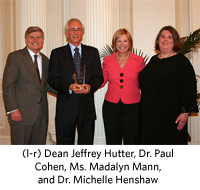
"The APEX mentors share their knowledge and skills with our students, truly enhancing the School's curriculum," said Director of APEX and Extramural Programs Dr. Michelle Henshaw. "They are mentors in the truest sense of the word. They ensure that we graduate not only competent clinical dentists, but also compassionate health care providers who are a credit to our profession."
Ten APEX offices have been with the program since its inception 20 years ago and those offices received special recognition for being stalwart supporters of the program and for providing valuable feedback. Dr. Henshaw also announced the formation of the Madalyn L. Mann APEX Award for Teaching Excellence, which will be given annually to a dentist who has stood out amongst his/her peers for their commitment to teaching dental students on their APEX rotation. The recipient of the inaugural award was Dr. Paul Cohen. Dr. Cohen was one of the dentists that has supported the program since it's inception.
A quote from one of Dr. Cohen's former APEX students was read at the award presentation stating, "Dr. Cohen was very welcoming, warm, engaging, and determined that I would learn as much as I could from my experience working at his office. Every lunchtime Dr. Cohen used to take me out to lunch, and during that time he would encourage me to ask as many questions as possible about what I saw that day, his practice, his path to becoming the successful dentist that he is, patient and staff management, or anything else. Observing him working and interacting day to day, combined with the Q & A sessions at lunch were priceless experiences that I will cherish in my path to becoming a good dentist myself."
"We know that entering dental students consistently rank APEX as one of the top reasons they chose to attend GSDM and because of that the APEX program has grown to be an integral part of the curriculum at our School," said Dean Jeffrey Hutter. "The lynchpin of this program is, of course, our outstanding APEX mentors. Since its inception, these gifted teachers and mentors have been true partners in the education of our students and I sincerely appreciate their dedication and commitment to bringing excellence to our School."
Photos of the dinner are available on GSDM's flickr account and also on the GSDM Facebook page. You must have full web access to view the flickr account, but do not need a personal Facebook account to view photos on the Facebook page.
BMC Recognized By The American Heart Association For Turning Guidelines Into Lifelines
Boston Medical Center (BMC) was recognized for its achievement in implementing the American Heart Association/American Stroke Association Get With The GuidelinesSM (GWTG) for stroke care.
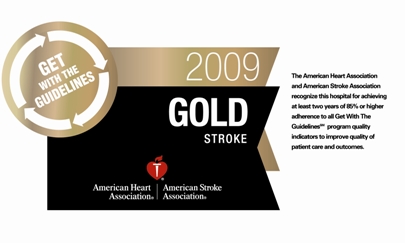
BMC has received the GWTG gold Performance Achievement Award for stroke. This level of achievement shows BMC's commitment and success in implementing a higher standard of care for stroke patients.
GWTG helps ensure that patients treated and discharged receive quality care in accordance with guidelines that will reduce the risk of recurrent events. It takes advantage of the "teachable moment," the time soon after a stroke when patients are most likely to listen to their healthcare professionals' treatment recommendations. Studies demonstrate that patients who are taught how to manage their risk factors while still in the hospital reduce their risk of a second stroke.
This accomplishment signifies that BMC has reached an aggressive goal of treating stroke patients with 85 percent compliance to core standard levels of care outlined by the American Heart Association/American Stroke Association secondary prevention guidelines and recommendations.
According to GWTG treatment guidelines, patients are treated with intravenous tPA and antithrombotics acutely, receive DVT prophylaxis, and are started on aggressive risk reduction therapies such as cholesterol-lowering drugs, antihypertensive agents, aspirin or anticoagulants. They also receive smoking cessation and alcohol/drug use counseling, as well as referrals for rehabilitation.
BMC has consistently and successfully implemented these quality measures for 24 consecutive months specified by module since they began participating in the program.
"The full implementation of acute and secondary prevention guideline recommended therapy is a critical step in reducing death and disability of cardiovascular disease patients," said Gregg C Fonarow, M.D., National Chairman of the GWTG Steering Committee and Director of Ahmanson-UCLA Cardiomyopathy Center. "The goal of the American Heart Association's Get With The Guidelines program is to help hospitals like BMC implement appropriate evidence-based care and protocols that will reduce the number of deaths in these patients and in their communities. BMC has achieved a high level of performance in terms of implementing these life-prolonging treatments."
According to the American Heart Association/American Stroke Association, each year approximately 700,000 people suffer a stroke.
"BMC is dedicated to making our care for stroke patients among the best in the country. We will continue in our efforts to build off the success achieved with continued implementation of this valuable program," said Dr. Carlos S. Kase, Professor and Chair of Neurology. "GWTG makes it easier for our professionals to improve the long-term outcomes of our stroke patients, and we are pleased to be recognized for our dedication and achievements."
BMC's staff develops and implements acute and secondary prevention guideline processes. The program includes quality improvement measures such as care maps, discharge protocols, standing orders and measurement tools. This quick and efficient use of guideline tools will enable BMC to improve the quality of care it provides stroke patients, save lives and ultimately, reduce healthcare costs by lowering recurrence of events.
The program mobilizes teams in acute care hospitals to implement American Heart Association/American Stroke Association secondary prevention guidelines.
Researchers Identify Personality Traits of Centenarian Offspring Which May Influence Longevity
Researchers from BUSM New England Centenarian Study have noted specific personality traits associated with healthy aging and longevity amongst the children of centenarians. The work was conducted in collaboration with scientists from the National Institute on Aging. These findings currently appear on-line in the Journal of the American Geriatrics Society.
Previous research on siblings and offspring of centenarians have documented that exceptional longevity runs strongly in families. Studies of the offspring of centenarians showed that their mortality is 120 percent lower than other members of their birth cohort and that they also have markedly lower prevalence rates and delayed onsets of cardiovascular disease, hypertension, and diabetes mellitus. Because personality traits have been shown to have substantial heritable components, the researchers hypothesized that certain personality features may be important to the healthy aging observed in the offspring of centenarians.
Using the NEO-Five-Factor Inventory (NEO-FFI) questionnaire, measures of the personality traits for neuroticism, extraversion, openness, agreeableness, and conscientiousness were obtained from 246 (125 women and 121 men) unrelated offspring of centenarians with an average age of 75.
Both the male and female offspring of centenarians scored in the low range of published norms for neuroticism and in the high range for extraversion. The women also scored comparatively high in agreeableness. Otherwise, both sexes scored within normal range for conscientiousness and openness, and the men scored within normal range for agreeableness.
According to the researchers, personality traits in the offspring of centenarians appear to have distinctive characteristics that may have important implications for their longevity. "Interestingly, whereas men and women generally differ substantially in their personality characteristics, the male and female offspring tended to be similar, which speaks to the importance of these traits, irrespective of gender, for health aging and longevity.
It's likely that the low neuroticism and higher extraversion will confer health benefits for these subjects," said senior author Thomas Perls, MD, MPH, director of the New England Centenarian Study. "For example, people who are lower in neuroticism are able to manage or regulate stressful situations more effectively than those with higher neuroticism levels. Similarly, high extraversion levels have been associated with establishing friendships and looking after yourself," he said.
Perl's added, "These findings suggest that personality is an important characteristic to include in studies that assess genetic and environmental determinants of longevity. Such studies are currently underway."
This study was supported in part by grants from the National Institute on Aging (NIA): K-24, AG025727 (TP), K23 AG026754 (Paul Beeson Physician Faculty Scholar in Aging Award, DT), and the Intramural Research Program of the NIA.
Dr. Gregory Stoute Named ADEA/Sunstar Americas, Inc./Harry W. Bruce, Jr. Legislative Fellow
Boston University Henry M. Goldman School of Dental Medicine (GSDM) Associate Professor and Director of Minority Affairs Dr. Gregory Stoute was named the 2009 ADEA/Sunstar Americas, Inc./Harry W. Bruce, Jr. Legislative Fellow at the 86th ADEA Annual Session and Exhibition.
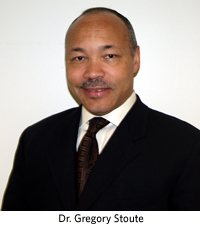
This public policy fellowship provides an opportunity to learn about the federal legislative process as it relates to dental education. Dr. Stoute will function as a staff member in the ADEA Center for Public Policy and Advocacy (CPPA), part of the ADEA Central Office in Washington, D.C., for a three month term. During this term his responsibilities may include drafting policy, legislative bills, position papers, and testimony; educating members of Congress and other decision-makers on matters important to dental education; and participating in various national coalition gatherings.
The Fellowship coincides with congressional consideration of the federal budget and other important legislative and regulatory activities important to dental education and research. Past issues worked on by Fellows include Medicare, graduate medical education reimbursement, federal support for health professions training programs, Ryan White HIV/AIDS dental reimbursement, higher education taxation, and student loan funding.
"I would like to thank Dean Jeffrey Hutter for his steadfast support of my participation in this fellowship program and Drs. Paula Friedman and Raul Garcia for their advocacy on behalf of my nomination," said Dr. Stoute. "These are exciting and challenging times in our nation's history and we in dental education must make sure that we are included in the process as health care reform, investment in research and technology, and education are addressed as priorities of President Barack Obama's Administration."
"Dental education, like much of higher education, currently faces numerous challenges," said Dean Hutter. "I cannot think of a better candidate to represent the interests of dental educators nationwide at this pivotal time than Dr. Gregory Stoute."
Cancer Publishes GSDM Research
A paper titled, "Low Positive Predictive Value of the Oral Brush Biopsy in Detecting Dysplastic Oral Lesions," was published in the March 1, 2009 edition of Cancer, the official journal of the American Cancer Society. This paper was authored by Vinodh Bhoopathi DPH 10; Professor, Director, and Chair of Oral and Maxillofacial Pathology Dr. Sadru Kabani; and Professor and Director of the Division of Dental Public Health Dr. Ana Karina Mascarenhas.
The research presented in the article evaluates the effectiveness of the oral brush biopsy (OralCDx) as a diagnostic tool in detecting dysplastic oral lesions. OralCDx is one of several diagnostic tests that were developed to improve diagnosis of oral squamous cell carcinomas (OSCC). Ninety percent of oral cancers are OSCC.
The researchers evaluated pathologic reports of biopsies in patients who had previously tested "positive" or "atypical" for dysplasia by OralCDx. They concluded that the OralCDx technique has a low positive predictive value and produced a high number of false-positive results.
"The results of this research are very interesting," said Dr. Mascarenhas. "We did not expect to find such a high number of false-positives. In light of this we suggest a detailed oral examination and referral to the appropriate dental or medical professional for further evaluation and possibly a scalpel biopsy."
Bhoopathi will be presenting a lecture on this topic as part of the General Dentistry EBD Lecture Series on April 14 at 11:45 a.m. in room G-309.
BUSM Names New Chair of Department of Biochemistry
David A. Harris, MD, PhD, has been named Professor and Chair of the Department of Biochemistry for Boston University School of Medicine (BUSM) effective September 1, 2009.
Harris plans to build upon the long-standing strengths of the Department of Biochemistry, hiring additional faculty, upgrading laboratory space, further developing cutting-edge research activities, and capitalizing on the translational potential of basic biochemical discoveries. He will be responsible for all academic appointments in the Department, and will provide leadership for undergraduate and graduate educational programs. Harris will also serve on the BUSM executive committee.
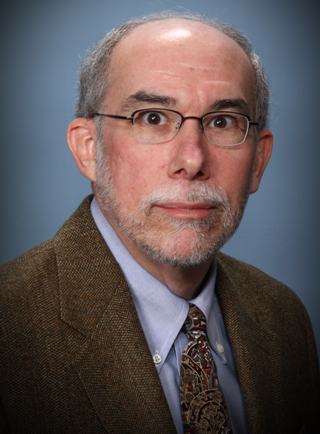
Harris earned his bachelor's degree in Molecular Biophysics and Biochemistry from Yale University, and his MD and PhD degrees from Columbia University College of Physicians and Surgeons. He was a Postdoctoral Fellow at the Center for Neurobiology and Behavior at Columbia.
Harris began his distinguished, 23-year career at Washington University School of Medicine in St. Louis in the Department of Anatomy and Neurobiology as a research associate, instructor and research assistant professor. He then moved to the Department of Cell Biology and Physiology, serving as assistant professor, associate professor and for the past eight years, as professor.
Harris' research is focused on a group of unusual neurological disorders that includes "mad cow disease" and related human diseases caused by abnormal proteins in the brain. He has published over 90 peer-reviewed and invited manuscripts, and has trained 28 doctoral students and postdoctoral fellows during his career. He has also been active in graduate school education, serving as the program director of a training grant in cellular and molecular biology, and chairing a committee for promotion of racial and ethnic diversity in the student population. Harris' work is supported by several grants from the National Institutes of Health and from private foundations.
"Dr. Harris' work on neurodegenerative diseases at the cellular and molecular levels will be of great value to the medical campus," said Karen Antman, MD, Provost of Boston University Medical Campus and Dean of BUSM. "His innovative brain research along with his commitment to creating a supportive environment for scientific endeavors will benefit faculty and students alike."
Among his editorial activities, Harris has edited two books on neurodegenerative diseases, and served on the editorial boards of the Journal of Biological Chemistry, Molecular Neurodegeneration, and Prion. He has also served on study sections for the National Institutes of Health and the Department of Defense.
Science Day, A Winning Event for GSDM
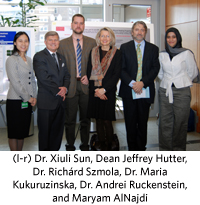
Boston University Henry M. Goldman School of Dental Medicine (GSDM) Science Day kicked off on March 26 with a wide variety of research presented in poster form by predoctoral students and postdoctoral students and fellows in the hallway outside of the 670 Auditorium. On hand to view the research was Boston University Associate Provost and Vice President for Research Dr. Andrei Ruckenstein along with Dean Jeffrey Hutter, Professor and Director of the Predoctoral Research Program Dr. Maria Kukuruzinska, the poster presentation judges, and supportive GSDM students, faculty, and staff.
After difficult deliberation Hanny Hamoui DMD 11 was selected as the predoctoral poster winner for his work, "Role of Lysyl Oxidase Propeptide in inhibiting EGF and FGF-2 functions in Oral Cancer cells." Hamoui worked with Research Assistant Professor Dr. Amitha Palamakumbura and Professor Dr. Philip Trackman in the Department of Periodontology and Oral Biology on his research.
Jehan AlHumaid DPH 11 was chosen as the postdoctoral student poster winner for her work, "Meta-analysis and Review on the Effectiveness of Different Xylitol Products in Caries Prevention." AlHumaid worked with Mohamed Bamashmous DPH 10 and Professor and Director of the Division of Dental Public Health Dr. Ana Karina Mascarenhas in the Department of Health Policy and Health Services Research on her research.
Research Associate Dr. Richárd Szmola was chosen as the winner in the postdoctoral fellow poster category for his work with Associate Professor in the Department of Molecular and Cell Biology Dr. Miklós Sahin-Tóth. His poster was titled, ""A Pancreatitis-Associated Chymotrypsinogen C Mutant Elicits Endoplasmic Reticulum Stress and Aproptosis."
Following lunch Associate Professor at Harvard Medical School and Director of the Immunobiology Laboratories at Massachusetts General Hospital Dr. Denise Faustman discussed her thought provoking yet controversial approach to curing type 1 diabetes and other autoimmune diseases during her keynote lecture, which attracted a large crowd and news channel NECN.
After the keynote lecture, the celebration of scientific research continued with a series of oral research presentations given by predoctoral students and postdoctoral students and fellows.
Shravan Kumar Renapurkar DMD 10 was selected as the predoctoral oral presentation winner for his presentation, "Osteomyelitis of the Mandible: Analysis of Treatment Outcomes." Renapurkar worked with Abhishek Mogre OMFS 11 and Associate Professor Dr. Pushkar Mehra in the Department of Oral and Maxillofacial Surgery on his research.
Georges Traboulsi PERIO 11 was chosen as the postdoctoral student oral presentation winner for his presentation, "Statherin: Secretion and Degradation in the Oral Fluid Environment." Traboulsi worked with Department of Periodontology and Oral Biology Research Associate Xiuli Sun ORAL BIO 08, Assistant Professor Dr. Erdjan Salih, Professor and Chair Dr. Frank Oppenheim, and Associate Professor Dr. Eva Helmerhorst. Dr. Sun was also selected as the winner of the postdoctoral fellow oral presentation category for her work, "Mass Spectrometric Identification of Whole Saliva Proteases Involved in Salivary Protein Degradation." She also worked with Drs. Salih, Oppenheim, and Helmerhorst on this research.
In a separate category, the ADA/Dentsply Award was presented to Courtney Brady DMD 11 for her presentation, "Evaluating Program White Coat a Dental Pipeline Program for Children." Brady worked with Program White Coat organizers Assistant Director of APEX and Extramural Programs Ms. Kathy Held and Dr. Mascarenhas.
Twenty-three vendors from a wide range of dental companies and organizations also set up tables in the Dental School cafeteria to meet with Science Day participants and members of the GSDM community. They answered questions, promoted products, and distributed free samples.
"This year's Science Day was a great success," said Dean Jeffrey Hutter. "Research from many different areas of the School was presented in an interesting and thought provoking way and I was very pleased to see people from the local Boston and Boston University science communities in attendance. I look forward to honoring the winners from each category at Science Night."
Science Night will be held on Friday, April 17 at the Boston Park Plaza Hotel and Towers from 7:30 p.m. to 12:30 a.m. See the Announcements for more details.
Photos from the Science Day are available on GSDM's flickr account and also on the GSDM Facebook page. You must have full web access to view the flickr account, but do not need a personal Facebook account to view photos on the Facebook page.
Green and Wolf Headline Panel at HBO Alzheimer's Disease Preview
Two faculty members from Boston University School of Medicine (BUSM) are headlining an Alzheimer's Disease panel at a preview of an HBO documentary film "The Alzheimer's Project". Robert C. Green, M.D, MPH, professor of Neurology, Medicine and Epidemiology and Co-Director, BU Alzheimer's Disease Center and Philip A. Wolf, MD, professor of Neurology, Medicine and Epidemiology and principal investigator of the Framingham Heart Study, are featured in the multi-part series that will air May 10 on HBO.
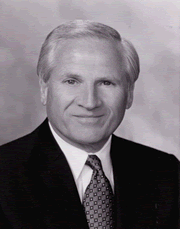
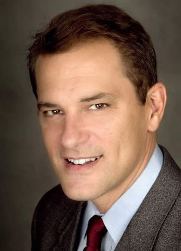
The invitation-only preview of "The Alzheimer's Project" is a collaboration of the Alzheimer's Association of Massachusetts/New Hampshire Chapter, the Massachusetts Alzheimer's Disease Research Center and HBO. The series takes a look at the ground breaking discoveries made by the country's leading scientists as well as the effects of this debilitating and fatal disease on patients and their families.
BUGSDM Hosts Science Day, March 26
Associate Professor at Harvard Medical School and Director of the Immunobiology Laboratories at Massachusetts General Hospital Dr. Denise Faustman, will describe her controversial approach to curing type 1 diabetes and other autoimmune diseases during her keynote lecture at BUGSDM Science Day held at 1:00 p.m. in the 670 Albany Street Auditorium.
Dr. Faustman has shown in mouse trials that removing disease-causing T cells leads to regeneration of good cells and cures type1 diabetes. She will speak about human applications of her research during her lecture.
Other highlights of Science Day include poster presentations from 9:00 a.m. to 4:00 p.m. in the hallways surrounding the 670 auditorium, oral presentations from 2:00 to 4:30 p.m. in rooms 107 and 108, and an exhibition of dental vendors from 9:00 a.m. to 4:30 p.m. at 100 East Newton Street on the 1st floor.
Science Day is open to the general public and the research presented will encompass many topics, not limited to the field of dental medicine.
"The Goldman School of Dental Medicine hopes to establish Science Day as a research event that transcends dentistry and brings together people who are interested in scientific research throughout Boston University and the Boston area," said Dean Jeffrey Hutter. "Students should make every possible effort to attend Science Day in order to support their fellow students presenting research and to learn about topics that will enhance their educational experiences and future careers. Faculty, staff, and others interested in science should also consider attending Science Day as it is not a celebration of dental research alone-it is a celebration of science that impacts all current and aspiring researchers."
For more Science Day information contact Manager of Science Information Afaf Hourani, 41048.
Attend Symposium Honoring Dr. Franzblau, June 15 and 16
A symposium to honor Carl Franzblau PhD, Chairman, Department of Biochemistry and Associate Dean, Graduate Medical Sciences will take place on June 15 and 16, 2009.
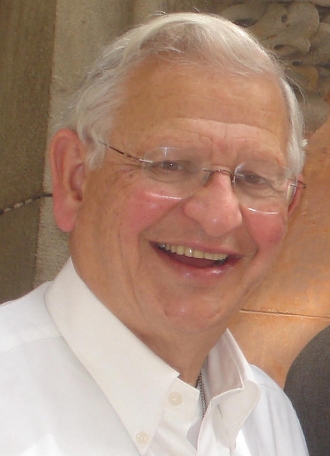
This event will celebrate a University leader who has made countless lasting contributions to Boston University and the national and international scientific community during his more than 45 years of dedication and service. For information about the symposium, please access the web site at http://cobalt.bumc.bu.edu/franzblausymposium/index.html