Student Updates
Researchers Studying Possible Analgesic Affects of Testosterone
The Androgen Clinical Research Unit (ACRU) at Boston Medical Center in conjunction with Boston University is dedicated to conducting research that advances the understanding of the effects of testosterone administration on various clinical outcomes.
The mission at ACRU is to evaluate the effects of testosterone on physical function, sexual function, muscle strength, metabolism, cardiovascular risks, and pain perception in men and women.
BMC researchers, under the direction of Dr. Shehzad Basaria, an associate professor of medicine, have begun conducting a new clinical trial on the effects of testosterone. They are seeking males, 18 years or older, who have chronic pain and currently take prescription pain medication. Participants will take part in a five-visit, 14-week research study to evaluate the effects of testosterone replacement on pain perception, pain tolerance and the quality of life in men with chronic pain. For more information please call 617-414-2936 or visit their website at http://androtrials.org/.
FASEB Journal Highlights Dr. Xiuli Sun's Research
The Journal of the Federation of American Societies for Experimental Biology (FASEB) published Research Associate Xiuli Sun's ORAL BIO 08 abstract titled, "Kinetics of histatin proteolysis in whole saliva and the effect on bioactive domains with metal-binding, antifungal, and wound-healing properties," in the August 2009 issue.

The FASEB Journal publication details research that Dr. Sun has been working on for the past three years under the supervision of Associate Professor Dr. Eva Helmerhorst. Co-authors on the publication are Associate Professor Dr. Erdjan Salih and Professor and Chair of Periodontology and Oral Biology Dr. Frank Oppenheim.
"Using the mass spectrometer, the HPLC, and other techniques available in our department I have covered histatin proteolysis from start to finish, first as a student and then as a research associate," explained Dr. Sun. "The research published in the FASEB Journal details my investigation of the rate and mode of degradation of individual histatin proteins in whole saliva in an effort to establish the impact on their functional domains."
The data gathered by Dr. Sun indicated that metal-binding, antifungal, and wound-healing domains in histatins are largely unaffected by the primary cleavage events in whole saliva. This suggests a sustained functional activity of these proteins in the proteolytic environment of the oral cavity.
"Research on the dynamic composition of oral fluid focuses on what happens to proteins between their synthesis in the glands and their removal from the oral cavity by swallowing," said Dr. Helmerhorst. "Our discoveries on proteolytic target sites in salivary proteins provide information on oral enzymatic cleavage specificities and help in the formulation of salivary protein-derived peptide analogs that are more resistant to salivary protease activities. Such biofunctional domains with prolonged retention times in the oral cavity could in the future be applied as therapeutic agents."
Dr. Helmerhorst added, "This paper was the golden crown on Xiuli's thesis work and I am very proud of all that she has accomplished."
"Dr. Sun's research is remarkable," said Dean Jeffrey Hutter. He added, "I am continually pleased with the high level of research conducted at our School."
Outreach Van Project (OVP) Seeks Physician Volunteers
The Outreach Van Project (OVP) is in search of physicians to supervise medical efforts on Thursday evenings. OVP does not require any specific physician specialty, skills, or language fluency. The care OVP provides is very basic and anything physicians are not comfortable treating is referred to Boston Medical Center (BMC). The van serves patients in East Boston on Thursday nights from approximately 7:30 PM until 9:30 PM. In the past physicians have met the OVP volunteer team at BMC and ridden in or followed the van to Central Square in East Boston.
This student-run, volunteer organization involves a multi-disciplinary team of students from the Boston University Medical Campus (BUMC), including dental, public health, medical, and graduate students. The mission is to fulfill the unmet needs of the medically underserved populations in the Greater Boston area, particularly with regard to health care and access to services, while providing an opportunity for students to learn skills in community outreach. More than 1400 people are served annually in the East Boston community.
The OVP primarily serves homeless, indigent, or underinsured men, although women and children are also served. Approximately 65 percent are immigrants or speak English as a second language (primarily Spanish speaking from El Salvador). The program provides an excellent opportunity for students to learn both medical and outreach skills.
Please email Matthew Gonzalez, project coordinator at mhgonzo@bu.edu with questions or to indicate your willingness to volunteer. A monthly email will be sent to interested physicians to schedule availability. For more information please see the OVP website at: http://people.bu.edu/outreach.
Researchers Find Alcoholics Display Abnormal Brain Activity When Processing Facial Expressions
BUSM researchers have found that individuals who have a long history of alcoholism, but who have been abstinent for at least a month up to many years, showed abnormal brain activity when looking at facial expressions of others. The findings, which appear in the August 11 issue of Alcoholism: Clinical and Experimental Research, confirm that alcoholics suffer from abnormalities in parts of the brain that control emotional perception and memory.
The emotional changes experienced by a long-term chronic alcoholic cover a broad spectrum. Some of these changes, apathy and emotional flatness are reminiscent of those seen in patients with bilateral frontal lobe damage or in patients with right-hemisphere damage. Other abnormalities are subtle. For example, alcoholics may make atypical judgments regarding the nature of facial emotional expressions, suggesting that alcoholism may involve an underlying neurocognitive deficit in the capacity to comprehend emotional information.
In this study, researchers compared abstinent long-term alcoholics to healthy nonalcoholic controls by using functional magnetic resonance imaging (fMRI) that focused on abnormalities in temporal limbic (amygdala and hippocampus) brain activation to emotionally expressive faces.
Employing both verbal (word) and non-verbal (face) materials in an effort to contrast relative hemispheric sensitivities to the cumulative effects of alcohol abuse, the researchers found abstinent long-term alcoholics showed decreased and abnormal brain activity when looking at facial expressions, in particular in the amygdala and hippocampus areas of the brain.
According to the researchers, the results provide unique neuroimaging evidence of neurophysiological changes in emotional functioning associated with chronic alcoholism.
The findings also concur with clinical reports documenting interpersonal difficulties in this population "Since "reading facial expressions" is an important part of social interaction, alcoholics as well as other previously addicted groups, may be suffering from brain abnormalities in parts of the brain that control emotional perception and memory," said author Marlene Oscar Berman, PhD, a professor of neurology (Neuropsychology) and psychiatry and Director of BUSM's Laboratory of Neuropsychology. "Furthermore, these results reveal neural substrates underlying alcoholism-related emotional anomalies and impairments of brain reward circuitry that mediate addictions such as alcoholism," she added.
Disclosing Genetic Risk for Alzheimer's Disease Does Not Cause Psychological Distress
Boston University School of Medicine (BUSM) researchers have shown that disclosing genetic risk information to adult children of patients with Alzheimer's disease (AD) who request this information does not result in significant short-term psychological distress. The report from the REVEAL Study*, which appears in the July 16 issue of the New England Journal of Medicine, is the first randomized trial to disclose to participants whether or not they carried the ε4 variant of the APOE gene, a variant that has been found to increase the risk of developing AD. The study demonstrated that test-related distress was reduced among those who learned that they were APOE ε4 negative, and was only transiently increased among those who learned they were APOE ε4 positive. The study also showed that persons with high levels of emotional distress before undergoing genetic testing were more likely to have emotional difficulties after disclosure.

The study comes at a time when gene variants that are associated with risks of common diseases are being rapidly discovered and genetic testing is now being marketed by direct-to-consumer genetics testing companies such as 23andMe, Navigenics and DeCodeMe. Considerable controversy has accompanied the launch of these companies and one area of concern has been the potential for psychological harm if individuals learn they are at increased risk for diseases that have no treatment, such as AD.
The BUSM researchers, along with their collaborators at the University of Michigan, Weill Cornell Medical College and Case Western Reserve University School of Medicine randomly assigned 162 asymptomatic adults who had a parent with Alzheimer's disease to two groups: the disclosure group, who received a risk assessment for their chance to develop AD that included their APOE genotyping results, and the nondisclosure group, who received a risk assessment for AD that excluded their APOE genotyping status. They then measured symptoms of anxiety, depression, and test-related distress six weeks, six months, and one year after disclosure or nondisclosure and found no significant differences between the two groups in measures of anxiety, depression or test-related distress.
Comparisons between the subgroup of participants carrying the APOE ε4 variant and those who did not learn their genotype revealed no significant differences, suggesting that learning about increased risk did not cause psychological harm. However, the ε4 negative subgroup had a significantly lower level of test-related distress than did the ε4 positive subgroup, suggesting a psychological benefit to those who learned they were at lower risk.
"Study participants who learned they were ε4 positive and were therefore at increased risk for Alzheimer's disease showed no more anxiety, depression, or test-related distress than those who did not learn their genotype," said lead author Robert C. Green, MD, MPH, a professor of neurology, genetics and epidemiology at BUSM as well as a fellow in genetics at Harvard Medical School, "but those who learned they were ε4 negative experienced considerable relief."
"It's important to recognize that our participants were carefully screened for pre-existing emotional problems and that trained genetic counselors disclosed the information," adds Green, "so it is not the same thing as simply providing risk information to anyone who asks. Nevertheless, our work supports the notion that learning genetic risk information can be a positive and empowering experience for some people, even when the disease is frightening and the genetic information has no clear medical benefit. "
According to the BUSM researchers, larger studies that follow participants for more than one year will be required to detect uncommon and long-term effects, such as delayed emotional repercussions and injudicious life decisions. These studies are currently underway in new REVEAL Study trials.
Funding for this study was provided by the Ethical, Legal and Social Implications (ELSI) Branch of the National Human Genome Research Institute (NHGRI); by a Mentoring Award from the National Institute on Aging; and by a grant from NHGRI at Duke University for Centers of Excellence in ELSI Research.
*REVEAL (Risk Evaluation and Education for Alzheimer's Disease) Study
Demanding Quality: BUMC Faculty Helping to Create New Medicare Payment Paradigm
In the complicated, multi-billion dollar business of Medicare reimbursement, one important consideration -- quality -- has been neglected when determining what doctors and hospitals get paid for the services they deliver.
For nearly 40 years, the federal government has been a passive payer of the medical bills for the nation's largest health plan, anteing up for the knee replacement, throat culture, or emergency room diabetic seizure treatment without much administrative concern about whether or not the treatments actually improve the health of the patients who get them.
But all that is soon to change. Embedded in the Obama Administration's current plans to reform and rebuild the nation's health care system is an effort to improve the quality of health care delivered by linking quality measures to Medicare reimbursement.
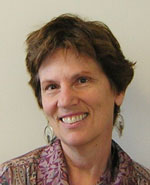
Three Boston University faculty members are at the heart of the effort. BU School of Public Health (BUSPH) Professor Gary Young and Associate Professor James Burgess, both in the Department of Health Policy and Management, are working with Arlene Ash, a research professor of internal medicine at the Boston University School of Medicine, to help design incentive systems for hospitals and physicians that will reward quality of care. The trio are working to deliver new value-based purchasing systems for hospitals and physicians that will transform medical reimbursement standards used by the Centers for Medicare and Medicaid Services (CMS), the agency which oversees more than $170 billion in Medicare reimbursements.
"We are helping to design what will be the next big paradigm for provider reimbursement in the healthcare industry," said Young, who is also chair of the BUSPH Department of Health Policy & Management and associate director of the BU-affiliated Center for Organization, Leadership and Management Research at the U.S. Department of Veterans Affairs. "We are working to develop the financial incentive system to reward quality."

"Traditionally physicians have billed for services and were reimbursed based on a fee schedule for those services," explained Young. "Under Medicare, hospital patients have been assigned to a category based on a classification system called diagnostic related groups and there has been a fixed price payment associated with that. But nowhere in the whole structure has quality come into play," he said. "Under a new value-based purchasing system, payment will be adjusted to take quality into account for the service that is provided."
The overall push to link quality of care to medical reimbursement began about a decade ago, said Young, with the publication of a report by the Institute of Medicine called "To Err is Human." The report estimated that 50,000 to 100,000 people die every year due to medical errors, and this resulted in a call to action for stakeholder groups to adopt measures that would improve patient care.
"It became quickly obvious that one of the reasons people don't get better care is because providers are not given incentives to deliver quality care or preventative care," said Young, who has spent the last seven years of his career immersed in studying the effectiveness of so-called pay-for-performance systems.
Two years ago, Young and Burgess were asked by CMS to prepare a report to the U.S. Congress about how hospital value-based purchasing could achieve the government's goal for ensuring the delivery of efficient and quality health care. They worked on that effort with colleagues at Brandeis University and at the management consulting firm Booz Allen Hamilton, but the report was tabled before it was delivered to Congress in favor of developing a more comprehensive plan that would fit in with the new Administration's health care reform agenda.
At present, Young, Burgess and Ash are working with colleagues at Brandeis University and the consulting firm Mathematica Policy Research to complete designs for value-based purchasing within the Medicare program that will cover both hospitals and physicians. As a first major step, they are working to specify the criteria for selecting quality measures for the initiative and then developing methods for combining those measures into a single quality performance index that can be used to adjust provider payments. Other steps involve developing the structure of the financial incentives, which includes dealing with issues such as whether and how to reward providers for improving their quality of care even if they fall short of the intended targets for particular measures. Additionally, the incentive system is also intended to promote efficiency in care as well as quality.
"One of the many challenges in developing separate but interrelated programs for both hospitals and physicians," says Burgess, " is the need to balance the intensity of the incentives, or how precisely to reward behavior, against the practical limitations on the means of measuring performance."
If the new incentives work as they are designed, say Young and Burgess, healthcare providers will spend more time on preventative care and effective management of chronic conditions, which should help reduce costs to the system while improving the overall health of patients.
Young, Burgess and Ash will be working on the design of the plan for at least the next 12 months as the Obama Administration makes its bid to get a major health reform bill passed though Congress. While the fate of such a bill is uncertain at this time, both Young and Burgess are confident that value-based purchasing is a concept that is here to stay.
Submitted by Sharon Britton sbritton@bu.edu
Workshop July 29: When Disaster Strikes…Is BUMC Prepared?
On July 29, Steve Morash, director of emergency planning and response at Boston University, will lead a seminar on BUMC's plan for addressing major crises at BU. This is an excellent opportunity for students, staff, faculty and administrators to learn about how the services provided by the schools and hospitals lining Albany Street would respond in the event of an emergency situation. The discussion will be followed by a team activity, where the audience will be split into four groups representing the three BUMC schools and Boston Medical Center. Each team will participate in an interactive exercise on emergency preparedness and planning.
As Director of Emergency Planning and Response for Boston University, Steve Morash is responsible for developing plans and procedures to manage emergency and disaster related issues including, ongoing threats, vulnerability and risk assessment projects, and emergency management training for staff and community members. Formerly a deputy director of the Boston Emergency Management Agency, he has been involved in numerous activations of the Boston Emergency Operations Center. In this capacity, he has coordinated Boston's response plan for the West Nile Virus, updated the city's emergency response plan and comprehensive emergency management plan, and led the Boston Urban Area Strategy Initiative to provide an integrated response in case of a weapon of mass destruction incident in Greater Boston.
Morash's presentation will be facilitated by the BU School of Public Health's Practice Office, which coordinates the School's practicum program. Public health students perform practicum fieldwork in many areas of public health, including emergency preparedness. A poster session featuring students' practicum projects will follow the workshop on July 29. All are invited to attend.
Emergency Preparedness Workshop at BUMC
Date: July 29, 2009
Time: 8:00 a.m. - 10:00 a.m.
Location: 670 Albany Street Auditorium
RSVP: Heatherly Mitch (hlmitch@bu.edu, 617-414-8423)
Please include your name, contact info and your BUMC affiliation.
Patient Journey in the UK National Health Service, topic of Grand Rounds Lecture
Rodger Charlton, MD, FRCGP, Associate Clinical Professor in Medical Education and Lead for GP Specialty Teaching at Warwick Medical School, will be speaking at the Department of Family Medicine Grand Rounds on the "Patient Journey in the UK National Health Service". The event will be held on Tuesday, July 28 from 12-1 in the Dowling Amphitheatre, at Boston Medical Center. The amphitheater is best accessed through the emergency room entrance to the Menino Pavilion on Albany Street.

Dr. Charlton is visiting Boston for the second time as part of the Boston University and the University of Warwick collaborative research partnership. He qualified in Medicine in the UK in 1983 and has also worked for a year in New Zealand gaining the FRNZCGP in 1998. His research interests are in palliative care and medical education and he has an active interest in teaching the humanities in medical curriculums. He works as both a family physician in his GP village practice in Hampton-in-Arden and as an academic leading GP undergraduate teaching at Warwick. He is also a program director for specialist postgraduate GP training locally.
BUSM and GSDM Receive $152K for Student Scholarships
Financially disadvantaged students accepted at BUSM and GSDM have reason to cheer. The Department of Health and Human Services Health Resources and Services Administration (HRSA) recently awarded BUSM $125,502 and GSDM $26,893 through the Scholarships for Disadvantaged Students program. Financially needy students from disadvantaged backgrounds enrolled full-time in health professions will be given scholarships through this program.
BUSM and GSDM will select scholarship recipients, make reasonable determinations of need, and provide scholarships that do not exceed the cost of attendance (tuition, reasonable educational expenses and reasonable living expenses).
"We are pleased to be able to offer additional scholarship funds to our students. This grant from the Department of Health and Human Services HRSA will enable us to help financially disadvantaged students attend BUSM and GSDM," said Karen Antman, MD, Provost, BUMC and Dean, BUSM.
McCahan Medical Campus Education Day Showcases Outstanding Educational Activities
The fourth annual John McCahan Medical Campus Education Day was held on June 22, 2009 at the Boston University School of Medicine. This year's event, sponsored by Boston University's Schools of Medicine, Dental Medicine and Public Health, provided participants from all three schools with the opportunity to showcase their scholarly activities in education and to learn new skills. Faculty, trainees, and staff attended workshops, a poster session, and presentations by the recipients of best poster abstracts.

Vinodh Bhoopathi, a doctoral student at the Division of Dental Public Health, and Sahil Jain, a third year medical student, both received awards for top student abstract submissions. Bhoopathi presented on "Knowledge, Attitudes, and Opinions on Bioterrorism Preparedness in Dental Professionals: A Comparative Study" and Jain presented his work on "An Innovative Medical Student Organization as a Platform to Integrate Business Awareness in Medical Education."
Jeff Markuns, M.D. from the Department of Family Medicine was awarded the best abstract by a faculty member and presented his work "International Videoconference Program for Faculty Development in Family Medicine." New awards to voluntary faculty members from the School of Medicine and the Goldman School of Dental Medicine were awarded to Drs. Barry Ginsberg, Daniel McCullough and Jerry Wortzman from the School of Medicine and to Dr. Joseph Nore from the Dental School. The School of Public Health also presented its inaugural Educational Innovation Award to Wayne La Morte, M.D., M.P.H.

The audience was treated to updates on the educational advancements in each of the schools on the medical campus by a panel of academic deans, which included Drs. Lisa Sullivan (Associate Dean of Education, School of Public Health), Michelle Henshaw (Assistant Dean for Community Partnership and Extramural Affairs, Goldman School of Dental Medicine) and Sharon Levine (Associate Dean for Academic Affairs, School of Medicine).
The highlight of the event was the keynote lecture presented by N. Karl Haden, Ph.D., founder and President of the Academy for Academic Leadership. Dr. Haden's presentation, "Critical Thinking: Where is the Evidence?" addressed the meaning and application of critical thinking. Dr. Haden presented a model for understanding the concept of critical thinking and discussed the application of critical thinking to the clinical reasoning process. Dr. Haden also gave practical suggestions about how teachers can nurture critical thinking and problem solving skills in their students.
