Student Updates
Haitian Physician Receives William A. Hinton Award
Boston resident Michele David, MD, MPH, MBA, FACP, an immigrant from Haiti, has received the 2010 William A. Hinton Award. David was selected by Public Health Commissioner Dr. John Auerbach to receive this award in recognition of her many years of activism, commitment to public health and tireless work to educate others in order that they may better understand, promote and support efforts to eliminate health inequities. David is an assistant professor of medicine at the Boston University School of Medicine, director of community health programs at Boston University Center of Excellence in Women’s Health and co-director of the Boston Medical Center Haitian Health Institute.

The award is named in honor of one of the first African-American graduates of Harvard Medical School who made tremendous contributions in the field of immunology. David is also the scheduled keynote speaker of the William A. Hinton Lecture, a collaboration between the Harvard School of Public Health and the Massachusetts Department of Public Health in observance of Black History Month. The lecture honors leaders who address challenges and improvements in health care within communities of color.
The Haitian Health Institute at Boston Medical Center (HHI at BMC) provides culturally and linguistically sensitive care for the Boston Haitian community. Under David’s direction, HHI physicians collaborate with other community organizations to provide informational health outreach though the Haitian media, to investigate barriers to health care and the means of removing those barriers, and to identity and promote strategies which encourage preventive physical and mental health.
David has focused her career on addressing issues of immigrant health and cross-cultural medicine. She has conducted research addressing health beliefs and their influence on patient views of the health care system, studying Hispanic, African American and Haitian populations. Her interests include a range of public health problems affecting communities of color. She has conducted educational campaigns on such diverse topics as respiratory illnesses, breast and cervical cancer, HIV disease, hypertension, nutrition, obesity and diabetes.
“This award comes at a time of great tragedy for me and my homeland,” said David. “I am honored to have been recognized for my work to help eliminate health inequities for people of color, however there is more which must be done.”
In 2006, David was one of four physicians chosen as a Physician Advocacy Fellow. She spent the next two years advocating for the elimination of health disparities in diverse populations while working with Health Care for All, a Boston organization that promotes the creation of a health-care system responsive to the needs of all people. In 2008, she received an Outstanding Leadership for the Associations of Haitian Physicians Abroad for her services to the organization.
Dental Faculty Awarded Board Certification
Associate Professors Dr. Hatice Hasturk and Dr. I. Alpdogan Kantarci were both named Diplomates of the American Board of Periodontology in 2009. Dr. Hasturk received her certification in May and Dr. Kantarci completed his in November.

The certification process involved comprehensive qualifying and oral examinations covering all phases of periodontal disease and its treatment, including dental implants. Both doctors began considering the certification process about four years ago. They felt it was important to their careers, and they both credit Professor and Director of the Center for Clinical Research Dr. Thomas Van Dyke—who is also a Diplomate—with encouraging them to take on the challenge.
"We both felt that it was important to earn our certifications because it would prepare us for the future and set a good example for students," said Dr. Kantarci.
Dr. Hasturk added, "Despite the fact that we focus most of our time on research, we are also clinicians, and achieving Diplomate status is the highest honor for a clinician."
Both said they learned a great deal from the experience. "This process made me feel like a better teacher, one who is more up to date on the current treatments and research," said Dr. Kantarci
He also discovered an interest in new areas of research adding, "Studying all of the clinical literature in preparation for the examinations raised many new questions for me. I have discovered the gaps between the data and clinical treatment and I am currently writing new grant proposals based on these gaps."
“Achieving Board Certification is a wonderful accomplishment and one Drs. Hasturk and Kantarci should feel very proud of achieving," said Dean Jeffrey W. Hutter.
Jan. 27 Faculty Research Symposium: "Comparative Effectiveness Research: Fact or Fiction?"
Join Lewis Kazis, professor of health policy and management, as he presents his research "Comparative Effectiveness Research: Fact or Fiction?" at the BUSPH Faculty Research Symposium on Wednesday, January 27 at noon in BUSM Instructional Building, 72 East Concord Street, Room L-112.

Members of the BUSPH community are invited to attend the Faculty Research Symposium series and learn about the diverse work their colleagues and professors are doing across the areas of public health.
Kazis, who is also director of the Center for the Assessment of Pharmaceutical Practices at BUSPH, will focus on effectiveness studies comparing the Veterans Health Administration, the nations' largest integrated health care system, with the Medicare Advantage Program, one of the major insurance components of the federal Medicare System.
Results will shed light on the impact of these two different health care systems on patient survival and health outcomes in those over 65 years of age. Future research initiatives will be described examining medication use in the Medicare system with Medicare Part D data as proxies for quality of care.
A second research initiative Kazis will present examines comparative effectiveness of angiotensin receptor blockers (ARBs) and the risk of dementia and Alzheimer's disease. Do ARBs protect against dementia and Alzheimer's disease or reduce their progression? The use of large claim databases to address these questions is described with the implications and limitations of these results.
Recommendations will be made of the import of findings from these two research projects. The implications of this type of work given the recent emphasis on comparative effectiveness studies will be described in light of the substantial federal government investment in research through the "Stimulus Package."
Faculty Research Symposium
Presenter: Lewis Kazis, professor of health policy & management
Date: Wednesday, January 27, 2010
Time: 12:00 p.m. – 1:00 p.m.
Location: BUSM Instructional Building, room L-112.
BUSM Researchers Discover Pathway Responsible for Epigenetic Memory During Breast Cancer Progression
Researchers from the Boston University School of Medicine (BUSM) have determined how the TGFβ-Smad signaling pathway, which is over activated in late-stage cancers, is responsible for the “epigenetic memory” that maintains unique patterns of regulatory DNA hypermethylation causing silencing of critical genes that facilitate breast cancer progression. The findings, which appear online in Cancer Research, may lead to the development of new therapeutic strategies for late stage breast and other cancers.
According to the researchers, it is becoming increasingly accepted that changes that do not affect the genetic blueprint or DNA sequence, known as the epigenetic landscape, play a major role in defining the properties of normal as well as the cancer cells. While specific epigenetic alterations have been associated with cancer progression, the molecular mediators that ensure transmission of these reversible alterations to successive tumor cells has been elusive.
The BUSM researchers found that the disruption of TGFβ signaling caused a corresponding decrease in the promoter DNA binding activity of DNA methyl transferase 1 leading to passive demethylation of the newly synthesized DNA resulting in expression of genes that are silenced during breast cancer progression.

“The re-expression of genes that promote cell adhesion in cancer cells upon inhibition of the Smad signaling pathway causes reversal of tumorigenic properties and puts the brakes on cancer progression,” said principal investigator, Sam Thiagalingam, PhD, an associate professor of medicine and pathology and a member of the Cancer Research Center at BUSM. “This study may pave the way to discovering other pathways and network of events that are responsible for sustaining epigenetic memory in cancer and cancer stem cells and could lead to the unraveling of effective targets for eradication of tumor cells as well as tumor initiating cells,” he added.
“While targeting of TGFβ and TGFβ receptors have been actively pursued for cancer therapy, the current finding may introduce a new spin on the wheel and lead to the development of new therapeutic strategies for late stage breast and other cancers by the direct perturbation of the Smad signaling pathway,” explained lead author Panos Papageorgis, PhD, a post-doctoral fellow in the genetics program at BUSM.
Funding for this study was provided by the Susan G. Komen for Cure and the National Institutes of Health.
Please Join in Bone Marrow Registry Monday, Jan. 25 ; a cheek swab is all it takes
A bone marrow registry is being held through the Be The Match Marrow Registry on Monday, January 25 from 11:30 am – 3 pm in the BUSM Instructional Building, room L-109A/B. A simple cheek swab is all that is needed to determine if you can help one of the thousands of patients in need of a bone marrow transplant. This registry has been organized specifically for Lorraine Witzburg, the wife of Professor of Medicine and Associate Dean and Director of Admissions Bob Witzburg, MD. Lorraine has been diagnosed with acute lymphocytic leukemia.
“Since my student days at BUSM, Dr. Witzburg has been an outstanding role model. ‘Bob,’ as he likes to be called, has always been passionate about medicine, patient care, as well as student and resident education. He has been a wonderful mentor, trusted colleague, and friend. Bob’s dedication to his family and the deep admiration he holds for his wife Lorraine, has always been a source of inspiration for me. I imagine that many of you feel likewise. It is in this spirit that we have organized a bone marrow drive in his wife’s honor,” explained Assistant Dean for Academic Affairs and Director of International Health Programs at BUSM Suzanne Sarfaty M.D.
Everyone is encouraged to join the marrow registry on: Monday, January 25, 2010, 11:30 AM – 3 PM, BUSM Instructional Building, 72 East Concord Street, Boston, Room L-109A/B
If you are unable to make it to the drive or would like to share this opportunity with friends and family, please go to: http://join.marrow.org/CM869 to join the registry. For medical guidelines for joining the registry (to determine if you are eligible), go to: http://www.marrow.org/JOIN/Med_Guidelines_Join/index.html.
If you are already registered, but still want to help out, please note that donations are welcome (each swab costs $50 but we will not be charged for this). Bob and his wife Lorraine have graciously said they would welcome donations to the Registry in lieu of gifts.
A blog has been created for students /friends/faculty to share thoughts with Bob and Lorraine. Please provide your comments via the blog. Go to http://blogs.bu.edu/lorraine for the blog.
Volunteer for Haiti, But Do It From Home
Well-meaning novices hamper island relief efforts
In the aftermath of the worst natural disaster in Haiti’s recorded history, dozens of BU’s medical and public health students, doctors, and nurses have been scrambling for ways to join the relief effort. But for at least for the next few months, said Monica Onyango, a School of Public Health international public health lecturer, most would be far more useful if they worked from home.
Addressing an overflow crowd of students and faculty yesterday at SPH, Onyango, one of three speakers at The Aftermath of Haiti’s Earthquake: Public Health’s Role, an emergency forum moderated by SPH Dean Robert Meenan (MED’72, GSM’89), outlined the realities of field work in a chaotic, ill-equipped landscape of human misery.

“The first thing you ask is, how can I help?” Onyango said. “You need to ask yourself, critically, can I handle the emotional overload? If you see a hundred dead bodies, is this something you can deal with?” If not, she warned, “You will be a burden.” Onyango reminded the group that there is no hurry to help: there will be on-site opportunities in Haiti for months and years to come. “All those cameras are going to go away, and the people will be left to their own devices,” she said.
Onyango’s comments were echoed by medical logistics consultant Libby Levison (SPH’03), who spent five months in Haiti last year under contract with Doctors Without Borders. She related some of the challenges of living and working in Port au Prince before the quake — undrinkable and intermittent water, endless traffic gridlock, electricity for at best a few hours a day. Levison was based at an obstetrics hospital set up by doctors from Holland to handle difficult cases. The staff ended up delivering between 800 and 1,200 babies a month, in a 60-bed hospital. The Port-au-Prince home Levison lived in collapsed in the quake. But Levison, who knows the Haitian capital intimately and loves Haiti’s people, will not be traveling there in the immediate future. “I’m not strong enough,” she said. “I’m not even offering. If I go now, I’ll be no help to anybody.”
Both Onyango and Levison emphatically warned that freelance volunteers, especially those with no disaster training, would only get in the way of organized efforts. Levison also urged well-meaning people not to send prescription medicines to Haiti, where they will only have to be destroyed, at a price. It is also far too soon to send clothing or goods of any kind, she said. Instead, she told the crowd that in addition to donating much-needed cash to the relief effort, there is much to be done at home. For example, she spends hours on Facebook sharing information and offering comfort to Haitian friends as well as to distraught friends in the aid community.
Mary Clark, emergency preparedness director for the Massachusetts public health department, spoke to the group about providing support and services to local Haitians. You can help get people connected, said Clark, who told the audience that the state’s 211 line explains, in French and Creole, how and where to get information. There are opportunities right now for translators, as well as mental health volunteers, 200 of whom have already had disaster training. If, as anticipated, Haitians will soon begin to seek refuge among their relatives in the United States, legal advisors and advocates will be needed to help with housing and other needs. In the months to come, the services of law students will be a big help to Haitians wanting to extend their U.S. residency under the federal government’s expanded protected status. And returning aid workers and medical volunteers will need emotional support as well.
As for offering assistance to the many grieving Haitians here at home, the clearest advice came from psychiatrist Michael Grodin, an SPH professor of health law, bioethics, and human rights and cofounder of the BU-based Boston Center for Refugee Health and Human Rights, who shared his experience treating traumatized refugees. “Don’t talk,” he said. “Just listen, listen, listen.”

Volunteer at Relief Center, an emergency resource center set up to assist the families of earthquake victims and survivors, which opens today at the Mattapan branch library on Blue Hill Avenue. Coordinated by staff from the Service Employees International Union and the Boston Public Health Commission, it provides on-site mental health counselors and other services. To help, contact haitiansupport@bphc.org. Or look for opportunities on the new BUSPH Help Haiti site.
Many individual communities are establishing their own fund drives and activities, according to Mary Clark; find volunteer opportunities here.
BU Today story written by Susan Seligso. She can be reached at sueselig@bu.edu.
BUSM, BMC Orthopaedic Surgeon Receives Prestigous Award from Orthopaedic Research and Education Foundation
Paul Tornetta III, MD, a professor and vice chairman in the Department of Orthopaedic Surgery at Boston University School of Medicine (BUSM) and the Director of Orthopaedic Trauma at Boston Medical Center, is the recipient of the 2010 Orthopaedic Research and Education Foundation’s (OREF) Clinical Research Award. Tornetta received the recognition for the paper, “Setting a New Benchmark for Collaborative Trials in Trauma: The Rationale, Design, and Execution of the Study to Prospectively Evaluate Intramedullary Nails in Tibial Shaft Fractures” (SPRINT). This paper also won the Bovill award for the best paper at the Orthopaedic Trauma Association, an award he has won four times, including this past year for a project on pelvic ring injuries.

Tornetta will receive the award at the American Academy of Orthopaedic Surgeons and the Orthopaedic Research Society annual meetings in New Orleans March 9-10. He is also the co-author of SPRINT, a paper outlining collaborative research studies about surgical approaches to closed and open tibial shaft fractures.
“My colleagues and I are extremely honored to receive this award from the Orthopaedic Research and Education Foundation,” said Tornetta, who is also the director of the Orthopaedic Residency Training program at BU. “To have this project recognized by such a distinguished organization speaks to the importance of large multicenter collaboratives and demonstrates that we can successfully answer important questions.”
Tornetta is devoted to teaching orthopaedic residents and improving the quality of patient care through research. His research interests focus on both the clinical and technical aspects of orthopaedic trauma surgery and the injured patient. His current studies involve the comparison of implants for complex knee injuries, the management and outcomes of pelvic factures, the options for managing bone defects, and many other questions in orthopaedic trauma.
A former president of the Orthopaedic Trauma Association, Tornetta is on the Board of the American Academy of Orthopaedic Surgeons. He also chairs the Instructional Course Committee. Tornetta is a deputy editor for the Journal of Orthopaedic Trauma and an editor and reviewer for the Journal of Bone and Joint Surgery, Clinical Orthopaedics and Related Research, Journal of the American Academy of Orthopaedic Surgeons and the Journal of Trauma.
Gates Grant in Hand, BUSPH Researcher Prepares to Fight Newborn Mortality in Zambia
As an infectious disease specialist, Dr. David Hamer, an associate professor of international health at the BU School of Public Health, deals in people, not percentages.
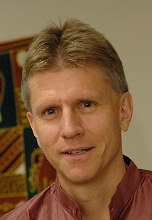
Still, when it comes to child mortality, the numbers weigh on Hamer's mind.
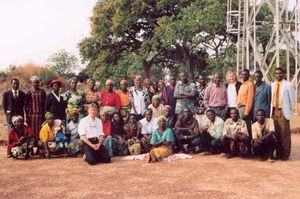
In the plus column, the number of children who die before their fifth birthdays each year has fallen below nine million for the first time on record, a significant milestone in the global effort to improve children's chances of survival. In the minus column, the proportion of those under-five deaths occurring in the first 28 days of life has climbed to 40 percent, with three-quarters of those deaths occurring in the first week of life, indicating that more needs to be done to save newborns in their earliest days.
That's where Hamer will spend the next four years focusing his attention. He will lead a team of researchers from BU's Center for Global Health and Development (CGHD), based at the BU School of Public Health, in testing whether a low-cost antiseptic wash can reduce infections of the umbilicus in the month after birth and prevent the deaths of newborns from those infections. The large-scale trial, which will be undertaken in the African nation of Zambia, is funded by an $8.4 million grant from the Bill & Melinda Gates Foundation.
Hamer will work with BUSPH researchers Katherine Semrau, Kojo Yeboah-Antwi, and Julie Herlihy. CGHD Director Jonathon Simon and International Health Professor Donald Thea will oversee the study.
Hamer recently spoke about the project and other work to reduce neonatal mortality:
Q: Why has there been so much progress in reducing under-five mortality, but not much progress in reducing neonatal deaths -- those in the first four weeks of life?
A: In the last 10 to 15 years, there's been a major push to reduce child mortality, to meet the U.N. Millennium Development Goal of a two-thirds reduction in under-five mortality by 2015. Some countries have made significant progress and will make that target; others probably won't. The major focus so far has been on addressing malaria, nutrition, pneumonia and diarrhea in those early years, which has helped to reduce those under-five deaths. But the causes of neonatal mortality are different. When we look at the first month of life, we're talking about other factors: prematurity, birth asphyxia, sepsis and hypothermia. They require different kinds of interventions.
Q: Has there been any notable progress in interventions targeted to those neonates?
A: Some, yes -- and we [at Center for Global Health and Development] have had a hand in that.
Most of the research to date has been based in South Asia – India, Nepal, Bangladesh, Pakistan – with relatively little being done in sub-Saharan Africa, which has very different ecological and socio-cultural challenges. The population in Africa is much more spread out, and there are major human resource deficits, in terms of not enough health facilities, not enough doctors. So what we've increasingly recognized is that we need to provide community-based care, through cadres of community health workers, in the absence of an institutional infrastructure. That means task-shifting.
We did that successfully with a project we undertook in Zambia called LUNESP, where we trained traditional birth attendants in the Lufwanyama district in some simple interventions to prevent hypothermia, sepsis and asphyxia in the first 28 days of life. We had some very promising results, in terms of reducing mortality. Now we're working with Save the Children and USAID to continue that program and eventually scale it up to include community-based treatment of pneumonia, diarrhea treatment with zinc, and also to integrate community health workers into managing the infant's health within that first month of life.
Q: Isn't the first step in tackling neonatal mortality to make sure that healthcare workers can identify an unhealthy vs. healthy baby?
A: Absolutely, that's the first challenge. And actually, one of the studies I was involved in -- conducted by the Young Infants Clinical Signs Study Group and published in The Lancet in 2008 -- looked at that issue. We looked at infants under two months old who were brought to health facilities in six countries, and we assessed their symptoms and clinical signs of illness. We were able to come up with seven sets of symptoms that predicted severe illness -- things like difficulty feeding, high respiratory rate, severe chest in-drawing, high temperature -- in order to give first-level healthcare workers a kind of checklist to identify infants who needed referral for potentially life-threatening illnesses. Those guidelines went to the World Health Organization and became official health policy, and were also adopted by individual countries. That was exciting.
Q: How did this new Gates grant for the umbilical cord washing project come about?
A: I was at a meeting last year, actually, and ended up talking to a representative from the Gates Foundation about our interest in neonates. The Gates Foundation is focusing on the continuum of care from the mother's health, through the early postnatal period, through childhood, and they recognize the need for interventions that can be carried out in a community setting. They were aware of our success with the LUNESP project, which was aligned with that strategy. So we were really on the same page, when it came to this new intervention -- training healthcare workers and mothers to use chlorhexidine [an antiseptic wash] to clean the umbilicus stump of newborns.
Q: How big an undertaking is the new study?
A: It's huge. We will enroll deliveries at 90 health facilities in southern Zambia and hire a team of about 150 people, many of them data collectors who will help us track what happens to these babies. Half of the neonates will have dry cord care -- a soap and water wash right after the cord is cut -- which is the standard practice in Zambia now and is recommended by the WHO. With the other half, healthcare workers, traditional birth attendants and family members will apply chlorhexidine, which has been found to reduce infection rates. There's been only one published study on chlorhexidine and cord care, in Nepal, and it found that if chlorhexidine is applied in the first 24 hours, the risk of death is significantly reduced, by close to 35 percent. So that's a positive sign.
There'll be a companion study done in Pemba Island, Zanzibar, by a team from Johns Hopkins. So by the time we're done, we'll have a lot of data. The hope is, if all the studies show that chlorhexidine has an impact on neonatal mortality, we'll be able to make the case that global policy needs to change. That's an exciting possibility.
Submitted by Lisa Chedekel
Special Public Health Forum to Discuss Haiti Earthquake Disaster Jan. 20
Dean Robert Meenan announces a special Public Health Forum to discuss the unfolding disaster in the aftermath of the recent massive earthquake in Haiti.
The forum, "The Aftermath of Haiti's Earthquake: Public Health's Role" will be held Wednesday, January 20 from 12:15 to 1:15 in BUSM Instructional building, room L-112.
Meenan will moderate the forum, which will feature a discussion lead by International Health Lecturer Monica Onyango an expert in disaster management.
Onyango teaches Public Health Management in Disasters and Complex Humanitarian Emergencies. She brings more than 16 years working in health care programs as a nurse manager, trainer and community health worker. She worked for more than 6 years with international non-governmental organizations in relief and development in Southern Sudan, Kenya and Angola, managing community health programs and training health workers. She also served in the Kenya Ministry of Health for ten years as a nursing officer in management positions at two hospitals, and as a lecturer at the Nairobi Medical Training College - School of Nursing.
Faculty, staff, students and members of the BU Medical Campus Community are encouraged to participate in the discussion, ask questions and share ideas about the best ways to help Haitians and Haiti.
Public Health Forum: "The Aftermath of Haiti's Earthquake: Public Health's Role"
Date: Wednesday, January 20
Time: 12:15 - 1:15 p.m.
Location: BUSM L-building, room L-112
Contact: msalzman@bu.edu
Boston Premiere of the Alzheimer’s Disease Film: I Remember Better When I Paint
BUSM faculty will be participating in a panel discussion following the Boston premiere of I Remember Better When I Paint, an Alzheimer’s disease documentary on the impact of art on patients. The premiere will be held on January 12, at Boston University. The film focuses on the positive impact of art and other creative therapies on people with Alzheimer’s disease and how these approaches can change the way people look at the disease. The documentary includes interviews with medical professionals who explain how creative activities engage areas of the brain that are not damaged by the disease and thus reawaken a sense of personality, identity and dignity.
BUSM faculty members participating include:
• Brandon Ally, PhD, BUSM, assistant professor of neurology, Director of Neuropsychology Research, Center for Translational Cognitive Neuroscience, Bedford VAMC
• Robert Green, MD, MPH, BUSM, professor of neurology, genetics and epidemiology and Co-Director, Alzheimer's Disease Clinical & Research Program
• Robert Stern, PhD, BUSM, associate professor of neurology and Co-Director, Alzheimer's Disease Clinical & Research Program
WHEN: Tuesday, January 12, 2010
6:00 p.m. - reception with light appetizers
6:30 p.m. - movie screening
7:30 p.m. - panel discussion
WHERE: Boston University School of Management Auditorium
595 Commonwealth Avenue, Boston, Mass. 02215
The cost of the event is $10, registration is required. For registration information click here .
This event is hosted by Boston University Alzheimer’s Disease Center and the Boston University Alumni Association, it is also co-sponsored by Artists for Alzheimer's (ARTZ), a non-profit initiative of the I'm Still Here Foundation, which creates free, Alzheimer's access programs at arts and cultural institutions internationally.