Student Updates
BU Researchers Identify Genetic Signatures of Exceptional Longevity in Re-Published Study
While environment and family history are factors in healthy aging, genetic variants play a critical and complex role in conferring exceptional longevity, according to researchers from the Boston University Schools of Public Health and Medicine, Boston Medical Center, IRCCS Multimedica in Milan, Italy, and Yale University.
Published in PLoS ONE, after peer review, the research findings are the corrected version of work originally published in Science in July 2010. The revised publication includes additional authors who independently assessed and helped to produce a valid genotype data set, for which the same analysis as in the original paper was performed. It also contains an additional replication data set of subjects with an average age of 107.
Centenarians are a model of healthy aging, as the onset of disability in these individuals is generally delayed until they are well into their mid-90s. Because exceptional longevity can run strongly in families, and numerous animal studies have suggested a strong genetic influence on life span, the researchers set out to determine which genetic variants play roles in human survival beyond 100 years of age. They used a well-established Bayesian statistical method for determining which single nucleotide polymorphisms (SNPs, or genetic variants) could, as a group, be used to categorize subjects as centenarians versus controls, based solely upon the genetic information.
The predictive sensitivity of the model they developed, which contains 281 SNPs, increased with the age of the subject, supporting the hypothesis that genes play an increasingly strong role in survival in centenarians. The model was able to predict exceptional longevity with 60 to 85 percent accuracy, depending on the average age of the replication sample that was used. The older the sample, the stronger the sensitivity.
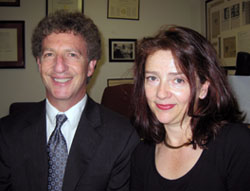
Many of the 130 known genes associated with the SNPs in the prediction model have been shown by other gerontologists to play roles in age-related diseases and aging, said the study's lead researchers, Paola Sebastiani, PhD, professor of biostatistics at the BU School of Public Health, and Thomas Perls, MD, MPH, associate professor of medicine at the BU School of Medicine.
"This is a useful step towards meaningful predictive medicine and personal genomics," said Dr. Perls, a geriatrician at Boston Medical Center. "When people can do this kind of analysis on whole genome sequences for traits that have important genetic components, the predictive value should be even better."
The new study differs from the earlier study, voluntarily retracted by the authors, in several ways: A select group of faulty SNPs was eliminated from this study ;an additional sample of extremely old study subjects was added; and researchers from Yale University were called in to independently validate the data and methodology.
The corrected study, as did the original, found that subjects who shared the same profile of variations for genetic markers in the model appeared to share similar levels of risk for various traits or diseases associated with exceptional longevity -- most notably, in their ages of survival.
"Further study of these genetic characteristics may yield a better understanding of the genetic and biological bases of delaying or escaping age-related diseases and achieving longer survival," Dr. Perls said."The novel approach to genetic data that is described here is likely applicable to other complex inherited traits, and we look forward to other research groups applying these methods to their data."
The full study is available here: http://dx.plos.org/10.1371/journal.pone.0029848
New Dental School Website Launches
As part of the GSDM Applied Strategic Plan, the Office of Communications & External Relations is pleased to share the Dental School’s new website.
The new site is dynamic and very easy to navigate. We welcome your feedback and thank you in advance for bringing any necessary adjustments to our attention.
Said Dean Jeffrey Hutter, “I am very pleased to kick off the new year with a new, updated website. The Office of Communications and External Relations, and in particular, Adrienne Callaghan did an outstanding job on this project, and I hope that you will all take a moment to visit our new site.”
Samet Installed as President of ABAM and ABAM Foundation
Jeffrey H. Samet, MD, MA, MPH, a professor of medicine and community health sciences at BUSM and BUSPH, has been installed as the president of the American Board of Addiction Medicine (ABAM) and The ABAM Foundation. Samet will serve in this volunteer position for two years. In this role he will lead ABAM in the formal certification of physicians as experts in addiction medicine, establish and accredit physician post-graduate addiction medicine training programs, and thus advance the quality of medical care for substance use disorders related to alcohol, tobacco and other addicting drugs, including some prescription medications.
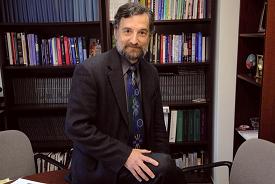
ABAM is an independent medical specialty board established in 2007 to certify addiction medicine physicians from several specialties, including emergency medicine, family medicine, internal medicine, obstetrics and gynecology, pediatrics, preventive medicine, psychiatry and others. Prior to ABAM’s formation, only one medical specialty (psychiatry) offered sub-specialized training and certification in addiction.
“Addiction medicine is a unique field, encompassing elements of a range of medical specialties that come into contact with patients with addictive disorders,” explained Samet. “We want addiction prevention, screening, intervention and treatment to become routine aspects of medical care wherever health care is provided. ABAM-certified physicians will also be able to address common medical or psychiatric conditions related to the use of addictive substances.”
DMD Students Attend Student Ambassador Program
Dean Jeffrey W. Hutter recently awarded Jenny Lorenzo DMD ‘13 and Fransheska Ovalles DMD ‘13 certificates in recognition of their attendance at the ADA 2011 Student Ambassador Program held October 2011 in Las Vegas. Assistant Dean of Students Dr. Joseph Calabrese was also in attendance and congratulated the duo on a job well done.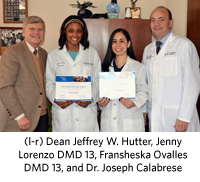
This was Lorenzo’s second time attending the Student Ambassador Program and Ovalles’s first. The focus of the program was on recruiting more underrepresented minorities to dental school. The pair learned strategies to achieve this, heard lectures on related topics, and came home with a vast array of resources. They say the next step is working with Students Affairs and GSDM chapters of student groups to find ways to implement what they learned at GSDM.
“It is very important for our students to attend and represent the Henry M. Goldman School of Dental Medicine at programs of this nature,” said Dean Hutter. “I am confident that Jenny and Fransheska did an excellent job representing us and I know they have the drive—and by working with Student Affairs, the resources—necessary to begin implementing their new knowledge at our School. I can’t wait to see what they come up with!”
Faculty Staff Assistance Office Open on Medical Campus
The Faculty Staff Assistance Office (FSAO) is now open on the Boston University Medical Campus. FSAO provides University employees with free and confidential counseling and referrals for personal or work-related issues. Bonnie Jean Teitleman directs the office and Karen Brouhard, a FSAO counselor with clinical interests that include interpersonal violence and autism spectrum disorders, works with her on the Medical Campus.


“There are many stresses that occur in people’s lives that can interfere with job performance,” says social worker Brouhard. FSAO is available to speak with employees on a variety of issues spanning from depression to substance abuse, to domestic violence, to relationship and family issues as well as work issues including conflict, performance, change, morale and leadership.
Click here to visit the FSAO website and to learn more about the services they provide. The Medical Campus office is located in the Solomon Carter Fuller Mental Health Center, 85 E. Newton Street, M-809. For more information or to make an appointment call (617) 353-5381, email or complete an online form.
Study Finds Air Pollution Linked to Increased Incidence of Diabetes and Hypertension in African American Women
The incidence of type 2 diabetes and hypertension increases with cumulative levels of exposure to nitrogen oxides, according to a new study led by researchers from the Slone Epidemiology Center (SEC) at Boston University. The study, which appears online in the journal Circulation, was led by Patricia Coogan, D.Sc., associate professor of epidemiology at the Boston University School of Public Health and the SEC.

While it is well established that air pollution increases the risks of acute cardiovascular events such as stroke and myocardial infarction, it is not known whether exposure increases the risk of chronic diseases like diabetes and hypertension. However, emerging findings from laboratory and clinical studies suggest that air pollution may predispose to both conditions.
Researchers assessed the risks of incident hypertension and diabetes associated with exposure to nitrogen oxides (NOx) and particulate matter (PM2.5) in a cohort of approximately 4,000 African American women living in Los Angeles. NOx are indicators of traffic-related air pollution. From 1995-2005, 531 incident cases of hypertension and 183 incident cases of diabetes occurred among the participants in the Los Angeles area. The risk of diabetes increased by a significant 24 percent, and the risk of hypertension by 11 percent, for each 12 ppb increase in exposure to NOx. There also were suggestive increases in risks of both diseases associated with exposure to (PM2.5), but the evidence for this was weaker than for NOx.
According to the researchers, two previous follow-up studies have suggested that traffic-related pollution increased the incidence of diabetes, but no African Americans were included. “A link between air pollution and the risks of diabetes and hypertension is of particular importance to African American women, because the incidence of both conditions is almost twice as high in African American women as in white women and African Americans live in more highly polluted areas than white Americans,” said Patricia Coogan, D.Sc., the study’s lead author. “In addition, even a modest effect of air pollutants on the risks of hypertension and diabetes will have significant public health impact due to the high incidence of these conditions and the ubiquity of exposure to air pollution,” she added.
Funding for this study was provided by the National Cancer Institute.
BUSM Researchers Identify Novel Compound to Halt Virus Replication
A team of scientists from Boston University School of Medicine (BUSM) have identified a novel compound that inhibits viruses from replicating. The findings, which are published online in the Journal of Virology, could lead to the development of highly targeted compounds to block the replication of poxviruses, such as the emerging infectious disease Monkeypox.
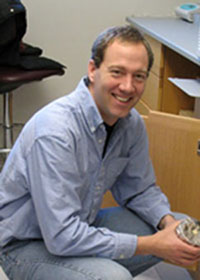
The basic research was led by Ken Dower, PhD, a postdoctoral fellow in the laboratory of John Connor, PhD, assistant professor of microbiology at BUSM who is corresponding author on the paper. They worked with Scott Schaus, PhD, associate professor of chemistry from the Boston University College of Arts & Sciences and co-principal investigator in the Center for Chemical Methodology and Library Development (CMLD). The researchers collaborated with the United States Army Medical Research Institute for Infectious Diseases (USAMRIID), who conducted the experiments involving Monkeypox at their laboratory in Maryland.
Poxviruses, such as smallpox, vaccinia virus and the Monkeypox virus, invade host cells and replicate, causing disease. Smallpox, a deadly poxvirus that killed hundreds of millions of people worldwide, was declared eradicated by the World Health Organization in 1979 after successful vaccination efforts. Recent data shows that the number of people being infected by Monkeypox is increasing globally.
Utilizing state of the art screening techniques, vaccinia and a library of chemicals from CMLD, Dower and his colleagues looked for compounds that could stop vaccinia from replicating inside human cells. They identified several. In studying how one of these compounds work, they discovered that the virus can enter the cell in its presence, but once the virus was inside, the compound inactivates an essential piece of virus machinery.
USAMRIID researchers then tested the efficacy of the chemical compound on the Monkeypox virus. Their experiments demonstrated similar results, showing that this chemical compound has the ability to inhibit different varieties of poxviruses.
“The compound we identified forces the catastrophic failure of the normal virus amplification cycle and illustrates a new drug-accessible restriction point for poxviruses in general,” said Connor. “This can help us in developing new compounds that fight poxviruses infection.”
This research was funded by the National Institutes of Health (NIH) and the U.S. Department of Defense’s Defense Threat Reduction Agency (DTRA).
Genetic Predisposition to Disease Common in Two Supercentenarians: New Study
The first-ever published whole-genome sequences of not just one, but two supercentenarians, aged more than 114 years, reveal that both unusual and common genetic phenomena contribute to the genetic background of extreme human longevity.
Data from the study -- led by researchers from the Boston University Schools of Public Health and Medicine and Boston Medical Center -- will be available to researchers around the world at the NIH data repository.
In the study, published Jan. 3 in the open-access journal Frontiers in Genetics, researchers at BU, the University of Florida, Gainesville, and The Scripps Research Institute report a comprehensive analysis of the whole genome sequences of a man and a woman, both of whom lived past the age of 114. Supercentenarians (age 110+ years) are very rare, occurring at a rate of one person per five million in developed countries, and there is growing evidence supporting a strong genetic influence in survival to such ages.
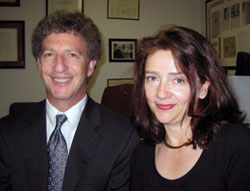
The study, led by Paola Sebastiani, professor of biostatistics at the BU School of Public Health, shows that the overall genomic architecture of these two subjects is comparable to that of other published full genomes, in terms of rates of novel variants, functional variants, and variants that predispose to common age-related diseases and common cancers. But while the two carried as many disease-associated genes as the general population, their longevity suggests other protective mechanisms at work.
For example, the male subject had 37 genetic mutations associated with increased risk for colon cancer -- indicating that he was in no way immune to that age-related disease. "In fact, he had presented with an obstructing colon cancer earlier in his life that had not metastasized and was cured with surgery. He was in phenomenal cognitive and physical shape near the time of his death," said Dr. Thomas Perls, director of the New England Centenarian Study and senior author of the article.
The female supercentenarian also had numerous genetic variations associated with age-related diseases, including those related to increased risks for Alzheimer’s, cancer and heart disease. She did have congestive heart failure and mild cognitive impairment, but these diseases did not become evident until after the age of 108 years.
"The presence of these disease-associated variants is consistent with our and other researchers’ findings that centenarians carry as many disease-associated genes as the general population,” Perls said. "The difference may be that the centenarians likely have longevity-associated variants that cancel out the disease genes. That effect may extend to the point that the diseases don’t occur -- or, if they do, are much less pathogenic or markedly delayed towards the end of life, in these individuals who are practically living to the limit of the human lifespan.”
In support of this conjecture, Sebastiani and colleagues identified more than 50 putative longevity-associated variants in genes that determine two forms of progeria (an accelerated aging disease), and genes linked to cardiovascular disease and Alzheimer’s disease. The authors highlighted the importance of performing follow-up studies to determine the impact and function of these genetic variants and their role in regulating health span, as well as life span.
The findings of the study suggest that unusual genetic phenomena and a combination of rare and common genetic variants contribute to the genetic background of extreme human longevity, the authors said.
“The study of these two supercentenarians is just the beginning, and genetic study of many more such subjects needs to be performed," said Perls. A number of such endeavors are underway, on a larger scale, including the Archon Genomics X Prize and a collaboration between Complete Genomics, Inc., The Scripps Translational Science Institute, and other institutions.
The full study is available here.
Boston University Researcher Awarded Two NIH Grants
Patricia F. Coogan, ScD, an associate professor of epidemiology at Boston University’s Slone Epidemiology Center (SEC), recently was awarded funding for two grants from the National Institutes of Health. The first is a five-year grant from the National Institute of Environmental Health Sciences that will study air pollution and risk of incident hypertension and diabetes in African American women. The second award is for a three-year study on the psychosocial factors and the risk of incident asthma in African American women, funded by the National Heart, Lung and Blood Institute.

Using data from the SEC’s Black Women’s Health Study (BWHS), Coogan and her colleagues will estimate long-term participant exposure to traffic-related pollutions as indicated by PM2.5 and the nitrogen oxides (markers of traffic-related pollution). The study will be the first investigation of the effect of air pollution on incidence of hypertension, the first large-scale investigation of its effect on diabetes incidence, and the first study of air pollution effects specifically in African American women.
According to Coogan the hypotheses are of critical public health importance given the high and growing prevalence of hypertension and diabetes in the U.S., the disparity between incidence rates among African American and white women, and the ubiquity of exposure to air pollution. “Positive findings will inform public policy on air quality regulation, provide insight into a novel pathway whereby air pollution causes cardiovascular events, and illuminate causes of racial disparities in hypertension and diabetes incidence,” said Coogan.
In the second study, Coogan again will use data from the BWHS to prospectively estimate the influence of experiences of racism, violence during childhood and adolescence, depressive symptoms and neighborhood characteristics including socioeconomic status and racial segregation, on asthma incidence. This is the first prospective study to consider the effects of these psychosocial exposures on the incidence of adult asthma in African American women.
“Psychosocial factors may be of particular importance in asthma incidence in black women because the prevalence of experiences of violence, racism, depression, and living in disadvantaged neighborhoods are higher than in white women. If such experiences increase the risk of adult onset asthma, they may contribute to the racial disparity in asthma morbidity,” explained Coogan. She believes positive results may direct intervention efforts to address stressors and may motivate further mechanistic studies of how chronic stress leads to asthma.
The BWHS is the largest follow-up study of African-American women yet undertaken; 59,000 black women, ages 21-69, from all areas of the U.S. who enrolled in the study in 1995 have been followed since then. In addition to diabetes, hypertension and asthma, other conditions of particular interest are lupus erythematosus, uterine fibroids, sarcoidosis and preterm birth.
All I Want for Christmas is My Two Front Teeth
Shivali Gohel DMD ‘12 presented her Grand Rounds case titled, “All I Want for Christmas is My Two Front Teeth,” on Dec. 14, to a packed auditorium of students, faculty and staff. The presentation focused on a 24 year-old female patient that she treated during her externship at Blackstone Valley Community Health Care from July 25 to Sept. 30. Her preceptor was Dr. Lalita Bhatticharya. 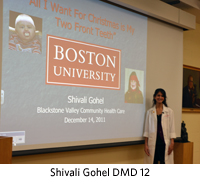
Gohel’s patient was suffering from a case of aggressive periodontitis, which is very rare and affects only two percent of the African American population, one percent of the Hispanic population, and 0.1 percent of the Caucasian population. Gohel’s patient was Hispanic and likely had a genetic predisposition to aggressive periodontitis, as others in her family suffered from the same disease.
Dr. Carl McManama, who served as moderator, said, “Shivali’s presentation has real value, as it is about a problem you don’t see very often as a general dentist. I’ve personally only seen one significant case of aggressive periodontitis, when I was a senior in dental school, and I haven’t seen another case since.”
The patient’s chief complaint was that she wanted her front teeth to look better. She was reluctant to smile and had been for some time. The patient was completely healthy except for the aggressive periodontitis—she had good oral hygiene, showed up regularly for appointments, and never had a cavity. However, as a result of the disease she suffered from severe bone loss and recession, impacted mandibular molars, anterior crowding, cross bite issues, and poor esthetics.
A very composed Gohel explained to the audience that her accepted treatment plan included diagnostic procedures, addressing the emergent problems, scaling and root planning on four quadrants, extractions of the effected teeth, immediate transitional partial dentures, and then cast partial dentures. Another treatment plan that she devised ended with placing implants instead of cast partial dentures. The patient selected the cast partial dentures plan based on concerns related to finance, time, and compliance.
“As a dental student I felt good about treating this patient, however I can’t say I felt great about extracting so many teeth from a 24-year-old,” said Gohel. “But the patient healed nicely and was smiling more after receiving the immediate partial dentures.”
The patient is currently saving up for her cast partial dentures and Gohel is cautiously confident that she will continue to comply with her accepted treatment plan and follow-up visits.
Aggressive periodontitis is rare and therefore not widely documented. As a topic for Grand Rounds it generated a great deal of discussion among the audience on the risk vs. reward of potentially placing implants in this patient, as well as the treatment of the disease itself.
Submitted by Laura Mackin, GSDM Communications.