Program Curriculum
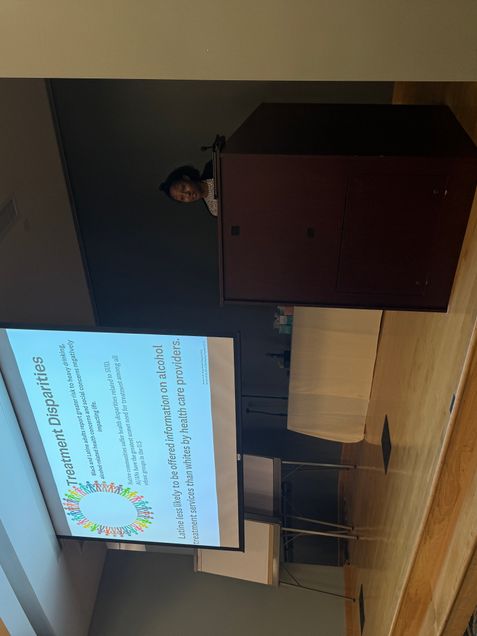
The curriculum includes key advances in clinical addiction medicine through lectures, case discussions, skills practice, visits to support groups and syringe services, small group meetings with individuals in recovery, Naloxone administration, and one-on-one mentoring for developing a Substance Use Teaching Project.
Addiction Science
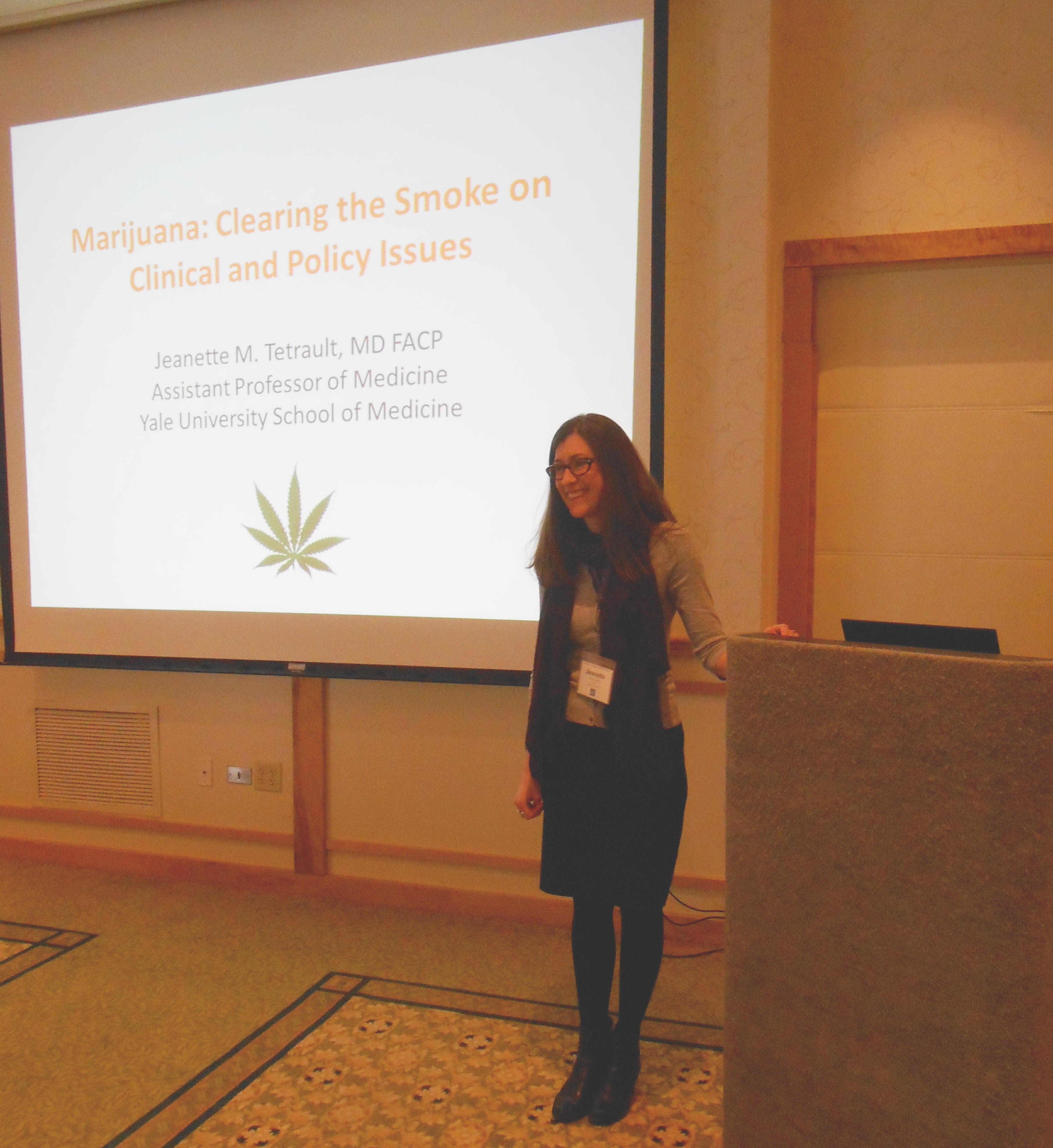
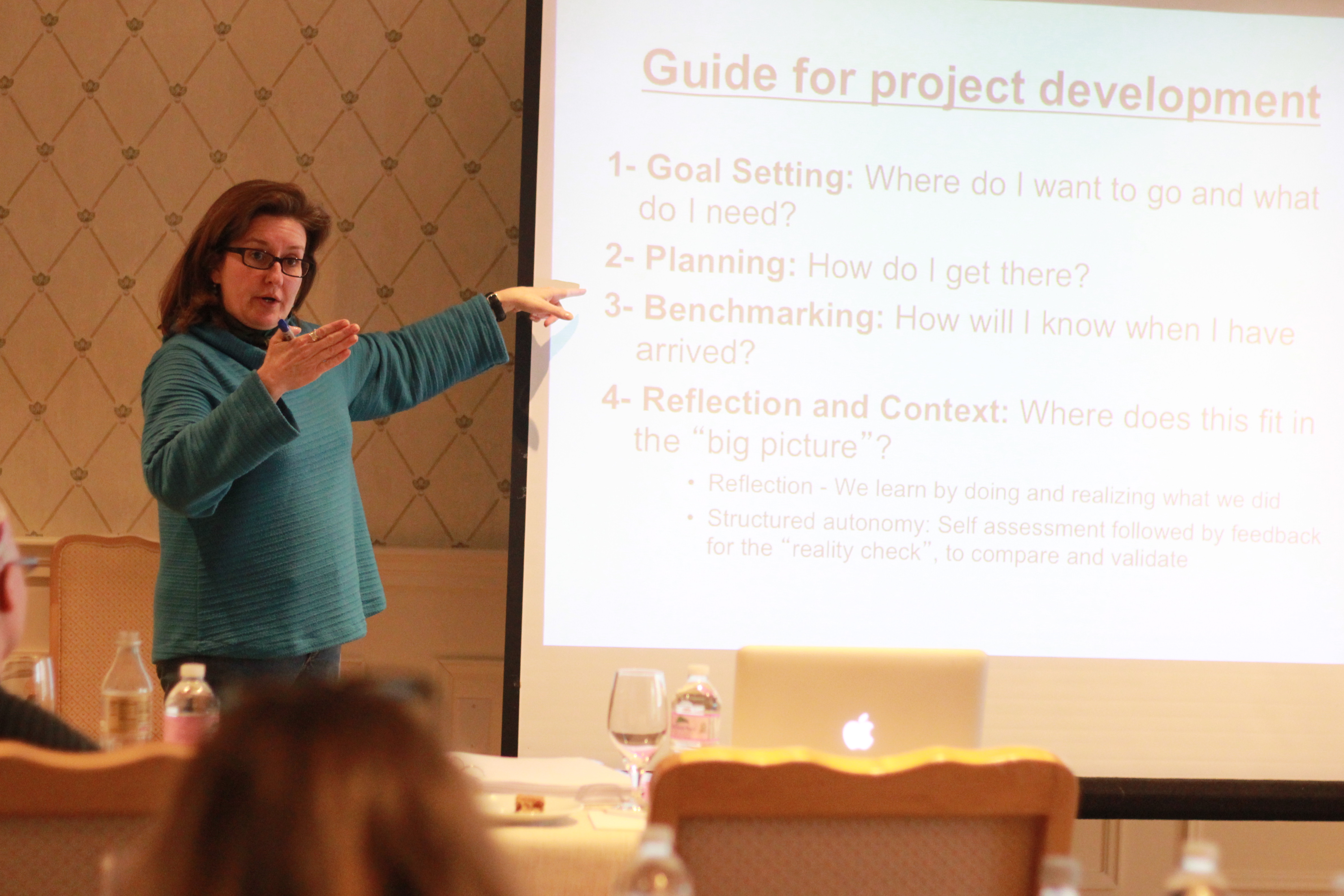
- Epidemiology and neurobiology
- Pharmacology of drugs and alcohol
- Substance-related health conditions
- Impact of drugs on racially and ethnically minoritized populations
Clinical Practice

- Screening, assessment, and brief intervention
- Motivational interviewing
- Treatment approaches (e.g., pharmacotherapy)
- Relapse prevention
- Pain management in patients with a substance use disorder
- Safer opioid prescribing for pain
- Optimizing safety in people who use substances
- Overdose education and naloxone distribution
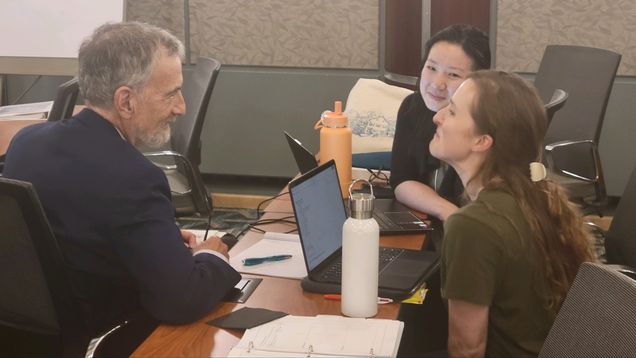
- Criminal justice involvement and health impacts
Teaching Skills
- Incorporating addiction medicine into a residency curriculum
- Effective teaching techniques (e.g., teaching the reluctant learner, giving feedback to learners)
Research Exposure
- Review of clinically relevant addiction medicine research
- Exploration of career opportunities in addiction medicine research
Mentoring Skills (for faculty participants)
- Review goals and approaches for effective mentoring
- Practice mentoring techniques
- Support chief resident in their development of a Substance Use Teaching Project
Program Evaluation
Participants are expected to complete a series of evaluation instruments to help us gauge the effectiveness of the program. For Chief Residents this process includes a baseline survey as part of the application; a pre- and post-test and a post-training survey while at the training; four bi-monthly logs about teaching addiction medicine; a six month follow-up; and a brief final survey at around 10 months following the training. Faculty Mentors and Junior Faculty complete variations on a subset of these. Responses are confidential, and data are aggregated across participants.