Student Updates
School of Dental Medicine Celebrates 50th Anniversary: Home to scholars, community activists, and miracle workers

To his patients, Pushkar Mehra is a miracle worker. He is one of five doctors in the country who performs a 3-step, 10-hour surgery that takes apart and reconstructs a patient’s lower face—deformed by congenital growth problems, tumors, or diseases like lupus or rheumatoid arthritis. The surgery restores patients’ ability to eat, speak, sleep, and breathe normally.
And the most surprising part of Mehra’s job is his title: dentist.
“You would think I’m a plastic surgeon, but plastic surgeons have no clue how to put things together that are eggshell,” says Mehra (SDM’95,’99), a School of Dental Medicine associate professor, chair of oral and maxillofacial surgery, and associate dean for hospital affairs. “The only way you build it is by putting the teeth together first.”

Mehra is part of a long line of specialists, researchers, and community activists who have helped distinguish the Boston University Henry M. Goldman School of Dental Medicine, which is marking its 50th anniversary this year. The school kicked off its yearlong celebration at a Boston reception on February 1 and will be hosting events through November 30 at sites in the United States and abroad.
Jeffrey Hutter, the Spencer N. Frankl Professor in Dental Medicine and dean of SDM, proposed the yearlong celebration as a way to recognize the major milestone and to pull together the school’s 6,500 alumni spread out across 55 countries and in every state except Wyoming. (That means no anniversary events in Cheyenne.)
An accomplished oral pathologist and periodontist, Henry Goldman started the Division of Stomatology within the BU School of Medicine in 1958, and on October 16, 1963, he signed the charter that created the dental school, according to Thomas Kilgore, an SDM professor of oral and maxillofacial surgery and chair of the 50th anniversary planning group. Hutter hopes to reenact that signature at a fall birthday party, complete with cake.
Initially, the dental school offered only postdoctoral programs in a handful of specialties, including pediatric dentistry, endodontics, orthodontics, periodontology, and oral and maxillofacial surgery. Goldman “raided Harvard liberally,” Kilgore says, to fill leadership positions at the new school, scoring specialists like oral and maxillofacial surgeon Donald Booth and orthodontist Anthony Gianelly. In those days, specialists spent more time in private practice than they did teaching. That changed in 1972, when the school accepted its first predoctoral class as the federal government pushed universities to open more slots to regular dentists.

Pediatric dentist Spencer Frankl, who was associate dean at the time, managed the transition as professionals took on greater teaching loads, and the school secured a $1.1 million federal grant for construction to accommodate the program. In 1976, Frankl was appointed dean designate, and in 1977 he was installed as dean and deputy director of Boston University Medical Center.
Frankl also introduced the school-without-walls concept, launching service projects that sent dental students beyond campus as early as their first year to provide services to low-income patients. The dental school now runs 5 citywide prevention programs and operates in 59 public schools in Boston, Chelsea, Framingham, Natick, and Lawrence, providing students with dental screenings, fluoride applications, and oral health education.
“We are very much mindful of the fact that we are a real part of Boston,” Hutter says. “We want to support the children in inner city schools.”
Dental students have also done rotations through Dorchester’s Codman Square Health Center , served a remote population in Bethel, Alaska , and volunteered on service trips to Nicaragua, India, and Mexico to fill cavities and pull teeth for patients, some of whom had never visited a dentist.

Hutter was appointed SDM dean in 2008 after serving as ad interim dean for a year after Frankl died. One of his most important contributions is the school’s shift from an individual to a group teaching model. Under faculty guidance, students are assigned to a team practice that includes first- through fourth-year DMD students, a postdoctoral student from each specialty, and first- and second-year advanced standing students (who have dental degrees earned in foreign countries). The responsibilities of first-year dental students are limited to taking a patient’s blood pressure and learning the ins and outs of an examination, while more advanced students practice the procedures they’ve learned in the school’s Simulation Learning Center , which offers virtual patient care experiences.
“Our hope is that it will bring true excellence to our clinical program and be the best thing for our patients,” Hutter says. Kilgore thinks the new approach will build faculty’s management skills, while allowing them to develop stronger relationships with their students.

Hutter says the new teaching model will also inform the design of a new dental school building, which could receive University and city approval within the next five years.
Meanwhile, faculty members continue to push the boundaries of dental research. Eva Helmerhorst, an associate professor of periodontology and oral biology, has discovered that bacteria in the mouth are a rich source of enzymes capable of digesting gluten—a finding that could help people allergic to the protein or who have celiac disease.
And Russell Giordano, an associate professor of restorative sciences and biomaterials and director of biomaterials, has developed a hybrid ceramic that is more fracture-resistant than commonly used materials and can be used in computer-aided design and computer-aided manufacturing (CAD/CAM) systems that produce crowns, veneers, or other dental fixes while a patient waits in the chair.
Bottom line, says Hutter—there’s more to SDM than a casual observer might think, and possibly that’s part of the charm of dentistry. For his part, Mehra chuckles at reality shows about extreme makeovers and considers how his patients’ lives have changed after a day’s worth of surgery.
But Mehra has no desire to be on TV: “I just like patient and family gratification.” Spoken like a true dentist.
This BU Today story was written by Leslie Friday.
Chief and Chair of Psychiatry Honored by Massachusetts Association of Mental Health

Domenic Ciraulo, MD, chief and chair of psychiatry at Boston Medical Center (BMC) and Boston University School of Medicine (BUSM) has been selected as one of the co-recipients of the inaugural Drew-Foley award by the Massachusetts Association of Mental Health (MAMH). The award was presented at the centennial anniversary of the MAMH Friend and Leader/Spirit of Compassion Reception on May 2.
This award is named after two former MAMH members, Paul Drew and Jim Foley, who were compassionate advocates for mental health care and advancement in the field of psychiatry. Drew served as the former executive vice president of BMC.
“I am honored to be a co-recipient of the first Drew-Foley Award. With their leadership and support our department was able to provide behavioral health programs to Boston’s neighborhoods,” said Ciraulo. “Whether responding to the drug problems with our city’s youth, or developing innovative programs for the mentally ill, we continue to support their work today,” he added.
With research support from the NIAAA, NIDA and the Department of Veterans Affairs, Ciraulo leads a research team that studies alcoholism and addiction with a focus on medication development, the interaction of psychosocial therapy and medication therapy, neuroimaging and clinical psychopharmacology. He has authored and co-authored more than 150 papers and has co-edited five books.
Ciraulo has served on national committees including FDA advisory panels, NIH scientific review groups and the American Psychiatry Association’s Council on Addiction Psychiatry. He is associate editor of the Journal of Clinical Psychopharmacology and a member of the editorial board of the American Journal of Drug and Alcohol Abuse.
A graduate of Georgetown University School of Medicine, Ciraulo completed his psychiatric residency at the Institute of Living at Hartford Hospital. Chief resident at the Somatic Therapies Unit of Massachusetts Mental Health Center, he also completed a Clinical Fellowship in Psychiatry at Harvard Medical School.
The Massachusetts Association of Mental Health is a private, not-for-profit tax-exempt corporation that is a leading voice for the creation of services for people with mental illnesses. The MAMH helps promote and advance community based housing, education, health care, employment and treatment for children, adolescents and adults with mental illnesses or emotional disorders. Its aim is to increase knowledge about mental illnesses and the effectiveness of treatment through educational outreach to the public at large or to specific segments, and to promote healthy life styles and behavior through preventative services and programs directed at children and adolescents. Since 1913, the MAMH has been recognized as an independent information resource within the mental health community.
Patient Centered Medical Home Helps Assess Social Health Determinants and Promote Health
Physicians from the Departments of Pediatrics and Family Medicine at Boston Medical Center (BMC) and Boston University School of Medicine (BUSM) are proposing that current pediatric guidelines and practices could be implemented within a Patient Centered Medical Home model to address social determinants of health. The article, published in the Journal of the American Medical Association (JAMA), also suggests that these guidelines could reduce socioeconomic disparities in health care for all patients.
Arvin Garg, MD, MPH, assistant professor of pediatrics at BUSM and pediatrician at BMC, served as the study’s first author. Barry Zuckerman, MD, professor of pediatrics at BUSM and a pediatrician at BMC, and Brian Jack, MD, Chief and Chair of Family Medicine at BMC and BUSM, were the article’s co-authors.
A Patient Centered Medical Home (PCMH) is a comprehensive and coordinated health care model in which a team of providers coordinate all of the patient’s health needs, including management of chronic health conditions, visits to specialists, hospital admissions and routine health screenings. Socioeconomic disparities continue to play a role in the health of children and families. Previous studies have shown that the environment in which a patient lives can impact their health, and these factors have historically been managed by public health and community organizations. However, a PCMH model allows for physicians to play a role in examining the social determinants of health in order to assess and treat patients with a more holistic approach and improve population health.
The authors list five recommendations to help address social context of patient care within the PCMH model: making social determinants of health an important aspect of clinical guidelines; screening for particular social determinants at medical visits; helping patients and families access community based resources, such as Women, Infants, and Children (WIC), job training and food pantries; implementing “outside the box” multidisciplinary primary care interventions, such as programs like Reach out and Read, the Medical-Legal Partnership and Health Leads (developed at BMC); and integrating home visiting programs to better understand living conditions.
They suggest that the implementation of these guidelines will provide important data about the types of services necessary to improve population health. Additionally, the indicators related to social determinants of care may some day become part of pay for performance and quality evaluation metrics of the medical home model.
“Overall, implementing social determinants of health within the PCMH model will potentially reduce socioeconomic disparities in health that continue to exist today and ultimately improve the health care system, especially for PCMH’s that serve low-income patient populations,” said the authors.
The authors note that the “medical home” is not a novel concept in the world of pediatrics. Current guidelines and practices within pediatrics now address social risks of populations and these guidelines are adaptable to adult and elderly populations within the medical home as well.
Virtual Patient Advocate Delivers Preconception Care to Improve Pregnancy Outcomes
Results of a pilot study suggest that a virtual patient advocate (VPA) could help influence positive changes and help women have healthier pregnancies. Developed at Boston University School of Medicine (BUSM), Boston Medical Center (BMC) and Northeastern University, “Gabby” (pictured below) is an innovative tool developed to deliver preconception care (PCC) to African-American women through interactive conversations online.
The study results, which are published online in the American Journal of Health Promotion, suggest that Gabby could help identify risk factors and influence positive changes in women before they conceive and decrease the risk for adverse birth outcomes. Paula Gardiner, MD, MPH, assistant professor at BUSM and family medicine physician at BMC, is the paper’s first author. Brian Jack, MD, chief and chair of family medicine at BMC and BUSM, respectively, is the paper’s senior author. Timothy Bickmore, PhD, associate professor in the College of Computer and Information Science at Northeastern, collaborated on this study and led the development of the software on which Gabby is based.

PCC addresses family planning, medical conditions and preventive behaviors in a primary care setting. The Centers for Disease Control and Prevention (CDC) developed evidence-based best practice guidelines for PCC, but there is a need for more comprehensive PCC implementation. Statistics show that approximately half of pregnancies in the U.S. are unplanned. According to the CDC, the fetal mortality rate for non-Hispanic African-American women in 2005 was 2.3 times the rate for non-Hispanic white women.
“Because approximately half of pregnancies in the United States are unplanned, delivering preconception care during general wellness visits could help reduce infant and maternal mortality rates,” said Gardiner.
In order to develop a VPA that participants could identify with and trust, researchers conducted usability studies to gather recommendations from participants about the name, gender and physical appearance of the VPA. Previous research has shown that African-Americans prefer a VPA who is their same race and gender, and the results of these studies also indicated that participants would feel comfortable discussing PCC health topics with a VPA who was a young, female health care provider. These results helped the researchers create Gabby.
Women between the ages of 15 and 25 interact and engage with Gabby online by answering her questions about current health habits and conditions. Through this interactive dialogue, where participants can pick from answers or write in their own, Gabby screens for PCC risks, educates the participants about their risks and assesses whether they are ready to make lifestyle changes to decrease their risks. Based on participant’s responses, Gabby helps create a custom “My Health To-Do List,” which users can review and share with their providers.
(Click here to see a video of Gabby)
Participants reported an average of 23 preconception risks. In the two-month pilot study, 83 percent of the risks added to the “My Health To-Do List” were either addressed or resolved by the users by the end of the pilot. For example, if a woman identified that she was not taking folic acid at the beginning of the pilot but had bought a folic acid supplement, she had addressed the risk. If she started taking it by the end of the pilot, she had resolved the risk. Therefore, Gabby was effective in helping those who were contemplating behavior change to move forward and take action.
The participants indicated that the Gabby system is a valuable addition to their health care routine and could be used either to prepare for an appointment with a provider or to reinforce information discussed during an appointment. They found Gabby trustworthy and reliable and found that she provided helpful information in an appropriate amount of time. The results also show that Gabby addressed some barriers to translating PCC best practices to clinical care, such as ease of delivery and patient acceptability.
“These results suggest that using Gabby as a PCC tool could be effective in helping deliver PCC to African-American women," said Jack.
The researchers are working to expand on these results and have been recruiting for a randomized control trial to test whether participants who receive PCC with Gabby will have fewer preconception risk factors after six months than participants in a control group. They will enroll 100 young African-American women from across the country.
This research was supported by the Agency for Healthcare Research and Quality under contract number HHSA 290-06-00012-7 (Principal Investigator: Jack); the Bureau of Maternal and Child Health in the Health Resources and Services Administration under grant award # R40 MC21510-01 (Principal Investigator: Jack); and the National Institute of Health’s National Center for Complementary and Alternative Medicine under grant award # K07AT005463-01(Principal Investigator: Gardiner).
Darrell Kotton Receives Alpha-1 Project Support to Expand iPSC Development
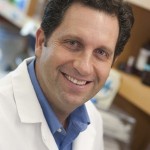
The Alpha-1 Project (TAP) announced a $150,000 commission to Darrell Kotton, MD, to expand development of induced pluripotent stem cell (iPSC) lines created from tissue donated by patients with Alpha-1 Antitrypsin Deficiency (Alpha-1). Kotton is Professor of Medicine and Co-director of both The Alpha-1 Center and the Center for Regenerative Medicine at Boston University School of Medicine and Boston Medical Center.
“We are happy to announce The Alpha-1 Project’s investment in providing tools for researchers and industry,” said Jean-Marc Quach, Executive Director of TAP. “This commission signals our intent to direct research and resources aimed at speeding the development of new therapies for Alpha-1. I must emphasize that additional funds will need to be raised from the community if Dr. Kotton is to meet the goal of completing 20 stem cell lines over the next three years.”
Kotton plans to make the Alpha-1 iPSC lines available to all researchers interested in studying stem cell technology and possible therapies for Alpha-1.
"We're excited to expand our research resource portfolio for the international investigator community with the leading-edge technology of these cell lines,” said John Walsh, President and CEO of the Alpha-1 Foundation and member of TAP’s board of directors. “Dr. Kotton is a leader in Alpha-1 research and in sharing his findings with other researchers. He has created a best-in-class Clinical Resource Center and set an example of embracing our community by his participation in conferences and inviting Alphas to tour his lab, meet his colleagues, and participate in his clinical research. We're committed to raising the additional funds to promote access to this incredible resource."
The development of the stem cells is exciting in part because, unlike embryonic stem cells, they are created from cells donated by living adults with Alpha-1. Since iPSC cells are undifferentiated, they can be induced to grow into various organ cells.
Kotton is well known for championing "open source" biology, sharing his findings, cells, reagents, and ideas with other researchers. In 2012, he and Jayaraj Rajagopal, MD, at Massachusetts General Hospital and Harvard Stem Cell Institute, announced that their teams had collaborated to develop new ways to turn stem cells into different types of lung tissue, surmounting a major hurdle in trying to harness the power of stem cell biology to study and develop treatments for major lung diseases.
“We are grateful to The Alpha-1 Project for its support, and we hope that the Alpha-1 iPSC bank will serve as an international resource for all those dedicated to advancing Alpha-1 research,” said Kotton. “Each cell line represents an essentially inexhaustible source of tissues derived from a tiny donated blood or skin sample from 20 individuals with Alpha-1. These cells can be shipped to any investigator interested in modeling Alpha-1 liver and lung disease in their own laboratories. We hope that this type of community-wide effort will one day accomplish our shared mission of finding better treatments for this inherited disease.”
Kotton currently has three cell lines developed from patients, which he freely shares with the global academic research community. The 20 additional cell lines will represent many different Alpha-1 phenotypes and genotypes.
Kotton, together with his Boston University colleague, Andrew Wilson, MD, in 2011 founded The Alpha-1 Center, focused on complete care of patients with Alpha-1. The two colleagues also direct joint basic science laboratories with a history of advancing Alpha-1 related research.
The Alpha-1 specialists at BU’s Alpha-1 Center are among more than 70 Alpha-1 Foundation Clinical Resource Centers across North America.
About The Alpha-1 Project
Mission statement: The Alpha-1 Project will work with patients, academia, pharmaceutical and biotech companies, and public health organizations in the relentless pursuit of cures and therapies for COPD and liver disease caused by Alpha-1 Antitrypsin Deficiency. For more information, visit www.thealpha-1project.com. The Alpha-1 Project is a wholly-owned for-profit subsidiary of the Alpha-1 Foundation. For more information on the Foundation, visit www.alpha-1foundation.org.
Advocating for Women Scientists: Medical School Dean Wins 2013 Margaret L. Kripke Legend Award
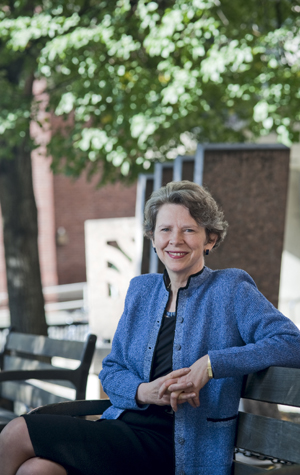
Karen Antman, provost of the Medical Campus and dean of the School of Medicine, has won the 2013 Margaret L. Kripke Legend Award for Promotion of Women in Cancer Medicine and Cancer Research. The award, which was given by the University of Texas MD Anderson Cancer Center, recognizes scientific and medical leaders who have made extraordinary efforts to hire diverse workforces, promote women to leadership roles, nominate women for awards, and help to advance their careers.
“Dr. Antman’s accomplishments set a very high bar that signals to women faculty that leadership positions such as hers are obtainable,” says Elizabeth Travis, associate vice president of women faculty programs at the MD Anderson Cancer Center. “Walking in Margaret Kripke’s footsteps, she’s an ideal Legend Award recipient.”
“The Kripke award is a tremendous honor,” says Antman. “Margaret Kripke is a pioneer who opened doors for me and many other women in medicine and science. As president of the American Association for Cancer Research (AACR), she gave me the first opportunity to be an AACR program chair, and I’ve always regarded her as a role model.”
An expert on breast cancer, mesotheliomas, and sarcomas, Antman developed a standard treatment regimen for sarcomas of the bone and soft tissue, and conducted groundbreaking research on blood growth factors. She has been an outspoken advocate on public health policy issues, and she fought for insurance coverage for patients involved in clinical trials. She has also testified before Congress on the need for federal research dollars to support cancer research.
Under Antman’s stewardship, MED strives to ensure that deserving women are nominated for professional awards and societies and pushes for a multicultural campus. Because studies show that diverse companies outperform those that are not diverse, Antman says, “achieving diversity among students, staff, and faculty can improve the learning environment for all.”
At MED, women make up 45 percent of the faculty, while the median for U.S. schools of medicine is 35 percent. Antman cites other efforts: MED reviews salary versus years-in-rank and regularly corrects outliers for both women and men, the school carries a banner in the Boston LGBT parade , and it has an Office of Diversity and Multicultural Affairs, led by an associate dean and several assistant deans.
“Among students, we are at the 85th percentile in the fraction of our graduates between 2006 and 2011 who are Latino and 75th in the fraction who are African American,” Antman says. “Our graduates consistently rate their instruction in culturally appropriate care for diverse populations above the 85th percentile.”
Before coming to the School of Medicine, Antman was the deputy director for translational and clinical sciences at the National Cancer Institute of the National Institutes of Health. She also worked for more than 10 years on the faculty of the Columbia University College of Physicians and Surgeons, where she was Wu Professor of Medicine and Pharmacology and was voted Senior Faculty Teacher of the Year by her medical residents. At Columbia she was also director of the Herbert Irving Comprehensive Cancer Center, a National Cancer Institute–designated cancer center. She has been on the faculty of Harvard Medical School and has had hospital appointments at Boston’s Brigham and Women’s Hospital, Dana-Farber Cancer Institute, and New York–Presbyterian Hospital.
Antman has served as president of the AACR, the American Society of Clinical Oncology, and the American Society for Blood and Marrow Transplantation. She was an associate editor of the New England Journal of Medicine for seven years and has been on the editorial boards of several other major medical journals.
The Kripke Award was established in honor of Margaret Kripke, a University of Texas professor emerita and distinguished scientist who achieved many firsts for women at MD Anderson, eventually becoming executive vice president and chief academic officer. Previous winners include Nancy Hopkins, the Amgen, Inc., Professor of Biology at the Massachusetts Institute of Technology, Edward J. Benz, Jr., president of the Dana-Farber Cancer Institute and director of the Dana-Farber/Harvard Cancer Center, and Janet Rowley, the Blum-Riese Distinguished Service Professor of Medicine, of Molecular Genetics and Cell Biology, and of Human Genetics at the University of Chicago Medical Center.
For young women in medicine, science, and academia, Antman has some advice: “Academia first requires being nationally or internationally recognized as an expert in your field,” she says. “Becoming such an expert in an emerging area of investigation is easier than competing with experts with decades of experience in established areas. Publishing and presenting your work at national meetings helps build your reputation. And serving on professional society committees also helps to keep you aware of what is going on nationally and internationally. Besides, it’s fun.”
This BU Today story was written by Amy Laskowski.
Gay Parents As Good As Straight Ones; MED prof’s finding comes as Supreme Court weighs same-sex marriage

When the Supreme Court took up the issue of gay marriage last month, Justice Antonin Scalia claimed that experts debate whether same-sex parents are bad for children .
“There’s considerable disagreement among sociologists as to what the consequences are of raising a child in a…single-sex family, whether that is harmful to the child or not,” Scalia declared.
Benjamin Siegel says Scalia’s contention is—not to get too technical—baloney.
Siegel, a School of Medicine professor of pediatrics, coauthored a report, published by the American Academy of Pediatrics the week before the court case, arguing that three decades of research concur that kids of gay parents are doing just fine.
“Many studies have demonstrated that children’s well-being is affected much more by their relationships with their parents, their parents’ sense of competence and security, and the presence of social and economic support for the family than by the gender or the sexual orientation of their parents,” Siegel writes with coauthor Ellen Perrin, a Tufts University professor of pediatrics and director of developmental and behavioral pediatrics.
In an interview with BU Today, Siegel acknowledges the limits of all this research: none of the studies has been a randomized, controlled trial—the Holy Grail of scientific investigation—and all studies of gay parenting are necessarily small, since there aren’t many gay parents. The report cites estimates that gay couples and single parents are raising almost two million American children.
Those caveats notwithstanding, “the preponderance of evidence” says Scalia’s fears are groundless, Siegel says. Does he expect the report to influence either the high court or state legislatures debating gay marriage and adoption? “That’s my hope,” he says, “and I must say, it’s not a political hope. It’s a scientific hope.…That it will put an end to questioning that people who are homosexual cannot raise children or be foster or adoptive parents.”
Siegel says in the Washington Post, one of several major media that picked up his report, that “we’re never going to get the perfect science, but what you have right now is good-enough science. The data we have right now are good enough to know what’s good for kids.”

The best study so far, Siegel tells BU Today, is the National Longitudinal Lesbian Family Study, begun in 1986. The study has followed 154 lesbian mothers and recently checked in on 78 adolescent children, comparing the mothers’ and kids’ self-reported status against national standardized samples.
The lesbian mothers’ reports of their children “indicated that they had high levels of social, school/academic, and total competence and fewer social problems, rule-breaking, and aggressive and externalizing behavior compared with their age-matched counterparts,” Siegel and Perrin write. If you might expect parents to say that, consider their kids’ testimony: “The self-reported quality of life of the adolescents in this sample was similar to that reported by a comparable sample of adolescents with heterosexual parents.”
Siegel and Perrin’s report also cites three studies done in the United States and Europe—two involving lesbian mothers and the third one involving men and women whose adult children reported they’d had a parent involved in a same-sex relationship. Those studies similarly found no difference in outcomes for the children as compared with children of heterosexual parents.
A dissenting Australian study, Siegel and Perrin write, interviewed teachers of 58 children who’d been raised variously by married heterosexuals, unmarried heterosexuals living together, and gay parents living together. Even that study found mixed results (the children of gay parents did more poorly in language and math, but better in social studies and attitudes toward learning, for example). Moreover, most children in the study wound up with gay parents because their straight birth parents had divorced, “potentially adding to the children’s stress,” Siegel and Perrin write. And the Australian researchers suggested the gay couples’ children “were severely stigmatized in their schools and communities,” adding stress.
Siegel cites another antigay parenting study by a University of Texas researcher that has also been criticized for its methodology. The researcher compared children in happy heterosexual marriages with children whose parents divorced after a gay affair. The researcher has admitted that his scientific work and Catholic faith are inseparable; Catholic teaching denounces homosexual acts as sinful.
A university investigation cleared the researcher of scientific misconduct while sidestepping the question of flawed methods, leaving it “to debates that are currently under way in the academy.”
This BU Today story was written by Rich Barlow.
BUSM Researchers Identify Novel Approach to Study COPD and Treatment Efficacy
BUSM researchers have pinpointed a genetic signature for chronic obstructive pulmonary disease (COPD) from airway cells harvested utilizing a minimally invasive procedure. The findings provide a novel way to study COPD and could lead to new treatments and ways to monitor patient's response to those treatments. The study is published online in the American Journal of Respiratory and Critical Care Medicine.
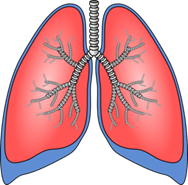 Chronic obstructive pulmonary disease (COPD) is a progressive lung disease that leads to the loss of lung function primarily caused by cigarette smoking. It causes coughing, wheezing, shortness of breath, chest tightness and other symptoms that make it difficult to breathe. While there are treatments and lifestyle changes that can help people cope with COPD, there currently is no cure and there are no effective therapies to reduce the rate of lung function decline. According to the National Institutes of Health’s National Heart, Lung, and Blood Institute (NHLBI), which partially funded the study, COPD is the third leading cause of death in the United States, resulting in approximately 135,000 deaths each year.
“There have been limited molecular studies of COPD given the inaccessibility and invasiveness of obtaining lung tissue,” said Katrina Steiling, MD, MSc, assistant professor of medicine at BUSM who served as the study’s first author. The researchers hypothesized that while COPD primarily affects the tissue deep within the lung, the effects of COPD might be detectable in relatively accessible tissue throughout the respiratory tract. This echoes previous work they had done that found that cancer found deep in the lung could be detected by cancer-specific patterns of gene expression in the largest airways connected to the windpipe, far from the tumor.
To examine their hypothesis, the research team used airway cells obtained during a bronchoscopy, a procedure that involves putting a small camera into the airway through the nose or mouth. During the procedure, which can be done while a patient is awake under local anesthesia or moderate sedation, a cytology brush is used to gently scrape the sides of airways to collect cells.
They examined 238 samples from current and former smokers that had been collected by Stephen Lam, MD, a collaborator from the University of British Columbia. Eighty seven of the samples were from patients who had been diagnosed with mild to moderate COPD based on their lung function. The other 151 samples represented patients who did not have COPD based on these criteria.
When the researchers compared the airway samples from both groups, they found that 98 genes were expressed at different levels in those diagnosed with COPD compared to those without COPD. In order to determine how similar the airway cell changes were to lung tissue cells, the researchers compared their results with previously published findings on the gene expression changes associated with COPD in lung tissue. The results of the comparison demonstrate that the changes that occur in the airway cell samples in those diagnosed with COPD were similar to the changes in lung tissue cells of individuals with the disease despite the airway cells coming from regions of the lung not thought to be altered by disease.
“Our data shows that there are consistent gene-expression changes that occur in both airway and lung tissue cells in individuals with COPD,” said Avrum Spira, MD, MSc, Alexander Graham Bell professor of medicine and chief of the division of computational biomedicine at BUSM who served as one of the senior co-authors of the study. Spira also is a physician in the pulmonary, critical care and allergy department at Boston Medical Center.
To investigate the effects of treatment on the COPD-associated gene expression changes, the researchers collaborated with a team led by Maarten van den Berge, MD, PhD, from the University of Groningen Medical Center in the Netherlands that had collected airway cells from COPD patients before and after they started steroid therapy. They found that the expression of some genes that changed due to COPD reversed their expression after treatment and started to look more like the levels seen in current or former smokers without COPD.
"Part of the COPD 'signature' reverses with therapy, suggesting that examining airway cells might be a minimally invasive tool for monitoring the disease and evaluating the response to therapy more quickly in order to determine the best course of treatment for each individual patient," said Marc Lenburg, PhD, associate professor in computational biomedicine and bioinformatics at BUSM and the study’s other senior co-author.
“Studying COPD using the large airway opens up some really exciting new avenues of research that could also improve care for patients with COPD,” said Spira. "While we are still at an early stage, I envision being able to examine airway cells from my patients with COPD to determine what is causing the disease and, from that information, recommend a more specific and effective treatment.”
Funding for this research was provided in part by the National Institutes of Health’s (NIH) NHLBI under grant award number 1R01 HL095388 (PI: Spira/Lenburg) and the NIH’s National Center for Advancing Translational Science through the Boston University Clinical and Translational Science Institute under award number KL2RR025770.
April 11 Spring 2013 Thematic Seminar Series Lecture: Non Coding RNA in Health and Disease

The Spring 2013 Thematic Seminar Series, which focuses on Non Coding RNA in Health and Disease, continues on Thursday, April 11, at 3 p.m. with a presentation on LncRNAs that regulate adipogenesis and hematopoiesis. This lecture is being given by Dr. Harvey Lodish, Professor of Biology and Member, Whitehead Institute, and Professor of Bioengineering, Massachusetts Institute of Technology.
The Thematic Seminar Series is jointly sponsored by The Evans Center, the CTSI and the BUSM Department of Biochemistry. All interested staff, faculty and students are invited to the lecture. For additional information please contact Melissa Howard or Robin MacDonald.
LncRNAs that regulate adipogenesis and hematopoiesis
- Date: Thursday, April 11
- Time: 3 p.m.
- Location: Keefer Auditorium, E111
Graduate students and postdocs are invited to a special lunch meeting at noon in K-103, 72 East Concord St.
A 4 p.m. post-lecture reception will be held in the Evans Seminar Room, E112A.
GSDM Expands Elective Externship Program to Two University Sites in China
 Boston University Henry M. Goldman School of Dental Medicine (GSDM) will expand its Global Elective Externship program during the 2013-14 academic year to include an exchange program with two institutions in China: Shanghai Jiaotong University School of Stomatology (SJUSS), located in Shanghai, and the Fourth Military Medical University School of Stomatology (FMMUSS), located in Xi’an. GSDM students and residents will have the opportunity to do one- or two-week rotations in Oral and Maxillofacial Surgery under supervision by SJUSS and FMMUSS faculty. In return, GSDM will accept students and scholars from SJUSS and FMMUSS for clinical observation and/or research experience in various specialties at GSDM.
In his Strategy for a Global University , Boston University President Robert A. Brown states, “I believe that the future success and impact of Boston University as a great private research university will be interwoven with our presence as a truly global university in the 21st century.” Through these new exchange programs with FMMUSS and SJUSS, GSDM plans to extend its international dental externship program initiatives and to help fulfill the mission President Brown writes about. GSDM Dean Jeffrey W. Hutter said, “It is an honor and privilege to contribute to the global profile of this great University.”
The two-week externship training program at GSDM has already provided fourth-year DMD students at GSDM the chance to travel to Guatemala, Mexico, Haiti, Honduras, Nicaragua, Ukraine, and Jamaica for rotations. These rotations allow opportunities for the continued growth of the students’ clinical and critical thinking skills in treating diverse patient populations, along with the development of their cultural competencies. The externship locations in China will provide the added opportunity of observing and assisting in clinical practice in a hospital setting.
GSDM provides exemplary Advanced Specialty Education Programs (Dental Public Health, Endodontics, Oral & Maxillofacial Surgery, Orthodontics & Dentofacial Orthopedics, Pediatric Dentistry, Periodontics, and Prosthodontics) and Advanced Education in General Dentistry, and Operative & Aesthetic Dentistry. Students and residents from SJUSS and FMMUSS will benefit from observing world renowned leaders in dental specialties and patient treatment in technologically advanced settings, along with research being conducted in Restorative Sciences & Biomaterials, Health Policies & Health Services, Molecular & Cell Biology, and Oral Biology.
Photos are available on Facebook and Flickr .
Submitted by Jackie Simon.