Student Updates
Weekly Safe Return to BUMC Update: Aug. 6
The new dental and first-year medical students started their orientation last Friday and Monday with the virtual GSDM Professional Ceremony and MD White Coat Ceremony, respectively. Welcome to BU and to the Medical Campus!
BUMC COVID-19 Testing Pilot Program
Located in the Housman (R) Building, Room 107, the pilot testing program continues thru Aug. 14 by appointment only for dental, medical and PA students who are now on campus. The goal of the pilot is to validate collection and laboratory processes. See this BU Today story for an update.
Research
Phase 3 of the research ramp up began Aug. 1. Research recovery plans now can be made for higher density of researchers on campus for in-person lab bench, computational and human subject research activity while maintaining 6 feet physical distancing, proper wearing of PPE and remote work continuing as much as possible.
GMS
The Oral Health Sciences master’s students started classes on Aug. 3, using the Learn from Anywhere (LfA) format in the new Henry M. Goldman School of Dental Medicine auditorium, which has been modified to allow for safe physical distancing. The faculty and 38 students were in-class with face coverings and appropriate physical distancing while the remainder of the students participated remotely.
L-12 Library, L-11 Testing Center Reopens
The Alumni Medical Library, located on the 12th floor of the Instructional Building (L-12), is now open. Hours thru August 30: Sunday-Friday 7:30 a.m.-6 p.m. Closed Saturdays. Hours for the L-11 Testing Center and L-1110 computer classroom are Sunday-Saturday (daily) from 6 a.m.-5:45 p.m, It is available as student study space whenever exams and classes are not scheduled.
Building Ventilation Systems
Please refer to this BU Today story regarding the building ventilation systems enhancements that have been made.
Where to Eat on the Medical Campus
Are you back on campus and unsure of where to eat your lunch? Given that face coverings must be worn in public places such as the L building lobby, the library and classrooms, you will need to find other places to eat. Here are some choices for you to consider.
Back2BU
For the latest information about the return to campus and updated FAQs, visit the Back2BU website.
Here are some photos that show examples of signage and physical distancing modifications made to the Instructional Building lobby, Hiebert Lounge, Library and classrooms:


Where to Eat on the Medical Campus
Are you back on campus and unsure of where to eat your lunch?
Given that face coverings must be worn in public places such as the L building lobby, the library and classrooms, you will need to find other places to eat.
Here are some choices for you to consider:
- If you have an individual office, the safest place is to shut your door and eat alone.
- A great alternative is to eat outside! Tables and chairs are set up all around Talbot Green and between 670, the X and W buildings, but please maintain safe physical distancing.
- Chequers Café area in the Instructional Building basement: Seating has been adjusted to maintain safe physical distancing capacity.
- Most departments and floors have conference rooms that have been modified to maintain safe physical distancing. Ideally shut the door and eat alone. Be sure to wipe down surfaces before and after each use.
- Other spaces can be identified by departments and administrative units with cleaning coordinated when not in use.
Please remember: Stay 6 feet apart and wear a face covering when not eating or drinking.
Academic Calendar for the Fall 2020 Semester and Travel Guidance for Thanksgiving Break
In preparation for a return to on-campus, residential education in the fall, Dr. Jean Morrison, University Provost and Chief Academic Officer, provides guidance regarding the academic calendar particularly as it relates to holiday travel.
BUMC LfA Video Overview, Practice Sessions & Resources
Visit the BUMC IT – EdMedia Website for a 3-minute overview video of the LfA (Learn from Anywhere) teaching experience, and sign up for an August in-person classroom demo/practice session.
You will find links to an FAQ, cheat sheets, quick video tutorials, and a request for virtual training on a variety of educational technology tools. Explore menu tabs for the new Room Capacities, more EdTech resources, and the Digital Media Studio 1-minute video/request form. Check back regularly for updated resources.
Questions or requests? Contact Educational Media Leadership: Jana Mulkern jmulkern@bu.edu, 617-999-8743 or Lucy Milne at lmilne@bu.edu, 617-279-3535 for additional questions/requests as needed. Email the team at edtech@bu.edu. Educational Media is ready to assist in your successful transition to LfA!
Weekly Safe Return to BUMC Update: July 30
BUMC COVID-19 Testing Pilot Program
Located in the Housman (R) Building (McNary Center) Room 107, the pilot program opened Monday, July 27 and will remain open until Aug. 14 by appointment, for dental, medical and PA students who are now on campus. The goal of the pilot program is validate the collection and laboratory processes. We will update you on its progress when that information becomes available.
BUMC Parking Update
Effective Monday, Aug. 10, employees and students no longer will be able park at the 710 Albany Street Garage for a reduced rate. The 710 Albany Street Garage is the primary parking facility for patients visiting BMC and BU clinics. As ambulatory patients return to campus, parking needs to be made available.
- Employees and students reinstating or signing up for a new permit should do so using the online application. A visit to the parking office is not necessary.
- Employees parking two days or less a week may apply online for a Daily Fee permit in order to pay $21/day. Parking for this permit will be assigned to the DOB Garage, 720 Harrison Ave.
- Students in need of infrequent parking have access to parking for $12/day, space permitting, at the DOB Garage, 720 Harrison Ave. To pay this rate, students must present their student BU ID along with their ticket to the cashier in order to pay before returning to their vehicle.
- Looking for other commuting options to campus? Fill out a Personalized Commuter Assistance form and Parking & Transportation Services can assist.
Questions? Please email DG-ParkingAdministration@bmc.org or call 617-358-7592. The BUMC-BMC Parking & Transportation Services office, located at 710 Albany St., is open weekdays from 7 a.m. to 5 p.m.
GSDM
Effective Aug.10, 2020, the Henry M. Goldman School of Dental Medicine will move into phase 2 in reopening its Patient Treatment Centers. The Patient Treatment Centers will increase from 30 percent capacity to 50 percent capacity overall. And beginning on Aug. 15, the Department of Orthodontics & Dentofacial Orthopedics will resume Saturday appointments.
The decision to move to Phase 2 was made based on a careful review of compliance with GSDM COVID-19 screening requirements, social-distancing and face covering guidelines, modified building walk-flows, the supply of personal protective equipment (PPE), and patient volume demand as well as discussions with the school’s COVID-19 Working Group.
Back2BU
For the latest information about the return to campus and updated FAQs, visit the Back2BU website.
BUMC Parking Update

Effective Monday, Aug. 10 employees and students will no longer be able park at the 710 Albany Street Garage for a reduced rate. The 710 Albany Street Garage is the primary parking facility for patients visiting BMC and BU clinics. As more patients return to campus, parking needs to be made available.
- Employees and students reinstating or signing up for a new permit should do so using the online application. A visit to the parking office is not necessary.
- Employees parking two days or less a week may apply online for a Daily Fee permit in order to pay $21/day. Parking for this permit will be assigned to the DOB Garage, 720 Harrison Ave.
- Students in need of infrequent parking have access to parking for $12/day, space permitting, at the DOB Garage, 720 Harrison Ave. To pay this rate, students must present their student BU ID along with their ticket to the cashier in order to pay before returning to their vehicle.
- Looking for other commuting options to campus? Fill out a Personalized Commuter Assistance form and Parking & Transportation Services can assist.
Questions? Please email DG-ParkingAdministration@bmc.org or call 617-358-7592. The BUMC-BMC Parking & Transportation Services office, located at 710 Albany St., is open weekdays from 7 a.m. to 5 p.m.
BUMC COVID-19 Testing Pilot Program Opens July 27


The COVID-19 testing pilot program opens Monday, July 27, by appointment for dental, medical and PA students who are now on campus. It is located in the Housman (R) Building (McNary Center) Room 107.
Weekly Safe Return to BUMC Update: July 23
Learn from Anywhere Faculty Overview Video
Watch this 3-minute faculty overview video and reach out to edtech@bu.edu if you’d like to schedule a practice session in one of the demo classrooms (Keefer, L206, R108). More info on scheduling will follow. Questions? Contact Educational Media Leadership: Lucy Milne lmilne@bu.edu and Jana Mulkern jmulkern@bu.edu.
GMS
The Back2BU Guide for Graduate and Professional Students is now available with current information about fall semester planning and preparations for graduate students coming back to campus.
GSDM
Orientation for incoming predoctoral students at the Henry M. Goldman School of Dental Medicine begins on Monday, July 27. The week-long orientation will use a hybrid model, with some sessions delivered in person (and in compliance with all physical-distancing and facial-covering guidelines) and others delivered virtually. Orientation will culminate in a virtual Professional Ceremony, held via Zoom, on Friday, July 31.
MD Program
The Class of 2023 began their second year remotely with the DRx Foundations module and Doctoring 2 on July 13. They will begin the Learn from Anywhere (LfA) model on August 3, with the option to attend in-person didactic sessions, and in-person Doctoring sessions during the week of September 8. First-year students kick off their start at BUSM with a virtual White Coat Ceremony on August 3 followed by a week of orientation.
Research
The Office of Research has opened research activity for Phase 3 of BU’s four-phase reopening process slated to begin in August to allow in-person lab bench research to raise their occupancy limits to above 50 percent, and to open computational and theoretical labs and offices to 50 percent occupancy. This is provided that all University and research-specific requirements continue to be met, including six-feet physical distancing, appropriate de-densification, and wearing of PPE. Safety guidelines and instructions are in the Research Recovery Toolkit. If you have a previously approved plan you must revise and resubmit the recovery plan and personnel list using this simplified form.
Back2BU
For the latest information about the return to campus and updated FAQs, visit the Back2BU website.
Fourteen Medical Campus Faculty Promoted to Associate Professor
The following Medical Campus faculty have been promoted to the rank of associate professor:
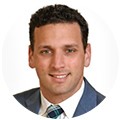 Michael Alosco, MED, Neurology, is a clinical neuropsychologist who focuses his research on three areas: (1) the relationship between repetitive head impacts (RHI) from contact and collision sport play and traumatic brain injury (TBI) with later-life cognitive and neuropsychiatric decline, as well as neurodegenerative disease(s); (2) development of in vivo biomarkers for CTE, Alzheimer’s disease and related dementias; and (3) the contribution of cerebrovascular disease to the clinical and neuropathological expression of CTE and Alzheimer’s disease. He is Co-Director of the Clinical Core of the BU Alzheimer’s Disease (AD) Center and a lead investigator in the BU CTE Center.
 Nahid Bhadelia, MED, Medicine/Infectious Diseases, designs and deploys evidenced-based infection control and biosafety training for clinicians and leverages emerging scientific research with extensive clinical background to improve the standard of care for patients with viral hemorrhagic fevers. She contributes to national and international training programs, guidelines and expert working groups on clinical care, research and infection related to Ebola virus disease. She helps design and implement clinical research on evaluation of natural history of emerging infectious diseases and the efficacy of related therapeutics and is principal investigator of the Boston Medical Center’s prospective COVID-19 patient cohort study. In addition, Dr. Bhadelia is Director of the Medical Response program associated with the NEIDL’s Biosafety Level 4 program, and Medical Director of the Special Pathogens Unit at Boston Medical Center.
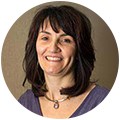 Laurie Douglass, MED, Pediatrics and Neurology, has devoted her career to childhood neurological disorders, specifically epilepsy and long-term follow-up of low birthweight babies. She created the Epilepsy Center at BMC, which includes a monitoring program and epilepsy nutrition program, as well as two resource websites, one for families who have a child with neurodevelopmental disabilities, and the other for families of children treated with dietary therapy for intractable epilepsy as well as a novel parent questionnaire that helps screen for and identify children with epilepsy disorders. For the past seven years, Dr. Douglass has been a co-PI for the NIH-funded Extremely Low Gestational Age Newborn (ELGAN) Study as well as the late adolescent extension of that study as part of the Environmental Influences on Child Health Outcomes (ECHO) Study. She also has been a leader in a national Lennox Gastaut Working Group Committee and a member of the national Got Transition Committee, which focuses on developing guidelines for epilepsy patients as they transition from pediatric to adult-oriented care.
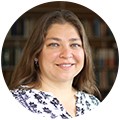 M. Patricia Fabian, SPH, Environmental Health, has a multidisciplinary background in systems science, geographical information systems (GIS), infectious disease aerobiology, indoor air and environmental engineering. She combines these skills in interdisciplinary projects to study complex environmental systems and develop health-protective interventions. Dr. Fabian built the first systems science model to evaluate the impact of housing characteristics and resident behavioral changes on indoor air quality and pediatric asthma outcomes. She is a project lead in the Center for Research on Environmental & Social Stressors in Housing Across the Life Course (CRESSH), applying GIS and spatial analytical methods to quantify environmental health disparities in Massachusetts communities, and building cumulative risk models across the life course. More recently she’s used CRESSH methods and data to study heat exposure and vulnerability to Covid-19.
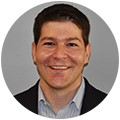 Neil Ganem, MED, Pharmacology and Medicine, uses innovative methods to illuminate the causes and consequences of genome instability. His work has revealed fundamental mechanisms through which numerical and structural chromosome abnormalities arise in cancer cells, and he has published several highly cited papers in top-tier journals. He has received numerous awards, including a K99/R00 Grant, an ACS Research Scholar Grant, a Smith Family Award, and a Searle Scholar Award. A devoted mentor and teacher, he received a BUSM 2019 Educator of the Year Award.
 Joel Henderson, MED, Pathology & Laboratory Medicine, is a nephropathologist and biomedical engineer whose multidisciplinary research program concerns kidney diseases that involve renal glomerular injury, and the response of the glomerulus to its mechanical environment. He has received support for his work from NIH and the Pfizer Center for Therapeutic Innovation (CTI), and in his laboratory he has mentored BU students and clinical trainees at all levels. The laboratory director for Framingham Heart Study, he oversees the study's biorepository, which is a unique international resource of biospecimens collected over decades of research. In his clinical role he serves as the kidney pathologist for Boston Medical Center, and directs the residency program for the Department of Pathology and Laboratory Medicine.
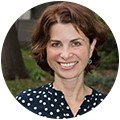 Karen Jacobson, MED, Medicine/Infectious Diseases, focuses on the epidemiology of TB, including determinants and risk factors of transmission, linkage to care, poor treatment outcomes and long-term sequelae. Dr. Jacobson has a specific interest in the intersection between TB and substance use, including alcohol and illicit smoked substances. Working in direct treatment of TB since 2010 in the U.S. and South Africa, and now as the Medical Director of the BMC/BPHC Tuberculosis Clinic, she has in-depth understanding of the challenges in identifying individuals with TB, linking them to car, and achieving successful outcomes. Dr. Jacobson is the PI on two NIH/NIAID R01s (the TRUST and TOTAL studies), leading investigations into the impact of substance use on TB transmission and treatment response.
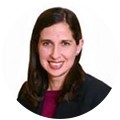 Caroline Kistin, MED, Pediatrics, is a health services researcher with a focus on improving health outcomes and decreasing disparities for low-income children and families. Her work in developing, testing and implementing strength-based, family focused prevention interventions has been widely disseminated and used to inform national policy statements and best-practice guidelines. She is a member of the national Academic General Pediatrics Accreditation Committee and a senior mentor for the New Century Scholars Program through the Academic Pediatrics Association.
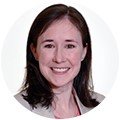 Allison Larson, MED, Dermatology, centers her scholarly work around three themes: medical education, gender equity and women's health, and dermatologic issues in transgender patients. She has designed and implemented an 11-lecture series bringing together basic science and clinical content for first-year medical students and lectured nationally on interactive teaching methods. More recently, she developed an active gender equity research program. Dr. Larson is ranked at the top of providers at her clinical sites in terms of patient satisfaction scores and was named to BMC’s Provider Wall of Fame in 2018.
 Jesse Mez, MED, Neurology, is Director of the Clinical Core of the BU Alzheimer’s Disease (AD) Center and an investigator in the BU CTE Center, the Framingham Heart Study and the AD Genetic Consortium. His research seeks to understand genetic, neuropathological, epidemiological and clinical aspects of various forms of dementia. Since 2014, he has led the clinical arm and is a project leader of the Understanding Neurologic Injury and Traumatic Encephalopathy (UNITE) study, a U01/U54 project examining the neuropathology and clinical symptoms of brain donors who have experienced repetitive head impacts (RHI), including investigating clinicopathological correlation in and risk factors for CTE. He is principal investigator on DOD and NIH R01 grants investigating the relationship between traumatic brain injury/RHI and dementia-related clinical, imaging and neuropathological outcomes and their interaction with genetic factors.
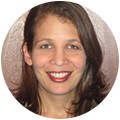 Suzanne Pineles, MED, Psychiatry, focuses on identifying psychophysiological and neurobiological mechanisms contributing to development and maintenance of posttraumatic stress disorder (PTSD), with a specific focus on the impact of sex-specific mechanisms of PTSD. Her study findings highlight the potential importance of sex-related hormones and their metabolites in contributing to PTSD symptoms and the retention of extinction learning. Dr. Pineles also is a Research Psychologist within the National Center for PTSD, Women's Health Sciences Division, and Director of the Clinical Research Postdoctoral Fellowship in Clinical Psychology at VA Boston.
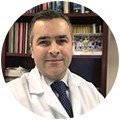 Jose Rafael Romero, MD, Neurology, is a vascular neurologist with clinical interests in stroke prevention and service to racial and ethnic minorities. His research focuses on the study of subclinical cerebrovascular injury in brain imaging to identify individuals at high risk of stroke and dementia. His goal is to help develop preventive strategies and identify treatment targets for ischemic stroke and intracerebral hemorrhage, as well as dementia. His prior research has helped to advance knowledge of cerebral small vessel disease via NIH funded grants for the epidemiological study of cerebral microbleeds and more recently enlarged perivascular spaces (R01). He is an active Framingham Heart Study Investigator, with ongoing NIH funding and a member reviewer of a NIH study section. As a clinician educator, he consistently receives the highest marks on teaching evaluations and has mentored numerous fellows, junior faculty and medical students.
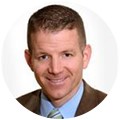 Teviah Erik Sachs, MED, Surgery, is a surgical oncologist focusing on the factors associated with disparities in surgical outcomes in patients with gastric, liver and pancreatic cancers. He is the PI for seven surgical outcomes research projects and co-investigator of seven. Dr. Sachs has collaborated with basic scientists as well as translational researchers. He is also involved in surgical education and is the associate program director for the residency in General Surgery. He is the recipient of the Department of Surgery’s inaugural Perlman Scholar in Pancreatic Cancer for 2020-22.
 Chadi Tannoury, MED, Orthopaedic Surgery, concentrates his research on the diagnosis and management of spine problems treated with cutting-edge minimally invasive techniques. Dr. Tannoury and his Orthopaedic Spine team have developed a new and less invasive approach to spinal fusions with reduced complications and improved outcomes. Dr. Tannoury was chosen by the Japanese Orthopaedic Association as a traveling fellow, lecturing and touring Japan's largest academic centers in 2018. He also is lead author of the textbook, “Minimally Invasive Spine Surgery,” published in 2017. Furthermore, Dr. Tannoury is a talented artist; 100+ medical illustrations have accompanied his publications.
Art Days – Antiracism Theme
 Art Days has filled Hiebert Lounge with artwork of all kinds (paintings, photos, poetry, sculpture, needlework, etc.) from BUMC students, faculty and staff for thirty years. This annual all-campus event is sponsored by the Provost’s office, with the exhibition mounted by the Creative Arts Society.
The recent horrific deaths of Stephon Clark, Aura Rosser, Atatiana Jefferson, Breonna Taylor, and George Floyd have heightened our awareness of racism and social injustice. Furthermore, COVID-19 has exposed inequalities in our healthcare system, with meetings and presentations on both the medical campus and the Charles River Campus.
We have chosen ANTIRACISM for the theme of this year’s Art Days to promote further thought and discussion of these issues. Art Days will be in the spring semester as usual, but we are providing the theme well in advance, especially as some may have more free time now for creative endeavors. (Non-theme submissions will be acceptable, but the thematic works will be highlighted and hopefully serve as a springboard for additional presentations/discussions.)
Questions? Please contact:
Dr. Keith Tornheim
Department of Biochemistry
Faculty Advisor, Creative Arts Society