Student Updates
New Associate Provost for the Division of Graduate Medical Sciences Appointed to Boston University School of Medicine
Linda Hyman, PhD, has been appointed associate provost for the Division of Graduate Medical Sciences for Boston University School of Medicine (BUSM). In her role as associate provost, she will be a member of the senior leadership teams of the School of Medicine and the Medical Campus.
Hyman will oversee curricula and execution of all graduate programs including recruitment, admissions, ongoing program activities, new program development, student outcomes and graduate alumni relations. She will also oversee and support graduate medical education with the goal of increasing the quality and impact of all graduate educational programs on the medical campus. An important responsibility of this role is supporting the collaboration of the basic science and clinical departments in education and graduate research. This integration is a core value and a strategic advantage of our program. This position will be effective July 1, 2009.
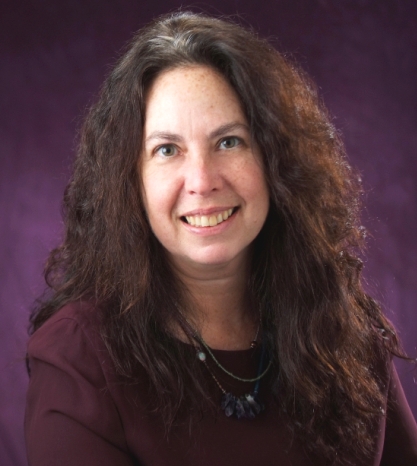
For the past five years, Hyman has served as vice provost for the Division of Health Sciences at Montana State University in Bozeman. She also held the position of assistant dean at the University of Washington School of Medicine in Seattle, where she was the director of the cooperative program of the University of Washington School of Medicine and the states of Wyoming, Alaska, Montana and Idaho (WWAMI) medical program. Hyman has held faculty positions at Tulane University Medical School, served as program director at the National Science Foundation and principle investigator on several national grants.
Hyman earned her bachelor's degree from the State University of New York at Albany, she received her doctorate and master's degrees from Brandeis University, and completed a postdoctoral fellowship at Tufts University School of Medicine.
Read more on Dr. Hyman on BU Today.
"How Do Humans Become Immune to Malaria?" Topic of Feb. 20 Lecture
On February 20, join Dr. Kevin Marsh, this year's Gijs van Seventer Lecturer in Immunology, as he explores the question "How Do Humans Become Immune to Malaria?" The lectureship is in tribute to Dr. Gijs van Seventer, an internationally recognized immunologist in the field of human T cell cytokine biology, and a former member of the faculty of the Department of Environmental Health at Boston University School of Public Health.
Marsh, a world leader in malaria research, is Professor of Tropical Medicine at the University of Oxford and Director of the Kenya Medical Research Institute (KEMRI) Wellcome Programme ( http://www.kemri-wellcome.org/) in Kenya, a renowned center for the integrated clinical, epidemiological and basic research in malaria.
Marsh has been involved in a number of important research achievements related to malaria treatment and prevention over the course of his career. He helped to develop the first comprehensive description of severe malaria in African children, which eventually formed the basis of national and international guidelines for treating the illness. With KEMRI colleague Bob Snow, Marsh produced a new synthesis and description of the clinical epidemiology of malaria in Africa. He also established a framework for a comprehensive program of immuno-epidemiological studies of immunity to malaria with his associates. Marsh counts among his most significant achievements building up of a Kenyan research center with a strong capacity development and training program. It currently has 27 Ph.D. students, 24 of whom are from East Africa.
In recent studies, Marsh and his colleagues demonstrated that the candidate vaccine, RTS,S, gives highly effective protection against clinical malaria in children. This year, the malaria vaccine will begin phase three trials, an advanced stage for drug development.
Gijs van Seventer Lecture in Immunology: "How Do Humans Become Immune to Malaria?" Presented by Kevin Marsh
Date: February 20, 2009
Time: 12:30 p.m. - 1:30 p.m.
Location: Bakst Auditorium, BUSM Instructional Building, 80 E Concord St, Boston
Researchers Identify Another Potential Biomarker for Lung Cancer
BUSM researchers have demonstrated that a recently discovered class of molecule called microRNA (miRNAs), regulate the gene expression changes in airway cells that occur with smoking and lung cancer. These findings, which appear in the on-line early edition of journal Proceedings of the National Academy of Sciences, may lead to a new, relatively non-invasive biomarker for smoking-related lung diseases.
Approximately 1.3 billion people smoke cigarettes worldwide, which contributes to five million preventable deaths per year. Smoking is a significant risk factor for lung cancer, the leading cause of cancer death in the United States and the world, with more than one million deaths worldwide annually. Eighty-five to 90 percent of subjects with lung cancer in the United States are current or former smokers with 10 to 20 percent of heavy smokers developing this disease. Because of the lack of effective diagnostic biomarkers and the inability to identify which current and former smokers are at greatest risk, lung cancer is most often diagnosed at a late stage where current therapies are largely ineffective.
A previous study by the same researchers reported a gene expression biomarker capable of distinguishing cytologically normal bronchial airway epithelial cells from smokers with and without lung cancer, serving as an early diagnostic biomarker for lung cancer. The importance of this "field-of-injury" concept is that it allows for the detection of lung cancer in tissues that are more readily sampled than the diseased lung tissue itself. In this study, the researchers profiled the miRNAs in these readily accessible airway epithelial cells and identified those that are differentially expressed with smoking.
Studying current and non-smokers, the researchers examined whole-genome miRNA and mRNA expression in bronchial airway epithelial brushings obtained at bronchoscopy and found 28 miRNAs to be differentially expressed in the majority of smokers. In addition, the researchers showed that by modulating the expression of one such miRNA (mir-218), it was sufficient to alter the expression of a subset of the mRNAs that are both predicted targets of this miRNA and altered by smoking in vivo.
"These studies suggest that smoking-dependent changes in miRNA expression levels mediate some of the smoking induced gene expression changes in airway epithelium and that miRNAs therefore play a role in the host response to environmental exposures and may contribute to the pathogenesis of smoking-related lung cancer," said senior author Avrum Spira, MD, an associate professor of medicine and pathology at BUSM.

According to the researchers, it is hoped that miRNA profiles obtained from these cells may serve as relatively non-invasive biomarkers for smoking-related lung diseases.
"These microRNA changes may serve as more robust biomarkers in clinical samples given their role as regulators of multiple mRNAs and their relative resistance to degradation," said first author Frank Schembri, MD, an assistant professor of medicine at BUSM.
Funding for this study was provided by the Doris Duke Charitable Foundation, National Institutes of Health/National Cancer Institute Grant, National Institutes of Health/National Institute of Environmental Health Sciences Grant, and National Institutes of Health/National Heart, Lung, and Blood Institute.
Spira is a pulmonary and critical care medicine physician at Boston Medical Center and is one of the founders of Allegro Diagnostics Inc., a molecular diagnostics company that plans to market a gene expression biomarker for lung cancer.
BUGSDM Refugee Oral Health Research Published in American Journal of Public Health
The study, "Oral Health Status of Refugee Torture Survivors Seeking Care in the United States," by Boston University Goldman School of Dental Medicine (BUGSDM) Clinical Instructor Harpreet K. Singh, RDH, MS, Professor and Assistant Dean for Community Partnerships and Extramural Affairs Dr. Michelle Henshaw, DDS, MPH, Clinical Instructor Susan Cote, RDH, MS, and Instructor Thayer Scott, MPH was published in the December 2008 issue of the American Journal of Public Health. Boston University School of Medicine Assistant Professor Linda A. Piwowarczyk, MD, MPH and Professor Michael A. Grodin, MD also assisted in the research.
The study assessed the oral health status of 216 refugee torture survivors seeking care at the Boston Center for Refugee Health and Human Rights between February 2002 and September 2006.
Study participants perceived their dental health as poor or fair and approximately 90% required immediate or near-immediate dental care.
"In adapting to their new life, torture survivors typically encounter life-changing issues, including the need to meet their basic psychosocial needs; as a result, they may view their oral health as a low priority," said Dr. Henshaw. "However, poor oral health affects one's physical, psychological, and social well-being, as well as one's quality of life. Torture treatment centers offer an environment in which educated dental professionals sensitive to the needs of torture survivors can provide oral health services without the risk of retraumatization, or a referral can be made to a dentist who understands the needs of these individuals."
Boston Center for Refugee Health and Human Rights is one of approximately 30 torture treatment centers in the United States and the only center that provides oral health services.
"This is a wonderful accomplishment for the BUGSDM faculty members involved in this study," said Dean Jeffrey Hutter. "Having their work recognized and printed in such a prestigious publication is another great example of the high caliber of work that takes place at our School."
International Activist Paul Farmer to Speak at BU MLK Day Celebration

To honor the Rev. Martin Luther King, Jr. (GRS'55, Hon.'59), the Boston University community is examining inequality, injustice, and human rights violations in the 21st century by bringing renowned aid worker Paul Farmer to speak at the annual University celebration. Students, faculty, and staff are invited to the celebration on MLK Day 2009, Monday, January 19, at 1 p.m. in the George Sherman Union's Metcalf Hall. The event is free and open to the public.
Farmer, a medical anthropologist and physician, is the founder of Partners in Health (PIH), a Boston-based international organization that provides health care and advocacy services for people living in poverty around the world. The organization works in Haiti, Peru, Russia, Malawi, Rwanda, Lesotho, and Boston to treat and reduce instances of HIV infection and tuberculosis, as well as to meet food, water, and housing needs in poverty-stricken countries and regions.
"We are honoring Paul Farmer as a living example of what was important to Martin Luther King," says Katherine Kennedy, the director of BU's Howard Thurman Center and one of the event's organizers.
Visit BU Today for more information on the MLK event and Paul Farmer. http://www.bu.edu/today/campus-life/2008/12/08/international-activist-paul-farmer-speak-bu
Finding New Ways to Reach Out to At-Risk Mothers
Among the lessons that Emily Feinberg has gleaned from her years as a pediatric nurse at Dorchester House Multi-Service Center is this: Take notice of who accompanies babies to their first medical appointments.
Feinberg, an assistant professor at the BU School of Public Health and School of Medicine, recalls missing the signals years ago, when the husband of a patient who had recently given birth began showing up with the baby for check-ups. Feinberg assumed that the husband was just pitching in -- until she talked with the young mother later.

"She told me she had really severe post-partum depression -- something I hadn't known," Feinberg recounted. "It really made me aware that there was a gap in our care for families, that if you don't really understand what's going on with the parents, it can be harder to understand what's going on with the kids."
Filling that gap in care has become the latest challenge for Feinberg, a member of the Maternal and Child Health Department, who has made a mark on the state healthcare system by using her clinical work as a springboard for research into health issues impacting low-income children and adolescents.
After years of examining health policy issues such as access to insurance and affordable housing, Feinberg has shifted her attention to the inner workings of families.
In the past few years, Feinberg has been involved in projects that seek to identify and address maternal depression in pediatric-care settings. Depression in young mothers remains under-identified and under-treated, despite its impact on maternal and child health, largely because women have fragmented contact with the healthcare system. Feinberg said pediatric well-child visits offer an alternative setting to detect and manage maternal depression.
"There's a move nationally to do more to screen mothers for depression," Feinberg said. Pediatric visits "have been seen as a missed opportunity" to reach out to at-risk mothers.
Feinberg and colleagues at Boston Medical Center (BMC) were instrumental in integrating a maternal mental-health screening and referral protocol in pediatric settings affiliated with BMC. The screening is embedded in the pediatric electronic medical record at all health centers that are part of the BMC network, and providers have received training to use it.
Feinberg is now pursuing other ways to reach mothers who may be at risk for depression. She is working with the state's Early Intervention Program, which provides services to young children with developmental difficulties, to add a mental-health intervention for mothers who may be at risk. Several Early Intervention workers already have received training in the intervention, which teaches problem-solving strategies, and Feinberg and colleagues will study how well the approach works. Two SPH doctoral students are working with her.
"We don't do a particularly good job of getting low-income mothers into mental-health services," Feinberg said. "So the question is, can we bring the services to them, through an existing program? . . . I'm interested in building a community capacity to address mothers' mental-health issues and see if we can work within programs that are already established."
She said the intervention being piloted in the Early Intervention Program is designed for women with low-level risk factors, not full-blown depression.
"Our goal is really to look at people who may be at risk and see if this helps how they feel and how they interact with their children," she said.
Feinberg also is pursuing a research interest concerning child-feeding practices. She led a research team that recently reported in a study that mothers who worry about having enough food for their families are more likely to give their children "compensatory foods," such as high-energy supplements and perceived appetite stimulants.
The study, published in the October issue of Pediatrics, analyzed survey data from urban African-American and Haitian-American mothers with children ranging in age from 2 to 13 years old. It found that household food-insecurity "was significantly associated with two ... compensatory feeding practices that may increase the risk for overweight (children) in a population in which prevalence of childhood overweight is high."
Now, Feinberg is involved in a project through the Dorchester House Multi-Service Center, which serves a significant Vietnamese population, to improve culturally competent care to Vietnamese families by educating clinicians about that population's child-feeding practices. The project is funded by the Massachusetts BlueCross BlueShield Foundation.
Feinberg said the project grew out of concerns about weight trends among Vietnamese children, who tend to be underweight as infants but overweight as toddlers. Her team is producing a package of educational materials -- in print, on DVD and on the web -- designed to help healthcare providers understand Vietnamese child-feeding practices and to promote healthy eating. Feinberg said the materials will be disseminated nationally.
"What we're hoping to do is provide some guidance to providers in understanding cultural issues, so that when we have a discussion with a family about healthy eating, we're not saying things that are totally out of context for them," she explained.
Feinberg received her clinical training at BU and Simmons College and completed her doctoral work in public health at Harvard. Over the years, she has examined issues of access to care, including perceived barriers to Medicaid enrollment, and has worked closely with the Bureau of Family and Community Health of the Massachusetts Department of Public Health (DPH).
Recently, her work with the DPH has focused on strategies to address maternal depression. She has served on advisory committees for the department's Maternal and Infant Mental Health Partnership and Perinatal Connections projects.
Feinberg said she continues to benefit from her dual roles as a clinician and a health services researcher.
"I've come at some of the research from my perspective as a clinician -- seeing that we're missing major things going on in families' lives," she said. "There are access issues, but there are also ways we can improve our interventions...
"I think we have some new ideas about how to do that. The next question is, are they working?"
Submitted by Lisa Chedekel
chedekel@bu.edu
New Chief and Chair of the Department of Ophthalmology
Stephen P. Christiansen, MD, has been named as the new Chief and Chair of the Department of Ophthalmology, effective March 2, 2009.
Dr. Christiansen is currently a Professor of Ophthalmology and Pediatrics at the University of Minnesota Medical School in Minneapolis and serves as Director of the Pediatric Ophthalmology and Strabismus Service there. Prior to that, he was Associate Professor of Ophthalmology at the University of Arkansas for Medical Sciences in Little Rock.
Dr. Christiansen received his medical degree from the Medical College of Wisconsin at Milwaukee and completed a residency in ophthalmology at the University of Kentucky, Lexington. He was a Fellow in pediatric ophthalmology at the Bascom Palmer Eye Institute in Miami. Dr. Christiansen is the author of 78 peer-reviewed scholarly articles in addition to book chapters, abstracts and other educational media. He is the recipient of numerous awards for academic and scientific achievement, and is a Diplomate of the American Board of Ophthalmology.
Dr. Christiansen is actively involved in both clinical and basic scientific research in pediatric ophthalmology. He has national leadership roles in NIH-funded clinical studies of strabismus (misaligned eyes), infantile cataract and retinopathy of prematurity (ROP), and is further supported by the NIH for his studies of new drug treatments for strabismus. His principal clinical interests lie in the management of childhood and adult strabismus, pediatric cataract, ROP, and retinoblastoma.
Please welcome Dr. Christiansen to Boston University Medical Campus and Boston Medical Center.
BUGSDM Students Utilize Skills in Copper Canyon, Mexico
Boston University Goldman School of Dental Medicine (BUGSDM) students Travis Evans DMD 09 and Alice Wang DMD 09 traveled to Copper Canyon, Mexico from November 6 to November 16 with Dr. Frederick Kalinoff, a retired dentist from Arizona and volunteer Dr. Christine Hermanson, a dentist from Minnesota. Dr. Kalinoff leads outreach missions that focus on the Copper Canyon pueblos of Cuiteco and Churo, where several boarding schools for Tarahumara Indians are located. Dr. Kalinoff runs these missions several times a year in cooperation with the Liga Flying Doctors of Mercy.

As part of the outreach effort, volunteers provide dental screenings and sealants and perform extractions and composite and amalgam restorations when needed. Over the last few years Dr. Kalinoff has amassed four portable dental units along with some associated peripheral equipment and supplies, but volunteers are still working in very rural settings, sometimes without electricity or running water.
"This outreach mission was a great opportunity to practice our skills in an emergent care setting," said Wang. "Participating in this trip made me appreciate what I have so much more and also inspired me to incorporate community outreach into my future private practice."
Evans, who speaks fluent Spanish and had previously lived in Chile and traveled throughout Latin America said this trip was much different than his previous travels. "In the past I had mostly experienced other cultures as a tourist, this was the first time where I was able to utilize my skills in the community I was visiting," said Evans. "It made me see how valuable dental professionals' skills are and how much they are needed all over the world."
Two other BUGSDM students Kyle Beffa DMD 09 and Erin Brown DMD 09 also participated in a similar outreach mission in Copper Canyon lead by Dr. Kalinoff from October 2 to October 12 of this year. They, like Evans and Wang, had many positive things to say about the experience.
"I believe that all students should participate in a trip like this," said Brown. "Not only did I gain an abundance of dental experience, but I grew as a person as well. I now realize why volunteer work is so important, and I am likely to continue to go on mission trips as a dental professional."
"When we traveled four hours into Copper Canyon to some of the most remote parts of Mexico the experience grew," said Beffa. "We would set up our supplies in whatever empty room the towns had and begin working. Normally we would start with the school children, but by the end of the day everyone from the town would stop by as well as others from surrounding towns." Beffa continued, "We tried to stay in the town for a couple of days so that word could get out and more people could come. It's hard to tell the kind of impact that you made on a community but there are faces and thank yous that I will never forget."
Associate Director of APEX and Extramural Programs Meg Loadholt is in the process of organizing two additional trips where fourth-year dental students will have the opportunity to accompany Dr. Kalinoff to Copper Canyon and Guatemala.
BUSM Awarded $2.9 Million to Study Chronic Obstructive Pulmonary Disease
Boston University School of Medicine (BUSM) is one of seven centers to receive a four-year grant from the National Institutes of Health (NIH) to use cutting edge genomic technologies to better understand lung disease. The $2.9 million awarded to BUSM will fund a study to probe the causes of chronic obstructive pulmonary disease (COPD), a disease associated with smoking that is characterized by airflow limitation.
COPD is the fourth leading cause of death in the United States and a significant public health burden. There is currently no cure for COPD, and the limited available therapies are mainly used to treat symptoms of the disease. While the role cigarette smoke plays in COPD is undisputed, the mechanism by which inhaled smoke contributes to disease pathogenesis remains unclear. The purpose of this study is to develop an understanding of the processes that contribute to COPD pathogenesis, ultimately yielding tools for stratifying and treating COPD patients based on the molecular processes that are responsible for their disease.
"One of the major barriers to the development of new approaches to diagnose and manage COPD is the clinical heterogeneity among COPD patients," said principle investigator of the study Avrum Spira, MD, an associate professor of medicine and pathology at Boston University School of Medicine. "We have shown in our previous work that cigarette smoke affects the entire respiratory tract, and that we can detect signs of disease-specific processes occurring deep in the lung by examining, using microarray technology, the pattern of genes that are turned on and off in the relatively accessible cells at the top of the airway. In this study, we will use this approach to help figure out the molecular processes that give rise to COPD in individual patients. Our hope is that this will give us some important clues about what underlies the symptomatic differences seen between patients, and that ultimately we will be able to tailor which therapies a patient receives for their COPD based on these differences," said Marc Lenburg, PhD, associate professor of pathology and the other principle investigator on the study.
The National Institutes of Health (NIH) The Nation's Medical Research Agency includes 27 Institutes and Centers and is a component of the U.S. Department of Health and Human Services. It is the primary federal agency for conducting and supporting basic, clinical and translational medical research, and it investigates the causes, treatments, and cures for both common and rare diseases.
Established in 1873, Boston University School of Medicine is a leading academic and research institution, with an enrollment of nearly 630 students and more than 1,100 full and part-time faculty members. It is known for its programs in arthritis, cardiovascular disease, cancer, human genetics, pulmonary disease and dermatology, among others, and is one of the major biomedical research institutions in the United States. The School is affiliated with Boston Medical Center, its principal teaching hospital, and Boston Veterans Administration Medical Center. Along with Boston Medical Center and 15 community health centers, the School of Medicine is a partner in Boston HealthNet.
Dr. Serge Dibart Contracted For Fifth Book
Boston University Goldman School of Dental Medicine (BUGSDM) Professor Dr. Serge Dibart has been contracted by Wiley-Blackwell to publish his fifth book titled, "Osseous Surgery in Periodontology and Implant Dentistry." Dr. Dibart anticipates that the book will be published in one and a half years. BUGSDM Professor and Director of the Division of Postdoctoral Prosthodontics Dr. Steven Morgano, Clinical Associate Professor Dr. Albert Price, and Clinical Assistant Professor Dr. Oreste Zanni will assist Dr. Dibart with the writing of this book.
"The book will focus on surgical teaching aimed at bone reduction or augmentation in periodontology and implantology using the latest technology that we've been implementing and pioneering in our department here at BUGSDM" said Dr. Dibart. "With this book, I plan to provide a practical, step-by-step guide for practitioners worldwide, especially for practitioners working in the growing field of implant dentistry, where having the correct amount of bone is of paramount importance to placing the implant in a functional as well as esthetically pleasing position."
Some of Dr. Dibart's previous books have become Wiley-Blackwell bestsellers and have been translated into multiple languages for use worldwide.
"This is a wonderful accomplishment for Dr. Dibart," said Dean Jeffrey Hutter. "His contribution to the field, demonstrates the high caliber of work that takes place at BUGSDM and helps to enhance our reputation both nationally and internationally."