Student Updates
Boston University Researchers Identify Genetic Signatures of Human Exceptional Longevity
While environment and family history are factors in healthy aging, genetic variants play a critical and complex role in conferring exceptional longevity, according to a new study by a team of researchers from the Boston University Schools of Public Health and Medicine and the Boston Medical Center.

In a study released July 1 online by the journal Science, the research team identified a group of genetic variants that can predict exceptional longevity in humans with 77 percent accuracy -- a breakthrough in understanding the role of genes in determining human lifespan.
Based upon the hypothesis that exceptionally old individuals are carriers of multiple genetic variants that influence their remarkable survival, the team conducted a genome-wide association study of centenarians. Centenarians are a model of healthy aging, as the onset of disability in these individuals is generally delayed until they are well into their mid-nineties.
Researchers led by Paola Sebastiani, PhD, a professor of biostatistics at the BU School of Public Health and Thomas Perls, MD, MPH, associate professor of medicine at the BU School of Medicine and a geriatrician at Boston Medical Center, built a unique genetic model that includes 150 genetic variants, known as single nucleotide polymorphisms (SNPs). They found that these 150 variants could be used to predict if a person survived to very old ages (late 90s and older) with a high rate of accuracy.
In addition, the team's analysis identified 19 genetic clusters or "genetic signatures" of exceptional longevity that characterized 90 percent of the centenarians studied. The different signatures correlated with differences in the prevalence and age-of-onset of diseases such as dementia and hypertension, and may help identify key subgroups of healthy aging, the authors said.
Notably, the team found that 45 percent of the oldest centenarians -- those 110 years and older -- had a genetic signature with the highest proportion of longevity-associated genetic variants.
"These genetic signatures are a new advance towards personalized genomics and predictive medicine, where this analytic method may prove to be generally useful in prevention and screening of numerous diseases, as well as the tailored uses of medications," said Dr. Perls, founder and director of the New England Centenarian Study.
View the video http://www.youtube.com/watch?v=uPE7S27O5ok
The researchers developed a novel Bayesian statistical approach to analyze genotype data from more than 1,000 centenarians and several control groups, and to identify those SNPs that were most predictive of being centenarians or controls. The team began by using the SNPs that were most likely associated with exceptional longevity, and once the researchers identified 150 SNPs, they found that adding more variants did not further improve the ability to predict whether a person was a centenarian or a control subject.
Dr. Sebastiani noted: "The methodology that we developed can be applied to other complex genetic traits, including Alzheimer's disease, Parkinson's, cardiovascular disease and diabetes. It reinvigorates the potential high utility of collecting and analyzing such data."
Besides looking at which genetic variants were associated with longevity, the authors looked into whether the absence of disease-associated variants also played an important role. They did this by analyzing how many disease-associated variants each centenarian had, compared to each of the controls. Their analysis found little difference between the two groups, suggesting that the presence of genetic variants associated with longevity is of more importance than the absence of disease-associated variants.
If these findings are confirmed, they would suggest that "predicting disease risk using disease-associated variants may be inaccurate and potentially misleading, without more information about other genetic variants that could attenuate such risk" the authors commented.
Overall, the authors said, their preliminary data "suggest that exceptional longevity may be the result of an enrichment of longevity-associated variants that counter the effect of disease-associated variants and contribute to the compression of morbidity and/or disability towards the end of these very long lives." They added that "further investigation is needed to understand how and why these variants collectively predispose for exceptional longevity."
The researchers noted that the 77-percent accuracy rate of predictions "shows that genetic data can indeed predict exceptional longevity without knowledge of any other risk factor."
But they added: "This prediction is not perfect, however, and although it may improve with better knowledge of the variations in the human genome, its limitations confirm that environmental factors (e.g., lifestyle) also contribute in important ways to the ability of humans to survive to very old ages."
Drs. Sebastiani and Perls also cautioned that they developed this genetic risk model as a way to dissect the complex genetic bases of exceptional longevity and to discover the different genetic paths to age 100 and older. An understanding of the implications of this model's use in the general population would be necessary before this test is marketed, they said.

The study was funded by grants from the National Institute of Aging (NIA) and the National Heart Lung and Blood Institute (NHLBI) of the National Institutes of Health (NIH).
"This is a novel approach to studying genetic contributions to exceptional longevity," said Winifred K. Rossi, deputy director of the NIA's Division of Geriatrics and Clinical Gerontology. "It adds to a growing set of analytical tools that aim to identify and understand the complex genetic and environmental factors that lead to healthy long life."
In addition to Perls and Sebastiani, other authors include: Nadia Solovieff and Stephen W. Hartley of the BU School of Public Health Biostatistics Department; Daniel A. Dworkis, Efthymia Melista and Monty Montano of the BU School of Medicine Department of Medicine; Jemma B. Wilk and Richard H. Myers of the BU School of Medicine Department of Neurology; Martin H. Steinberg and Clinton T. Baldwin of the BU School of Medicine Departments of Medicine and Pediatrics and Boston Medical Center; Stacy Anderson of the BU School of Medicine Department of Medicine, Section of Geriatrics, and Boston Medical Center; and Annibale Puca of IRCCS Multimedica, Milano, Italy.
Visit Science for the abstract for "Genetic Signatures of Exceptional Longevity in Humans."
Submitted by Lisa Chedekel
Statement of Drs. Thomas Perls and Paola Sebastiani, in response to media inquiries regarding elements of longevity study published in Science:
Since the publication of our study in Science, which was extensively peer-reviewed, a question has been raised about two elements of the findings. One has to do with two of the 150 genetic variants included in the prediction model, while the other is related to the criteria used to determine the significance of the individual variants.
On the first concern, we have been made aware that there is a technical error in the lab test used on approximately 10% of the centenarian sample that involved the two of the 150 variants.
Our preliminary analysis of this issue suggests that the apparent error would not effect the overall accuracy of the model. Because the issue has been raised since the publication of the paper, we are now closely re-examining the analysis.
Another question that was raised concerns the criteria used to determine if an association between a genetic variant and exceptional longevity was statistically significant. We used standard criteria for the analysis, and we are confident that the appropriate threshold was used.
BUSPH Takes Top Spot in Madness Against Malaria Once Again
The Beantown-'Skeeter Beaters have done it again.
For the fourth year running, Boston University School of Public Health's Beantown 'Skeeter-beater Tetra-peaters have placed first in the annual Madness Against Malaria fundraising competition. Altogether they raised $3,910 to purchase 888 insecticide-treated bed nets for distribution in malaria-stricken regions around the world.
The international charity event pits teams against each other to raise more donations than their opponents in knock out-style rounds that mirror the NCAA March Madness basketball tournament. This year, the Beantown 'Skeeter-beater Tetra-peaters -- named in honor of their number of years competing -- managed to best 592 other teams through 6 competitive rounds of fundraising. All donations go toward the purchase of $5 insecticide-treated bed nets, an effective way to prevent the spread of malaria, which is responsible for an estimated 1 to 3 million deaths each year. Over the past four years, the BUSPH team has managed to raise enough money to purchase 5857 bed nets.
Despite the steadfast support of the BUSPH community, winning the competition was not a sure thing. The Beantown 'Skeeter-beater Tetra-peaters found stiff competitors in the Nests Shop, their opponents in the last round. But with a final push of donations, including a strategic round of large donations in the last minutes of the competition, BUSPH was able to claim their fourth win.

"It's a testament to the School and to the passion of its alumni," said student Hari Iyer, who helped promote the team as a member of BUSPH's Rotaract Club. "We really care what we're doing and it's cool to be a part of it."
All areas of the BUSPH community had a hand in propelling the team to the top, making donations and spreading the word to colleagues and friends.
"There is tremendous support for this effort from students, faculty, staff and especially alumni who have been involved in past years, plus all their families and friends," said Joseph Anzalone, a senior manager in the International Health department, who helped spur participation. "It's a tradition now, and people rise to the occasion."
Jessica Kraft ('07), a BUSPH alumna who started the fundraising initiative when she was a member of the BUSPH Rotaract Club in 2007, said keeping the tradition of competing -- and winning -- Madness Against Malaria "is really exciting."
"BUSPH has been incredible in pulling together to continue making a difference in the fight against malaria," she said. "The continued support shows that people really do care. Even a little bit of financial support for this cause can go a long way."
Kraft has continued promoting the School's team since graduating from BUSPH, and her efforts have not gone unnoticed. Last year, her work to promote malaria prevention was acknowledged by the Boston Celtics, who presented her with a "Heroes Among Us" award to recognize her exceptional contributions to the community through her commitment and humanitarian spirit.
"Malaria is a preventable disease and one of the most cost-effective measures for prevention is through the use of insecticide-treated bed nets," Kraft explained.
"This experience has been a powerful example of the ability to create a grassroots movement to affect positive change while at the same time offering a tangible service for a disease that affects so many in their daily lives."
Visit the Beantown 'Skeeter-beater Tetra-peater's Madness Against Malaria donation page to find out where nets have been distributed.
Submitted by Michelle Salzman
Record Number of Volunteers Participate in Healthy Athletes® Special Smiles® Initiative
Record Number of Volunteers Participate in Healthy Athletes® Special Smiles® Initiative
Athletes at the June 19, Special Olympic Massachusetts Games received more than just a chance at a gold medal, thanks to volunteers from Boston University Henry M. Goldman School of Dental Medicine (GSDM). Along with members of other area dental and hygiene schools, GSDM students, faculty, alumni, and staff provided free dental screenings and mouth guards to the Olympians as part of the Healthy Athletes® Special Smiles® initiative and distributed goodie bags with items including toothbrushes and mouth guards as well as a referral list of dentists.

Led by Senior Global Clinical Advisor to Special Olympics Healthy Athletes® Special Smiles® and GSDM Clinical Professor of Pediatric Dentistry Dr. Steve Perlman—who worked with Special Olympics founder Eunice Kennedy Shriver to start the program in 1993—volunteers screened 285 athletes, 50 more than last year. Volunteering also exposed students to this underserved patient population in a way they may not have experienced at School.
Special Smiles Local Co-Coordinator and GSDM Associate Professor Dr. Paul Farsai again worked with Dr. Perlman and Co-Coordinator and GSDM Director of Alumni Relations Stacey McNamee to put together this event. He added, "It was once again a successful event, but this year was especially successful from a volunteer standpoint with a record number of 150 volunteers unselfishly donating their time. Our volunteers included Dean Jeffrey Hutter and Associate Dean for Advanced Education & International Programs Dr. Tom Kilgore along with his wife Colleen. I believe that their support of this event really sends a positive message and lets the GSDM community know just how important this annual event is to the mission of our School."
"Each time I volunteer at this annual event I am overwhelmed by the success and by how Dr. Steve Perlman, one of our alums, found and addressed such an extensive need for oral health care," said Dean Hutter. "He is a wonderful example of how helping one person can lead to helping hundreds, then thousands, and now millions around the globe. I hope that each and every student who volunteered on Saturday was able to meet and become inspired by Dr. Perlman and I know I speak for the entire GSDM community when I say, 'I am proud to call him one of our own'."
Also this year, artist Richard Mangino, friend of Dr. Perlman and survivor of a severe septic infection that ravaged his body's systems and led to the amputation of all four of his limbs, painted the t-shirt design. The unique design depicted athletes of all genders, sizes, and abilities in front of a Boston-theme background. T-shirts were distributed to all Healthy Athletes® Special Smiles® volunteers.
GSDM Responds to MassHealth Cuts with Revamped BUMP UP
A meeting to discuss new coverage and payment procedures that will take effect on July 1, in the treatment centers at Boston University Henry M. Goldman School of Dental Medicine (GSDM) was held on June 15.

In response to the MassHealth coverage cuts, GSDM has resurrected and restructured a program that was created the last time Massachusetts made cuts to MassHealth adult dental coverage. The program, Boston University MassHealth Patient Upgrade Program (BUMP UP) provides basic restorative services at deeply discounted prices to MassHealth patients with some ability to pay. All procedures must be paid for in advance. The School is shaving the prices on these services as much as is possible, virtually eliminating any profit margin. However members of the School who came up with this plan, including Assistant Dean for Predoctoral Clinical Education Dr. John Guarente, Associate Dean for Clinical Services Dr. Stephen DuLong, Dean Jeffrey W. Hutter, and Executive Director of Finance & Operations Tim McDonough and his team, feel that the plan is necessary in order to continue to provide a strong clinical experience for students and serve existing patients from the local community.
"We want to continue to take care of our patients and provide them with the basic services needed for good oral health at reasonable prices," said Dr. DuLong. "In addition, BUMP UP will give GSDM a competitive edge over private dentists who can no longer afford to provide these services to MassHealth patients. Hopefully this will allow us to expand our patient pool to further the clinical experience gained by our students."
Dr. Guarente also reminded students that, "Direct procedures (listed as BD in our fee booklet), including prophylaxis, amalgams, and composites will be covered by MassHealth until July 1. Also, if you have an appliance that is in progress you should be doing all that you can to ensure that this appliance will be finished over the summer. You have few restrictions to booking in the treatment center in July and August so please take advantage of this opportunity."
BUSPH Summer Class Partners with NGO on Global Health Programming
The Boston University School of Public Health students enrolled in this summer's IH 744: Design & Implementation of International Health Programs course may have completed their class assignments and turned in their final projects, but their work may not be done just yet.
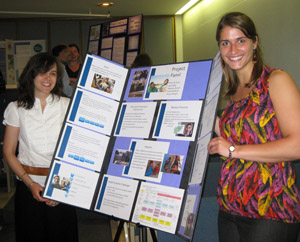
For the course, students partnered with Circle of Health International (COHI), a non-profit that builds the capacity of women's healthcare providers in crisis settings around the world, to work as programming consultants for the organization. Their charge: design a program that COHI could implement in an international setting that addresses maternal mortality. The final outcome of their work could potentially be implemented on the ground by COHI.
This was the first time the two-week summer course has been offered in collaboration with an international health organization that could potentially put students' work into action, Associate Professor of International Health James Wolff said.
"We've been trying to develop more opportunities for practice-based learning linking the classroom to something real-world and useful," said Wolff, who co-taught the course with Monita Baba Djara, academic services coordinator at BUSPH. "This was a really great fit."
The organization, which was founded in 2004 by BUSPH alumna Sera Bonds, MPH '07, connects volunteer public health practitioners, physicians, midwives and trauma specialists to serve on international field teams in conflicts or disasters that effect women. To further its mission, the NGO continues to identify and develop new programs, which is where the BUSPH students came in to lend their public health expertise.
Working as three consulting teams, students developed proposals for maternal and child health care programs in Afghanistan, Nigeria and Mali, and identified prospective funding sources that align with COHI's mission. Their final projects will be presented to COHI's board and may eventually be submitted to funders.
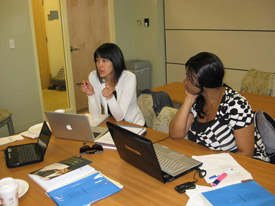
Students in the class said they found the project to be an invaluable experience. Just seeing what goes into writing a proposal made it "much more real," said Sofia Redford. Her group proposed a program that would train midwives and community health workers in the Bamyan Province of Afghanistan to work with community councils and couples on family planning options and techniques.
"I like the idea of an extensive skills-based class," she said. "I'm interested in program management and policy design so this was right up my alley."
COHI Executive Director Leilani Johnson, MPH '04, and Rachel Bedenbaugh, MPH '10, an intern at the organization, worked closely with the class.
"We let them know what COHI is, what we do, and what we want to do," Johnson said. The two were available throughout the duration of the course to answer any questions about the organization's objectives.
Recalling her MPH training, Johnson said the experience was a great way to bridge the connection between course work and professional experience.
"You don't usually get to write grant proposals for USAID straight out of grad school," Johnson said. "It's more likely that they would be for small organizations like COHI."
In addition, working within the framework of an actual organization helped the students to develop programs with a reasonable scope.
"The students had to look at what is realistic for COHI and take the real world into account, which is really healthy," said Cristin Marona, MPH '10, who was the teaching assistant for the course. "Working with a real NGO made it pressing for them to get it right."
For Zainab Shuaib and her group, that meant rethinking their initial program plan for tackling maternal mortality in Katsina State, Nigeria. It was too close to a program that the country's government already has in place.
If this was a hypothetical project "we could have just continued," Shuaib said. "But we wanted to do something that would make an impact." Shuaib's group proposed a program to train midwives and traditional birth attendants to educate community members on family planning services.
The third consulting team created a proposal to improve conditions for pregnant women in Hombori, Mali. Their program would build the capacity of healthcare-delivery personnel in the village's community health centers, which are currently underequipped to meet the needs of expectant mothers. In addition to training, they would provide much needed medical supplies to the facilities.
According to the course instructors and their COHI partners, students' final projects exceeded all expectations.
"I didn't anticipate the extent to which students would get invested in the work," Wolff said. "They learned so much about the countries they were developing programs for, it was really impressive. They blurred the boundaries between school and professional interest."
Bedenbaugh agreed. "They really went above and beyond," she said.
For Johnson, the next step is to bring the students' final proposals to COHI's board. The proposals that pass muster will then go out to potential funders. And if they get funded, Johnson said there might be another exciting opportunity for the students.
"We just might be able to hire them to work on the projects," she said.
Submitted by Michelle Salzman
New Research by GSDM’s Helmerhorst Highlights Saliva’s Ability to Breakdown Dietary Gluten
Boston University Henry M. Goldman School of Dental Medicine (GSDM) Associate Professor of Periodontology & Oral Biology Dr. Eva Helmerhorst received a R01 award from the National Institute of Allergy and Infectious Diseases (NIAID), a division of the National Institutes of Health (NIH) on June 1. Her research, titled “Gastro-intestinal Microbes Degrading Dietary Gluten,” is funded for five years at just over $2 million total.

The research is related to the novel role of saliva in the digestion of food. Dr. Helmerhorst and her team have discovered oral proteases with unique specificities so far not identified in mammalian digestive enzyme systems. The discovery of bacterial proteolytic enzymes capable of degrading dietary proteins provides new insight into the capacity of the oral environment to impact food digestion.
Dr. Helmerhorst’s findings show that human saliva contains enzymes that specifically target dietary gluten for breakdown. The gluten family of proteins cause serious health hazards, including celiac disease, in certain genetically predisposed individuals. Celiac disease is a digestive disease that damages the small intestines and interferes with absorption of nutrients from food. People with celiac disease have difficulty tolerating gluten, a protein found in wheat, rye, and barley. According to research published by the The National Digestive Diseases Information Clearinghouse (NDDIC), more than 2 million people in the United States, about 1 in 133 people, have celiac disease.
“The discovery of enzymes with gluten-degrading capacity in the oral cavity may open new diagnostic and treatment avenues for patients afflicted with celiac disease,” said Dr. Helmerhorst.
Dr. Helmerhorst will collaborate on this research with Dr. Floyd Dewhirst, senior member of the staff at Forsyth Institute. Functional studies pertaining to gluten neutralization in vivo will be carried out in collaboration with Professor of Medicine Dr. Detlef Schuppan of the Division of Gastroenterology at Beth Israel Deaconess Medical Center. Additional key personnel include co-investigators Drs. Guoxian Wei and Erdjan Salih in the GSDM Department of Periodontology and Oral Biology, and consultants Drs. William Cruikshank, Frits Koning, and GSDM Professor & Chair of Periodontology & Oral Biology Dr. Frank Oppenheim.
Dr. Helmerhorst added, “The ultimate goal is to develop novel and clinically effective strategies to detoxify immunogenic gluten using therapeutic applications including enzymatic and probiotic approaches.”
Don't Alter Standard of Care in Health Crises, Annas Argues
Almost immediately after last January's deadly earthquake in Haiti, physician volunteers began pouring into that country to offer help -- with no promise of immunity from liability.
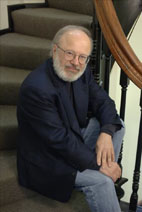
That's one example cited by BUSPH Professor George Annas, chair of health law, bioethics and human rights, in a newly published article in The New England Journal of Medicine in which he argues against the need for a new medical "standard of care" in national crises or emergencies.
"The movement supporting altered standards of care has been based on three false premises," Annas writes, "first, that there is a difference between the legal standard of medical care and the medical standard of care; second, that during an emergency, physicians are unlikely to respond because they are worried about liability if they do not practice medicine the same way they would in their hospitals or offices under nonemergency conditions; and third, that each state should have its own laws about altered standards of care in emergencies…
"Emergencies do not alter competence to treat patients," Annas says. "Most important, emergencies do not alter the medical standard of care, which can be understood simply as doing what you can under the circumstances, with the patient's informed consent. The standard of care is the same in sickness and in health and in emergencies."
Annas discusses -- and dismisses as unnecessary -- repeated proposals to redefine the standard of care, and expand legal immunity for volunteers, in cases of mass casualties. He says that the notion that individual states should adopt emergency standards of care is a mistake, given that major disasters, such as Hurricane Katrina, cannot be dealt with by a single state.
"Disasters that require physician volunteers from other states are always incidents of national significance that require the intervention of the federal government," he writes.
He also argues that there is no "empirical evidence" to suggest that liability concerns have ever led to a shortage of physicians responding to emergencies.
"Physicians have consistently put medical ethics ahead of anxiety about liability in this context," he says.
Annas' entire article is available on the NEJM website.
Submitted by Lisa Chedekel
Boston Medical Center to consolidate its emergency services
Boston Medical Center (BMC) will consolidate its two emergency departments on July 12, merging the services of the Newton Pavilion Emergency Department (ED) into the Menino Pavilion ED.
BMC EDs had more than 135,400 patient visits last year – 117,000 in the Menino ED and 18,400 in the Newton ED.
An expansion project recently was completed in the Menino ED creating the capacity needed for this consolidation. Eleven new treatments bays were added (for a total of 34), as well as a new triage room and an expanded waiting area for patients and their families.
An evaluation of how BMC provides emergency services showed that with this consolidation, better patient care can be provided.
“This consolidation creates a single point of entry to BMC’s emergency services. It also eliminates redundancies in our system so that care can be provided more safely and efficiently” said Ravin Davidoff, MD, BMC’s Chief Medical Officer.
The Menino ED located on Albany Street near the intersection of Massachusetts Avenue in Boston’s South End, has both adult and pediatric care centers, and an urgent care center. A full-service, full-time radiology suite is next to the ED, along with a full complement of ancillary services, including a pharmacy and a stat lab.
BMC operates New England’s largest 24-hour Level 1 trauma center in the Menino ED and recently was cited by The Joint Commission for its benchmark patient throughput performance.
Study in the Annals of Internal Medicine, Provost Responds
This response is from BUMC Provost, BUSM Dean Karen Antman, MD
Yesterday, an article was released in the Annals of Internal Medicine by Mullan, et al., titled, “The Social Mission of Medical Education: Ranking the Schools” that “ranked” on a scale according to the extent to which they graduate doctors who practice primary care, work in underserved areas, and are minorities.
We applaud the attention to primary care, diversity in our medical student population, and in service to underserved populations, but question the author’s arbitrary and very restricted definitions of “Social Mission”. The authors might have chosen to report specifically on the three important parameters but should certainly include service at safety net hospitals within their model.
The accompanying editorial questioned the way the scores were calculated and both the editorial and the American Association of Medical Colleges (AAMC) question the particularly narrow definitions of “Social Mission” used in this ranking.
Boston Medical Center, the largest safety net hospital in New England, is our primary teaching affiliate for BUSM. BUSM students and faculty assist Boston’s neediest and most vulnerable population. The dedication of physicians in emergency medicine, general surgeons, cancer specialists, cardiologists and many other physicians is not considered part of the “social mission” for the purpose of this article.
As the corresponding editorial points out, their metric does not recognize our graduates who now serve as physician faculty at BMC and our affiliated neighborhood health centers and in other regional centers, because Boston is not a designated underserved area (and the Northeast has fewer such designated areas).
We are particularly surprised by our score on underserved minority graduates and on service to underserved patients. Of US Medical Schools we rank at the 75th percentile in the number of African American medical school graduates and at the 85th percentile for Hispanic medical student graduates between 2003 and 2008 (the last year for which statistics are available). Of our current classes, 18-22 percent are underrepresented minorities, far above other schools that were ranked much higher on this metric. We did not focus on diversity only recently. Our 25 year old Early Medical School Selection Program, a partnership between BUSM and 14 historically black undergraduate institutions emphasizes early admissions and curriculum coordination. The editorial agrees that the method for computing this score is problematic.
Forty-one percent of our 2010 graduates are pursuing careers in internal medicine, pediatrics or family medicine. Nevertheless we received a negative score in this parameter.
As noted in today’s Boston Globe article (http://www.boston.com/news/health/blog/2010/06/med_schools_ran.html), we agree with the editorial and the AAMC that “social mission” must be more broadly defined. We feel that at the least “social mission” should include working at safety net hospitals, specialty care of underserved cancer and diabetic patients and those with heart disease. Our emergency room, the largest in New England, treats not only trauma but also provides primary care and is part of the social mission. Certainly graduates who do medical research are also contributing to the social mission. None of these were included in their metrics.
We provide many educational programs to increase the number of underserved high school and college students in the health sciences—MDs and PhDs. Our physicians and students continue to make house calls in the neighborhood and service a Refugee Clinic for immigrants. We provide educational programs for Boston neighborhood youth. The now national Reach Out and Read program began in our pediatric department. We have tens of millions of dollars in health disparities research on Boston University’s Medical Campus.
In responding to the study, John E. Prescott, MD, Chief Academic Officer at the Association of American Medical Colleges, issued the following statement:
I want to bring to your attention a new article which was just released in the Annals of Internal Medicine by Mullan, et al., titled, “The Social Mission of Medical Education: Ranking the Schools.” All, but the newest medical schools, are “ranked” on this new scale according to the extent to which they graduate doctors who practice primary care, work in underserved areas, and are minorities. I wanted to bring this to your attention because you may receive press inquiries about your school’s score. (http://www.annals.org/ subscription required)
There is no doubt that medical schools are deeply committed to fulfilling their social missions, and that producing primary care physicians, a more diverse physician workforce, and graduates that work in underserved areas are important parts of that social mission.
But they are only parts – and like other ranking schemes, this attempted “ranking” on a narrow set of variables presents an inaccurate and limited picture. The fact is medical schools meet society’s health needs in many ways through their integrated missions of medical education, medical research and patient care. A great disservice is done when the impact that medical schools have on communities through their research, outreach programs, care of the uninsured and underinsured is not considered to be of value.
There is an obligation for each medical school to clearly define its social mission and to align that mission with the needs of the local community and the nation as a whole. But as the article’s accompanying editorial notes, a medical school’s societal mission cannot be narrowly defined. To do so presents a skewed view of reality and of medical education’s many societal contributions. And that serves no one well.
Despite GSDM Student's Best Efforts, MassHealth Adult Dental Services Slashed
On May 26, students from Boston University Henry M. Goldman School of Dental Medicine (GSDM) flocked to the Massachusetts State House to speak with state senators about the proposed budget cuts to MassHealth adult dental benefits.

In cooperation with representatives from the Massachusetts Dental Society, Health Care For All, and the Oral Health Advocacy Taskforce, GSDM students were briefed on the key points they needed to communicate to the senators. They were then broken into small groups and given a list of offices to visit. In just two hours, the students visited every office in the Senate and had the opportunity to speak with numerous political analysts and one senator, Senator Thomas P. Kennedy. Although Senator Kennedy already opposed the budget cuts he graciously listened to the unique perspective the students provided on how these cuts would impact many patients at GSDM, thus negatively affecting their educational experience. Senator Kennedy also commented on how impressive it was to see dental students come down and speak on behalf of their patients.
Despite the support of Senator Kennedy and an overall valiant effort by oral health advocates, the Senate eliminated the amendment to protect MassHealth adult dental benefits on May 28. As of July 1, MassHealth will only cover preventative services for their 700,000 adult members which includes only cleanings, extractions, and emergency treatments. All restorative services will be eliminated.
"While the next few months will likely show a similar result to the dental coverage cuts seen in 2002, increasing awareness of the impact of dental health on systemic health becomes crucial at this time," said Lauren Greco DMD 12. "It is imperative that we remain active in our political action committee (ADPAC) and emphasize the importance of reinstating the benefits in a timely matter. I would like to thank Dr. Henshaw and Dr. Calabrese for extending the opportunity to the students of GSDM to visit the State House and share in this informative experience."