RAMS Alumni Spotlight: Dr. Paxton Bach
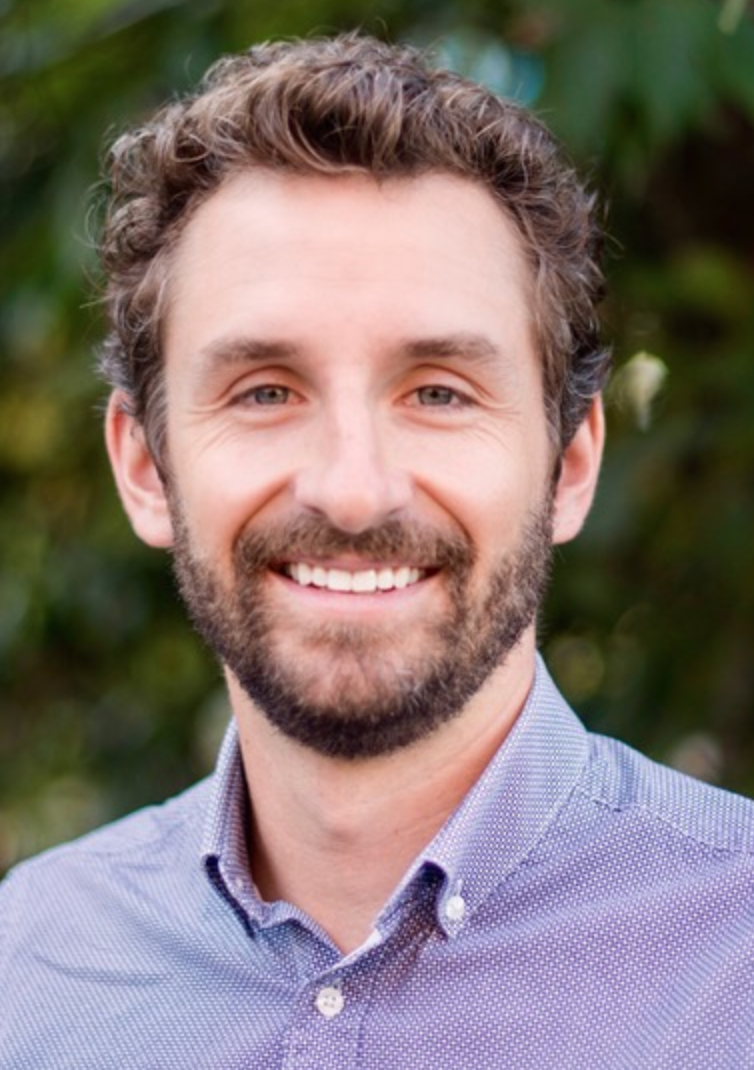 For our July 2026 RAMS Alumni Spotlight, we interviewed Dr. Paxton Bach, MD, MSc, ABIM, FRCPC, FASAM from the 6th RAMS Cohort (2017-2019) about his background and his work since completing the RAMS Program.
Paxton has recently been awarded the Diamond Foundation Professorship in Addiction Medicine and Recovery at the University of British Columbia (UBC) and is a general internist and addiction medicine physician at St. Paul’s Hospital in Vancouver, BC. He also serves as the Co-Medical Director for the British Columbia Centre on Substance Use (BCCSU), and is the Director of the BCCSU Clinical Addiction Medicine Fellowship Program. His research interests include the epidemiology and treatment of opioid and stimulant use disorders. He is the site Principal Investigator (PI) for the British Columbia site of the Addition of high dose Stimulant and engagement-focused Contingency management, alone and in combination, to treatment-as-usual for the management of Methamphetamine use disorder (ASCME) trial.
Read on to learn more about Paxton!
Could you tell us about your clinical and research background and then what led you to study substance use?
I went to medical school in Ontario at Queen’s University, and I did my residency and fellowship in General Internal Medicine at the University of British Columbia (UBC), followed by a fellowship in Addiction Medicine also at UBC. I have been here as a staff consultant at St. Paul’s Hospital and faculty at UBC since then, with an appointment in the Division of Social Medicine.
My research background is more circuitous. I did an MSc prior to medical school with a focus on immunology. I originally went into medical school intending to pursue research and clinical practice in infectious disease, and did a fair amount of infectious disease research during medical school and residency as well.
However, as I proceeded through my residency training, two things became more apparent to me. First, I was training in an urban centre and recognized that the real issue that was facing my patients was less about their infections, which were significant and complicated, but the root causes were often related to untreated or under-addressed substance use issues. Second, as I was pursuing my training, fentanyl first started to arrive in Vancouver. The year that my fellowship started was the year that the public health crisis was declared. It was very evident to me at that time that the biggest unmet need, the biggest issue out there affecting the patients that I wanted to work with, was very much related to substance use. There was also an opportunity here with formation of the BC Centre on Substance Use and with the people who trained me (and, by extension, the partners in Boston who we work so closely with). I saw a real opportunity to be part of something that was emerging that had the potential to make a significant impact in the lives of the patients I wanted to work with. I went a different route than I ever expected, it was a decision made based on both need and opportunity, and I have never looked back.
In what ways did your involvement with RAMS assist you with your research career?
RAMS was one of the most significant training and mentorship experiences that I’ve ever participated in at any point in my training. I think it was not a program that I knew well going into it. I wasn’t sure what I was expecting – obviously some research training and research mentorship – but I didn’t have a strong sense of what it is that I was going to get out of the program when I first applied for it, other than it came highly recommended by some mentors of mine.
The research training and support that I received from RAMS was enormously helpful in refining research ideas, projects, and methodology. However, the mentorship and the network that I continue to have access to has been one of the most significant contributions to my research and to my academic career as a whole. The mentorship that I continue to get from Jeffrey, Patrick, Jen, and from all of the RAMS mentors, and the fact that I’ve got to know them so well personally, is an unbelievable privilege.
Further, the specific community of RAM Scholars that I was introduced to through the program (that being my cohort itself, as well as the cohorts right before and after mine), have become trusted colleagues, friends, and ongoing collaborators. I’ve published many papers with that group over the years, and it’s awesome to have such a source for a continuously growing network of friends and colleagues.
It’s also so energizing to connect with the group periodically, whether it’s at the fall RAMS retreat or at CPDD itself, and to be reminded of how many brilliant individuals there are out there doing similar work to mine. Sometimes you can become caught up in the day-to-day and you forget how many people are out there trying to tackle difficult issues in thoughtful and creative ways. And to know that’s happening out there in all those other settings is refreshing, because it can be challenging when you’re in your own silo trying to find solutions to some pretty complex problems. This group is inspiring, and makes you realize that difficult things are possible and that we will continue to fight the good fight.
What would you consider an interesting or surprising finding from your research so far? Or, instead, you can talk about some directions you see your research going in.
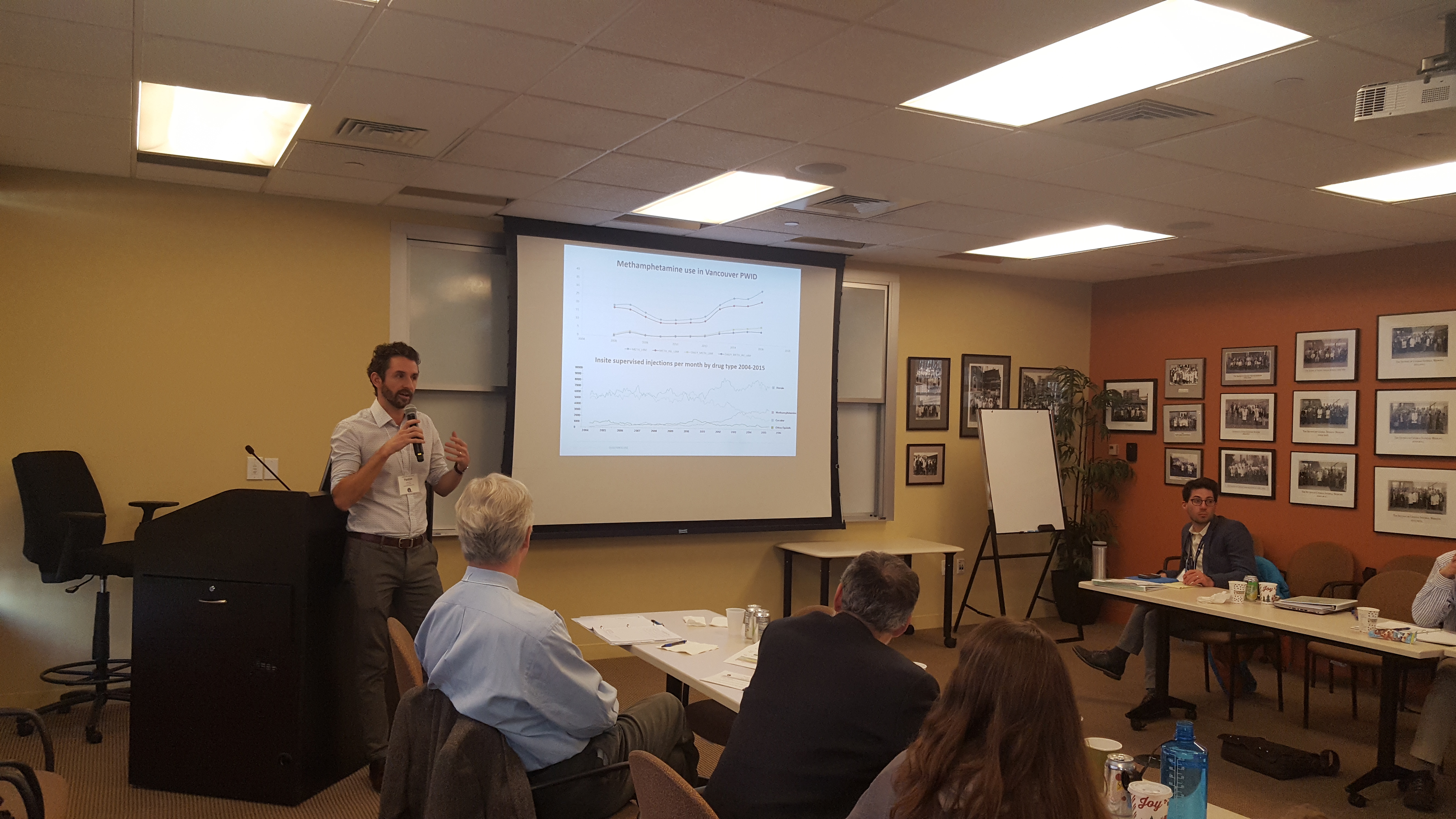
It may not be a specific finding from my research so much as a theme, but I think one of the things that has become more apparent is when it comes to overdose prevention and the treatment of opioid use disorder is that there is a ton of untapped opportunity in our world.
We have very few evidence-based tools in our toolbox. We have a relatively small number of medications and psychosocial interventions. But the tools that we have can be very effective, and are not being used to their maximum potential. We have not done a particularly good job at optimizing the medications or the behavioural interventions that we currently have, and the opportunities there are significant. That’s not to say that we don’t desperately need the development of new treatment approaches, but there is still an enormous opportunity to refine the way that we use existing ones to improve access to treatment, retention in care, and overall patient outcomes. In the context of an ongoing public health crisis, I think it behooves us to make sure that we are doing the very best we can with the tools that we already know exist, before investing heavily in new ideas.
Also with regards to research, if there has been, what has been a particularly challenging IRB issue you’ve had recently?
IRBs are such important bodies, but I have experienced some unique challenges that I think may affect those working in our field more than many. I think that even within academic institutions our work in particular is still influenced very much by overt stigma, subtle implicit biases, and other preconceived notions about substance use and substance use treatment. I have certainly had experiences with some of these issues at the level of an IRB, or even at grant review. It’s something that we have to be mindful of, because I think it can affect our proposals more significantly than proposals coming from many other areas of medicine. That being said these discussions are also educational opportunities, even if they can be barriers that we may continue to grapple with.
To those who are entering this field, something to be clear-eyed about are those preconceived notions and implicit biases that you need to be very deliberate about addressing in any number of settings. There’s a lot of misunderstanding to this day, especially in medicine and in research, about issues related to substance use and addiction. We are, however, in a unique position to make improvements, provide education to our colleagues, and continue to move that needle.
Have you ever had an experience with the revise and resubmit decision? Or, a rejection, and what errors had you made and what did you change?
Speaking as both a researcher and as an Associate Editor of a journal, we can take rejections quite personally, especially early in one’s career. It is easier said than done, but it’s important to remember that this is a part of the process. Sometimes it has to do with ideas, analyses, and approaches that still need some refining. Sometimes, it has to do with a fit with a given journal, and sometimes it is the luck of the draw. I think when you’re still developing your CV in the early days rejections can be discouraging, but it is normal and an expected part of the journey. It does not mean your idea is not a good one, it may just need some further polishing, or perhaps you’re speaking to the wrong audience.
I can also highlight that journal editors are trying their hardest to put the best science out there in the world. If you do receive a review that you think is off-base – which happens to all of us – or seems unfair or downright unpleasant (which is something that I get quite frustrated about because there’s no need for that), it is entirely reasonable to open up a line of communication with an editor and talk to them about why you disagree with select pieces of feedback. Especially if you receive some mixed reviews, and there is a particular reviewer that you feel is not well-justified in their comments, it is very permissible to open up a dialogue with an editor and consider appealing a decision. It does not necessarily mean that they’re going to reverse their decision, although I have had that happen before, but at least you can have a conversation about it. I think it’s very intimidating when you’re a junior trainee or junior faculty, that idea of actually asking follow-up questions or communicating with an editor in that manner. But I can say as an editor it is very much appreciated. It’s nice to have that conversation, as long as you’re doing it thoughtfully, respectfully, and politely. And you are choosing your moments. That would be a lesson that I’ve learned that I don’t think I was aware of early in my career.
Other general advice I would give based on feedback that I’ve received as an author, and based on my experience as an editor, is you want to make things as easy for the editor and reviewer as possible. Make it easy to review a paper; follow the rules and follow the formatting guidelines. Don’t make mistakes about things that are within your control. When you’re communicating with them around a revise and resubmit, for instance, make it as easy as possible to specifically highlight what changes you made in response to what comments, where they can find those changes, and conversely describe very clearly and politely your rationale should you decide against any requested additions. Editors and reviewers are just people, so make it easy for them to handle your manuscript, to review initial drafts, and to go back over revisions and resubmissions that you’ve made.
Tell us one thing about yourself that readers might find interesting.
I have young children at home so spend most of my free time with them, but I like being active and every year I try to set a new challenge for myself – usually related to sports or athletics – to provide me with some external motivation to keep moving. This year is unfortunately all about physiotherapy following knee surgery I needed over the winter, but in the past it has included things like a 140K bike ride, triathlons, or even a charity boxing match a few summers ago. I like doing things that are a little out of my comfort zone, to put myself in situations that challenge me, and to keep me moving during the grey winters in Vancouver.
One final item that I would like to mention is an enormous thank you to Jeffrey, Patrick, Jen, and the whole extended RAMS team. I was recently informed that I have been awarded the Diamond Foundation Professorship in Addiction Medicine and Recovery at UBC, and I am very excited to transition into this new position. I am extremely grateful for all of the RAMS support that has helped lead up to this moment, and look forward to continuing my research programme in this role. Once a RAM Scholar, always a RAM Scholar!
This interview was conducted by Natalie Karter, BS.