December 2025 Chobanian & Avedisian SOM Faculty Promotions
Congratulations to the following Chobanian & Avedisian School of Medicine faculty on their recent appointment or promotion.
Clinical Professor
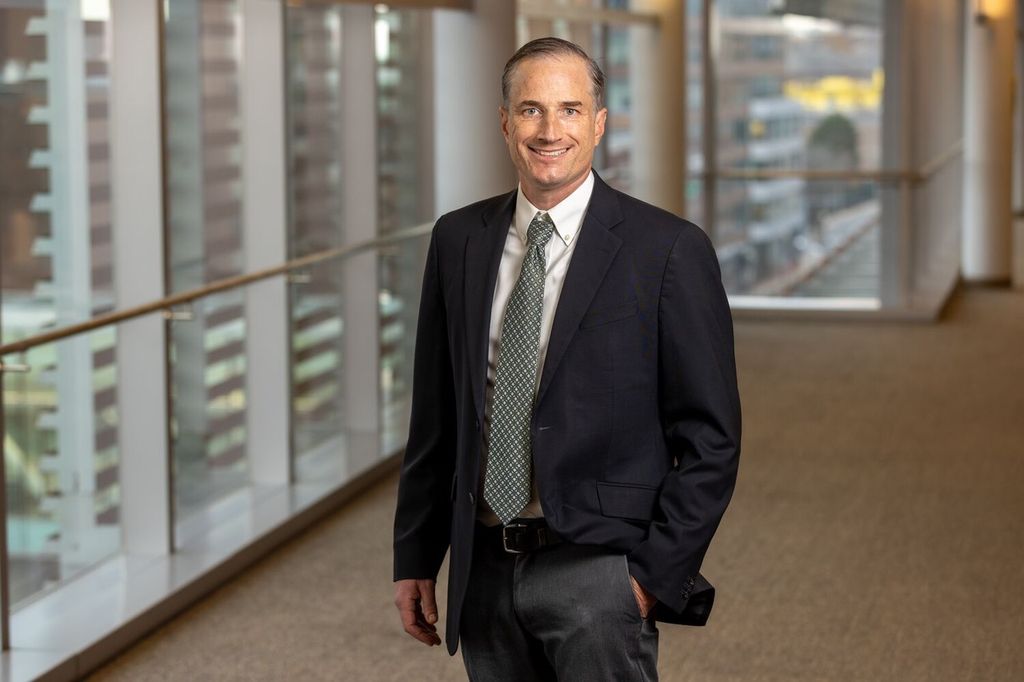
J. Mark Sloan, MD, Medicine/Hematology & Medical Oncology, is a hematologist at Boston Medical Center (BMC) with research interests in HTLV-1 associated adult leukemia/lymphoma (ATLL), AL amyloidosis, and Duffy-null associated neutrophil counts (DANC). His pioneering work on DANC has helped transform clinical management for individuals of African descent, who are disproportionately affected by low white blood cell counts. Nationally, Dr. Sloan led a landmark multi-center trial for the frontline treatment of ATLL, demonstrating that long-term survival is an achievable goal for patients in the United States. Beyond his research, Dr. Sloan serves as program director for the Hematology/Oncology fellowship and director of the Gene Therapy Program for hemoglobinopathy at BMC. His serves on NIH study sections and European Medicines Agency panels. The clinician-scientist and mentor also is the co-founder of the Engraftment Project, a non-profit dedicated to expanding opportunities for sickle cell disease survivors following curative treatment.
Associate Professor
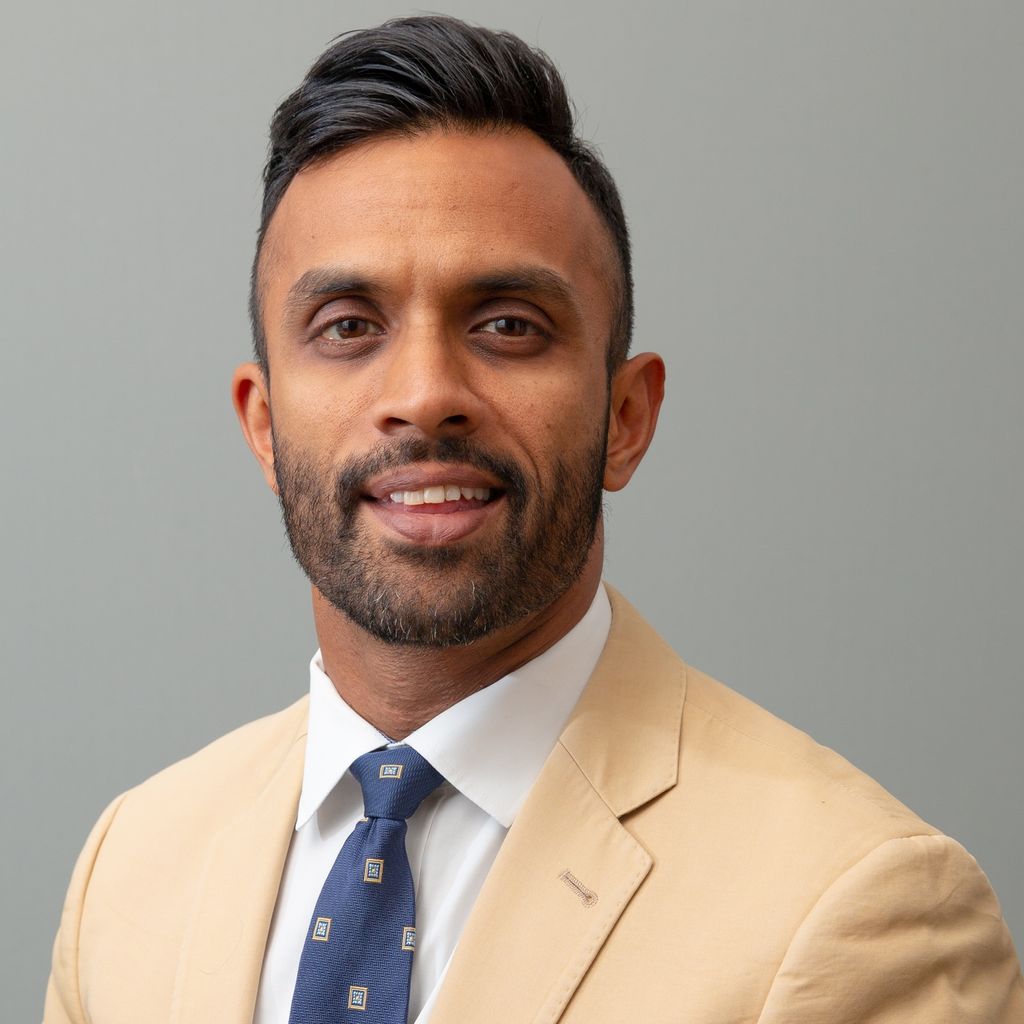
Avik Chatterjee, MD, MPH, Medicine/GIM, has implemented innovative treatment models for opioid use disorder and harm reduction interventions for people experiencing homelessness. He led the creation of a first-of-its-kind, shelter-based opioid addiction treatment program, and recently published an analysis of the health and economic outcomes of rolling out shelter-based buprenorphine to emergency shelters across Massachusetts, demonstrating that the strategy would not only save lives, but also save money. He is a physician at several shelter-based clinics for adults and children through Boston Health Care for the Homeless Program and serves as a site PI or Co-I on four NIDA grants. Dr. Chatterjee recently was named to the Massachusetts Attorney General’s Advisory Council on Substance Misuse. He is the recipient of numerous teaching and advising awards, including the Thomas Hoopes Prize, the STAR Family Prize for Excellence in Advising, and the John R. Marquand Award for Exceptional Advising.

Jessica L. Fetterman, PhD, Medicine/Vascular Biology, is a basic and translational scientist studying the intersections of mitochondrial physiology, mitochondrial genetics and cardiovascular disease. She has developed and applied bioinformatics methods for identifying and annotating mitochondrial DNA variants in population-based cohorts. She has published a rigorous protocol for biobanking of whole human hearts preserved to maintain the spatial resolution for multiomics, which served as the basis for her funded MPI R01 to build a cardiovascular biobank in the Framingham Heart Study. Dr. Fetterman’s second research focus is on the cardiovascular health effects, health perceptions and social media marketing of new and emerging tobacco products to inform policy. Her research has shown that e-cigarette use is associated with increased vascular stiffness, and the flavoring additives used in tobacco products induce endothelial cell toxicity. She is a Framingham Heart Study investigator and fellow of the American Heart Association.
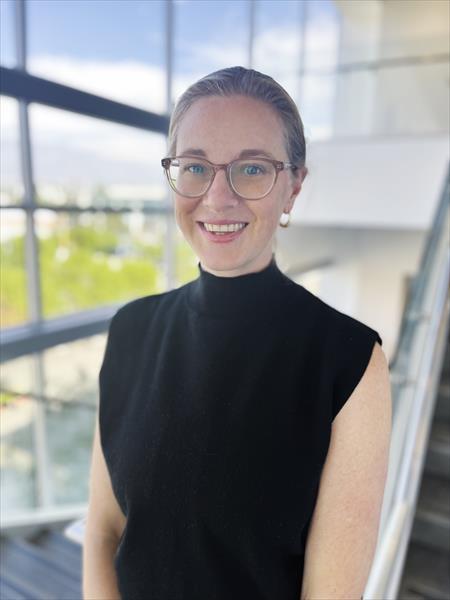
Astrid Suchy-Dicey, PhD, Medicine/Preventive Medicine & Epidemiology, is a neuroepidemiologist focusing on health inequities in cognitive aging with a particular emphasis on Alzheimer’s disease and related dementias in Native American populations. Dr. Suchy-Dicey received a BA in history and biology from Smith College and MS and PhD in epidemiology from the University of Washington School of Public Health. A T32 trainee for the entirety of her graduate training, Dr. Suchy-Dicey subsequently became research assistant professor at Washington State University Elson S. Floyd College of Medicine, and was promoted to assistant professor in 2018, funded by her K01 in neurology and neuropsychology. She became an associate professor and director of clinical neurosciences at Huntington Medical Research Institutes in 2023 before joining BU Chobanian & Avedisian School of Medicine in 2025.
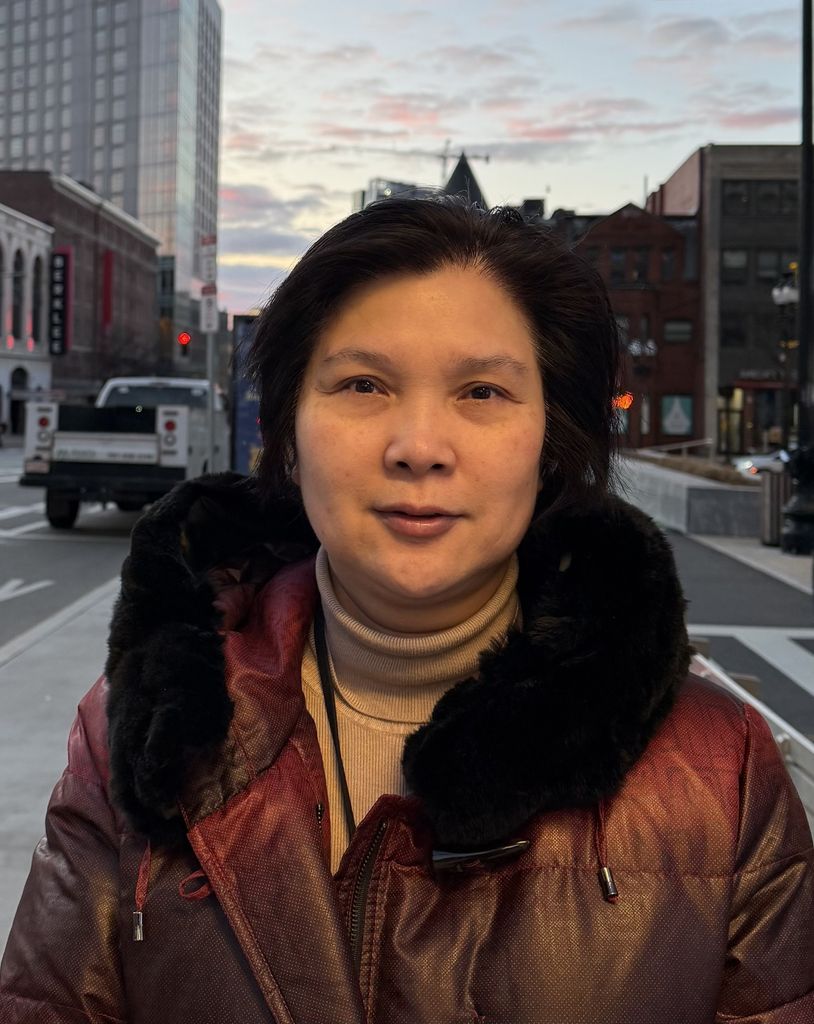
Xueling Wu, MD, PhD, Medicine/Infectious Diseases, studies HIV and other viruses with pandemic threat, with a focus on developing broad and potent neutralizing antibodies and more effective vaccines. Her work has demonstrated antibody escape favors HIV mother-to-child transmission and her research in neutralizing antibodies has advanced to multiple clinical trials. Dr. Wu received a BS in Clinical Medicine from Tongji Medical College in China and did her residency in internal medicine at Guilin People’s Hospital. Dr. Wu earned her PhD in microbiology from the University of Alabama at Birmingham. She completed her postdoctoral training in Molecular Virology at Fred Hutchinson Cancer Research Center before becoming a staff scientist at the NIH Vaccine Research Center and then joining the faculty at Aaron Diamond AIDS Research Center, an affiliate of Rockefeller University. While there, Dr. Wu was promoted to associate professor of medical sciences at Columbia University Medical Center before joining BU Chobanian & Avedisian School of Medicine in 2025.
Clinical Associate Professor

Felipe Agudelo, PhD, MPH, Medical Sciences & Education, serves as director of the Program and Curriculum Evaluation Office in the department of medical sciences & education, supporting many programs, such as the Propelling Rise of Faculty (PRoF) initiative, as well as helping faculty design evaluations and build rigorous evaluation plans for educational interventions. His research focus includes the school-to-prison pipeline, health professions education, curriculum design and evaluation, and the intersection of public health, hate speech and digital racism on social media. In addition, he has been a lecturer in MET’s MS in Health Communications program since 2018.

Fabio Petrocca, MD, Medicine/Hematology & Oncology, is a clinician-investigator focused on cellular therapy and hematology. He is the founding director of the Cellular Therapy Program at Boston Medical Center (BMC), where he helped build a comprehensive CAR T service offering both FDA-approved and investigational therapies. Dr. Petrocca has served as PI/co-PI or study director on multiple CAR T clinical trials in hematologic and autoimmune diseases and leads CAR T-focused translational research within the Hem/Onc Translational Research Laboratory. Previously, he was a medical director in the biotech industry, where he played a key role in advancing the first multiple myeloma CAR T therapy from phase 1 through regulatory approval, and PI of an NCI-funded cancer research laboratory at Boston University. He has served on NIH study sections and industry advisory boards for Bristol Myers Squibb, Novartis, Tessera Therapeutics, and Catamaran Bio.
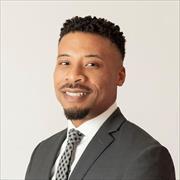
Reggie R. Thomasson, MD, Pathology & Laboratory Medicine, is chief & vice chair for the division of laboratory medicine at Boston Medical Center (BMC). He holds the Centers for Medicare and Medicaid (CMS) license as laboratory director for BMC’s laboratories. He formerly served as associate director for the pathology residency program and now serves as medical director for Blood Bank and Transfusion Medicine, Phlebotomy and Point-of Care as well as Inpatient Apheresis. Dr. Thomasson is a site PI at BMC, where he leads multiple studies focused on sickle cell disease, including investigations into antigen and antibody frequencies, transfusion practices, and complications related to stem cell mobilization in donors with sickle cell trait. In addition, he is a CO-I on an American Society of Hematology (ASH)-funded initiative establishing absolute neutrophil count reference ranges for Duffy-null individuals.