Maria I. Ramirez, Ph.D.
Faculty and Fellows
mramirez@bu.edu
Associate Professor of Medicine
Associate Professor Pathology and Laboratory Medicine
Graduate PhD Program:
University of Buenos Aires, Argentina, School of Sciences (Organic Chemistry)
Post-doctoral Training:
– University of Massachusetts Medical Center, Department of Biochemistry and Molecular Biology
– Boston University School of Medicine, Department of Medicine, Pulmonary Center
– Parker B. Francis Fellow
RESEARCH
Epigenetic and Genetic Regulation of Lung Cell Differentiation
____________________________________________________________________________________
The main goal of the research in our lab is to identify and understand genetic and epigenetic mechanisms of gene regulation driving the differentiation of distinct epithelial cell lineages during development, and the potential alteration of these mechanisms in lung disease. Correct spatial and temporal patterns of gene expression during lung development are critical for the formation of a functional lung ready for the first breath at birth. In adults, patterns of gene expression also have to be maintained to preserve a healthy lung. Dissecting these basic mechanisms in development will provide the basis to accurately differentiate embryonic stem cells into lung epithelial cell lineages in vitro, to improve fetal lung maturation and to understand altered cell phenotypes in lung disease.
We study lung epithelial gene regulation
- during embryonic stem cell differentiation into definitive endoderm and lung progenitor lineages in vitro.
- during lung primordium formation from foregut endodermal cells in mouse embryos.
- during prenatal lung alveolar cell differentiation.
- in mouse models of lung carcinoma and human lung tumors.
Epigenetic regulation of lung gene expression
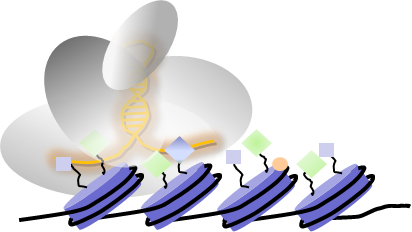
In a global analysis of gene expression in mouse foregut tissue we identified significant changes in expression level of genes associated with chromatin remodeling and DNA methylation, coincident with formation of the lung primordium (Millien et al Gene Expr. Patterns 2008). This finding prompted us to characterize the role of epigenetic modifications in regulation of lung gene expression and their cooperation with the key lung transcription factor Nkx2-1 (Ttf1) (Cao et al, J Biol Chem. 2010). Based on these findings, we are working on the hypothesis that epigenetic mechanisms of gene regulation, such as histone modifications and DNA methylation, participate in initiation of lung development and cell differentiation by establishing and maintaining patterns of gene expression. Postranslational methylation of lysine residues at the N-terminal domain of histone proteins is a dynamic process that affects the structure of the chromatin, and thus gene regulation. Genome-wide chromatin immunoprecipitation analyses (e.g.ChIP-on-chip or ChIP-sequencing) identified regions of the genome enriched in histone 3 lysine 4 trimethylated (H3K4me3) or H3K27me3 marks. Chromatin regions enriched in H3K4me3 are in an open conformation allowing gene transcription, while chromatin regions enriched in H3K27me3 are in a condensed conformation, usually silencing gene transcription. A significant group of developmental genes silenced in ESCs is enriched in both histone marks. These bivalent states are resolved into only H3K4me3 or H3K27me3 as cells differentiate into particular lineages. We have determined that the promoter region of Nkx2-1 is in a bivalent state in ESCs. The enrichment in activating marks positively correlates with expression levels as cells differentiate into definitive endoderm and to lung lineages in vitro while the silencing marks negatively correlate with expression levels. Similar histone modification differences are observed on the Nkx2-1 promoter in E11.5 primary lung epithelial and mesenchymal cells (Longmire et al Cell Stem Cell, 2012). The histone modifying complexes that add or remove methyl groups to histones alter epigenetic landscapes during cell differentiation. Although most of these complexes are ubiquitously expressed, they modify the chromatin within a cell in a timely and gene specific manner. For example the H3K27me3 transferase Ezh2, involved in gene silencing, is expressed at similar levels in E11.5 epithelium and mesenchyme, yet the Nkx2-1 promoter is only enriched in H3K27me3 in mesenchymal cells.
How histone modifying proteins, lacking DNA binding capacity, acquire specificity to bind to specific regulatory regions in the chromatin is a question that is becoming to be elucidated. Recent studies suggest that non-coding RNAs, which comprise more than 90% of the mammalian transcriptome, may provide specificity to chromatin modifying complexes by recruiting them to specific loci to induce or maintain key cellular states such as pluripotency or particular cell lineages. Our goal is to elucidate how histone modifying proteins acquire their specificity in lung gene regulation by interacting with long non-coding RNAs (lncRNAs) and the role of this process in lung lineage specification and maintenance. Our studies will uncover the function of lncRNAs in the dynamics of the epigenetic machinery controlling lung specific gene expression.
Transcription factor networks in regulation of lung gene expression.
Thyroid transcription factor 1 (Ttf1, NKX2-1) is a homeodomain transcription factor necessary for normal lung, thyroid and brain development. In the adult, Nkx2-1 maintains distal lung epithelial phenotypes by cell specific gene regulation. In lung tumors, Nkx2-1 is a lineage survival oncogene and a prognostic factor depending on its expression levels. The transcriptional program controlled by Nkx2-1 in early and late development is largely unknown. Despite its use as a lung tumor marker, the genes regulated by Nkx2-1 in lung cancer are also largely unknown. 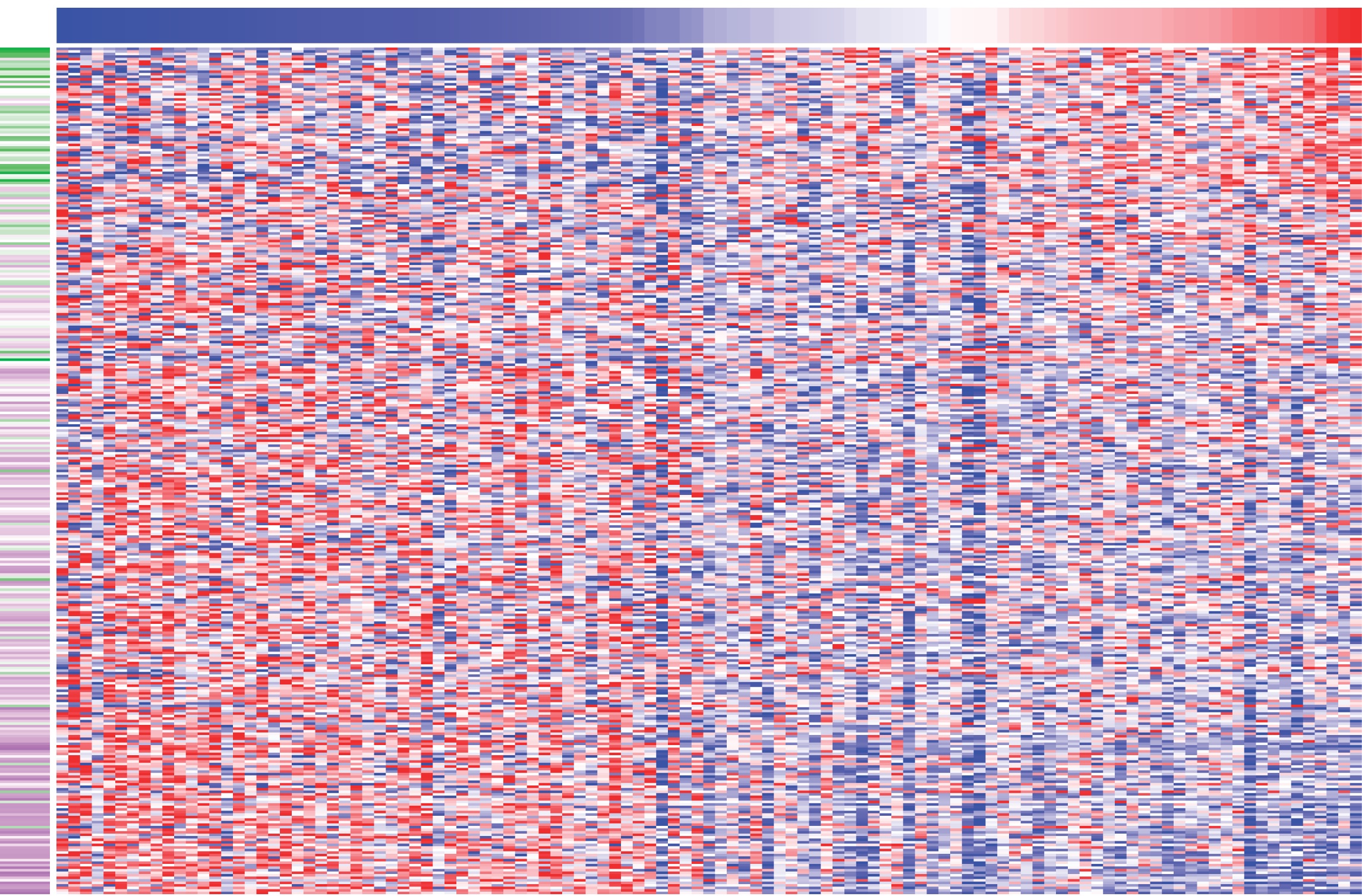 We performed ChIP-chip analyses in embryonic mouse lung to identify genes directly bound by Nkx2-1 in the epithelium and have established a preferential role for Nkx2-1 in the regulation of proliferation-related genes in early development including E2F3, Cyclin B1 and B2, and Met. We also identified transcription factors downstream of Nkx2-1. We evaluated NKX2-1 control of developmental target genes in lung cancer and correlated their expression to the NKX2-1 in human lung tumor data sets uncovering regulatory networks in normal development that when altered may lead to related developmental and adult lung diseases (Tagne et al PLoS ONE, 2012). Our goal is to analyze Nkx2-1 direct regulation of proliferation-related genes and their effect on lung epithelial cell cycle progression. We have also characterized microRNAs downstream Nkx2-1 and their effect in cell differentiation (Tagne et al Respir. Res., 2015).
These downstream genes may contribute to the abnormal lung phenotypes in Nkx2-1 mutant mouse models and in cancer. The ongoing analyses will reveal the underlying mechanisms driving cell proliferation, survival and differentiation in lung development and in lung diseases in which Nkx2-1 levels are altered. Studies on the influence of Nkx2-1 on cell proliferation related genes may uncover novel regulatory mechanisms for therapeutic targeting during development or in other diseases associated with altered levels of Nkx2-1 such as neonatal respiratory distress, Brain-Lung-Thyroid syndrome, and acute respiratory distress syndrome. As the regulatory mechanisms to be studied in this project are also linked to tumor suppression our findings have the potential to contribute to the understanding and the control of lung tumor formation.
Gene Regulation in Alveolar Cell Differentiation.
We have a long time interest in studying transcriptional regulation of lung alveolar epithelial genes. We identified transcriptional factor binding sites in the proximal promoter region of the type I epithelial gene T1α including FoxA2, Sp1/Sp3 and Nkx2-1, (Ramirez et al, J. Biol. Chem. 1997; Cao et al, J. Cell. Biol. 2003) and the regulation of caveolin-1 by ETS transcription factors (Kathuria et al, J. Biol. Chem. 2004; Kathuria et al, J. Cell. Biochem. 2007). In recent studies we identified transcriptional and epigenetic mechanisms regulating the type II cell gene Sftpb (Cao et al, J. Biol. Chem. 2010), and Nkx2-1 (Varma et al, J. Biol. Chem. 2012). One of the key features of lung alveolar epithelial type I cells is the ability to acquire and maintain an extensive, thin and flat phenotype. This phenotype allows the efficient gas-exchange process that sustains breathing. During mouse lung development, progenitor cuboidal epithelial cells remodel their apical and bas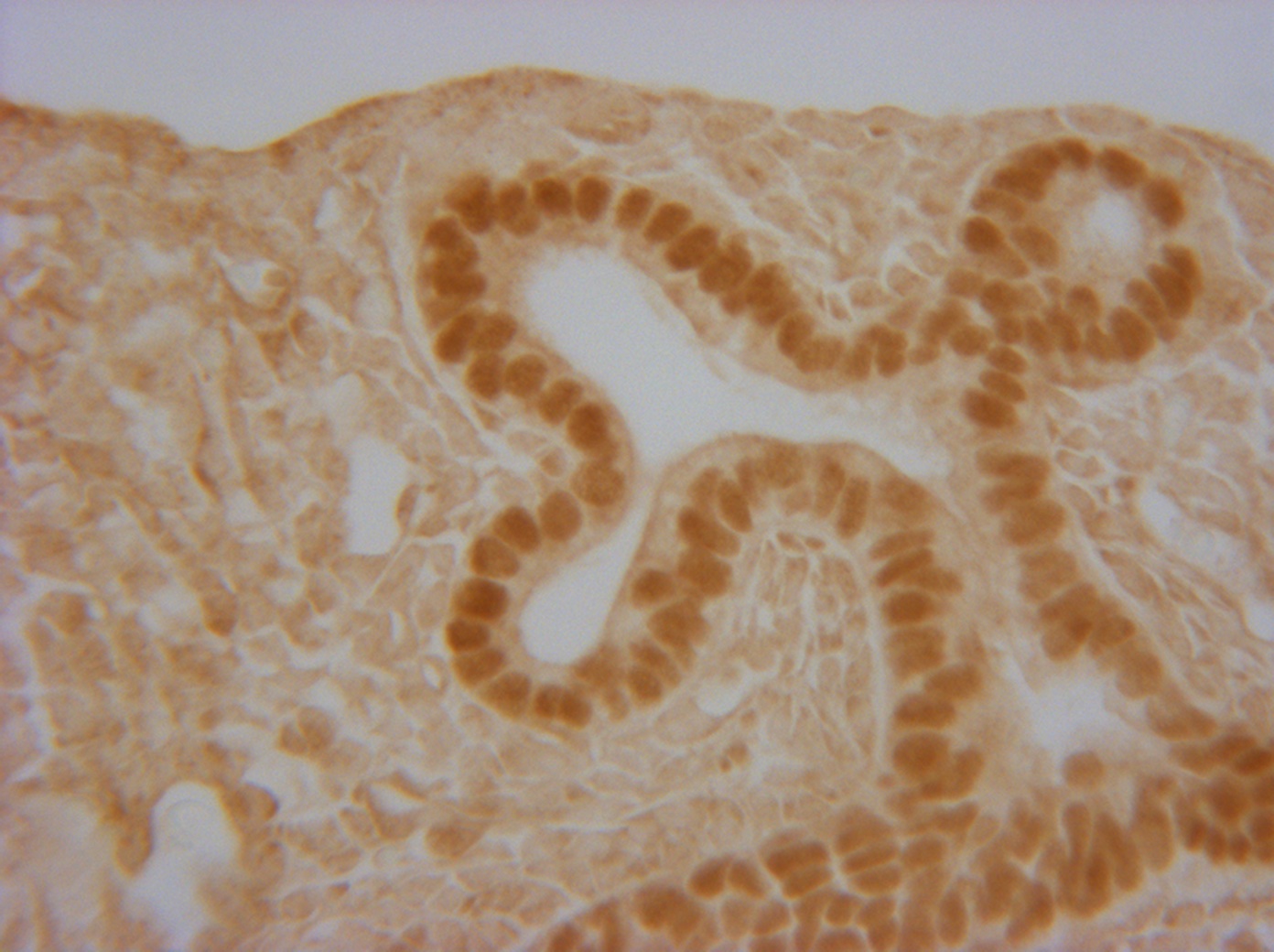 olateral plasma membranes and cytoskeleton resulting in cell flattening, thinning and spreading. Alveolar type II cells and their progenitors remain cuboidal throughout development. These processes are required for alveolar sac enlargement at the end of gestation, and for repairing the lung epithelium after injury in the adult. In a recent study we have determined the role of the transcription factor Grainyhead 2 (Grhl2) in regulation of Nkx2-1 (Varma et al J. Biol. Chem. 2012). We identified cell-cell interaction genes regulated by GRHL2 in lung epithelial cells and provide evidence for a novel positive transcriptional feed-back loop between Grhl2 and the homeobox transcription factor Nkx2-1 in embryonic lung. The critical role of NKX2-1 in regulating epithelial cell proliferation, and differentiation, and of GRHL2 in regulating cell-cell interactions and epithelial structure suggest that the Grhl2-Nkx2-1 positive feed-back loop may serve to differentiate and reinforce distal lung epithelial phenotypes. It absence may reduce cell-cell interactions allowing movement of the cells, rearrangement of the cytoskeleton leading to type I cell formation.
We have also identifyed other transcriptional and epigenetic mechanisms that underlie differentiation and flattening of type I alveolar epithelial cells during development using in vitro and in vivo models of normal and altered lung epithelial morphogenesis previously generated in our lab (Ramirez et al, Dev. Biol. 2003, Millien et al, BMC Dev. Biol.2006).
Dr. Ramirez is an NIH-funded Principal Investigator and a member of the Center for Regenerative Medicine, Bioinformatics Program, Genome Science Institute and Graduate Medical Science Program at Boston University.
Selected Publications (since 2003):
- Tagne, J.B., Mohtar, O.R., Campbell, J.D., Lakshminarayanan, M., Huang, J., Hinds, A.C., Lu, J., Ramirez, M.I. (2015) Transcription factor and microRNA interactions in lung cells: an inhibitory link between NK2 homeobox 1, miR-200c and the developmental and oncogenic factors Nfib and Myb. Respir. Res. 16:22.
- Wilson, A., Ying, L., Liesa, M., Segeritz, C., Mill, J., Shen, S., Jean, J., Lonza, G, Lang, A., Nazaire, J., Gower, A., Mueller, F.J., Mehta, P., Ordóñez, A., Lomas, D.A., Vallier, L., Murphy, G., Mostoslavsky, G., Spira, A., Shirihai, O., Ramirez, M.I., Gadue, P., Kotton, D.N. (2015) Emergence of a developmental stage-dependent human liver disease signature during directed differentiation of alpha-1 antitrypsin deficient iPS cells. Stem Cell Rep. 4(5):873-85.
- Krishnan H., Retzbach E.P., Ramirez M.I., Liu T., Li H., Miller W.T., Goldberg, G.S. (2015) PKA and CDK5 can phosphorylate specific serines on the intracellular domain of podoplanin (PDPN) to inhibit cell motility. Exp. Cell Res. 335(1):115-22.
- Varma, S., Mahavadi, P., Cushing, L., Hyland, T., Sasikumar, S., Rosser, A., Scherf, C., Riccardi, D., Lu, J., Kalin, T., Kalinichenko, V., Ramirez, M.I., Pardo, A., Selman, M., Warburton, D. (2014) Grainyhead-like 2 Distribution Reveals Novel Pathophysiological Differences Between Human Idiopathic Pulmonary Fibrosis and Mouse Models of Pulmonary Fibrosis. Am.J. Physiol. Lung Cell. Mol. Physiol. 6(5):L405-19.
- Krishnan, H., Ochoa‐Alvarez, J.A., Shen, Y., Nevel, E., Lakshminarayanan, M., Williams, M.C., Ramirez, M.I., Miller, W.T., Goldberg, G.S. (2013) Serines in the Intracellular Tail of Podoplanin (PDPN) Regulate Cell Motility. J Biol Chem. 288(17):12215‐21.
- Varma, S., Cao, Y., Tagne, J-B., Lakshminarayanan, M., Li, J., Friedman, T.B., Morell, R.J., Warburton, D., Kotton, D.N., Ramirez, M.I. (2012) The Transcription Factors Grainyhead-like 2 and NK2 Homeobox 1 Form a Regulatory Loop that Coordinates Lung Epithelial Cell Morphogenesis and Differentiation. J Biol Chem. 287(44):37282-95. PMID: 22955271
- Yamamoto, K., Ferrari, J.D., Cao, Y., Ramirez, M.I., Jones, M.R., Quinton, L.J., Mizgerd, J.P. Type I Alveolar Epithelial Cells Mount Innate Immune Responses during Pneumococcal Pneumonia. (2012) J,Immunol. 189(5):2450-9.
- Longmire, T.A., Ikonomou, L., Hawkins, F., Christodoulou, C., Cao, Y., Jean, J.C., Kwok, L.W., Mou, H., Rajagopal, J., Shen, S.S., Dowton, A.A., Serra, M., Weiss, D.J., Green, M.D., Snoeck, H-W., Ramirez, M.I., Kotton, D.N. (2012) Efficient derivation of purified lung and thyroid progenitors from embryonic stem cells. Cell Stem Cell. 10, 398–411.
- Tagne, J.B., Gupta, S., Gower, A.C., Shen, S.S., Varma, S., Lakshminarayanan, M., Cao, Y., Spira, A., Volkert, T.L., Ramirez, M.I. (2012) Genome-wide Analyses of Nkx2-1 Binding to Transcriptional Target Genes Uncover Novel Regulatory Patterns Conserved in Lung Development and Tumors. PLoS ONE 7(1): e29907.
- Cao, Y., Vo, T., Millien, G., Tagne, J.B., Kotton, D., Mason, R.J., Williams, M.C., Ramirez, M.I. (2010) Epigenetic mechanisms modulate thyroid transcription factor 1-mediated transcription of the surfactant protein B gene. J Biol. Chem. 285(3):2152-64.
- Sloan, K.A., Marquez, H.A., Li, J., Cao, Y., Hinds, A. , O’Hara, C.J., Kathuria, S., Ramirez, M.I., Williams, M.C. and Kathuria, H. (2009) Increased PEA3/E1AF and Decreased Net/Elk-3, both Ets Proteins, Characterize Human NSCLC Progression and Regulate Caveolin-1 Transcription in Calu-1 and NCI-H23 NSCLC Cell Lines. Carcinogenesis 30(8):1433-42.
- Castro, M., Ramirez, M.I., Gern, J.E., Cutting, G., Redding, G., Hagood, J.S., Whitsett, J., Abman, S., Raj, J.U., Barst, R., Kato, G.J., Gozal, D., Haddad, G.G., Prabhakar, N.R., Gauda, E., Martinez, F.D., Tepper, R., Wood, R.E., Accurso, F., Teague, W.G., Venegas, J., Cole, F.S., Wright, R.J. (2009) Strategic Plan for Pediatric Respiratory Diseases Research: an NHLBI Working Group Report. Proc. Am. Thorac. Soc. 6:1-10.
- Millien, G., Beane, J., Lenburg, M., Tsao, P., Lu, J., Spira, A., Ramirez, M.I. (2008) Characterization of the mid-foregut transcriptome identifies genes regulated during lung bud induction. Gene Expression Patterns 8(2):124-139.
- Kathuria, H., Cao, Y.X., Hinds, M.I., Ramirez, M.I., Williams, M.C. (2007) The ETS protein ERM regulates caveolin-1 transcription in mouse lung epithelial, but not endothelial cell lines. J Cell Biochem. 102(1):13-27.
- Millien, G., Spira, A., Hinds, A., Wang, J., Williams, M.C., Ramirez, M.I. (2006) Alterations in gene expression in T1alpha null lung: a model of deficient alveolar sac development. BMC Dev. Biol. 6(1):35.
- Kathuria, H., Cao, Y.X., Ramirez, M.I., Williams, M.C. (2004) Transcription of the caveolin-1 gene is differentially regulated in lung type I epithelial and endothelial cell lines: A role for ETS proteins in epithelial cell expression. J. Biol. Chem. 279:30028-36.
- Wongtrakool, C., Malpel, S., Gorestein, J., Sedita, J., Ramirez, M.I., Underhill, M., Cardoso, W. C. (2003) Downregulation of retinoic acid receptor α signaling is required for sacculation and type I cell formation in the developing lung. J. Biol. Chem. 278:46911-46918.
- Cao, Y. X., Ramirez, M.I., Williams, M. C. (2003) Enhanced binding of Sp1/Sp3 transcription factors mediates the hyperoxia-induced increased expression of the lung type I cell gene T1α. J. Cell Biol. 89: 887-901.
- *Schacht, V., *Ramirez, M.I., Hong, Y., Hirakawa, S., Feng, D., Harvey, N., Williams, M., Dvorak, A. M., Dvorak, H. F., Oliver, G., Detmar, M. (2003) T1alpha/podoplanin deficiency disrupts normal lymphatic vasculature formation and causes lymphedema. EMBO J. 22: 3546-3556. (*equal contribution).
- Ramirez, M.I., Millien, G., Hinds, A., Cao, Y. X., Seldin, D., Williams, M. C. (2003) T1α lung type I cell differentiation gene, is required for normal lung cell proliferation and alveolus formation at birth. Dev. Biol. 256, 61-72.